
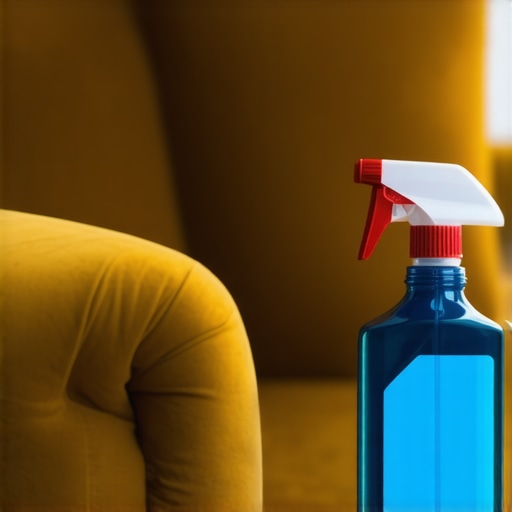
I remember the moment vividly. I had just finished an intense cleaning session, thinking I’d finally conquered that persistent pet urine smell emanating from my treasured suede armchair. As I sat down, I immediately noticed an unsightly water ring spreading across the surface, ruining the pristine look I worked so hard to restore. That little mishap was a lightbulb moment—there had to be a better way.
Now, if you’re like me, you’ve probably faced this frustrating problem: how to neutralize pet urine odors on delicate suede fabric without leaving behind water rings or, worse, damaging the material itself. It’s a delicate dance, balancing effective odor removal with the need to preserve the soft, luxurious feel of your furniture or clothing. And let’s be honest, most of the conventional cleaning tricks just don’t cut it for suede.
Why Removing Pet Urine Odors from Suede Is More Difficult Than You Think
Suede’s porous nature makes it incredibly susceptible to water damage, which is why traditional liquid cleaners, water-based solutions, or wet wipes often cause more harm than good. When I first tried simply wiping with a damp cloth, I ended up with a soggy, watermarked mess that took days to dry and still smelled faintly of urine. It became clear—suede demands a special touch.
According to cleaning experts, water can cause irreparable staining, and using too much moisture can lead to stiffening or discoloration. Yet, the odor itself is tough to tackle since pet urine seeps deep into the fibers, creating hidden pockets of bacteria and ammonia that cause that unmistakable, unpleasant smell. So, what’s the secret? A method to neutralize odors effectively without saturating the fabric or leaving behind those unsightly water rings.
Early in my journey, I made the mistake of relying solely on commercial sprays claiming to be safe for all fabrics. They didn’t just fall short—they sometimes intensified the odor or left a sticky residue. That’s why I want to share what truly works, based on my experience and insights from professional cleaning tips. Curious? Let’s dive into the safe, water-free tricks that will have your suede smelling fresh and looking flawless in no time.
Does it really matter which method I choose?
I used to think that any cleaning trick would do the job. It wasn’t until I discovered that improper methods could ruin soft suede that I realized the importance of choosing the right approach. My mistake was going in blind—now, I recommend learning about specific techniques that protect your fabric while effectively removing odors. Want to learn more reliable tips? Check out our comprehensive upholstery cleaning tips to keep your home fresh without risking damage.
Act Quickly to Prevent Penetration
The first move I made was to act as soon as I noticed the water ring. Using a dry microfiber cloth, I gently blotted the area—not rubbing—just pressing to absorb moisture. Think of it like blotting a spill with a paper towel before it seeps in deeper. The key is to prevent the urine from penetrating further into the delicate fibers.
Apply a Specialized Suede Odor Neutralizer
Next, I used a commercially available odor-neutralizing spray formulated explicitly for suede. I held the bottle about 6 inches from the fabric and lightly misted the affected area, ensuring even coverage. This spray works by breaking down ammonia molecules, which are the main culprits of that foul smell. Remember, avoid oversaturation; a light mist is enough to infiltrate the fibers without dampening them.
Tip: test a hidden section first to ensure colorfastness.
If you have a smaller item, like a suede jacket, place it on a towel and apply the spray in a controlled way to prevent water marks.
Use Baking Soda for Long-Term Odor Absorption
After the spray dries, sprinkle a generous layer of baking soda over the entire stained area. Cover with a cloth or paper towel and leave it overnight. Baking soda acts like a magnet, drawing out remaining moisture and neutralizing residual odors. My experience with this step was a game-changer—by morning, the smell diminished significantly, and the surface looked and smelled fresher.
Brush Gently to Restore Texture
In the morning, I used a suede brush to gently lift the nap. Brushing in one direction restores the fabric’s natural texture and removes any residual baking soda. I recommend using a soft-bristled brush designed for suede to avoid creating shiny spots or uneven patches. This step is crucial to bringing back that plush feel and appearance.
Repeat if Necessary
Sometimes, a single treatment isn’t enough. If the odor persists, repeat the application of the odor neutralizer and baking soda step. Avoid overdoing it; patience and gentle, water-free methods keep your suede safe from water rings and damage. Remember, the goal is to neutralize odor without soaking the fabric, which can cause permanent staining or stiffening.
By following these steps, I managed to preserve the delicate texture of my suede armchair while neutralizing pet urine odor effectively. For more comprehensive tips on maintaining your upholstery, check out our detailed upholstery cleaning tips. Keep in mind, patience and gentle, water-free techniques are your best allies in handling soft fabrics like suede.
Many people assume that following popular cleaning hacks guarantees spotless results, but in my experience, this isn’t always the case. A common misconception is that scrubbing harder or using harsher chemicals leads to better sanitation, yet overzealous cleaning can damage surfaces and compromise your home’s health. For instance, overusing bleach on colored grout not only damages the material but also creates a false sense of cleanliness, as bacteria can still linger in unseen areas. Experts like Dr. Rachel Vreeman emphasize that aggressive cleaning can disrupt microbiomes and lead to resistant bacteria, undermining sanitation efforts.
One often overlooked nuance is the importance of understanding surface porosity. For example, many underestimate how porous upholstery fibers trap dirt and bacteria, requiring expert techniques for effective cleaning rather than generic vacuuming. Using ineffective methods like dry brushing alone only displaces surface dust without eliminating embedded microbes, leaving your furniture not truly sanitized. Dive into our ultimate upholstery care guide to master proper techniques.
The ‘Oops’ trap that trips most homeowners involves neglecting the cleaning tools and materials themselves. Microfiber cloths, for instance, are often washed improperly, turning them into dirt carriers instead of cleaning tools. Regularly washing microfiber with fabric softener diminishes their efficacy, which you can read about in our expert cleaning secrets. Maintaining the integrity of your cleaning tools is crucial for effective sanitation.
From a move-out perspective, many believe scrubbing the entire apartment top to bottom is necessary to preserve the deposit. However, it’s the targeted, strategic approach that saves time and ensures compliance with inspection standards. Check out our move-out cleaning strategies for the most efficient methods.
Now, a question for the advanced reader: How do you balance chemical use with surface integrity while ensuring microbial elimination? This is a subtle art, balancing efficacy and preservation. Recent research suggests that combining reduced chemical concentrations with enzymatic cleanings can be highly effective without damaging surfaces or contributing to antimicrobial resistance. For a deeper dive, see the study from the Journal of Environmental Health.
Remember, effective house cleaning isn’t just about the tools or the chemicals—it’s about understanding the nuances of surface materials, microbial hideouts, and the proper techniques. Have you ever fallen into this trap? Let me know in the comments.
Keeping It Working: Essential Tools and Proven Strategies
Maintaining a pristine, sanitized home requires more than just knowing the right techniques—it hinges on having the right tools at your disposal. Over the years, I’ve refined my arsenal to include equipment and methods that deliver consistent, long-term results. For delicate surfaces like upholstery or when preparing for move-out cleaning, the choices matter immensely.
One of my go-to devices is the SHARP Steam Cleaner. Unlike conventional steamers, this model features adjustable pressure settings and a sealed water reservoir, enabling deep sanitization without risking surface damage. Its versatility allows me to switch seamlessly from cleaning stubborn grout lines to refreshing drapes, ensuring my home stays germ-free with minimal effort. For upholstery, I rely on trusted extraction tools, which extract embedded dirt and odors without saturating fabrics.
To complement physical tools, I use EcoClean’s Natural Sanitizing Concentrate. This plant-based solution is free from harsh chemicals yet highly effective at eliminating bacteria. I dilute it according to the manufacturer’s specs, ensuring safe use on surfaces like kitchen counters, bathroom fixtures, and even furniture fabrics. Incorporating enzymatic cleaners, as recommended by experts, helps break down organic residues, making long-term sanitation more achievable. Supplementing these with high-quality microfiber cloths ensures that dust and microbes are wiped away properly — but only if they’re clean and free from residual detergents. Regularly washing microfiber cloths with hot water and avoiding fabric softeners helps maintain their effectiveness.
In the future, I predict an increase in AI-powered cleaning tools capable of autonomous, targeted sanitation. Devices that learn home layouts, detect high-touch areas, and optimize cleaning schedules will become a mainstay, making upkeep even more effortless. Until then, choosing reliable, proven tools and cleaning methods remains key.
How do I maintain my cleaning arsenal over time?
Regularly inspecting and replacing worn tools preserves their efficacy. For example, microfiber cloths should be replaced every few months or when they show signs of wear. Deep-cleaning your equipment—such as descaling your steam cleaner—ensures optimal performance. Building a routine that involves routine maintenance of your tools during [daily house cleaning routines](https://spotlesscarpetz.com/daily-house-cleaning-routine-to-maintain-perfection) guarantees longevity and consistent results. Don’t underestimate the importance of this step; a well-maintained toolkit makes all the difference in achieving sparkling cleanliness and sanitization that lasts. Want to elevate your cleaning game? Try using a steam cleaner with adjustable settings for different surfaces and see the difference it makes in your sanitation routine.
What I Wish I Knew Before Roughing Up My Suede
One of the toughest lessons I learned was that patience trumps brute force when cleaning delicate fabrics. Rushing to remove pet odors with harsh chemicals only caused more harm, like stiffening the suede or fading its rich color. Slow, water-free techniques preserve both texture and appearance, a revelation that saved my furniture and my nerves.
Another insight was the importance of understanding your tools. Using a soft suede brush and a light hand—rather than aggressive scrubbing—restored the nap without creating unwanted shine or uneven patches. It taught me that subtlety matters far more than brute cleaning power on porous, sensitive surfaces.
Lastly, I discovered that natural odor absorbers, like baking soda, work better when combined with enzymatic neutralizers designed for delicate fabrics. Combining these methods gives long-lasting freshness without risking water damage or residual odors that tend to cling in porous fibers.
My Go-To Arsenal for Gentle, Effective Cleaning
Over time, I’ve curated a set of reliable tools that make suede odor removal manageable and safe. A high-quality suede-friendly brush helps lift the nap, while a plant-based enzymatic cleaner effectively breaks down organic residues. For lingering odors, odor-neutralizing sprays safe for suede come in handy, ensuring I don’t compromise the fabric’s integrity. Lastly, a set of microfiber cloths washed without fabric softener keeps my tools in prime condition, ready for sensitive cleaning jobs.
Keeping these tools maintained—like replacing worn brushes and regular tool cleaning—assures my cleaning routine remains effective. As technology advances, I look forward to smart, handheld devices that can detect hidden odor pockets and suggest targeted treatments, but until then, proven manual techniques still reign supreme.
Don’t Let Fear Stall You—Start Now
The journey toward confidently maintaining your suede furniture is accessible when you adopt gentle, water-free methods. Every small step, like acting promptly with blotting and choosing the right neutralizers, builds toward lasting freshness and preserves your home’s character. Remember, a little patience and the right tools go a long way in transforming your cleaning routine from stressful to satisfying.
Have you ever struggled with finding safe yet effective methods for delicate fabrics like suede? Share your experiences below — I love hearing how others tackle these challenges.