
I remember the first time I tried to clean my car’s upholstery after bringing home my energetic Labrador. I spent an hour yanking at a sticky roller, only to realize I had barely made a dent in the thick layer of pet hair. Frustrated doesn’t even begin to cover it. It was one of those lightbulb moments—an epiphany that there had to be a better way. Ever felt that sinking feeling when you’re battling pet hair in tight spots, wishing for a ready-made vacuum in your hand, but all you have is a sprinkle of borrowed tools and a stubborn mess? If so, you’re not alone.
The Secret to Forgetting About That Carpet Fuzz and Fur on the Go
Today, I want to share with you some tried-and-true tips that saved me hours and a whole lot of frustration. You see, cleaning pet hair doesn’t always require a fancy vacuum or expensive gadgets. Sometimes, simple household items—things you already have—can do the trick. This approach not only saves money but also time, especially when you’re in a rush or dealing with that hard-to-reach upholstery in your car. Intrigued? Good. Because by the end of this post, you’ll be able to tackle pet hair removal confidently, and I promise, you’ll wonder why you ever relied solely on vacuum cleaners for this.
Is It Really Worth the Effort or Just a Big Fuss?
Initially, I made the mistake of thinking that anything less than a dedicated vacuum would be a waste of time. I even convinced myself that manual tools wouldn’t cut it. But I soon learned that rushing out to buy yet another gadget was unnecessary. Instead, understanding how to leverage common household items transformed my cleaning routine. According to experts, using materials like rubber gloves or lint rollers—yes, the ones meant for clothes—can be surprisingly effective. The key is in the technique, not the tool itself. Have you faced a similar dilemma, left pondering whether an alternative method could work? Trust me, you’re about to discover a few simple tricks that can change your cleaning game for good.
So, how do we tackle pet hair on upholstery, especially in the confined space of a car? Let’s dive into some practical and easy strategies that I personally swear by and that you can start using today. Not only are these methods gentle on your surfaces, but they are also economical and quick. Before we get into the nitty-gritty, let me tell you one more thing—initial mistakes often hold people back. I once spent an entire weekend scrubbing with harsh chemicals, only to realize I was stripping the fabric of its natural texture. Avoid my mistake and follow along to discover the safest, most effective ways to restore your upholstery’s cleanliness and freshness. Interested? Great! Here’s how to get started.
Rubber Gloves: Your Secret Weapon for Pet Hair
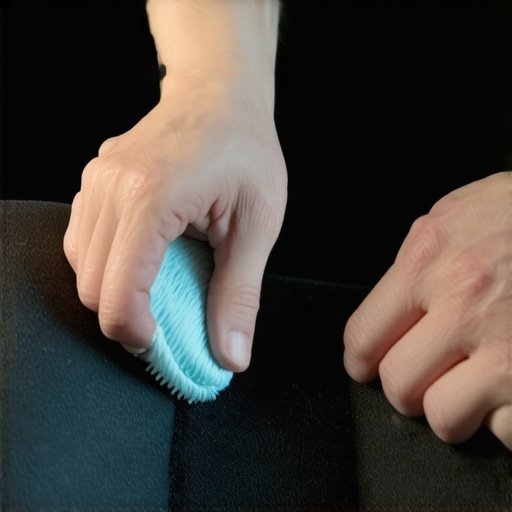
One morning, I grabbed a pair of dampened rubber cleaning gloves and ran my hands over the car seat. The pet hair clung to the gloves, making it easy to lift off in large clumps. The trick is to wear the gloves like a second skin and scrub in a circular motion. The rubber’s static-like properties attract fur, transforming a messy task into a quick swipe. I applied this method on my sofa, and within minutes, the thick layer of fur was noticeably reduced, leaving a clean, hair-free surface. This simple technique beats rolling and scraping endlessly, saving time and frustration.
Lint Rollers with a Twist
If you have a lint roller, use it in short, quick presses on the upholstery. For stubborn or embedded pet hair, freeze the roller briefly before rolling—this hardens the adhesive and increases its grip. Once frozen, apply it to the fabric with firm pressure, and you’ll notice fur lifting with less effort. I used this method on my car’s fabric seats after a weekend trip, and the fur came off in large chunks without damaging the material. Remember, checking the adhesive’s effectiveness prevents wasting time on ineffective pulls. Regularly replacing the sticky sheets ensures maximum grip and cleanliness.
Detergent-Slickened Sponge Technique
Another effective method involves dampening a non-abrasive sponge with a mixture of water and a small amount of dish soap. Gently glide the sponge across the upholstery, applying a little pressure to dislodge pet hair. The soap reduces static and helps release fur from fibers. When I cleaned my dog’s favorite armchair, a gentle swipe with this sponge eliminated a significant amount of pet hair with minimal effort. This technique is especially useful for delicate fabrics that could be harmed by rough tools. Finish by wiping the area with a dry cloth to remove residual soap and loosened fur. For detailed guidance, check out upholstery cleaning tips.
Use a Damp Microfiber Cloth
For quick touch-ups, a slightly damp microfiber cloth can trap pet hair effectively. Lightly mist the cloth with water or a mixture of water and a few drops of fabric softener to increase static attraction. Wipe over the surface in gentle strokes, and pet hair will cling to the cloth instead of dispersing into the air. On my last cleaning session, I utilized this method on my car’s headliner and dashboard, successfully removing stray fur. Microfiber cloths are reusable and eco-friendly, making them a practical choice for routine maintenance. Incorporate this step regularly to prevent fur buildup, especially in high-traffic pet areas.
Vacuum If You Have One, but Don’t Rely Solely on It
If you’re fortunate enough to own a handheld or portable vacuum, use it to pick up loosened pet hair after the above manual steps. Attach the brush or upholstery tool, and slowly pass over the fabrics. Bear in mind, vacuuming alone may miss embedded fur, so combine it with manual methods for optimal results. On one occasion, I vacuumed first then used rubber gloves, which made all the difference. Regular vacuuming, complemented by manual techniques, extends the lifespan of your furniture and ensures a thorough clean. For deeper insights, visit upholstery cleaning tips.
Maintain and Prevent Future Fur Accumulation
After cleaning, consider applying a fabric protector spray to resist pet hair adhesion in the future. Regular brushing of your pet also reduces the amount of loose fur that ends up on furniture and car seats. Place washable slipcovers or throws on frequently used upholstery to catch fur and make cleanup easier. In my experience, setting a weekly routine with these simple steps keeps furniture and car interiors looking fresh without the need for expensive gadgets. Consistency is key—quick daily or weekly touch-ups prevent overwhelming fur buildup, making each cleaning session more manageable.
Many homeowners operate under widespread misconceptions about effective cleaning strategies, especially regarding move-out cleaning, upholstery care, and sanitizing routines. These myths, if unchallenged, can lead to wasted time, unnecessary expenses, or even damage to your surfaces. For example, a common belief is that scrubbing harder always results in cleaner surfaces, but in reality, aggressive scrubbing can harm delicate fabrics and finishes, making them more susceptible to dirt and wear over time. According to professional cleaners, gentle but thorough techniques are more effective and preserve your belongings longer.
Why do many still believe vinegar is the ultimate sanitizer despite evidence to the contrary?
It’s a misconception that vinegar can kill all germs and bacteria, but studies from the University of California recommend using CDC-approved disinfectants for high-touch areas to ensure proper sanitation. Relying solely on natural remedies might leave your home vulnerable to unseen pathogens, especially during cold and flu seasons. Moreover, many assume that DIY solutions replace professional deep cleaning, but experts highlight that certain tasks—like removing stubborn stains from upholstery or thoroughly sanitizing move-out areas—benefit from specialized equipment and trained techniques. Skipping these can result in deposits of hidden grime or residual bacteria that compromise your home’s hygiene. Have you ever fallen into this trap? Let me know in the comments! Being aware of these misconceptions can improve your cleaning effectiveness significantly. For more insights, visit our comprehensive guide on house cleaning strategies to make your routine smarter, not harder. Remember, adopting accurate, science-backed methods ensures you maintain a healthier, fresher home environment while avoiding costly mistakes often made by well-meaning DIY enthusiasts.
Invest in Quality Equipment for Consistent Results
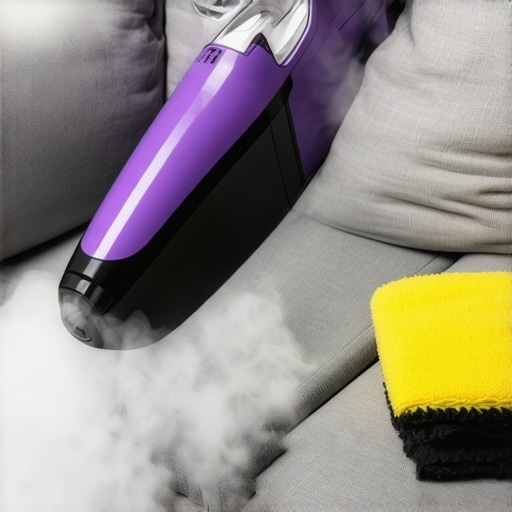
While DIY methods can work wonders, having the right tools ensures longevity and efficiency. I personally swear by a high-quality handheld steam cleaner, like the Dupray One Plus. Its versatility allows me to sanitize upholstery, remove stubborn stains, and kill bacteria without relying heavily on chemicals. The powerful steam penetrates deep into fabrics and carpets, making it ideal for maintaining a germ-free environment. Investing in durable microfiber cloths and extendable dusters also makes regular maintenance effortless, reducing the need for frequent deep cleans. As trends shift towards sustainable cleaning, eco-friendly tools that last longer are becoming increasingly popular, and I predict we’ll see even more innovative gadgets that combine power with environmental responsibility.
Streamline Your Cleaning Routine with Smart Planning
Establishing a long-term maintenance schedule prevents dirt and grime buildup. Using digital reminders or smartphone apps like our house cleaning strategies guide helps me stay on top of weekly and monthly tasks. Breaking tasks into manageable chunks—like dedicating 10 minutes each day to surface wiping or vacuuming high-traffic zones—makes the process less daunting. Incorporating routine sanitizing with disinfectant sprays, especially after pet visits or outdoor activities, maintains hygiene standards. In the future, I believe automation—like robotic vacuums integrated with home management systems—will become standard, further easing upkeep and freeing time for family or hobbies.
How do I maintain tools and prevent long-term issues?
Proper maintenance of your cleaning equipment is crucial. Rinsing microfiber cloths and brushes after each use, replacing filters regularly—like the vacuum filters guide recommends—and storing tools in dry, organized spaces extend their lifespan. For handheld steam cleaners, descaling every few months prevents mineral buildup, ensuring consistent performance. Using manufacturer-recommended cleaning agents and following manuals also reduces the risk of damage. This commitment to tool upkeep not only saves money over time but also guarantees each cleaning session is effective. Pro tip: Schedule quarterly tool check-ins to replace worn parts, similar to how professional cleaners prepare for big jobs—prepared tools make all the difference. Want more tips? Check our effective sanitizing methods that complement your tool maintenance routines.
Where do you see cleaning technology heading?
From robotic vacuums to app-controlled steam cleaners, the future points toward smarter, more autonomous cleaning solutions. I predict an era where devices communicate with each other seamlessly, offering real-time maintenance alerts and scheduling. This trend will likely include advanced sensors that detect dirt and bacteria levels, prompting immediate action. Staying ahead means investing in adaptable tools and embracing new tech for a healthier home. Make sure to explore innovations that fit your lifestyle, and don’t hesitate to incorporate AI-powered solutions to simplify your routine even further.
Remember, consistent maintenance with the right tools keeps your home inviting and safe. Try integrating a high-grade steam cleaner into your routine, and experience the difference firsthand. For detailed guidance on best practices, visit our ultimate upholstery care guide.
Lessons Hard-Earned in House Cleaning That Changed My Perspective
One of the most eye-opening lessons I had was realizing that over-relying on one tool, like the vacuum, often leads to missed spots and frustration. I discovered that combining manual techniques with equipment vastly improves results, especially for stubborn pet hair. Another insight was the importance of regular maintenance—tiny daily habits can keep the mess from becoming overwhelming. And perhaps most surprisingly, I learned that patience and gentle methods protect delicate fabrics, saving money and preserving the quality of my furniture and upholstery. These realizations transformed my routine from a tedious chore into a satisfying, effective practice that I genuinely enjoy.
Finally, I understood that knowledge is power—armed with the right techniques and mindset, I could face any cleaning challenge confidently, even in tight spaces or tough-to-reach corners.
My Go-To Resources for Upgrading Your Cleaning Skills
For anyone serious about mastering home maintenance, I recommend checking out The Ultimate Upholstery Care Guide. It’s packed with expert insights that help extend the life of your furniture. I also trust Effective Sanitizing Methods for practical tips on keeping your space hygienic without harsh chemicals. And don’t forget about our house cleaning strategies article, which offers a structured plan that makes routine upkeep manageable. These sources have genuinely elevated my cleaning game and can do the same for yours.
Revitalize Your Home With Small, Consistent Efforts
Your home’s cleanliness isn’t just about looking good—it’s about creating a sanctuary that energizes you. Start small: incorporate a quick wipe-down with a microfiber cloth into your daily routine, or schedule weekly upholstery refreshes using simple techniques I’ve shared. Remember, consistency beats intensity here. When you treat cleaning as an ongoing care practice rather than a weekend project, you’ll notice fewer stains, less pet hair, and a calmer living environment. The key is to see these acts not as chores but as acts of love for your space, turning maintenance into a mindful habit. Because when your environment feels good, your entire outlook improves, giving you more time and energy to focus on what truly matters.