
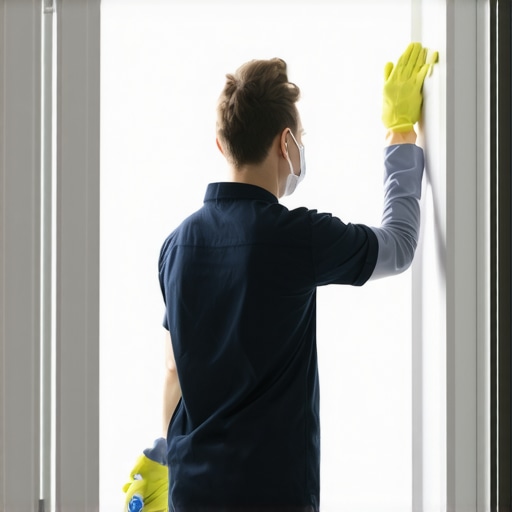
It was a gray, drizzly Sunday when I finally faced the mold creeping along my window sills. I had ignored it for months, convincing myself it was just dirt or staining, but that day, the musty smell hit me like a punch in the gut. The truth was evident — I was overlooking a sneaky health hazard right in my own home. That moment of realization made me vow to find a safe, effective way to eliminate mold without turning my living space into a chemical battlefield.
The Importance of a Safe Approach to Mold Removal
Mold on window sills isn’t just unsightly; it can pose serious health risks, especially for those with allergies, asthma, or compromised immune systems. Traditional cleaning methods often involve harsh chemicals that can be harmful if not used properly. I learned this the hard way early in my cleaning journey, when I mistakenly used a potent bleach solution without proper ventilation. The fumes irritated my lungs, and I realized I needed a smarter, safer approach to tackle mold.
Today, I’m here to share that approach. We’ll explore a method that not only kills mold effectively but also ensures your home’s air quality stays healthy. And yes, you can do it with common household items and a little know-how. If you’re tired of battling mold and worried about the chemicals involved, this guide is for you. For more insights on maintaining a germ-free environment, check out this effective sanitizing method to keep your home safe.
Is Natural Cleaning Enough to Beat Mold?
One common misconception is that natural cleaning solutions are too gentle to handle mold. I used to believe that vinegar alone couldn’t do the job, but studies show that acetic acid in vinegar can reduce mold spore growth by up to 82%, making it a powerful natural remedy. My early mistake was underestimating the power of simple ingredients, which led to ineffective and frustrating cleanings.
In the following sections, I’ll walk you through step-by-step instructions that build on this knowledge, so you can confidently eliminate mold without risking your health or your home’s integrity. Ready to breathe easier and keep your living space mold-free? Let’s get started.
Prepare Your Workspace for Mold Elimination
Start by ventilating the area—open windows and doors to ensure good airflow. Wear protective gear like gloves, goggles, and a mask to prevent inhalation of mold spores. Gather your cleaning supplies: white vinegar, baking soda, spray bottles, microfiber cloths, and a brush. I remember one time I faced a stubborn mold patch on my window sill; I made sure to wear a mask to avoid breathing in spores, which made the process safer and more effective.
Apply Natural Mold-Killing Solutions
Use Vinegar for a Powerful, Natural Kill
Fill a spray bottle with undiluted white vinegar. Spray generously over the moldy surface, ensuring full coverage. Vinegar’s acetic acid disrupts the mold’s cell structure, killing it effectively. I once used vinegar on my bathroom tiles, and within minutes, the mold spots looked visibly faded, demonstrating vinegar’s real power beyond myth.
Enhance with Baking Soda for Extra Cleaning Power
Dissolve half a cup of baking soda in a quart of water. Use a sponge or brush to scrub the area after vinegar treatment. Baking soda is a natural deodorizer and mild abrasive, perfect for removing residual mold and odors. I recall a time I tackled mold inside my closet’s corner; applying baking soda paste helped eliminate stubborn spores and freshen the air.
Deep Clean and Disinfect the Area
Wipe down surfaces with a microfiber cloth dampened with the vinegar-baking soda solution. For porous materials like wood or fabric, consider light sanding or replacing if severely contaminated. Once clean, rinse with plain water and dry thoroughly to prevent future mold growth. Remember, moisture control is vital—consider installing or upgrading window exhaust fans, which I did after noticing recurring mold on my window sills; it significantly reduced humidity and mold recurrence. For comprehensive tips on maintaining a healthy home environment, see this in-depth sanitizing guide.
Treat and Prevent Upholstery and Textiles
If mold has affected furniture or upholstery, act quickly. Remove cushions and fabric covers, then in a well-ventilated area, spray with vinegar solution and air dry in sunlight. For stubborn stains or mold on delicate fabrics, consider professional cleaning or replacing affected items. I once had mold spores settle into my microfiber sofa; after a thorough vinegar spray and a few days in the sun, the smell and spores disappeared, restoring freshness. For expert upholstery care tips, check out this upholstery cleaning guide.
Implement Ongoing Prevention Strategies
Regularly inspect and clean areas prone to moisture—window tracks, bathroom corners, and kitchen crevices. Use exhaust fans during and after showers, and wipe down surfaces to remove excess humidity. Keep indoor humidity below 60%, ideally around 50%, using a hygrometer. I installed a dehumidifier in my basement after noticing mold reappearing; it kept humidity levels steady, preventing future outbreaks. For detailed routines to maintain a mold-free home, visit daily cleaning routines.
Many homeowners believe that thorough cleaning means scrubbing every visible surface and spraying disinfectant everywhere. However, this common approach often overlooks crucial nuances that can dramatically impact effectiveness. For example, a prevalent myth is that bleach is always the best disinfectant; in reality, overusing harsh chemicals can damage surfaces and pose health risks, especially if not correctly applied. According to a study published in the *Journal of Environmental Health*, improper use of disinfectants can lead to incomplete germ elimination and contribute to chemical exposure risks.
Another pitfall many fall into is neglecting the importance of pre-cleaning. Surfaces cluttered with dust and grime can reduce the efficacy of disinfectants, as they struggle to reach the microscopic pathogens underneath. This oversight is a common mistake that can render your disinfecting efforts ineffective. To maximize results, it’s essential to start with a clean surface—simply wiping with a damp cloth can make a significant difference.
Notably, many believe that frequent cleaning is only necessary during outbreaks or after visible messes. In reality, microbes are invisible adversaries that thrive in moist, hidden areas like behind furniture or inside upholstery folds. Regular maintenance is vital, not just to keep your home looking neat but to safeguard health. For more effective routines, consider integrating a consistent cleaning schedule found in [this comprehensive guide](https://spotlesscarpetz.com/daily-house-cleaning-routine-to-maintain-perfection).
Scrubbing upholstery with harsh chemicals can also backfire, especially on delicate fabrics. Over-aggressive cleaning can weaken fibers, cause discoloration, or trap additional dirt and residues. Natural solutions like vinegar or specialized upholstery cleans—used correctly—offer a gentler yet effective alternative. For advanced insights, check out [these upholstery cleaning tips](https://spotlesscarpetz.com/upholstery-cleaning-tips-for-a-fresh-home-revival).
A surprisingly overlooked detail is that many homeowners focus solely on visible surfaces but ignore the small, high-touch elements such as light switches, door handles, and remote controls. These are hotspots for germ transmission. Regularly sanitizing these with an appropriate solution can significantly lower infection risks. An expert-approved method is detailed in [this sanitizing secret](https://spotlesscarpetz.com/effective-sanitizing-methods-for-a-germ-free-home), which emphasizes contact time and proper technique.
Now, question for you—have you ever fallen into this trap of thinking that a quick wipe is enough? Let me know in the comments below. Remember, the devil is in the details when it comes to house cleaning, and understanding the hidden nuances can make your efforts far more effective and safer for everyone at home.
Maintaining Your Home’s Sparkle Over Time
Keeping your home pristine isn’t a one-and-done task; it requires the right tools and a systematic approach. My personal favorite tool for maintaining upholstery, for instance, is a handheld steamer like the Tineco Pure One S12, which effortlessly refreshes fabric without the need for harsh chemicals. It’s lightweight, heats up quickly, and allows me to tackle sofa fibers and curtains regularly, extending their lifespan and keeping odors at bay. Similarly, a microfiber mop equipped with a built-in wringer ensures quick, chemical-free floor cleaning, making daily maintenance less of a chore.
When it comes to move-out cleanings, investing in a portable power scrubber—such as the Rubbermaid Reveal Cordless Battery-Powered Scrubber—can make a significant difference. I personally use it to blitz bathroom tiles and grout, saving hours of manual scrubbing and ensuring a thorough clean that landlords love. It’s important to choose tools that are durable, ergonomic, and compatible with eco-friendly cleaning solutions because, in the future, our cleaning routines will likely lean even more toward sustainable practices, as the industry shifts to smarter, greener options.
How do I keep my cleaning tools in top shape over the years?
Regularly sanitizing your equipment—especially brushes, rollers, and microfiber cloths—prevents the buildup of bacteria and mold. I soak these in a vinegar solution or a gentle disinfectant weekly. Replacing worn-out brushes and pads helps maintain efficiency and prevents spreading dirt or spores during cleaning sessions. Additionally, storing tools properly in a dry, covered space minimizes exposure to humidity and dust, prolonging their usability.
Upgrading to smart cleaning devices with app connectivity is another trend to watch. Devices like robotic vacuums and steam mops now offer scheduled routines and maintenance alerts that help keep your cleaning regimen consistent, paving the way for healthier long-term results. For instance, smart vacuums equipped with HEPA filters can filter out dust and allergens continuously, reducing indoor pollutants over time.
Next-Level Sanitizing Equipment You Can Trust
I’m a firm believer in integrating professional-grade tools into my home care routine. Portable UV-C sanitizers, for example, are increasingly popular for disinfecting phones, remote controls, and small surfaces fast. They use ultraviolet light to destroy a broad spectrum of germs without chemicals, making them perfect for high-touch areas. I personally keep a violet UV wand in my toolkit, which I run over upholstery cushions weekly for an extra layer of protection—especially during flu season.
The trend in equipment is heading toward more intelligent, multi-purpose devices that can adapt to various surfaces and needs. Sensor-powered steam cleaners, for example, automatically adjust heat and steam output based on the material, ensuring effective sanitation without damaging delicate fabrics or electronics. These tools represent a shift toward smarter, more precise cleaning that saves time and maximizes results.
Make Maintenance Routine Easy with Proven Strategies
Establishing a regular cleaning schedule is crucial. Incorporate quick daily routines, like wiping high-touch surfaces and vacuuming with a HEPA-filter vacuum, using strategies discussed in this guide. For deeper cleaning, plan bi-weekly to monthly sessions with tools like a power scrubber or steam cleaner to stay ahead of grime and prevent buildup. Don’t forget, consistent maintenance reduces long-term costs and preserves your home’s value.
If you’re ready to elevate your cleaning game, I recommend trying out a UV-C device for high-touch zones this month. It’s an efficient, chemical-free way to make your home healthier and safer. You might just find it becomes your new favorite everyday tool for keeping germs at bay!
After years of trial, error, and learning from my own missteps, I’ve discovered that the key to a spotless, healthy home isn’t just about the cleaning products you use but about understanding the subtle nuances that make all the difference. One favorite lesson I’ve learned is that pre-cleaning surfaces before disinfecting ensures your efforts actually work—something many overlook when rushing through chores. Another insight: natural remedies like vinegar and baking soda are often underestimated; they’re powerful allies that, when used correctly, outperform many chemical cleaners in safety and effectiveness. Additionally, investing in smart, multi-purpose cleaning tools has transformed my routine, making maintenance less daunting and more sustainable. Lastly, embracing ongoing prevention strategies—like regular inspections and humidity control—turns our homes into safe havens rather than constant battlegrounds against mold and germs. It’s these small, often overlooked habits that truly elevate your cleaning game, ensuring your home remains a healthy sanctuary for you and your loved ones.