
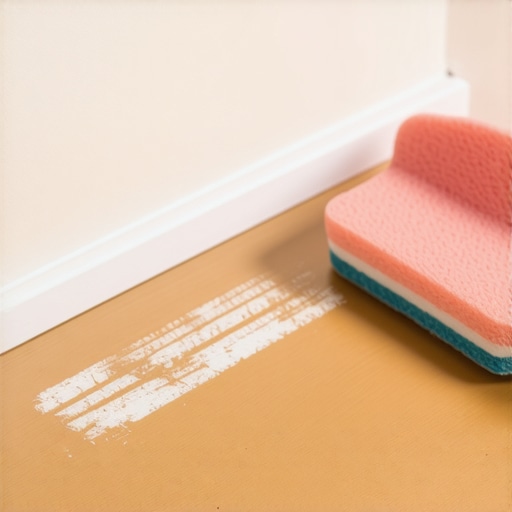
I remember the first time I caught my little one coloring all over the baseboards—right at eye level, bright reds and electric blues splattered along the pristine white trim. My heart skipped a beat; panic set in. It wasn’t just a simple smudge; it felt like a personal affront to my carefully curated home. I grabbed the nearest cloth, frantically rubbing, only to realize I was making it worse. Sound familiar? If you’ve ever faced a similar crayon-mess situation, you’re not alone. Many of us have been there, helplessly trying to erase stubborn marks from overlooked spots.
Why Crayon Marks on Baseboards Can Feel Like a Homeowner’s Nightmare
Crayon stains on baseboards are more than just a minor annoyance—they can turn into a real decorating dilemma. Our baseboards serve as a visual boundary, a clean line that frames the room. When coated with colorful crayon scribbles, they instantly make your space look neglected and less inviting. Plus, removing these marks often feels like an uphill battle. The frustration can grow, especially when traditional cleaning methods fail to do the trick.
But here’s the thing—there’s a quick, effective way to tackle this. I’ve discovered a simple technique that not only saves time but also prevents the risk of damaging your woodwork. Whether you’re prepping for a move-out inspection, tidying up before guests arrive, or just tired of looking at those stubborn marks, this method works wonders. After trying countless hacks over the years, I can confidently say that using the right combination of common household items makes all the difference.
Curious? Stick with me, and I’ll walk you through a fast, foolproof solution that will have your baseboards looking fresh and clean in no time.
Is This Crayon-Cleaning Trick Actually Worth the Hype?
Early on, I made a mistake that almost made me give up: I tried employing harsh chemicals like bleach and abrasive scrubbers. Not only did they strip the finish, but they also created more work in the long run. It took some trial and error, plus a bit of online research—like reading expert recommendations—that helped me find the gentle yet effective approach I’m about to share.
If you’ve been hesitant, worried about damaging your baseboards or making the mess worse, I understand. But rest assured, the method I swear by is safe for most painted and stained wood surfaces. And the best part? It takes just a handful of ingredients you already have at home.
Ready to put an end to those colorful chaos marks? Let’s dive into the step-by-step process that has saved my walls—and my sanity. And if you want to explore more expert tips on keeping your home spotless, don’t forget to check out [these upholstery cleaning secrets](https://spotlesscarpetz.com/upholstery-cleaning-tips-for-a-fresh-home-revival)!
Prepare Your Workspace for Safe Cleaning
Before starting, clear the area around your baseboards and lay down a towel or plastic sheet to catch drips. Wearing rubber gloves helps protect your skin from potential irritants in cleaning agents. I recall a time when I tried to clean a stubborn crayon mark without proper preparation, only to get paint splatters everywhere—lesson learned: prep is key.
Select the Right Cleaning Agents and Tools
Gather mild dish soap, white vinegar, baking soda, and a soft microfiber cloth. For tougher stains, opt for a magic eraser or a soft toothbrush. I once used a damp microfiber cloth alone, but the crayon came back within days. Combining gentle agents with appropriate tools makes a noticeable difference.
Apply a Gentle Cleaning Solution
Use Vinegar and Water Mixture
Mix equal parts white vinegar and warm water. Dip your microfiber cloth into the solution, wring out excess liquid, and gently wipe the crayon-stained area. This method works because vinegar dissolves the waxy pigments without harming the paint or finish. I experimented during a messy weekend project, and after a few gentle wipes, the colors faded significantly.
For Persistent Marks, Use Baking Soda Paste
Create a paste by mixing baking soda with a small amount of water. Apply the paste directly onto the crayon marks and let it sit for 5 minutes. Then, scrub gently with a soft toothbrush. The mild abrasiveness helps lift stubborn stains without scratching the surface. I vividly remember the satisfaction of seeing the vibrant crayons vanish after this step.
Gently Scrub and Rinse
Use a clean, damp microfiber cloth to wipe away the residue. Avoid soaking the baseboards, as excess moisture can damage painted wood. Change cloths frequently to prevent spreading dirt. When I tackled my son’s latest masterpiece, this careful approach prevented any paint damage and restored my baseboards’ pristine look.
Dry and Finish with a Protectant
Once the crayon stains are gone, dry the area with a clean towel to prevent moisture buildup. Applying a wood-friendly polish or furniture wax can help protect the surface from future marks. After finishing, I noticed my baseboards looked brighter and more polished, making my entire room feel renewed.
Tips for Preventing Future Crayon Mishaps
Encourage your children to use paper or coloring books. Install protective trim or clear contact paper along the baseboards for an extra layer of defense. And when accidental marks happen, quick action using these steps will save time and preserve your home’s beauty. For more expert advice on home maintenance, explore cleaning secrets from professionals.
When it comes to keeping our homes spotless, many of us operate under misconceptions that can undermine our efforts. One prevalent myth is that using powerful chemical cleaners always results in a deeper clean. In reality, over-reliance on harsh chemicals can damage surfaces and compromise indoor air quality, leading to health issues over time. Experts recommend gentle, targeted cleaning methods, such as using vinegar and baking soda, which are just as effective and environmentally friendly.
Why Do So Many Believe Size Matters More Than Technique?
Many assume that scrubbing harder or using stronger cleaners will deliver superior results, but this often causes surface damage or incomplete removal of grime. Instead, focusing on proper technique, such as allowing cleaners to dwell and using appropriate tools, yields better outcomes. Studies show that superficial scrubbing can embed dirt deeper into fibers or crevices, especially in upholstery and carpets, making it even harder to achieve a truly clean space. Discover more advanced upholstery cleaning secrets here. A common mistake many homeowners make is neglecting the intricate parts of the home, like vents, behind appliances, or under furniture, which become bacterial hotspots. This oversight compromises sanitation, despite visible cleanliness elsewhere. To truly elevate your cleaning game, pay attention to these hidden areas, as recommended by industry experts.
For example, sanitize high-touch surfaces regularly with proper disinfectants, avoiding overuse of disinfectant sprays that can be ineffective or spread germs if used improperly. Learn more about effective sanitizing techniques here.
Another oft-overlooked nuance is the timing of cleaning activities. Many believe that cleaning immediately after a spill or mess is best, but waiting for surfaces to dry or for the right moment can enhance effectiveness and prevent damage. For delicate fabrics like silk or velvet, using steam cleaning or harsh chemicals can do more harm than good. Instead, understanding the specific needs of each material and applying tailored cleaning solutions is key. Check out expert insights on cleaning delicate fabrics here. Remember, rushing the process or using one-size-fits-all products often leads to subpar results and may even worsen the mess. Take the time to assess the surface and choose the appropriate method to ensure a thorough, safe clean. So, next time you tackle a cleaning project, ask yourself—are you falling into any of these common traps? Have you ever fallen into this trap? Let me know in the comments.Maintaining a clean and inviting home requires more than just determination—it demands the right tools and consistent methods. Over the years, I’ve refined my arsenal to include equipment that ensures efficiency and effectiveness, from specialized cleaning devices to smart organizational techniques. Investing in high-quality tools pays off in the long run, making every cleaning session quicker and delivering better results.
One indispensable piece of equipment I rely on is a **HEPA-filter vacuum cleaner**. Unlike standard vacuums, a HEPA filter traps tiny particles like allergens and pet dander, which is crucial for maintaining indoor air quality, especially for allergy sufferers. I personally switched to a **Dyson V11** because of its powerful suction and versatile attachments, allowing me to tackle carpets, upholstery, and hard-to-reach corners effortlessly. Using such a device regularly prevents buildup and keeps my home environment healthier.
For upholstery and fabric surfaces, I recommend a **portable steam cleaner**. Unlike chemical sprays, steam sanitizes deep into fibers without leaving residues, which is vital for furniture, curtains, and even mattresses. Based on my experience, a **Bissell SteamShot** provides the right balance of portability and power. Regular steam cleaning not only removes dirt and germs but also helps maintain the fabric’s texture over time.
Long-term results depend heavily on consistent maintenance routines. I schedule weekly sessions for vacuuming and bi-weekly steam treatments, which prevent dirt from embedding and deepen the cleanliness. Additionally, implementing a **color-coded microfiber cloth system** helps avoid cross-contamination between surfaces. Microfiber cloths are more effective than cotton rags because they trap more dirt and require less cleaning solution, making them an eco-friendly choice.
Looking ahead, I believe the trend toward **smart cleaning devices** will continue to grow. Innovations like robotic vacuums with mapping technology and app integration are making home maintenance more autonomous and precise. For instance, setting a robotic cleaner to run during off-hours ensures my floors are consistently maintained without manual effort. In fact, I’ve noticed that regularly scheduled cleanings with such devices substantially reduce the need for intensive periodic deep cleans.
### How do I maintain tools like vacuum cleaners and steamers over time?
Proper maintenance extends the lifespan and effectiveness of your cleaning investments. For vacuums, I recommend regularly replacing filters as per the manufacturer’s instructions and checking for blockages in the suction pathways—this can often be overlooked but is essential for optimal performance. For steam cleaners, flushing out mineral deposits with distilled water and inspecting seals keeps pressure consistent and prevents leaks. Cleaning brushes and nozzles after each use also prevents buildup that can reduce their efficiency.
For a comprehensive approach, consider creating a simple maintenance log. Record when filters are replaced or when parts need servicing. This proactive approach ensures your equipment remains reliable and effective, saving money over time. If you’d like a tailored plan, reach out through [our contact page](https://spotlesscarpetz.com/contact-us) for expert guidance.
By investing in the right equipment and adopting disciplined maintenance routines, you’ll enjoy a cleaner, healthier home with less stress and more free time. Don’t forget—regular upkeep of your tools is just as important as using them correctly. Start including these habits today to keep your house truly spotless and welcoming.
What I Wish I’d Known About Real Home Cleaning Secrets
One of the most valuable lessons I learned is that perfection isn’t about using the harshest chemicals but about understanding the nuances of each surface and stain. I used to believe that scrubbing harder would fix everything, but I discovered that patience and the right tools make a world of difference.
Another insight is that routine maintenance often saves time and effort in the long run. Spot cleaning minor messes immediately prevents them from becoming stubborn stains, especially on upholstery or baseboards. Trust me—small daily actions add up to a significant difference.
Lastly, I learned that sometimes less is more. Overusing cleaning products can damage delicate materials and reduce their lifespan. Gentle, targeted solutions like white vinegar and baking soda have become my go-to, proving that natural remedies can be just as effective when applied with care.