
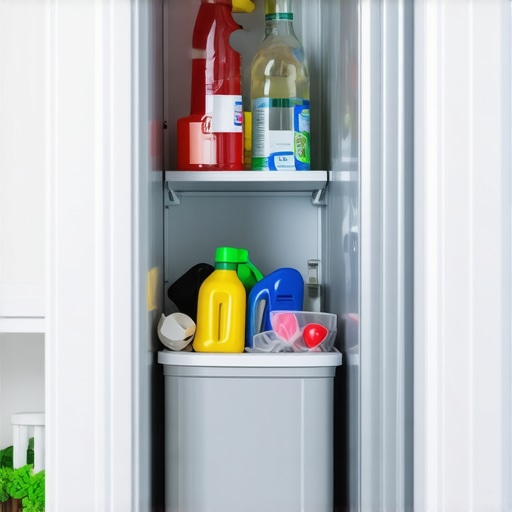
Have you ever bent down to clean behind your refrigerator and suddenly recoiled at the layer of dust, crumbs, or even mold that greets you? It’s that nagging realization that there’s this overlooked, tucked-away spot in our homes that’s quietly collecting debris—yet we rarely give it a second thought. I used to brush it off as just part of the “forgotten corners,” until one day I noticed a terrible musty smell emanating from my kitchen. That’s when I finally peeked behind my fridge, and let me tell you, what I found was a mess that no amount of surface cleaning could fix.
Why this neglected spot is more than just an unsightly mess
It’s easy to focus on the visible surfaces—our countertops, floors, and bathrooms—because we see them every day. But those dusty or grimy zones behind the fridge? They’re the quiet culprits that can cause subtle but persistent issues. Dust, pet hair, and food crumbs tend to accumulate out of sight, creating a breeding ground for bacteria, mold, and even pests if left unchecked. Over time, this can compromise your home’s hygiene and even affect your health.
I made a costly mistake early on: I believed a quick sweep in the open areas was enough. I didn’t realize that neglecting behind the fridge was like leaving a health time bomb ticking. Regular cleaning of these hidden spots wasn’t just about aesthetics; it’s about creating a truly healthy home environment.
Curious if your home might be harboring similar sneaky dirt traps? Well, today we’re going to tackle one of the most overlooked yet vital cleaning tasks—getting rid of that buildup behind your fridge. Stick around, because I’ll walk you through simple steps that will not only improve your home’s cleanliness but also your indoor air quality.
Is focusing on hidden spots worth the effort or just a waste of time?
I remember thinking, “It’s not that bad,” the first few times I ignored behind the fridge. But that attitude cost me a lot over the years, including extra dust in the air and a persistent odor. The real truth is, paying attention to these unseen areas is a game-changer. If you’ve ever wondered whether deep cleaning every nook is really necessary, I’ll assure you—it absolutely is. And I’ll prove it with straightforward, effective tips that anyone can follow.
Pull Out Your Appliance Carefully
Start by unplugging your fridge to ensure safety. Move it away from the wall gently, using furniture sliders or a dolly if necessary—think of it like moving a heavy piece of furniture carefully rather than dragging it across the floor, which can damage your flooring and strain your back.
Gather Your Cleaning Tools
Prepare a microfiber cloth, a long-handled duster or vacuum with a crevice attachment, a mild cleaning solution, and rubber gloves. This setup ensures you can reach tight spots without spreading dust or grime everywhere, similar to using a paintbrush to reach into small crevices in a craft project.
Remove Debris and Dust
Use the vacuum with a narrow attachment or a long duster to loosen and remove loose dust, pet hair, or crumbs. Imagine you’re gently teasing out dirt from the fibers of a rug—that’s exactly how you should approach delicate surfaces or hidden corners, as in house cleaning secrets.
Clean the Surface and Walls
Dampens a microfiber cloth with a mild cleaning solution—vinegar diluted with water works well—and wipe down the back and sides of the fridge. Be thorough but gentle, like cleaning delicate jewelry—you want to remove grime without scratching surfaces. For stubborn spots, let the cleaner sit for a minute to loosen dirt.
Check and Clean the Condenser Coils
Locate the coils typically at the back or underneath the fridge. Use a coil brush or a soft vacuum attachment to remove dust buildup—think of this as giving your appliance a breath of fresh air, which directly improves its efficiency. Regular coil cleaning can extend your fridge’s lifespan and reduce energy bills.
Replace and Push Back Gently
Once everything is clean, carefully push the fridge back into place. Use the sliders or helpers to avoid scratching your flooring or injuring yourself. Plug in the appliance only after it’s securely positioned. This simple step ensures your appliance operates smoothly and quietly.
Establish a Regular Cleaning Routine
Schedule monthly checks behind and underneath appliances, just like rotating your mattress or cleaning your air filters. This keeps dust and debris from accumulating into bigger health or appliance issues over time.
Remember, maintaining the hidden areas of your home not only improves its cleanliness but can also prevent costly repairs and health problems. For more tips on deep cleaning, check out upholstery cleaning tips or explore sanitizing hacks for your home here.
While many assume that a simple surface wipe is sufficient for upholstery maintenance or move-out cleaning, this oversimplification can lead to overlooked damages and hygiene issues. A prevalent misconception is that all cleaning agents are universally safe and effective; in reality, selecting inappropriate cleaners can damage delicate fabrics or trap dirt deeper into fibers, making stains worse and reducing furniture lifespan. For instance, using harsh chemicals on natural fibers might weaken their structure or cause discoloration, which is why understanding fabric-specific cleaning techniques is crucial—consulting resources like upholstery cleaning tips can save your investment. Moreover, many overlook the importance of proper brushing and vacuuming before applying any liquids, which enhances dirt removal without embedding particles further. A common myth posits that frequent, aggressive scrubbing improves cleanliness; however, this can damage fibers and lead to premature wear. Instead, gentle, consistent maintenance preserves fabric integrity. When preparing for move-out cleaning, many neglect to address hidden areas like under cushions or behind furniture, risking deductions on security deposits. Regular deep cleans help prevent this, but many are unaware that products like enzyme-based cleaners effectively neutralize pet odors and organic stains deeper within fibers—see house cleaning secrets for more insights. A crucial nuance involves sanitizing porous surfaces—ordinary disinfectants often fail against bacteria embedded within fabric pores, as highlighted by experts; choosing appropriate antimicrobial agents tailored for upholstery ensures better hygiene. Do you know the difference between cleaning and sanitizing? Making this distinction can drastically improve your results and health outcomes, especially in high-use areas. Remember, rushing through stain removal or using incompatible cleaning tools can trap grime or cause discoloration — a costly mistake many make. Instead, adopt a methodical approach: vacuum thoroughly, use fabric-appropriate cleaners, and test on inconspicuous areas first. Have you ever fallen into this trap? Let me know in the comments. For comprehensive strategies, it’s worth exploring move-out cleaning strategies and deepen your understanding of proper techniques.
Investing in Durable Tools for Consistent Results
Keeping your home pristine over time requires the right equipment that can withstand frequent use. I personally swear by a high-quality handheld steam cleaner like the McCulloch MC1275, because its powerful steam output effectively loosens dirt and kills germs without the need for harsh chemicals. Unlike generic handheld steamers, this model features a substantial boiler capacity and a wide array of attachments, making deep cleaning upholstery, grout, and hard-to-reach corners effortless. Investing in reliable tools reduces the frequency of needing professional interventions and ensures your home stays healthy year-round.
Regular Maintenance Practices Extend Your Cleaning Results
Establishing a routine—such as a monthly deep clean—keeps dirt, dust, and allergens at bay. For upholstery, simple techniques like using a stiff-bristled brush in combination with enzyme-based cleaners (like enzyme sprays designed for pet stains) can maintain fabric freshness without damaging fibers. This proactive approach prevents stubborn stains from settling and deepening, which would otherwise require intensive or costly treatments. Remember, consistency is key—set reminders to revisit these tasks, just like changing air filters or inspecting seals on appliances.
Utilize Smart Scheduling and Tracking
Beyond manual tools, I use digital scheduling apps like Todoist to plan weekly check-ins on areas prone to buildup, such as under appliances or behind furniture. This helps prevent neglected spots from turning into pest or mold hotspots. Additionally, documenting when you last cleaned certain areas enables you to predict future needs more accurately, thereby optimizing your efforts and resources. As technology advances, future trends suggest integrative cleaning devices equipped with sensors that alert you when dust or bacteria levels reach critical thresholds—taking maintenance to the next level.
How do I maintain my cleaning routine consistently over time?
One effective method is to set specific, achievable goals, such as completing a 15-minute task every Saturday. Pair this habit with using specialized tools like microfiber cloths, which I opt for due to their durability and superior dirt-trapping capabilities compared to paper towels. For example, high-quality microfiber can last hundreds of washes, maintaining their effectiveness and reducing waste. Remember, a well-maintained toolkit not only helps you achieve better results but also extends the lifespan of your furniture and appliances. To reinforce this habit, I recommend checking out effective house cleaning secrets for expert strategies on staying on schedule.”}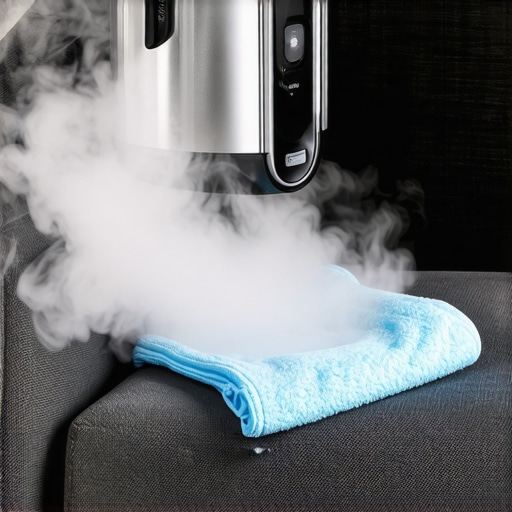
The Hardest Lesson I Learned About Upholstery and Deep Cleaning
One eye-opening realization was that surface cleaning isn’t enough—dirty, neglected spots like behind the fridge or beneath furniture silently impact our health. I used to overlook these areas, assuming regular maintenance sufficed, but deep down, I knew better. Through experience, I discovered that addressing these hidden zones prevents mold growth, pest infestations, and persistent odors, saving me money and stress in the long run.
Hidden Tools That Transformed My Cleaning Routine
Investing in quality tools such as a microfiber cloth, a coil brush, and a high-powered handheld steam cleaner revolutionized my approach. These aren’t just gadgets; they’re allies in fighting grime more efficiently and gently—helping protect delicate fabrics and surfaces. I trust brands with proven durability and performance, like the McCulloch MC1275, because reliable equipment encourages regular, thorough cleaning without frustration or damage.
Feeling Empowered to Tackle the Tough Spots
One of the biggest insights was that consistent, little efforts—like monthly behind-the-appliance checks—compound over time, significantly improving indoor air quality. Setting simple routines, using the right cleaning agents, and scheduling reminders make deep cleaning manageable and satisfying. Remember, embracing these habits doesn’t just keep your home beautiful; it fosters a healthier environment for everyone inside.