

It was late at night, I opened my kitchen door and was greeted by that familiar, unwelcome aroma—like spoiled leftovers and a hint of rotten eggs. My stomach twisted, and the urge to run for air hit me hard. Turns out, my beloved garbage disposal had become a foul source of household chaos, just when I needed it least. For years, I believed harsh chemical cleaners were the only remedy, but I kept wondering: Could there be a more natural, safer way to refresh this annoying oven of smell?
If you’ve ever faced that sudden, pungent surprise only to realize your disposal’s odor is taking over, you’re not alone. Many homeowners underestimate the power of natural solutions, and I was no different. Early on, I made the mistake of using store-bought chemical fresheners that added more chemicals to my home environment, which I now know can be harmful and often only mask the smell temporarily.
Today, I promise to share what truly works—methods rooted in environmentally friendly practices and proven to eliminate odors at their source. Whether you’re preparing for a move-out or just tired of that persistent stench, these tips will help you restore freshness naturally.
Why Conventional Cleaners Might Be Making Things Worse
Is Your Chemical Cleaner Just Covering Up the Problem?
Despite their widespread use, many commercial cleaners contain synthetic fragrances and harsh chemicals that can irritate your respiratory system and leave residues in your disposal. In fact, a study published by the Environmental Working Group highlights how some common cleaning agents contain ingredients linked to allergies and asthma. I learned this the hard way when my chemical spree didn’t erase the smell, only layered it with new fragrances and toxins.
The biggest mistake I made early on was believing that more aggressive chemicals meant better results. But in reality, overusing harsh cleaners can cause buildup inside the disposal, creating a breeding ground for bacteria, which contribute heavily to the foul odors we all dread. Instead, embracing natural solutions like baking soda and vinegar has transformed my approach.
If you’re skeptical, I get it. Natural smells can seem less effective, but with the right technique, they are just as powerful—if not more. Curious to see how? Let’s get into the simple, safe methods I’ve perfected over time.
Start with a Baking Soda Foundation
Pour half a cup of baking soda into the disposal drain, then follow with boiling water. The abrasive texture of baking soda helps scrub away odor-causing buildup while the hot water flushes out residues. I remember doing this after a particularly pungent weekend, and within minutes, the smell was noticeably reduced.
Use Vinegar and Ice Cubes for Mechanical Cleaning
Fill ice cube trays with white vinegar and freeze. Once solid, toss a few ice cubes into the disposal and run it. The ice sharpens the blades, while vinegar cuts through grease and grime. During a move-out cleaning, this two-step process efficiently restored my disposal’s freshness without harsh chemicals.
Try Citrus for a Natural Freshness Boost
Drop lemon or orange peels into the disposal and run it with cold water. The natural oils and fresh scent of citrus mask lingering odors instantly. I often do this before guests arrive, and it leaves my kitchen smelling vibrant and clean.
Maintain Regular Cleaning Schedule
To prevent odors from building up, perform this cleaning routine weekly. Regular maintenance avoids the accumulation of debris that traps foul smells. For comprehensive move-out cleaning strategies, check out this guide.
Address Hidden Culprits in Your Kitchen
Beyond the disposal, ensure that nearby areas like the sink trap and vent canisters are also clean. Grease and grime hide in these spots and can reintroduce odors even after disposal cleaning. Follow specific methods such as the laundry room cleaning tips to tackle these sneaky spots.
Consider Upholstery and Soft Surface Freshening
Odors from kitchen fabrics or nearby upholstery can seep into the air, making your space smell worse. Using gentle, natural sprays on cushions and curtains can improve overall freshness. For special tips, visit upholstery cleaning tips.
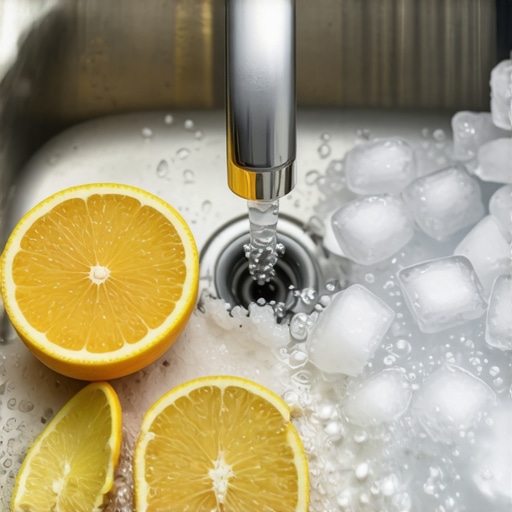
Use a visual guide to see the proper way of deploying ice cubes and citrus peels in your disposal to maximize odor removal.
Many homeowners and renters assume they fully understand the nuances of professional cleaning, but crucial misconceptions persist that can jeopardize security deposits and compromise home hygiene. First, there’s the myth that a surface-level clean suffices for move-out inspections. In reality, hidden dirt and grime in overlooked areas like vent grilles or behind appliances often cause deposit disputes. For example, neglecting those spaces, as detailed in Laundry Room Grime, can lead to deductions.
Another common misconception revolves around upholstery cleaning. Many believe that regular vacuuming is enough to maintain fabric freshness. However, experts warn that certain pet and human stains require specialized treatments, like microbiome-safe enzymatic cleaning, to effectively eliminate odors without damaging fibers. A mistake to avoid is overusing generic sprays which may lock-in odors or cause discoloration, as discussed in Upholstery and Alcohol. Proper cleaning means understanding fabric types and choosing appropriate solutions—an advanced step most overlook.
Switching gears, many underestimate the importance of sanitization beyond visible cleanliness. For instance, sanitizing high-touch areas with effective methods like UV-C sterilization or applying EPA-registered disinfectants is essential, especially during health crises. The misconception that wiping surfaces with soap and water suffices is outdated, as antimicrobial efficacy varies. Dive into effective sanitizing hacks for deeper insights.
What about common pitfalls? An Maintaining a spotless home over time requires investing in the right tools and adopting effective routines. Personally, I rely heavily on a high-quality microfiber steam mop. Unlike traditional mops, my steam cleaner uses 6 bars of pressure and precise temperature control to sanitize floors without chemical residues, which is crucial for households with pets or allergy sufferers. I prefer models with removable, washable pads for sustainability and cost-efficiency.
For upholstery, I swear by a portable upholstery steam cleaner equipped with a microfiber attachment. It’s gentle on fabrics yet tough enough to eliminate deep-seated odors, especially when combined with natural cleaning solutions like enzyme-based sprays. For example, I recommend the tips from upholstery experts that highlight the importance of tailored cleaning tools for different fabric types.
Beyond equipment, software like digital scheduling apps helps me keep track of weekly maintenance routines. Setting recurring reminders for tasks like sanitizing high-touch areas with EPA-registered disinfectants ensures consistent upkeep, which is key to long-term results. I also keep a log of cleaning products and their efficacy, so I can optimize my method over time.
Looking ahead, I predict a rise in AI-powered cleaning robots that learn your home’s unique layout and adjust cleaning patterns dynamically. This trend promises to make maintenance more effortless and thorough, especially for hard-to-reach spots.
**How do I maintain my cleaning tools over time?** Regular descaling of appliances like steam cleaners with vinegar solutions prevents mineral buildup, ensuring optimal performance. Plus, storing tools properly—drying them thoroughly and keeping them in designated spaces—extends their lifespan. If you want a comprehensive guide on maintaining your equipment, consider visiting our contact page.
To get immediate results, try applying a deep-cleaning cycle on your steam mop once a month. This simple step will keep your equipment working efficiently, making your home truly sparkle with minimal effort.
Throughout my journey into eco-friendly cleaning, I discovered that the path to a fresh home isn’t paved with harsh chemicals but with simple, effective natural remedies. One key insight was realizing that many misconceptions about move-out cleaning—like the belief that chemical cleaners are always better—can actually hinder your efforts. Instead, embracing techniques like using baking soda, vinegar, and citrus not only saves you money but also creates a healthier living environment. Additionally, personal experiences taught me that regular maintenance and paying attention to often-overlooked spots, such as vent grilles and behind appliances, make all the difference in securing your full deposit and ensuring a truly clean home. The lessons learned emphasize that patience and consistency, combined with natural solutions, lead to results that are safer for you and the planet. Knowledge gained from trusted sources like cleaning experts has transformed my approach and can do the same for you.