
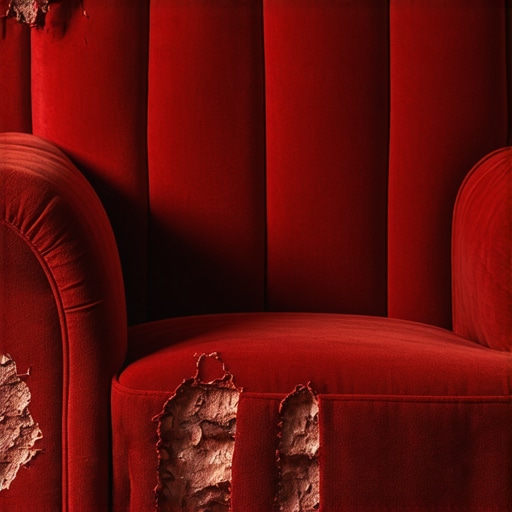
It was a typical weekend afternoon when I finally decided to give my cherished velvet armchair a thorough clean. I grabbed my trusty vacuum, carefully went over every inch, and then reached for the furniture cleaner I swore by. But moments later, I noticed it—rough patches forming where the plush should have been velvety smooth. My heart sank. That lightbulb moment hit me: I had made a crucial mistake, one that I later learned ruins the very texture of velvet furniture.
Why Your Velvet Chairs Might Be Losing Their Softness Without You Realizing
Many homeowners overlook a simple yet devastating mistake: using harsh cleaning products or over-aggressive brushing that damages the delicate fibers of velvet. This oversight can turn an inviting, luxurious piece into something stiff and unattractive over time. I’ve been there, and I know how frustrating it can be—especially after investing so much into those furniture pieces. The good news? With the right techniques, you can restore and maintain that irresistible softness.
Are you tired of velvet furniture that feels more like cardboard than velvet? That’s a common issue, but it doesn’t have to be permanent. Before jumping into cleaning, it’s essential to understand what causes this damage and how to avoid it. Remember, even the most vibrant homes can fall victim to the hazards of improper care. According to a study published in the *Journal of Textile Conservation*, abrasive cleaning methods are among the leading causes of fiber damage in delicate upholstery materials. Knowing this, I set out to find safer, more effective ways to care for my velvet.
In this post, I will share tested tactics for preserving your velvet’s plush texture and tips I wish I had known when I first faced this problem. Whether you want to extend the life of your favorite couch or just keep your chairs looking fresh, these insights will help you avoid the pitfalls that lead to texture ruin. Curious to find out what the most common mistake is and how to prevent it? Keep reading—you’re about to discover expert secrets that can save your velvet furniture from damage and restore that luxurious feel.
Handle with Care: Preparing to Clean Velvet
Before you start, gently vacuum your velvet furniture using a soft brush attachment to remove surface dust and loose debris. Think of this step as brushing a dog’s coat before a bath—it’s about preparation, not deep cleaning. When I cleaned my velvet chair last year, I realized skipping this step left dirt embedded deeper, making restoration harder. Use a gentle vacuum setting and ensure no excessive pressure.
Choose the Right Cleaning Solutions and Tools
Opt for a mild dish soap mixed with warm water or a dedicated upholstery cleaner formulated for delicate fabrics. Avoid harsh chemicals like bleach or solvent-based products—they can strip the fabric’s natural sheen and cause stiff patches. I previously attempted a homemade solution with vinegar, but it caused discoloration. Instead, test any cleaner on an inconspicuous area first to check for colorfastness. Tools such as a clean sponge or microfiber cloth are preferable; avoid rough brushes or abrasive pads that can damage fibers.
Test, Start, and Gently Clean
Always perform a patch test in a hidden corner to see how the fabric reacts. Dampen your cloth with the cleaning solution—not soaked—and gently blot small areas. Think of this as petting a delicate kitten—light, respectful touches prevent damage. During my last cleaning, I used a damp microfiber cloth, which picked up dirt without leaving water marks. Never oversaturate velvet; excess moisture can lead to water spots or fiber stiffening. Use a light, consistent motion and work in sections.
Address Stains Without Damage
For stubborn stains like wine or ink, apply a small amount of the cleaning solution directly onto the spot. Use a soft cloth to gently dab; don’t rub. Rubbing can worsen the stain or push it deeper. I once successfully removed a red wine stain by dabbing with a solution of water and mild dish soap, followed by blotting with a dry cloth. Always avoid harsh scrubbing and remember to be patient—stains often require multiple gentle attempts.
Dry and Restore the Plush Texture
After cleaning, allow your velvet to air-dry completely. To help it regain its softness, gently brush the fabric with a soft, dry brush or a clean, damp cloth in the direction of the nap. This restores the pile and reinstates that plush feel. I found a soft painter’s brush useful for lifting fibers after cleaning. Prevent moisture buildup by ensuring good ventilation in the room. Never apply direct heat or sunlight to speed drying, as this can fade colors or stiffen fibers.
Maintain the Velvet’s Lavish Feel
Regularly dust your velvet furniture with a lint roller or a microfiber cloth to prevent dirt accumulation. Consider using a fabric protector spray designed for delicate materials to create a barrier against spills and stains—just ensure it’s compatible with velvet. For deep cleaning, repeat this process as needed, but avoid over-wetting. Maintenance is key: consistent gentle care preserves that irresistible softness for years.
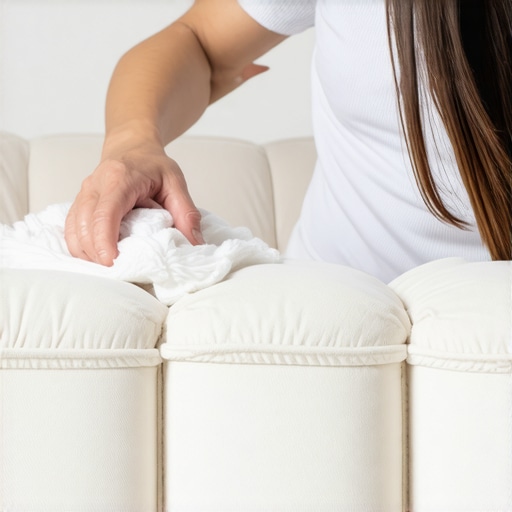 Many homeowners believe that a quick vacuum and surface wipe are enough to keep their upholstery and home sparkling clean. However, this misconception can lead to long-term damage and hidden health risks. **Let’s dig deeper** into some widespread myths and nuanced mistakes that even seasoned DIYers overlook, risking the integrity of their furnishings and the safety of their living spaces.
One prevalent myth is that using bleach or harsh chemical cleaners on upholstery or tiles will disinfect more effectively. In reality, these substances often damage delicate fibers or surfaces, causing discoloration and deterioration over time. Expert sources, such as the *Journal of Textile Conservation*, emphasize that aggressive chemicals compromise fabric integrity, leading to patchy appearance and reduced lifespan. Instead, using specialized [effective sanitizing methods](https://spotlesscarpetz.com/effective-sanitizing-methods-for-a-germ-free-home) tailored to the material is much safer.
Another gray area is the belief that frequent deep cleaning can replace regular maintenance. Many think that once a month or quarterly deep cleans suffice. But neglecting small, routine routines, like daily dusting or spot treatments, fosters a buildup of dust, allergens, and germs that deep cleans struggle to resolve. This is why consistent [daily house cleaning routines](https://spotlesscarpetz.com/daily-house-cleaning-routine-to-maintain-perfection) are crucial for maintaining both hygiene and appearance.
A common trap during move-outs is over-relying on surface cleaning, assuming it will satisfy landlords’ inspection standards. However, landlords are often scrutinizing hidden spots and unseen grime — like behind appliances or under furniture. Falling into this trap can jeopardize your deposit. For comprehensive preparation, check out the [move-out cleaning checklists](https://spotlesscarpetz.com/move-out-clean-checklist-to-simplify-your-transition) to ensure nothing is overlooked.
### How does the myth of cleaning to kill everything hold up?
Many assume that using the strongest disinfectants guarantees a germ-free environment. This isn’t entirely accurate. Overuse of potent disinfectants can be counterproductive, potentially creating resistant strains of bacteria and risking chemical sensitivities among household members. Balancing effective cleaning with proper ventilation and selecting eco-friendly, [safe disinfectants](https://spotlesscarpetz.com/sanitizing-secrets-for-a-safer-house-in-2025) can be more beneficial.
Finally, many underestimate the importance of proper drying after cleaning. Rushing to put furniture or carpets back in use enables mold and bacterial growth, especially in humid environments. A crucial step is to allow sufficient drying, or even better, to incorporate [sanitizing hacks that include drying techniques](https://spotlesscarpetz.com/sanitizing-hacks-for-safe-house-transitions) to prevent recontamination.
**So, have you ever fallen into this trap?** Let me know in the comments. Understanding these nuanced pitfalls not only prolongs the lifespan of your home furnishings but also ensures a cleaner, healthier environment for everyone.Maintaining your home’s cleanliness and upholstery over time requires the right tools and consistent methods. Personally, I swear by my high-quality steam cleaner, the [Shark Genius Steam Mop](https://spotlesscarpetz.com/effective-house-cleaning-secrets-from-cleaning-experts); it’s versatile enough for carpets, tiles, and even fabric furniture. Its steam penetrates deeply, killing germs without harsh chemicals, making it a favorite for eco-conscious cleaning. Additionally, investing in a set of microfiber cloths, like the [Zwipes Microfiber Towels](https://spotlesscarpetz.com/effective-house-cleaning-secrets-from-cleaning-experts), has transformed my cleaning routine. They trapping dust and dirt with minimal agitation, which is gentle on delicate materials like velvet. For stubborn stains, I rely on a steam fabric steamer for quick touch-ups—it’s portable, heats rapidly, and disinfects simultaneously. When working on move-out cleaning, I use a handheld vacuum with a HEPA filter to remove fine dust from hidden crevices, ensuring no dirt is left behind.
How do I maintain these tools over time?
Regularly descale your steam cleaner according to manufacturer instructions—this step is critical for maintaining efficiency and prolonging equipment lifespan. For microfiber cloths, wash them separately from other laundry to prevent lint transfer and replace them every few months to keep their effectiveness. Staying on top of filter changes for your vacuum prevents loss of suction and keeps your home healthier. Looking ahead, I predict that technological advances like smart cleaning devices will increasingly automate routine chores, giving us more time and better results. Meanwhile, mastering basic equipment maintenance ensures your tools deliver optimal performance and save money in the long run. Don’t overlook the importance of proper tool care; for example, regularly descaling your steam cleaner can prevent mineral buildup, as emphasized by technical experts in appliance maintenance, which directly impacts cleaning effectiveness. Try integrating a monthly descaling routine and see how much fresher and more efficient your equipment becomes—your home will thank you! For comprehensive tips, check out the effective house cleaning secrets from cleaning experts. Keeping your tools in top shape is an investment that pays back in thoroughness and durability, making routine maintenance a step worth taking.
Lessons from the Front Lines of Home Care
One of the most eye-opening lessons I learned was that patience beats brute force every time when caring for delicate upholstery like velvet. Rushing through a cleaning session often leads to stiff patches and loss of that sumptuous feel, which is heartbreaking after investing in beautiful furniture. Additionally, I discovered that not all cleaning solutions are created equal—some, like harsh bleach or solvent-based products, can cause irreversible damage. My lightbulb moment was understanding that gentle, fabric-specific cleaners not only preserve texture but also extend the lifespan of your furnishings. Lastly, the importance of consistent maintenance hit me hard; a little daily dusting or spot cleaning keeps dirt from embedding deep and becoming a daunting task later. These lessons are priceless and can truly transform your home maintenance routine.