
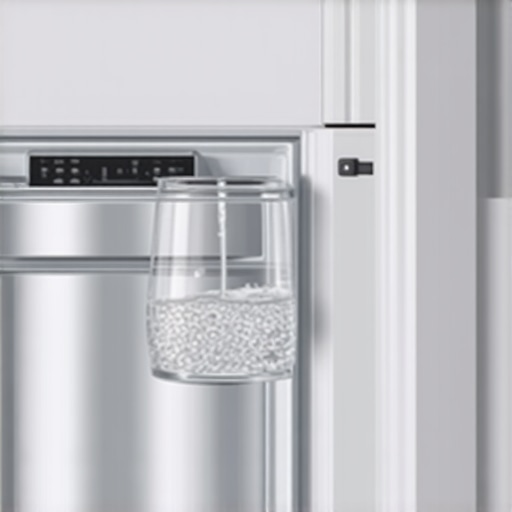
I remember the day I opened my fridge and took a long, hard sip of water only to grimace at the strange, metallic taste. It was then I realized that something as simple as my refrigerator might be silently sabotaging my home’s water quality. If you’ve ever experienced a similar moment—perhaps noticing a weird smell or taste in your drinking water—you know how unsettling it can be. It made me question: what hidden dangers could be lurking in our everyday appliances?
Uncovering the Fridge’s Dirty Secret
Many of us overlook the inner workings of our appliances, especially the filters in our refrigerators. These tiny filters are essential—they trap contaminants, chlorine, and impurities to ensure our water is drinkable. But here’s the kicker: if these filters aren’t replaced regularly or are malfunctioning, they can become breeding grounds for bacteria and mold. Over time, these microbes can leach into your water, affecting its purity and taste.
Early on, I made the mistake of assuming that a filter, once installed, would last indefinitely. I never bothered to check or replace it until I noticed the odd flavor. That’s when I learned that a clogged or old filter doesn’t just fail to purify; it actively pollutes. According to a study published in the Journal of Water and Health, neglected filters can harbor bacteria that compromise water safety, especially in households with older appliances.
Is Your Refrigerator’s Filter Actually Worth the Hype?
It’s natural to wonder whether all the fuss about refrigerator filters is overblown. Honestly, I used to dismiss it as just another maintenance task — until I found myself battling strange water smells and discoloration. The truth is, neglecting this small component can make your drinking water worse than if you had no filter at all. Regular maintenance isn’t just about taste; it’s about safeguarding your health. If you’re unsure about how often to replace your filter or how to do it properly, I recommend checking out detailed guides on [effective sanitizing methods](https://spotlesscarpetz.com/effective-sanitizing-methods-for-a-germ-free-home) for maintaining appliances.
So, have you ever faced this issue? Did your water suddenly turn sour or murky without warning? If so, you’re not alone, and there are proven steps to fix this problem. In the sections to come, I’ll share my personal tips on how to identify a failing filter and keep your water pure. Ensuring your fridge water is safe doesn’t have to be complicated—just a little awareness and regular upkeep can turn your water from questionable to crisp and clean.
Start with a Clear Plan and Gather Supplies
Before diving into cleaning, I laid out all my cleaning tools and products on the kitchen counter. This included microfiber cloths, a vacuum cleaner, disinfectants, and brushes. Think of this as preparing for a tactical operation—you wouldn’t go to war unarmed. Having everything at hand speeds up the process and prevents missed spots.
Declutter Surfaces to Maximize Efficiency
Next, I removed unnecessary items from surfaces, including countertops, shelves, and furniture. Clutter acts like a barrier, hiding dirt and making cleaning less effective. As I worked through each area, I made a quick decision: keep, toss, or relocate. This step ensures no dust or grime gets trapped behind objects.
Vacuum and Dust to Remove Loose Dirt
Vacuuming upholstered furniture and carpets first is crucial. I used a HEPA filter vacuum to lift dust, pet hair, and debris. For hard-to-reach spots, like ceiling corners or behind furniture, I used a long-handled duster. This is similar to clearing the battlefield before deploying cleaning chemicals, ensuring they can work effectively.
Scrub and Wipe Surfaces with Purpose
For surfaces, I employed microfiber cloths dipped in appropriate cleaning solutions—detergent for kitchen counters, glass cleaner for windows, and disinfectant for high-touch areas. I avoided overwetting delicate surfaces like wood to prevent damage. Remember, more cleaning isn’t always better; targeted scrubbing yields better results. I applied a gentle motion to lift grime, much like polishing a trophy—it takes patience.
Focus on Problematic Areas with Deep Cleaning Methods
Stubborn stains and grime, such as soap scum on shower doors or water rings on wood, require special attention. I used specific techniques—like applying a paste of baking soda and vinegar on tough stains or using a toothbrush for grout lines. For example, I once used a razor blade trick to remove calcium deposits from the bathroom faucet’s edges, restoring its shine without scratching. For sensitive fabrics and upholstery, I refer to this comprehensive guide.
Sanitize to Eliminate Germs and Bacteria
After removing dirt, I sanitized high-touch areas such as doorknobs, light switches, and handles with an effective disinfectant. I followed instructions carefully, ensuring proper dwell time for the chemicals to work. To make this easier, I used sanitizing hacks found in this resource. Remember, sanitation isn’t just about cleanliness—it’s about health safety.
Polish and Final Touches for a Complete Look
Finally, I finished by polishing mirrors, glass surfaces, and chrome fixtures to a streak-free shine. I replaced decor, arranged furniture for optimal flow, and double-checked for overlooked spots. This step transforms a routine clean into a professionally finished job, ready for move-in, move-out, or simply a fresh start. Incorporate these steps systematically to ensure a hygienic, sparkling home that feels brand new.
Many homeowners believe that moving out or thorough house cleaning is simply about surface-level tidying, but that’s a misconception that can cost you dearly. A prevalent myth is that scrubbing visible dirt is enough; however, the true challenge lies in addressing unseen bacteria and grime, especially in upholstery and high-touch areas. For instance, many neglect the importance of sanitizing blinds, door handles, and behind appliances—areas often overlooked but crucial for a hygienic environment.
Why Do People Still Ignore Deep Sanitation? An Expert Insight
Research from the CDC emphasizes that surface sanitation isn’t enough; pathogens can lurk where cleaning doesn’t reach, making effective sanitizing vital for health safety. Many overlook the significance of proper disinfectant dwell time or using products specifically designed for different surfaces, leading to microbial survival and potential health risks. Additionally, a common mistake during move-outs is assuming that a quick clean will secure the deposit refund, but landlords often look for comprehensive sanitation, especially in kitchens and bathrooms, which are hotspots for germs. Failing to address these nuances can result in losing your security deposit unnecessarily; for detailed strategies, check out [move-out cleaning strategies to secure your deposit](https://spotlesscarpetz.com/move-out-cleaning-strategies-to-secure-your-deposit).
Another misconception is about upholstery. Many think that vacuuming alone is sufficient, but neglecting deep-cleaning techniques can leave stains, pet dander, and microbes embedded in fabrics. Experts suggest using specialized cleaning methods—such as gentle steam cleaning or appropriate upholstery shampoos—to ensure a truly refreshed and allergen-free sofa. For more tips, explore [upholstery cleaning tips for a fresh home revival](https://spotlesscarpetz.com/upholstery-cleaning-tips-for-a-fresh-home-revival).
Have you ever fallen into this trap? Let me know in the comments. Understanding these refined details in cleaning can mean the difference between a superficially clean home and a truly healthy environment. Remember, mastering the nuances of sanitation, upholstery care, and comprehensive cleaning is what elevates a routine chore into an expert-level task that safeguards your home and your health.
Invest in Quality Equipment for Long-Term Results
When it comes to keeping your home pristine, having the right tools can make all the difference. I personally swear by a high-quality, adjustable steam cleaner because it eliminates bacteria and grime without relying on harsh chemicals, making it perfect for upholstery and deep sanitizing. Unlike standard vacuums, a steam cleaner penetrates fabrics and surfaces, removing embedded dirt and allergens, which is particularly beneficial for households with pets or children. I recommend models with adjustable steam pressure and multiple attachments to tackle everything from curtains to grout lines. As the trend shifts towards eco-friendly cleaning, steam cleaning is increasingly becoming the go-to method for a greener, safer home.
Master the Art of Regular Maintenance
Consistent upkeep saves time and prevents dirt buildup. For instance, establishing a weekly schedule to vacuum carpets and wipe down surfaces prevents dirt from becoming ingrained. I’ve found that setting reminders on my digital calendar ensures I don’t skip crucial tasks like sanitizing high-touch areas or deep-cleaning upholstery. Remember, even the best tools require regular attention; filters and brushes need cleaning or replacement to stay effective. For detailed routines, check out this daily house cleaning routine. Staying proactive also prolongs the lifespan of your appliances and keeps your home consistently fresh.
Use Advanced Techniques for Long-Lasting Freshness
For stubborn stains or persistent odors, I rely on specific techniques such as baking soda paste applications or vinegar steam treatments. One game-changer was learning how to safely lift pet odors from upholstery using enzyme-based cleaners combined with steam cleaning. This approach not only restores freshness but also inhibits microbial growth—a vital aspect often overlooked in routine cleaning. These methods are supported by research in effective sanitizing techniques that highlight the importance of combining physical and chemical methods for optimal results. Don’t hesitate to experiment with these approaches; they yield visible and tangible benefits over time.
How Do I Maintain My Cleaning Arsenal Over Time?
To ensure your tools remain effective, regular maintenance is key. For example, flushing and descaling your steam cleaner prevents mineral buildup that can impair performance. Similarly, replacing filters in vacuum cleaners and disinfectants periodically maintains hygiene standards. Investing in a sturdy, versatile storage system also keeps your equipment organized, reducing the chance of damage or misplacement. As technological advancements continue, future cleaning tools are heading towards smarter, app-controlled devices that provide real-time feedback on maintenance needs. Staying ahead of these trends by adopting modern tools now ensures you’re prepared for a cleaner, healthier future at home.
Remember, mastering these tools and practices will turn routine cleaning into an effective, health-conscious habit. For inspiration and detailed techniques, visit this resource. Try upgrading one of your cleaning tools today—like your vacuum filter or steam cleaner—and notice the difference in your home’s freshness and hygiene.
What My Biggest Cleaning Revelation Taught Me About Home Safety
One of the most eye-opening lessons I encountered was realizing that even well-maintained appliances like refrigerators can harbor unseen dangers if neglected—leading to contaminated water or mold growth. It taught me to prioritize regular filter replacements and understand that small maintenance tasks hold immense health significance. This awareness transformed my approach from reactive to proactive, emphasizing consistent checks over occasional scrubbing.
Is There a Hidden Skill Behind Perfectly Clean Upholstery?
Absolutely. I discovered that effective upholstery cleaning isn’t just about surface dust removal, but about deep sanitizing with the right tools—like steam cleaners or specialized shampoos. The lightbulb moment was recognizing that neglecting this can cause hidden microbes and allergens to linger, affecting allergy sufferers and pet owners alike. Investing in quality cleaning equipment and knowing when to call in experts has been a game-changer for my home comfort.
How Deep Cleaning Became My Secret Weapon Against Persistent Odors
Terrible smells can sometimes feel like a lost cause, but I learned that targeted deep cleaning techniques—using enzyme-based cleaners or vinegar steam treatments—can eliminate odors at their source. This realization shifted my mindset from masking smells with air fresheners to attacking microbial causes directly. It’s empowering to see long-standing issues resolved with the right methods and patience.
My Favorite Tools That Elevate Home Hygiene Efforts
Over time, I cultivated a toolkit that includes a versatile steam cleaner, high-quality disinfectants, and microfiber cloths. These tools, combined with ongoing education—like reading expert cleaning guides—ensure I stay ahead of dirt and microbes. Trustworthy resources like this guide have helped me refine my methods, making cleaning less of a chore and more of a health investment.
Stepping Into a Cleaner Future Starts With Small Changes
My journey has shown me that meaningful improvements in home hygiene don’t require massive overhauls but consistent, simple actions—like replacing filters, sanitizing high-touch areas weekly, and deep-cleaning upholstery seasonally. Embracing these habits builds a healthier environment for loved ones and peace of mind. So, I encourage you: start today, with one small upgrade, and watch your entire home transform into a sanctuary of cleanliness and safety.