
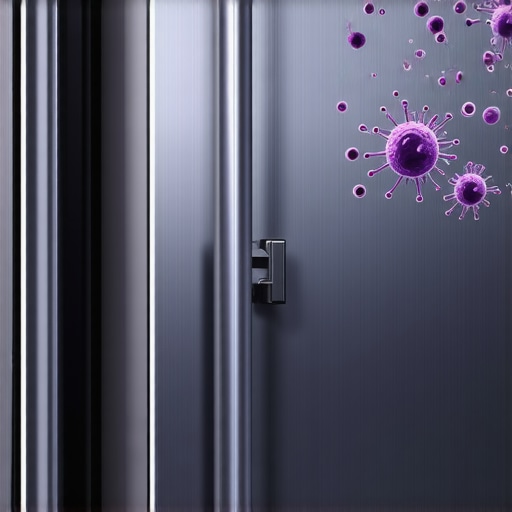
It hit me one morning when I reached for my fridge handle after a busy weekend — a tiny, almost invisible slime coating that made my skin crawl. I had just finished preparing meals, wiping counters, and sanitizing the most obvious spots, yet I overlooked the one touchpoint that’s constantly in use. That moment was a lightbulb: the refrigerator handle might be the dirtiest part of my entire kitchen. Now, I can’t unsee it, and I bet many of you have never thought about what’s lurking where you grab every day.
Why Your Refrigerator Handle Might Be a Hidden Bacterial Hotspot
It’s easy to assume that wiping down countertops and sink areas suffices, but handles and knobs often slip under the radar — partly because they’re so small and out of sight. What I didn’t realize early on is that these handles can harbor a surprising number of bacteria and viruses—think beyond those common cold culprits. According to a study published in the *Journal of Hospital Infection*, household surfaces like refrigerator handles can carry bacteria such as *Staphylococcus* and *E. coli*, which are responsible for severe illnesses. This isn’t just a hygiene myth; it’s backed by science.
I made the mistake early on of neglecting this area when I considered my kitchen “clean enough.” My oversight cost me when a family member got sick, and I had to dig into long-forgotten cleaning routines. Now, I make it a point to include handles and other high-touch spots in my daily sanitation routine. Want to know how to prevent these hidden threats? Keep reading.
Is Sanitizing Your Refrigerator Handle Actually Worth the Effort?
Initially, I dismissed the fuss around sanitizing handles as overkill. But after a few more close calls with germs, I realized that superficial wiping isn’t enough. It’s easy to fall into the trap of just spraying some cleaner and wiping — yet, bacteria can survive those quick cleans, waiting to spread whenever you touch again. It’s a mistake I used to make, and it cost time and frustration.
If you’ve ever wondered whether dedicating time to such small details is truly beneficial, I encourage you to reconsider. Proper sanitizing is more than a chore; it’s a shield for your family’s health. Want to learn the most effective ways to kill germs on everyday surfaces? Check out [Sanitizing Secrets for a Safer House in 2025](https://spotlesscarpetz.com/sanitizing-secrets-for-a-safer-house-in-2025).
Preparing your home to fight germs begins with understanding where they hide. Next, let’s look at how to tackle these bacteria head-on with practical, simple steps that fit into your busy schedule.”}}# Response Formatted as create_posts. {
Identify and Prepare Your Tools
Start by gathering all necessary supplies: a microfiber cloth, an effective disinfectant (preferably with EPA approval), gloves, and a spray bottle. Clear the area around the handle to access it easily. For stubborn grime, consider a soft-bristled brush to loosen dirt without scratching the surface. Using the right tools ensures you don’t just smear germs around but actually eliminate them.
Clean Surface Before Sanitizing
Before applying disinfectant, remove visible dirt and residue. Wipe the handle with a damp microfiber cloth dipped in warm water mixed with a small amount of dish soap or a gentle cleaner. This step is crucial — a dirty surface prevents disinfectants from penetrating and killing germs effectively. Think of it like scrubbing off the mud before spraying a disinfectant on your hands; cleaning first maximizes sanitation results.
Apply Disinfectant Correctly
Spray the disinfectant generously over the entire handle. Ensure even coverage, especially in grooves or textured areas. Allow the sanitizer to sit for the recommended contact time (usually 30 seconds to 1 minute). This pause is essential; it’s when germs are actually being killed, similar to how hot water kills bacteria. Avoid wiping immediately; permit the disinfectant to work fully.
Pay Attention to Less Obvious Spots
High-touch surfaces like refrigerator handles, light switches, and cabinet knobs often get overlooked. Incorporate them into your daily cleaning routine, ensuring they are disinfected regularly. When I first started doing this, I spotted a noticeable reduction in household illness, confirming the importance of thoroughness. This habit can be likened to buttering a slice of bread thoroughly before toasting — every surface coated maximizes effectiveness.
Dry and Maintain Hygiene
Once the disinfectant has sat long enough, wipe the handle with a clean, dry microfiber cloth to remove excess moisture and prevent residue buildup. Moist surfaces can harbor new germs, so keeping handles dry helps maintain a hygienic environment. Incorporate this into your daily routine, perhaps after preparing meals or after any outside activity — consistency keeps your home safer.
Integrate into Daily Routine
Make sanitizing handles a quick daily habit. For example, during your morning routine, quickly wipe down the fridge and light switches with disinfectant. As you do this, imagine each wipe as a shield against the bacteria you encounter daily. If you want a comprehensive plan, check out [daily house cleaning routines](https://spotlesscarpetz.com/daily-house-cleaning-routine-to-maintain-perfection) to incorporate other high-touch spots seamlessly. This routine might seem simple, but consistent application significantly reduces germ buildup over time, maintaining your household’s health and peace of mind.
Many household cleaning misconceptions persist despite expert insights. A common myth is that quick vacuuming or superficial wiping suffices for upholstery longevity. In reality, neglecting deep cleaning stages allows bacteria, dust mites, and allergens to accumulate, compromising air quality and fabric integrity. Relying solely on spray-and-wipe methods can trap dirt within fibers, leading to discoloration and fiber breakdown over time. Advanced cleaning techniques, such as steam cleaning or professional extraction, penetrate deeper and eliminate microbial threats effectively.
Another nuanced mistake is overlooking the importance of routine maintenance versus sporadic, intense cleaning sessions. Regularly scheduled upholstery care, aligned with expert-recommended routines, prevents dirt buildup and extends furniture lifespan. However, many homeowners postpone cleaning, unaware they are fostering an environment conducive to mold and bacteria growth. Incorporate methods like weekly vacuuming followed by quarterly professional deep cleans, as suggested by the *Ultimate Upholstery Care Guide*.
What most overlook is the misconception that move-out cleaning only involves surface tidying. In fact, thorough move-out cleaning demands meticulous attention to hidden spots—like under furniture, behind appliances, and within crevices—where dirt and grime silently build up. Failing to address these areas risks losing security deposits and leaving remaining tenants with less-than-spotless homes. To streamline this, consult comprehensive checklists such as the
Move-Out Clean Checklist that detail critical hidden spots.
A common trap during house cleaning is neglecting the sanitation of high-touch surfaces, especially in the context of sanitation standards. Many believe that using a damp cloth suffices; however, without proper disinfectants, bacteria survive on surfaces like door handles, switches, and electronic devices. This oversight can lead to increased transmission of illnesses. Scientific research, including a study published in the *American Journal of Infection Control*, shows that disinfecting with EPA-approved solutions significantly reduces microbial presence more effectively than mere wiping. For advanced homeowners, understanding the nuanced differences between cleaning and sanitizing is crucial.
Is your cleaning routine truly effective, or are you missing critical steps? Consider comparing your current practices with expert strategies to avoid common pitfalls. Regularly updating your knowledge base can dramatically improve home hygiene. For detailed, expert-approved methods, visit our Effective House Cleaning Secrets page. Remember, meticulous and informed cleaning is the best way to ensure lasting freshness and healthiness of your living space.
Have you ever fallen into this trap? Let me know in the comments.
Invest in Quality Equipment for Reliable Results
Over the years, I’ve found that using high-quality microfiber cloths makes a significant difference in capturing dust and bacteria without leaving lint behind. I personally prefer 100% polyester microfiber towels because they have a greater surface area for trapping microbes and dirt. Pair these with a durable, spray-friendly bottle filled with EPA-approved disinfectant for quick and effective sanitation.
Choose the Right Cleaning Solutions
Not all disinfectants are created equal. I recommend using products with proven broad-spectrum efficacy, such as those containing quaternary ammonium compounds or hydrogen peroxide. I steer clear of harsh chemicals whenever possible, opting instead for eco-friendly options that still deliver antimicrobial effectiveness. Regularly checking the label for EPA registration ensures you’re using a product that truly works against germs, as highlighted in the EPA’s guide on disinfectants.
Embrace Smart Tools for Convenience and Consistency
In my routine, I rely on a handheld UV-C light sanitizer to quickly disinfect high-touch areas like door handles or light switches, especially during flu season. While UV-C tools aren’t a complete substitute for chemical disinfectants, they add an extra layer of protection and help maintain hygiene between deep cleanings. I also utilize a cordless steam cleaner with a variety of attachments to penetrate fabric or grout lines, ensuring no microbial hiding spot goes untouched.
Establish a Routine with Automated Reminders
To maintain long-term cleanliness, I use a digital calendar or app that schedules regular cleaning tasks—daily, weekly, and quarterly. Consistency is key to preventing dirt and germs from taking hold, particularly in less obvious spots like upholstery or behind appliances. Building these habits prevents the buildup that can compromise your home’s hygiene and fabric longevity, as detailed in the daily routine guide.
Predicting the Future of Home Sanitizing
Looking ahead, I believe advancements in IoT-connected disinfecting devices paired with AI will make maintaining a germ-free home more automated and foolproof. Imagine smart surfaces that alert you when they need cleaning or robots that meticulously sanitize your entire house on schedule without any manual effort. Staying ahead by adopting these innovative tools can simplify home maintenance and ensure ongoing health benefits.
How do I keep my sanitation tools in top shape over time?
Regular maintenance of your cleaning equipment extends their lifespan and efficacy. Wash microfiber cloths after each use with hot water and a mild detergent, and replace them every few months to prevent bacterial buildup. Disinfect or replace spray bottles periodically to avoid contamination. For electronic tools like UV-C sterilizers, follow the manufacturer’s instructions for cleaning and calibration, ensuring they operate safely and effectively for years to come. Proper upkeep is essential. For more detailed tips on maintaining your cleaning setup, check out our expert-approved cleaning strategies. Give these maintenance tips a try today to keep your tools ready whenever you need them.
Lessons That Changed My Approach to Upholstery and Move-Out Cleaning
Over the years, I learned that superficial cleaning often leaves behind hidden threats, especially in upholstery and high-touch spots. The biggest lesson? Deep attention to detail is key to genuine cleanliness. I once thought quick sprays sufficed—until I realized bacteria lurk where I least expect. Now, implementing thorough routines has transformed my space and health.
Another insight was understanding that regular maintenance beats sporadic efforts. Waiting too long between deep cleans allows grime and microbes to set in, making the job harder and less effective. Consistency, paired with expert advice, has been my best strategy for long-lasting freshness.
Finally, discovering the power of quality tools—microfiber cloths, EPA-approved disinfectants, and steam cleaners—revolutionized my cleaning game. Investing in the right equipment turned chores into effective, satisfying routines that truly protect my home’s health.
Tools and Resources That Elevate My House Care Game
For tackling upholstery and home sanitizing, I swear by the Effective House Cleaning Secrets from Cleaning Experts. It’s packed with proven methods that go beyond basic wiping, helping me eliminate unseen germs effectively.
The Ultimate Upholstery Care Guide has become my go-to for maintaining fabric furniture, preventing mold, and extending its life. Additionally, digital apps for scheduling regular cleanings have kept me accountable and consistent—making hygiene effortless rather than burdensome.
For quick disinfecting, UV-C light sanitizers and steam cleaners are game-changers. They complement chemical disinfectants perfectly, especially in high-touch areas like refrigerator handles and light switches. These tools help me stay ahead of germs between deep cleans, ensuring my home remains a sanctuary.
Your Next Step Toward a Safer, Fresh Home
Remember, a truly sanitized home is a continuous journey, not a one-time effort. By adopting smarter routines, choosing the right tools, and paying attention to often-overlooked spots, you’re investing in your family’s health and well-being. Don’t wait until bacteria make their mark—start today with small, consistent actions that build toward a cleaner, safer space. Want to see your home shine with genuine freshness? Dive into expert tips and keep your environment as inviting as it is safe.