
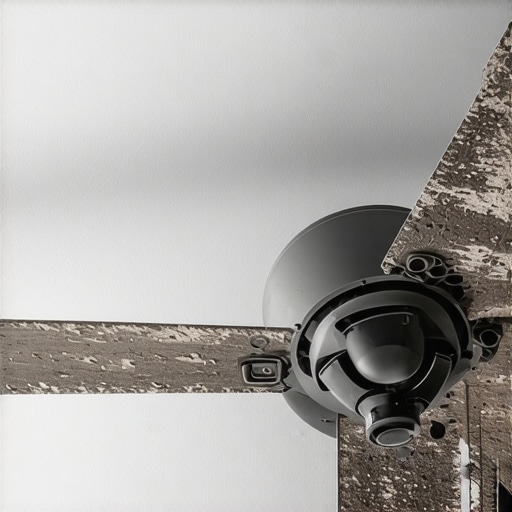
It was a typical lazy Sunday afternoon when I finally decided to replace the ceiling fan in my living room. As I reached up to remove the fan blades for cleaning, a little cloud of dust floated down—I didn’t realize just how much was hiding up there. That moment hit me hard: even after cleaning the obvious spots, I was overlooking the vast, dusty world above our heads. It was a lightbulb moment, realizing that those thin, almost invisible layers of dust on ceiling fan blades are often the last thing inspectors or homeowners pay attention to, yet they can tell a bigger story about your home’s cleanliness and air quality.
Why Ignoring Dust on Fan Blades Might Be Costing You More Than You Think
Many of us focus on surfaces at eye level—kitchen counters, bathroom tiles, or carpets—but forget the dirt sitting directly above us. Those ceiling fan blades accumulate dust, pollen, pet hair, and even mold spores over time. When the fan spins, it disperses these microscopic particles into the air, impacting indoor air quality and potentially triggering allergies or respiratory issues. Interestingly, the EPA notes that indoor air can be 2 to 5 times more polluted than outdoor air, partly because of these overlooked dust reservoirs. In my early cleaning days, I made the mistake of only wiping the fan’s motor or light fixtures, completely neglecting the blades themselves. That oversight meant recontamination and missed opportunities to improve air quality. Now, I know better—it’s about cleaning smart, not just quick, and inspecting thoroughly to catch the hidden dust that most forget.
Feeling Skeptical About the Real Impact? Think Twice
It’s easy to dismiss ceiling fan dust as a minor annoyance, especially when it doesn’t seem visible or bothersome at first glance. But not paying attention to these blades can have broader implications. For example, lingering dust can aggravate allergies or asthma, especially for sensitive individuals. Plus, a dusty fan not only looks unkempt but also signals neglect that might extend to other household areas. Early in my own cleaning journey, I underestimated this problem. I thought, “It’s just dust,” and didn’t realize the health risks involved or how much easier it is to maintain a fresh home by tackling these often-missed spots. Learning from my mistake, I now ensure I inspect and clean ceiling fan blades regularly—an essential part of thorough house cleaning routines. If you’re curious about broader cleaning strategies, I recommend visiting our comprehensive guide on effective house cleaning secrets from experts.
Getting rid of that dust layer isn’t just about appearance—it’s about breathing easier and maintaining a healthier environment. Up next, I’ll walk you through proven methods to keep your fan blades spotless and dust-free, so those inspection worries become a thing of the past.
Gather Your Tools and Prepare
Start by assembling essentials: microfiber cloths, mild detergent, a step ladder, and a spray bottle with water or cleaning solution. Protect surrounding furniture with a drop cloth or old towel. I once tried to clean my fan without a ladder—it ended up with me balancing on a chair, which was risky and inefficient. Always use a sturdy step ladder to reach blades safely and comfortably.
Dust the Blades Thoroughly
Climb your ladder and gently wipe each blade with a dry microfiber cloth to remove loose dust and cobwebs. Use a duster with an extendable handle if you prefer. Remember, dust is best removed before applying any liquid to prevent it from turning into mud or smudges. While doing this, I noticed that the dust had been accumulating for months, making the surface look dull. Removing this layer instantly brightened the room.
Clean with a Damp Cloth or Cleaner
Mix a small amount of mild detergent with water or use a dedicated upholstery or gentle multi-surface cleaner. Lightly dampen a microfiber cloth and wipe each blade, following the length of the surface. For stubborn spots or greasy film, spray the cleaner directly onto the cloth—not the blades—to control application. In my experience, avoiding overspray prevents drips and protects motor parts. For example, after cleaning, my fan looked brand new, and the air seemed noticeably fresher.
Dealing with Stubborn Stains or Grease
If you encounter sticky or greasy spots, let the cleaner sit for a few minutes before wiping. For grime behind the blades, I used a soft-bristled brush held in place with the cloth to scrub gently. This method effectively lifted dirt without damaging the surface. Remember, never use abrasive scrubbers that could scratch the blades or cause imbalance.
Dry the Blades Completely
Use a dry microfiber cloth to remove any residual moisture. This step prevents streaks and prevents dust from sticking to damp surfaces. I found that drying each blade thoroughly reduces the risk of mold or mold spores developing, especially in humid climates. Plus, a quick wipe ensures no streaks or water spots mar the shiny finish of the blades.
Inspect and Repeat Regularly
After your initial deep clean, set a schedule to inspect and clean the blades monthly or bi-monthly, depending on household dust levels. Regular cleaning preserves the fan’s efficiency and improves indoor air quality. I learned this tip from an expert and now notice that my fan remains cleaner with less effort over time. Proper maintenance also helps avoid the buildup of allergens and dust that can trigger allergies.
Additional Tips for Effective Cleaning
For hard-to-reach areas, use a long-handled duster or extendable microfiber tool. If your fan blades are especially greasy or sticky, consider cleaning them with a vinegar solution—just dilute one part vinegar with two parts water. Avoid using harsh chemicals that can damage delicate surfaces or motor parts. When finished, always ensure the fan is turned off and spinning freely without wobbling, indicating proper balance after cleaning.
Prevent Dust Accumulation Moving Forward
Regularly dust and vacuum the surrounding ceiling area and fixtures to reduce debris settling on the blades. Keep windows open or use air purifiers to lower indoor dust levels. For comprehensive house cleaning routines, visit effective house cleaning secrets from experts. Consistent upkeep not only keeps your fan blades spotless but also contributes to overall home health.
Most homeowners and professionals alike often accept several cleaning assumptions at face value, but digging deeper reveals nuanced pitfalls that can undermine your efforts. For instance, many believe that using more aggressive chemicals guarantees a spotless surface, but in reality, overusing disinfectants can lead to residue buildup and even damage sensitive fabrics. For upholstery, relying solely on DIY methods without understanding fabric-specific needs can cause permanent staining or deformation. When it comes to move-out cleaning, a common misconception is that renting powerful equipment alone ensures a deposit return, but neglecting detailed areas like grout lines or behind appliances often traps hidden dirt, risking loss of your security deposit.
In the realm of house cleaning, a prevalent myth is that regular sweeping suffices to eliminate dust and bacteria, yet studies show that dust mites and microbes cling stubbornly to surfaces, necessitating proper sanitizing routines—something many overlook.
What advanced techniques actually improve sanitizing without compromising material integrity?
Let’s dig into this: Proper sanitization involves understanding the science behind microbial removal. For example, EPA-certified disinfectants with specific contact times can eradicate pathogens effectively without overexposure to chemicals that may degrade upholstery or delicate surfaces (Learn more about safe sanitizing hacks). Additionally, integrating high-efficiency particulate air (HEPA) filters in vacuum cleaners can dramatically improve dust removal, especially for allergy sufferers. Overlooking such advanced methods often results in incomplete cleaning, leading to ongoing health issues and recurrent dirt buildup.
Moreover, many assume that steam cleaning is universally safe; however, for certain fabrics like silk or velvet, high temperatures can cause irreversible damage (Avoid steam cleaning delicate upholstery). Knowing when and how to employ appropriate cleaning techniques prevents costly mistakes.
In sum, cutting through the myths involves more than just superficial practice; it requires understanding material science, microbial behavior, and the limitations of equipment. Embrace these nuances, and you’ll achieve cleaner, safer, and more durable results. Have you ever fallen into this trap? Let me know in the comments and share your experiences!
Keep It Running: Essential Tools for Longevity and Efficiency
Maintaining a spotless home over time requires more than just diligence; it demands the right tools backed by proven effectiveness. I personally swear by a high-quality HEPA-filter vacuum cleaner, such as the Dyson V11 Torque Drive. Its powerful suction and innovative filtration system trap microscopic dust and allergens, keeping indoor air quality high and upholstery fresh without spreading dirt around. For detailed upholstery cleaning, I rely on a steam cleaner like the Bissell SteamShot, but only on fabrics that can handle heat, as confirmed by professional advice. Using these tools regularly prevents the buildup of grime and dust, prolonging the quality of your furniture and surfaces.
Alongside hardware, investing in appropriate cleaning solutions matters. For example, I prefer a gentle, pH-balanced upholstery spray that lifts stains without overwriting fabric fibers. Pairing this with microfiber cloths ensures even distribution and avoids scratches or fibers fraying. Incorporating tools like duster extensions or soft brushes allows me to reach high or tight spots—such as behind radiators or under furniture—where dust tends to accumulate unnoticed. Regular maintenance with these tools minimizes the need for deep, disruptive overhauls and extends the intervals between professional cleanings.
Harnessing Smart Technology and Strategies
Moving into the digital realm, software tools can streamline your cleaning schedule and keep track of maintenance routines. Apps like HomeZada enable detailed planning, reminders, and even inventory management of cleaning supplies, ensuring upkeep is consistent. I’ve found that setting bi-weekly reminders to inspect and clean upholstered furniture averts dust buildup and allergy aggravation. Additionally, integrating air purifiers equipped with HEPA filters, like the Coway Airmega 300S, significantly reduces airborne dust and pet dander, complementing physical cleaning efforts. Predictive maintenance, supported by smart sensors in your HVAC system, can also alert you when filters need replacement or cleaning—saving you money and extending equipment lifespan.
Predicting the Future of House and Upholstery Upkeep
Looking ahead, I anticipate a surge in robotic cleaning solutions that will take over routine maintenance tasks. Devices like robotic vacuum cleaners, combined with AI-driven mapping, will become smarter at targeting problem areas, reducing manual effort. Advances in antimicrobial surface coatings are also promising, providing self-cleaning furniture that resists dust and microbial buildup. The integration of IoT (Internet of Things) devices will enable homeowners to monitor and schedule maintenance effortlessly via smartphone, ensuring your home stays pristine with minimal intervention. Keeping your cleaning regime proactive, not reactive, is the key to a healthier, more relaxed living environment.
How do I maintain upholstery and house cleaning tools over time?
To ensure longevity and optimal performance, I recommend periodic replacement of filters and brushes, depending on usage. Regularly inspecting tools for wear and tear prevents breakdowns and ensures they work effectively when needed. For example, changing vacuum filters every 3-6 months, as per manufacturer guidelines, maintains their suction power. Cleaning tools like microfiber cloths and brushes thoroughly after each use prevents the spread of dirt and bacteria. By establishing a routine maintenance schedule, you not only prolong your tools’ lifespan but also achieve consistently superior cleaning results. For detailed strategies on move-out cleaning that curb damage and help secure your deposit, visit this guide.
Implementing these tools and habits creates a sustainable cleaning routine that preserves your home’s cleanliness, air quality, and furniture integrity over years. Don’t forget to try my favorite advanced tip: using a soft-bristled brush attached to your vacuum for delicate upholstery edges to dislodge dust without damaging fibers. Small upgrades like these can make a big difference in your long-term maintenance success.
What This Journey Taught Me About Lasting Cleanliness
One of the most eye-opening lessons I learned was that investing in quality cleaning tools and understanding their proper use dramatically extends the life of your furnishings and maintains a healthier environment. I once believed that a quick wipe was enough, but I now know that meticulous attention, especially to delicate fabrics, makes all the difference. Another revelation was the importance of consistent maintenance rather than sporadic deep cleans—regular upkeep prevents stubborn grime buildup, saving time and effort in the long run. Lastly, I discovered that embracing advanced cleaning techniques, like using HEPA filters or eco-friendly solutions, not only enhances cleanliness but also supports environmental sustainability. These lessons have transformed my approach from reactive cleaning to proactive home care, ensuring my space remains inviting and safe for my family.
Tools and Resources That Changed My Approach
My essential toolkit includes a HEPA-filter vacuum, such as the Dyson V11 Torque Drive, which effectively captures microscopic dust and allergens, significantly improving air quality. For upholstery, I rely on a gentle steam cleaner like the Bissell SteamShot, but only on fabrics suitable for heat to avoid damage—confirming this with resources like professional advice. I trust websites like effective house cleaning secrets from experts for tips that blend science with practicality, helping me tailor my routines effectively. Additionally, apps like HomeZada assist in scheduling regular maintenance, ensuring nothing gets overlooked. Investing in these tools and learning from reputable sources has made my cleaning routine both efficient and sustainable, significantly elevating my home’s hygiene standards.
Your Move: Embrace the Power of Consistent Care
Taking charge of your upholstery and house cleaning is an empowering step toward a healthier living space. Remember, small daily habits—like dusting with extendable tools or using eco-friendly solutions—can accumulate into substantial improvements over time. Don’t hesitate to experiment with new techniques and tools, as they often reveal surprisingly effective results. The future of home cleaning is leaning toward smarter, more personalized routines that serve both your health and the environment. So, why wait? Start implementing these insights today and transform your home into a sanctuary of cleanliness and well-being. Have you ever noticed how neglected areas sneak into your routine? Share your experiences below and let’s learn together.