
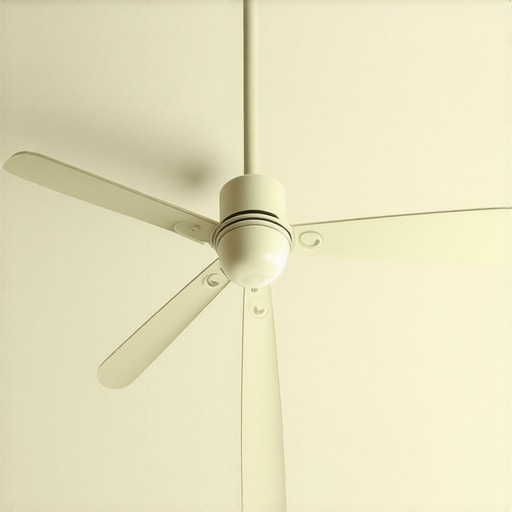
Have you ever been in a rush to finish cleaning before a guest arrives or a move-out inspection, only to realize too late that the ceiling fan blades are hiding a thick layer of dust? I remember the lightbulb moment when I realized I’d been neglecting this crucial detail for years. Each time, I’d wipe down the obvious spots—kitchen counters, bathroom tiles—yet somehow ignored the top of the fan, right where the dust gathers unnoticed. That stubborn layer seemed more like a badge of neglect than a simple oversight.
Why Overlooking Ceiling Fan Dust Could Cost You
It’s easy to dismiss ceiling fan blades as a minor detail, but experts agree that dust on these blades can significantly impact your home’s cleanliness and air quality. When fans run, they circulate that hidden layer of dust throughout the room, settling on furniture, bedding, and other surfaces. If you’ve ever noticed a fine layer of dust settling on your coffee table shortly after cleaning, chances are, your ceiling fan’s blades are the culprits. This isn’t just about appearances; it’s a health concern, especially if you have allergies or asthma.
Have You Been Ignoring This Common Dirty Spot?
Early on, I made the mistake of only wiping the visible surfaces and ignoring the fan blades altogether. I figured a quick dusting of the counters was enough. But that was a mistake. Eventually, I realized that neglecting fan blades not only compromised my home’s hygiene but also built up an even bigger cleaning challenge later. Trust me, prioritizing this step will save you time and frustration in the long run. Want to learn how to tackle this sneaky dust layer effectively? Let’s dive into the simple, foolproof methods so your home can truly become spotless.
Gather Your Tools and Prepare Safely
Start by turning off the fan and ensuring it’s completely stopped. Use a sturdy ladder or step stool to reach the blades comfortably. Wear a dust mask to prevent inhaling airborne particles, especially if dust has accumulated heavily. Keep a microfiber cloth, a dusting spray, and a bucket of warm soapy water within reach. For stubborn grime, a mixture of white vinegar and water can help break down dirt, making the cleaning more effective.
Use the Proper Technique for Dusting and Cleaning
Begin by wiping the blades with a dry microfiber cloth to remove loose dust. Think of this step like sweeping away debris before mopping floors; it prevents smudging and redistributing dirt. For a deeper clean, lightly spray your cloth with a dusting spray or vinegar solution, then wipe each blade thoroughly, following its contour to catch all dust and grease. Pay special attention to the edges and the motor casing. If built-up grime remains, dip the cloth into warm soapy water, wring it out well, and clean again. To prevent dust from spreading, fold the cloth or use new sections frequently during cleaning.
Tackle Stubborn Grime Effectively
If you encounter greasy or sticky spots, apply a small amount of white vinegar directly onto the area and let it sit for a few minutes. Then, wipe with a damp cloth to break down the residue. In my own experience, this method worked wonders when I cleaned fan blades with thick grease after cooking. The vinegar dissolved the buildup without harsh scrubbing, reducing the risk of damaging delicate blades. For extra shine and to protect against future dust accumulation, dry the blades with a clean, lint-free cloth afterward.
Clean and Maintain Regularly
Establish a routine to prevent dust buildup, ideally dusting the fan blades at least once every couple of months. This proactive approach reduces the workload over time and maintains air quality. If your home has pets or allergy sufferers, more frequent cleaning can significantly improve indoor comfort. Remember, neglecting these small details can allow dust and allergens to circulate, impacting health and home cleanliness. To keep other hidden spots in check, consider integrating house cleaning strategies from the experts.
Many homeowners believe they know the basics of upholstery care, house cleaning, and sanitizing, but lurking behind these assumptions are nuanced pitfalls that can undermine your efforts. One widespread myth is that regular vacuuming alone keeps upholstery pristine. In reality, many overlook the importance of professional-grade cleaning methods, which can target embedded dirt and allergens more effectively. According to industry experts, relying solely on DIY vacuuming can leave behind bacteria and deep-seated grime that contribute to ongoing odors and allergen buildup. For an effective deep clean, exploring advanced techniques such as hot water extraction or utilizing specialized upholstery cleaning tools is crucial.
Another common mistake is overestimating the sanitizing power of typical disinfectants on porous surfaces like fabric or foam-filled furniture. Many believe that spraying disinfectant is enough, but without proper penetration or dwell time, germs can persist. Studies from the National Sanitation Foundation highlight that sanitizers often fail to reach bacteria hidden within porous materials, rendering their use less effective than assumed. To truly eliminate pathogens, combining surface cleaning with solutions proven to penetrate fabric fibers, and following appropriate dwell times, is essential. For instance, effective sanitizing strategies involve pre-treating upholstery with appropriate solutions listed in professional sanitizing methods.
How can I get rid of stubborn stains without damaging delicate fabrics?
Many enthusiasts try harsh scrubbing or use incorrect cleaning products that degrade fabric fibers over time. Using abrasive tools or overly strong chemicals can weaken upholstery and cause discoloration. The key is understanding the material composition; delicate fabrics like velvet or silk require gentle, tailored approaches. For stubborn stains, leveraging enzymatic cleaners or mild solutions, such as vinegar diluted appropriately, can break down organic stains without harm. Visit the ultimate upholstery care guide for in-depth techniques tailored to various fabric types.
Many assume that frequent cleaning always prolongs the lifespan of furniture. However, over-cleaning with harsh chemicals can accelerate wear and fading. Striking a balance by establishing a regular yet cautious maintenance schedule preserves fabric integrity while maintaining freshness. Read more about effective routines at daily house cleaning routines that optimize care without damage.
The hidden mistake that can lead to recurring issues is ignoring hidden grime in less obvious spots—like under cushions, in crevices, or within cushions’ stuffing. These areas serve as breeding grounds for mold, dust mites, and bacteria. Regularly inspecting and professionally cleaning these zones prevents buildup that DIY methods often miss. Consider scheduling comprehensive move-out cleanings to ensure your furniture, and entire home, remains hygienic and fresh. Remember, neglecting the less visible areas can be an expensive oversight—both financially and in terms of health. Have you ever fallen into this trap? Let me know in the comments.
Maintaining Your Cleaning Arsenal for Optimal Results
Having the right tools is crucial for effective upholstery care and house cleaning, especially when aiming for long-term results. I personally rely on a high-performance HEPA-filter vacuum with adjustable suction settings, such as the Dyson V11 Torque Drive, which effectively removes embedded dirt and allergens without damaging delicate fabrics. Its smart suction control adapts to different surfaces, ensuring thorough cleaning without overexertion.
For deep cleaning and sanitizing, I recommend investing in a professional-grade steam cleaner, like the Dupray Neat Steam Cleaner. Unlike typical rental machines, it offers higher steam temperature and pressure, capable of sanitizing surfaces without chemicals—perfect for upholstery, curtains, and hard-to-reach spots. Regular use of such equipment aligns with expert advice found at this resource, emphasizing the importance of commercial tools for sustained cleanliness.
How do I keep my tools in top shape over time?
Proper maintenance extends the lifespan of your tools and ensures peak performance. After each cleaning session, always empty dustbins and clean filters according to manufacturer guidelines. For vacuum filters like HEPA filters, gently tap out debris and wash with cold water if permitted—avoiding harsh chemicals that may degrade the filter media. Steam cleaner attachments should be rinsed and dried thoroughly to prevent mold growth. Additionally, storing your tools in a dry, organized space minimizes damage and makes each cleaning session more efficient.
Looking ahead, I predict that smart cleaning technology will further revolutionize home upkeep. Imagine vacuums that automatically detect dirt buildup or steamers with app-controlled settings, making maintenance even more effortless. Staying updated on these innovations can help you make informed investments, ensuring your home remains pristine without unnecessary effort.
Invest in Proven Supplies for Consistent Cleanliness
Using quality detergents and cloths enhances your cleaning routine. I swear by microfiber cloths for their ability to trap dust and dirt efficiently, reducing the need for chemical sprays. Pairing these with eco-friendly, enzymatic upholstery cleaners from this guide ensures you’re tackling stains effectively while preserving fabric integrity. Remember, the secret to long-lasting upholstery and spotless homes isn’t just in tools—it’s in how you maintain them and use them consistently.
For ongoing sanitization, consider incorporating UV-C sterilizers designed for home use. These devices can supplement your traditional cleaning methods, killing bacteria and viruses in hard-to-reach crevices, and are especially useful during move-outs or after hosting gatherings. Integrating advanced tools like these can dramatically improve your home’s hygiene and health standards over time.
Keep Moving Forward With Regular Check-Ups
Set a schedule to review your tools and routines monthly. Inspect vacuum filters for clogs, test steam cleaner functionality, and replace worn equipment before they break down. These small steps ensure your cleaning process remains effective and reduces costly replacements down the line. Maintenance fosters confidence that your efforts are truly paying off, leading to a healthier, more comfortable living space.
Want to get started? Try upgrading to a professional-grade steam cleaner or a vacuum with advanced features. The investment in quality tools simplified my cleaning routine and helped maintain my home’s freshness longer. Remember, the right equipment combined with regular maintenance is the secret to preserving your space. Need tailored advice? Feel free to reach out to us for personalized recommendations.
The Hidden Lessons That Changed My Cleaning Game
One of the most eye-opening realizations for me was understanding that cleaning isn’t just about visible dirt—it’s about addressing those sneaky spots like ceiling fan blades, under cushions, and crevices that harbor hidden grime. I once spent hours polishing surfaces, only to find dust reaccumulating a week later because I overlooked these crucial areas. That lightbulb moment taught me that paying attention to the unseen can save time, money, and health headaches later.
I also learned that relying solely on DIY methods isn’t always enough. Deep-seated allergens and bacteria often require professional-grade tools or expert techniques. For example, using a high-quality steam cleaner or seeking insights from reputable sources like this upholstery care guide transformed my approach. Real change came when I understood the importance of proper tools, routine maintenance, and targeted treatments rather than quick fixes.
Another lightbulb moment came from realizing the myths I had believed about sanitizing. I used to spray disinfectants blindly, assuming they’d make everything germ-free. But I discovered that proper dwell times and penetrating solutions matter more—especially for porous surfaces like fabric or foam. For insights, this resource opened my eyes to effective sanitization strategies that really work and keep my home safe.
Tools and Resources That Made the Difference
Investing in reliable cleaning equipment changed my home’s hygiene landscape. The professional-grade steam cleaner became my secret weapon against deep grime and allergens. Complement it with a HEPA-filter vacuum like the Dyson V11 Torque Drive, which adapts to different surfaces and prevents unnecessary wear on delicate fabrics. These tools, combined with regular maintenance routines, help me sustain a genuinely clean environment without feeling overwhelmed.
Books and expert advice also played vital roles. For instance, this upholstery guide offered tailored techniques for different fabrics, saving me from accidental damage. Similarly, understanding why some disinfectants fail on certain surfaces, as explained in this article, empowered me to choose the right solutions for the job.
Ignite Your Cleaning Passion Today
Transforming your home into a spotless sanctuary is within your reach. Embrace the knowledge that hidden dust and grime are just challenges waiting to be tackled—making the process more rewarding and less frustrating. Remember, the key is consistency, quality tools, and a willingness to learn from both mistakes and success stories. Your home deserves your best effort, and with the right mindset, it can stay fresh, healthy, and welcoming every day.
What’s the one sneaky spot in your home that you’ve struggled to clean effectively? Share your experience below, and let’s inspire each other toward smarter cleaning practices!
,