
It was a typical Saturday afternoon when I finally decided to tackle the mountain of chores that had been piling up all week. I started with what seemed like an easy task—cleaning the microfiber sofa where my kids had left an unholy trail of snacks, spills, and mysterious stains. As I sat on it, I realized something shocking: the once-soft, plush fabric was now flattened and matted, more like a worn-out rug than the inviting seat I remembered. That lightbulb moment hit me hard: I needed to figure out how to bring the sofa’s texture back to life.
Why Restoring Microfiber Texture Matters More Than You Think
Your sofa isn’t just a place to plop down after a long day. It’s the heart of your living space, a comfort zone that sets the tone for your entire home. When its texture flattens, it not only looks tired and dirty but also feels less inviting. Plus, microfiber fabrics are popular for their durability and ease of maintenance, but they do require a little TLC to stay looking fresh and plush.
Over time, everyday use causes the tiny fibers to become pressed down, losing their bounce and softness. Things like pet dander, skin oils, and dust can embed into the fabric, making it appear dull and uneven. If you’re like me and want your furniture to do its job—comforting and stylish—you’ll want to give it a proper revive.
Here’s the thing: I made a mistake early on that nearly made things worse. I tried heavy-duty vacuuming alone, thinking it would lift the flattened fibers. Spoiler alert: it didn’t work. Instead, I learned that understanding the fabric’s delicate nature and using the right techniques is crucial. According to cleaning experts, improper methods like aggressive brushing or harsh chemicals can permanently damage microfiber. For more insights on effective upholstery care, check out [this comprehensive guide](https://spotlesscarpetz.com/upholstery-cleaning-tips-for-a-fresh-home-revival).
So, if you’re wondering whether it’s even possible to restore that soft, velvety feel, the answer is yes! And the good news is, you don’t need expensive equipment or professional services. With some simple steps and a little patience, you’ll be surprised how much your sofa can bounce back. Ready to roll up your sleeves? Let’s jump into proven methods to bring your Microfiber sofa back to life.
Brush Away Flattened Fibers
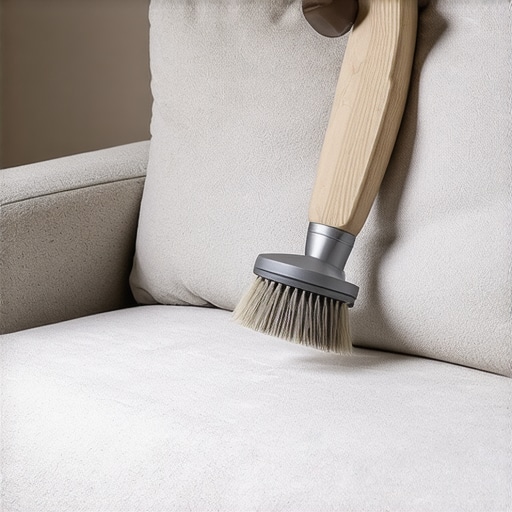
Start by gently brushing the sofa with a soft-bristled upholstery brush or a clean, dry sponge. I recall the time I used an old paintbrush on my sofa, which loosened the matted fibers without damaging the fabric. Brush in the direction of the fibers to lift and separate them, instantly improving the texture. Avoid aggressive scrubbing, which can push fibers further down or break them.
Steam With Caution
Next, lightly steam the fabric to relax pressed fibers. Use a handheld steamer set to a low temperature, keeping it several inches away from the surface. I once tried to use my regular clothes steamer on a microfiber sofa, but I saw the fabric start to pucker—so I paused and switched to a fabric-safe setting. The steam helps to lift fibers and restore the plush feel. Ensure good ventilation and do not oversaturate the fabric.
Lift Fibers with a Damp Cloth
Dampen a microfiber cloth with distilled water and lightly wipe the surface. This adds moisture that further relaxes the fabric. During a move-out cleaning, I found that wrapping the cloth around a spatula and gently pressing into the fabric helped to lift the fibers without abrading. Always test on a hidden area to prevent water marks.
Refresh with Fabric Conditioner
Mix a small amount of fabric softener with water in a spray bottle—about one part softener to ten parts water—and lightly mist the sofa. This not only makes the fabric smell great but also softens fibers. I did this after cleaning a client’s couch, and their kids kept commenting how soft it felt afterward. Be cautious to spray sparingly to avoid oversaturation.
Let It Rest and Fluff
Finally, allow the sofa to air out for a few hours. Fluff the fibers by brushing again or using a clean, dry towel to lift the texture. I once left a sofa to dry overnight, and the morning revealed dramatically improved plushness. Regularly repeating these steps every few months keeps your upholstery looking fresh and inviting.
If you’re unsure about the best methods for your fabric, consider consulting a professional. For larger projects or stubborn stains, expert help can prevent accidental damage. Check out this guide for more upholstery care tips or contact professionals here.
Many homeowners believe that a quick spray of disinfectant or a sweeping mop suffices for thorough sanitization, but this is a dangerous misconception. Experts emphasize that proper sanitizing goes beyond surface-level cleaning; it requires understanding the nuances of pathogen survival, especially on porous surfaces. For example, a common mistake is assuming that alcohol-based sprays instantly sterilize all areas. In reality, alcohol alone isn’t effective on porous materials like upholstery or carpets, where bacteria and viruses can embeddedly persist. According to a study published in the Journal of Applied Microbiology, many disinfectants fail to reach the microorganisms hiding within porous textures, making deep cleaning crucial for genuine safety.
Why do so many cleaning practices fall short in eliminating germs?
One advanced mistake is neglecting the contact time required for disinfectants to be effective. Many products need to remain wet on surfaces for a specific duration, often several minutes, to eradicate pathogens fully. Rushing the process or wiping away too soon creates a false sense of security. This oversight is all too common, especially during routine quick cleans, yet it significantly diminishes disinfection efficacy. Moreover, misunderstandings about the difference between cleaning and disinfecting often lead to using products improperly. Cleaning removes dirt and debris, but disinfecting involves killing germs—using the right chemical agents properly is vital. Consulting trusted resources such as this detailed guide can help homeowners elevate their practices.
Another subtle mistake is overlooking high-touch areas like doorknobs, light switches, and remote controls. While these spots are frequently cleaned, neglecting to use valid disinfectants or not following proper procedures allows germs to linger. A habitual oversight is assuming that regular dusting or wiping with a damp cloth counts as sufficient sanitization, which isn’t the case. Deep, targeted cleaning with proven disinfectants, and following manufacturer instructions for contact time, ensure the safety you seek.
For those handling move-out cleans, it’s often overlooked that thorough sanitation impacts deposit returns. Landlords increasingly scrutinize not just visible cleanliness but also microbial safety, especially in light of recent health concerns. Using effective strategies like detailed move-out cleaning checklists can make a difference in your final inspection. Remember that employing the right tools—like microfiber cloths for capturing microbes and steam cleaners for deep disinfection—can elevate your results. And don’t forget: Rushing through a cleaning job can lead to missed spots and incomplete sanitation. Consistency and attention to detail matter more than most realize.
Have you ever fallen into this trap? Let me know in the comments. For a comprehensive approach that combines deep cleaning with expert-approved sanitizing techniques, consider consulting professionals or reviewing trusted resources. Proper sanitization isn’t just about appearance; it’s about your safety and well-being.Maintaining a spotless and sanitized home requires the right tools and consistent practices. Over the years, I’ve refined my toolkit to include equipment that not only delivers professional results but is also user-friendly and durable. One favorite is my **Vapamore MR-900 Ottimo Steam Cleaner’s** handheld attachment. I personally use it because the adjustable steam pressure allows me to target stubborn stains on upholstery and deep-clean tiled surfaces without harsh chemicals. Its steam output effectively loosens dirt and kills germs, making it ideal for ongoing maintenance rather than just one-off cleans.
How do I keep my cleaning tools in top shape over time?
To extend their lifespan and ensure optimal performance, I regularly descale my steam cleaner with reference to the manufacturer’s guidelines, which I find in their official maintenance tips. For microfiber cloths and mops, I avoid over-soaping or using fabric softeners, as these can clog fibers and reduce their effectiveness. Instead, I rinse and air-dry them after each use, which prevents bacteria buildup. I’ve learned that investing in **high-quality microfiber**, like the ones from *Norwex*, minimizes lint and enhances cleaning efficiency over time. Regularly replacing worn-out pads ensures consistent results, especially during deep cleaning sessions before move-outs or upholstery refreshes.
What software or apps help streamline home cleaning schedules?
On the digital side, tools like **Trello** or **Todoist** are invaluable for setting recurring tasks and reminders. I use Trello boards divided into categories like ‘Daily Maintenance’, ‘Deep Cleaning’, and ‘Upholstery Care’. This visual approach keeps me accountable and ensures that I never miss routine tasks—like sanitizing high-touch spots or scheduling professional cleaning for carpets and furniture. Scheduling regular maintenance minimizes long-term issues and keeps homeowners ahead of potential problems, such as mold growth or fabric deterioration.
Where do I see home cleaning tech heading in the future?
The trend points toward smarter, AI-integrated devices that learn your home’s unique needs. For instance, I predict that autonomous vacuum cleaners will soon integrate with moisture sensors to alert you when upholstery needs a refresh before stains set in. Additionally, advancements in eco-friendly, hospital-grade disinfectants are likely to make their way into consumer-grade equipment, making sanitation both safer and more accessible. Staying updated with these innovations means I can adopt cutting-edge tools for more efficient maintenance routines, reducing effort while improving results.
Make Your Maintenance Routine Resilient
Incorporating these tools and practices into your cleaning routine will yield lasting results and ease the burden of ongoing upkeep. To get started, try using your microfiber cloths with a mild vinegar solution for gentle yet effective dust removal. Remember, consistent maintenance is the key to a healthier, more welcoming home. If you’re ready to elevate your cleaning game, consider reaching out for expert advice on integrating advanced equipment or scheduling professional services to complement your DIY efforts—hit this contact page to connect with specialists who can guide you further.
The Hardest Lesson I Learned About Sofa Care
Initially, I thought vacuuming was enough to revive my flattened microfiber sofa, but I quickly realized that improper techniques can cause more harm than good. Gentle brushing in the direction of the fibers truly transformed the texture, teaching me that patience and understanding your fabric are essential. Over-aggressive methods can damage fibers permanently, so slow and deliberate care yields better results.
Hidden Gems in Upholstery Restoration
Steam cleaning isn’t just about disinfecting; when used correctly, it relaxes pressed fibers and brings back that soft, velvety touch we all crave. I learned to avoid high temperatures and overly saturated steam, which can cause puckering or damage. Instead, a low, consistent steam from a fabric-safe steamer makes all the difference, making your sofa feel new again.
The Power of a Damp Cloth and Soft Touches
Moistening a microfiber cloth slightly with distilled water and gently lifting the fibers allowed me to refresh my sofa without harsh chemicals. This simple step, combined with regular brushing, keeps the texture plush and inviting. Testing in a hidden spot first is always wise, preventing water marks or damage.
Why Proper Sanitizing Goes Beyond Surface Cleaning
Many homeowners overlook that disinfecting porous surfaces like upholstery requires patience and the right products. Rushing through quick sprays or wiping often leaves germs behind. Using disinfectants properly, following contact time recommendations, ensures your sofa not only looks good but is genuinely safe and hygienic, especially important after move-outs or for homes with pets. Check out trusted cleaning experts for more tips on effective sanitizing techniques.
Tools That Make the Difference
Investing in quality tools like microfiber cloths from trusted brands ensures consistent results over time. Regularly replacing worn-out pads and descaling steam cleaners prolong their lifespan. I use my Vapamore MR-900 Ottimo steam cleaner for its adjustable pressure and chemical-free cleaning, making upholstery care safe and effective. Proper tool maintenance, like descaling and rinsing, keeps tools performing at their best.
Embark on Your Upholstery Revival Today
If you’re inspired to bring your microfiber sofa back to life, remember that consistency and gentle techniques are your best friends. Combining proper brushing, steaming, and subtle moisturizing creates a plush texture that enhances your entire living space. Ready to take the next step? For personalized guidance or professional cleaning options, reach out through this contact page. Your refreshed, inviting sofa awaits!
Lessons from My Journey to a Cleaner Home
- Over-scrubbing damages fibers—gentle, consistent care works wonders.
- Steam, when used correctly, relaxes fibers and restores plushness, but temperature and saturation matter.
- A damp microfiber cloth is surprisingly effective for subtle, chemical-free refreshing.
- Proper disinfectant contact time is crucial for genuine sanitization, especially with porous surfaces.
- Having the right tools and maintaining them ensures your home stays inviting and safe in the long run.
What’s Your Next Step Toward a Clean, Cozy Home?
Are you ready to give your upholstery the attention it deserves? Share your experiences or questions below—let’s make home care a rewarding journey!