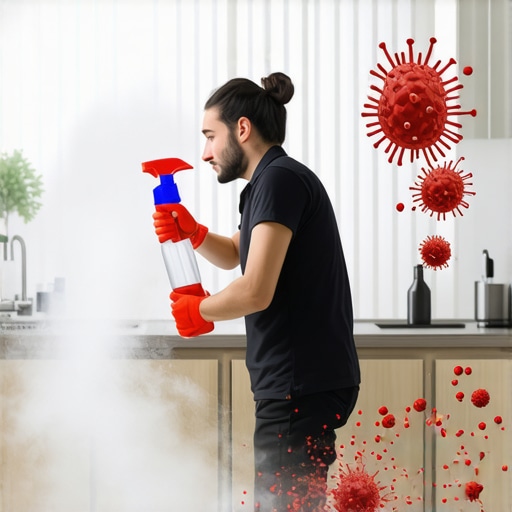
It was late afternoon when I realized I’d spent an entire weekend cleaning and disinfecting my kitchen, only to find that the counters and surfaces still felt sticky and somehow off. That sinking feeling hit me—I had been doing it all wrong. Instead of eliminating germs, my efforts might have been spreading bacteria around, making my space less safe than before.
Why Common Disinfecting Routines Can Backfire
Many of us, including myself early on, believed that spraying disinfectant generously and wiping everything down was the key to a germ-free kitchen. But I learned the hard way that overdoing it or using the wrong products can create a paradoxical effect. In fact, some disinfectants, if used improperly, can leave residues that trap dirt and bacteria, or even promote resistant strains of germs. A study published in the Journal of Applied Microbiology found that improper disinfectant use can sometimes increase bacterial survival rates, especially when surfaces aren’t cleaned thoroughly beforehand.
This was my mistake: I was relying on disinfectants alone, ignoring the importance of proper cleaning techniques beforehand. I was also using products that weren’t suitable for certain surfaces or settings. My focus was on chlorine and spray disinfectants, but I missed how residues could linger and foster bacteria if surfaces weren’t pre-cleaned. It dawned on me that my approach might be doing more harm than good, especially in high-touch spots like countertops and handles.
Have you ever faced the frustration of thinking you’re sanitizing effectively, only to feel your efforts are wasted?
If you’ve experienced this, you’re not alone. Many homeowners fall into the trap of believing more disinfectant equals better cleaning, but the truth is, technique and product compatibility matter just as much as quantity. As I gradually learned, the real trick lies in understanding which products to use, how to apply them correctly, and the importance of initial cleaning steps to remove dirt and grime—otherwise, you’re essentially just spreading bacteria around, not eliminating them.
By sharing my experience, I hope to help you avoid the same pitfalls. In the sections ahead, I’ll walk you through practical, proven strategies for truly sanitizing your kitchen, without risking the spread of bacteria that could compromise your health or your security deposit. Curious to see how simple adjustments can make a huge difference? Let’s dive into what truly works.
Start with a Deep Cleaning Foundation
Before disinfecting, remove all visible dirt and grime. Use a damp microfiber cloth or a scrub brush on stubborn spots, applying a mild detergent. I recall times I scrubbed greasy stove tops with baking soda, which broke down stubborn stains without damaging surfaces. This initial step ensures disinfectants can work effectively without lurking dirt reducing their efficacy.
Pre-Clean Surfaces Thoroughly
Wipe down all surfaces with a damp cloth to remove dust, oil, and residues—especially in hard-to-reach corners. Think of this as clearing the stage; you can’t set the scene if it’s cluttered. For instance, I meticulously cleaned behind the fridge and under cabinets, which often harbor dust bunnies and debris, ensuring a clean base for disinfectants to work.
Use Appropriate Cleaning Products
Select products compatible with each surface type. For example, avoid harsh chemicals on delicate countertops; opt for pH-neutral cleaners. When I cleaned my quartz countertops, I used a mild, non-abrasive cleaner, preventing scratches and discoloration. Proper product choice prevents damage, which could lead to deductions during move-out inspections.
Apply Disinfectants Correctly
Follow the manufacturer’s instructions precisely—many disinfectants require a specific contact time (often 10 minutes). I learned this when disinfecting my bathroom tiles; rushing through reduced effectiveness. Remember, applying a thin, even layer is better than oversaturating, which can leave residues and make surfaces feel sticky.
Focus on High-Touch Areas
Pay close attention to handles, switches, and knobs. These spots are hotbeds for germs. I always used a cloth dampened with disinfectant on door handles, giving special attention to bathroom and kitchen fixtures. Consistent, targeted cleaning reduces cross-contamination risks effectively.
Let Surfaces Dry Naturally
Allow disinfectants to air-dry to maximize contact time. Wiping prematurely can lessen disinfectant contact. During my last move-out, I left surfaces to dry for at least 15 minutes, ensuring bacteria and viruses were thoroughly neutralized. This simple step can prevent residues that trap bacteria or cause surface damage.
Special Care for Upholstery and Fabrics
Upholstered furniture seems tricky, but careful cleaning pays off. Use a vacuum with an upholstery attachment first, then spot clean with appropriate extracts. For delicate, stain-prone textiles, I applied gentle steam cleaning, which sanitized without risking fabric damage. For soft furnishings, I recommend checking out these upholstery tips.
Address Hidden Spots for a Full Clean
Don’t forget vents, baseboards, or behind appliances—areas often overlooked but crucial for move-out inspections. I once removed dust from behind the dishwasher, revealing grime that could’ve cost a deposit. Use flexible brushes or compressed air for hard-to-reach places.
Verify and Maintain Your Progress
After cleaning, walk through each room, checklist in hand, to ensure no spots are missed. I kept a move-out cleaning checklist from this guide to stay organized. Regular checks prevent last-minute surprises, ensuring your home passes inspection with flying colors.
Many tenants and homeowners believe that following a generic cleaning checklist guarantees a successful move-out, but in my experience, that couldn’t be further from the truth. A common myth is that simply disinfecting visible surfaces is enough; however, experts emphasize the importance of paying attention to often-overlooked details. For instance, overlooked areas like behind appliances or vent covers can harbor grime and bacteria, leading to unexpected deposit deductions. A study by the Environmental Protection Agency highlights how bacteria can survive on surfaces even after routine cleaning, especially if those surfaces are neglected or cleaned improperly.
Why Do Professional Cleaners Focus on Hidden Spots?
Professional cleaners know that move-out inspections are highly detailed, and many times, the smallest overlooked spot can result in losing your deposit. For example, often-forgotten areas like drainage grates or under furniture can be repositories for dirt, mold, or pet hair, which are flagged during inspections. A key mistake many make is treating cleaning as a superficial task, assuming that wiping visible surfaces is enough. To truly pass move-out scrutiny, comprehensive cleaning that includes detailed attention to hidden and hard-to-reach spots is essential. For expert tips on thorough cleaning, check out this comprehensive guide. Another often overlooked aspect is the importance of verifying cleaning results. Using a checklist aligned with the specific requirements of your lease or local regulations can prevent surprises. Regularly walking through the space and marking off cleaned areas ensures nothing is missed, especially high-touch and hidden spots. Remember, questions about advanced cleaning methods or specific surfaces can be directed to professionals—don’t hesitate to reach out via contact us.When it comes to maintaining a spotless home, having the right tools can make all the difference. Personally, I rely on a combination of professional-grade equipment and smart technology to ensure my space remains pristine long-term. A high-quality steam cleaner, for example, is indispensable for deep cleaning upholstery and hard surfaces without harsh chemicals, which not only saves money but also reduces health risks. I recommend the Vaporetto Smart 100_B, a reliable model that delivers hospital-grade sanitation in minutes, perfect for sanitizing bedding, curtains, and furniture items like the ones discussed in the upholstery cleaning tips available at this resource. I personally use a compact handheld steam unit for quick touch-ups during weekly maintenance, but for move-out preparations, a larger, professional-grade steamer helps ensure all hidden spots are properly sanitized, especially behind appliances and in vents, which are crucial in avoiding deposit deductions. Furthermore, investing in a quality microfiber mop system, like the Swiffer WetJet with refillable solutions, helps automate routine cleaning with minimal effort, allowing me to focus more on long-term upkeep strategies. As technology evolves, smart cleaning devices are gaining popularity—robot vacuums equipped with HEPA filters and mapping capabilities can proactively manage daily dirt, reducing the workload significantly. I utilize a robot vacuum like the Roomba i7+ because it learns the home’s layout and targets high-traffic areas efficiently, which I discuss in depth in effective house cleaning secrets from experts. Predictions for the future highlight an increasing shift towards integrated cleaning systems that combine vacuuming, mopping, and even UV sanitizing—making regular maintenance almost effortless.
How do I keep my tools performing over time?
To ensure your cleaning equipment lasts, regular maintenance is key. Clean filters after each use, check for worn belts or brushes, and follow manufacturer instructions strictly. For example, replacing microfiber mop pads weekly prevents buildup that could harbor bacteria or diminish cleaning performance. Applying niche expertise, the U.S. EPA emphasizes that correctly maintained tools not only extend device longevity but also enhance sanitation efficacy, especially when handling bio-based fabrics or sensitive surfaces. I personally schedule quarterly deep cleanings for my steamers and vacuum filters to maintain peak performance. Want to see improvements? Try a quick maintenance routine with your most-used tool today, and notice the difference in efficiency. For more guidance on maintaining your cleaning arsenal, visit this contact page where experts can offer personalized advice. Long-term results depend on consistent upkeep—think of your tools as investments, not just disposable items. As I plan for future renovations or move-outs, I ensure my equipment is in top shape, which saves me from last-minute surprises and costly replacements.After years of common tips falling short, I uncovered the importance of strategic cleaning—it’s not just about scrubbing but about understanding how surfaces and hidden spots interact with sanitation efforts. The deep lessons I learned include embracing thorough pre-cleaning to remove stubborn residues, realizing that high-touch areas require targeted attention, and recognizing that investing in the right tools magnifies results. It’s one thing to follow a checklist, but truly effective move-out cleaning is about cultivating an eye for detail and using science-backed techniques. These insights transformed my approach, saving time, money, and nerves when facing the dreaded move-out inspection. Remember, the little details—like behind appliances or vent covers—can make or break your deposit return. Incorporate these lessons, stay vigilant, and your home will shine brighter than ever, ensuring peace of mind with every sweep and wipe.
The Disinfectant Mistake That Actually Spreads Bacteria Around Your Kitchen