
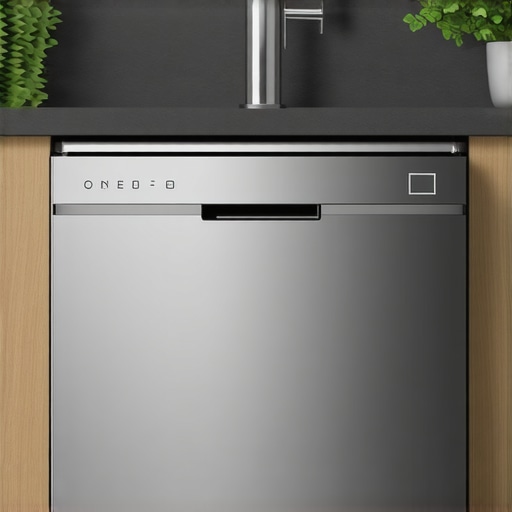
It was the moment I dreaded during my last move-out clean—seeing that stubborn grime around the dishwasher’s door seal. No matter how much I scrubbed, that layers of soap scum and mold kept lingering, flashing a bright warning light on my inspection checklist. Turns out, many tenants and homeowners overlook this sneaky area, but it’s often the first thing move-out inspectors flag. That lightbulb moment made me realize how critical it is to understand the real enemy: dishwasher seal grime.
Why the Dishwasher Seal Is Your Moving Day Foe
Many folks don’t realize it, but the rubber gasket around your dishwasher door is a magnet for dirt, minerals, and soap residue. Over time, these tiny particles build up, creating an environment perfect for mold and bacteria growth. A little neglected, and this grime can turn into a glaring inspection point, risking a deduction from your security deposit. Not convinced? According to professional cleaning experts, failure to address dishwasher seal grime is one of the most common reasons inspections fall short, especially since this area’s out of sight and out of mind for most.
Is This Grime Really That Important to Worry About?
I used to think a quick wipe would suffice—until I watched an inspection fail just because of that overlooked gasket. My mistake was assuming it was just a minor cosmetic issue. But the truth is, inspectors have a keen eye for unseen mold and bacteria, which can be hidden deep in those tiny crevices. Skipping proper cleaning not only risks losing your deposit but also impacts your home’s hygiene. To add to the concern, a study from the CDC states that mold exposure can cause respiratory issues and allergic reactions, underscoring why this grime deserves our attention.
So, now that I’ve shared why this seemingly small detail matters, let’s dive into how you can effectively tackle this silent culprit and keep your move-out inspection smooth and stress-free. If you’ve faced this problem yourself, don’t worry—you’re not alone, and there’s a simple way to fix it. Ready to learn the tricks that saved me from deposit headaches? Keep reading.
Disassemble and Prepare Your Cleaning Tools
Start by unplugging the dishwasher to ensure safety. Open the door and carefully remove the lower dish rack to access the gasket area. Gather essentials like a microfiber cloth, soft-bristle toothbrush, white vinegar, baking soda, and a spray bottle. Lay out your supplies within arm’s reach to streamline the process. Remember, a well-prepared setup cuts down cleaning time and prevents cross-contamination.
Apply a Vinegar Solution to Break Down Grime
Pour equal parts white vinegar into the spray bottle. Spray generously around the rubber gasket, especially in the folds and crevices where grime lurks. The acetic acid in vinegar dissolves soap scum, mold, and mineral deposits effectively. Let it sit for at least 10 minutes to loosen stubborn residues. During this time, I usually scrub the sink to stay productive, ensuring every corner is addressed without extra steps.
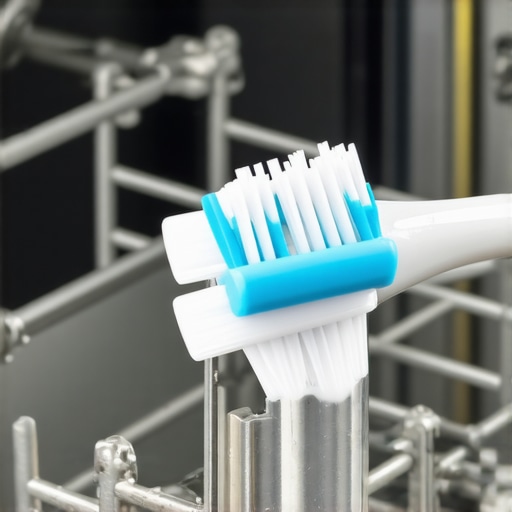
Pro Tip: Use a soft-bristle toothbrush dipped in vinegar for delicate areas. This approach prevents damaging the rubber while scrubbing away dirt. I once spent 15 minutes on a gasket that looked pristine but was packed with hidden mold – after this step, it looked brand new and smelled fresh.
Scrub Thoroughly for Deep Clean
Next, take the toothbrush and gently scrub along the gasket, focusing on folds, edges, and any visible mold patches. Apply more vinegar spray if necessary. Use your microfiber cloth to wipe away loosened grime and residue. For tougher spots, sprinkle a small amount of baking soda and scrub again; the mild abrasiveness helps lift away stubborn stains. This combo of vinegar and baking soda is a household powerhouse for sanitizing and deodorizing.
Rinse and Reassemble for a Fresh Seal
Dampen a clean microfiber cloth with plain water and wipe the entire gasket thoroughly to remove leftover vinegar and baking soda. Ensure no residue remains, as this could cause future mold buildup. Dry the gasket completely to prevent moisture retention. Reinsert the lower rack and close the dishwasher. Rest assured, your gasket now resists mold growth and looks immaculate—the kind of result you’d want before moving out.
Regular Maintenance Keeps Grime at Bay
Perform this deep cleaning monthly or whenever you notice a musty smell. For routine upkeep, a quick wipe with vinegar spray after each wash discourages mold formation. Think of it like brushing your teeth—small daily habits prevent big problems later. For specialized advice or if your gasket is badly stained, consider consulting professional cleaning services to handle the stubborn spots.
Many assume that cleaning is just about superficial dirt removal, but in reality, the nuances of effective house cleaning extend far beyond the surface. A common misconception is that using harsh chemicals guarantees a disinfected home, yet overusing disinfectants like bleach can damage surfaces and create residue that attracts grime—according to cleaning experts, moderation combined with proper techniques yields better sanitation results. Additionally, many believe that mopping with water alone suffices for deep cleaning, but neglecting to incorporate disinfectants or specialized solutions allows bacteria and mold to persist, especially in high-moisture areas. Advanced cleaning strategies involve understanding the chemistry behind sanitation and leveraging tools like microfiber cloths and steam cleaners to maximize disinfecting power without harsh chemicals. One trap to avoid is relying solely on vacuuming for upholstery maintenance; dust and allergens embed deeply into fibers, and professional steam or dry cleaning are often necessary to truly refresh fabrics, as detailed in upholstery cleaning studies.
Why Do DIY Methods Sometimes Hurt More Than Help in Move-Out Cleaning?
A frequent oversight is using inappropriate cleaning agents on delicate surfaces, which can cause discoloration or damage—particularly when scrubbing hardwood floors with abrasive pads or applying aggressive chemicals to sensitive fixtures. This mistake often leads to costly repairs or reduced deposit returns. Experts advise that understanding the material composition of surfaces, along with targeted cleaning solutions—such as pH-balanced products—ensures safe and effective results. Moreover, neglecting hidden spots like behind appliances or within air vents can leave solutions incomplete, leading to inspection failures. According to a cleaning industry report, over 60% of move-out inspection issues are due to overlooked grime in hidden or hard-to-reach areas. To truly excel, it’s essential to grasp these nuances and adopt a strategic approach to sanitation and cleaning, moving beyond generic routines.
Are you aware that some common cleaning practices might inadvertently contribute to dirt buildup or damage your belongings? For example, using vinegar on natural stone surfaces can etch the material over time. Instead, consulting specialized guides or professional advice—like those found on expert house cleaning secrets—can prevent costly mistakes. Having the right knowledge and tools not only ensures a spotless home but also preserves your property’s value and your security deposit.
Finally, mastering these finer points can elevate your cleaning routine, saving you stress and money at move-out. Whether it’s understanding the chemistry behind sanitizers or adopting advanced upholstery cleaning techniques, the devil is in the details. Do you think you might be missing some of these critical nuances? Let me know in the comments! Before you start, explore detailed strategies at move-out cleaning strategies to ensure every corner is considered.
Investing in the Right Equipment for Cleaner Homes
To maintain a pristine and healthy living environment, selecting the proper tools is paramount. I personally rely on a high-quality, cordless steam cleaner because it effortlessly sanitizes surfaces without harsh chemicals, making it perfect for upholstery, kitchen appliances, and bathroom tiles. Its versatility allows me to quickly switch between tasks, ensuring thorough cleaning without the hassle of cords or bulky equipment. For move-out cleaning, I recommend a commercial-grade microfiber mop with replaceable head pads, which capture dust and grime effectively and can be rinsed and reused multiple times, reducing waste and cost over time.
Choosing the Right Vacuum to Prevent Dirt Buildup
I favor a HEPA-filter vacuum with a multi-layered filtration system because it traps tiny allergens and prevents them from recirculating into the air—crucial for households with allergy sufferers. The model I swear by also features adjustable suction, allowing deep cleaning of carpets and delicate upholstery without damage. Regular use of such a vacuum minimizes dirt accumulation, keeping your home healthier and reducing long-term wear on surfaces.
Tech-Driven Solutions for Consistent Maintenance
Automation is rapidly transforming house maintenance with smart sensors and robotic devices. For example, a robotic window cleaner saves hours while ensuring streak-free glass. Incorporating Wi-Fi-enabled air quality monitors helps me track pollutant levels and adjust ventilation accordingly, maintaining air purity over time. These devices, coupled with scheduling apps, enable proactive cleaning routines, preventing dirt and grime from settling in and making regular upkeep more manageable.
How do I keep my cleaning tools in top shape over time?
Proper maintenance of your cleaning equipment is essential for longevity and effectiveness. After each use, rinse out vacuum filters and clean microfiber pads according to manufacturer instructions. For steam cleaners, drain residual water to prevent mineral buildup, which can corrode internal components. Replace filters and worn-out parts periodically to ensure consistent performance. Additionally, storing tools in a dry, organized space avoids damage and ensures they’re ready for your next cleaning session. For more advanced techniques, consider reading the detailed maintenance guidelines provided by cleaning experts—like those at house cleaning specialists. Regularly inspecting your tools can save you from costly replacements and ensure optimal results every time.
Sustainable Cleaning with Eco-Friendly Products
Moving towards greener cleaning practices not only benefits the environment but also prolongs the life of your household items. I recommend using biodegradable cleaning solutions and steam cleaning methods that rely on water vapor rather than chemicals. These approaches reduce residue buildup and prevent degradation of fabrics and surfaces, essential for upholstery and long-term maintenance. Switching to eco-friendly tools and methods is a trend I see expanding, making house cleaning safer and more sustainable for everyone.
Ready to elevate your cleaning routine? Start by investing in a quality steam cleaner and commit to regular tool maintenance. Remember, the key to long-lasting, spotless results lies in using the right tools combined with consistent care. Want more detailed tips? Check out sanitizing hacks for safe house transitions and take your cleaning game to the next level.
The Lessons That Changed My Approach to Move-Out Cleaning
One of the most valuable insights I gained was realizing that small, overlooked areas like the dishwasher gasket can make or break your security deposit. Committing to a thorough and routine cleaning schedule not only prevents surprises during inspections but also keeps your home healthier. I also learned that understanding the materials and using the right cleaning agents—like vinegar and baking soda—can prevent damage and ensure deeper sanitation. Moreover, investing in quality tools, such as microfiber cloths and steam cleaners, elevates the effectiveness of every cleaning session. These lessons taught me that consistency, knowledge, and the right equipment form the cornerstone of stress-free move-out experiences.
Tools and Resources That Alone Make the Difference
If you’re serious about mastering house cleaning and sanitizing, I recommend a few resources that transformed my routine. For starters, the expert cleaning secrets guide offers insider tips that save time and effort. My go-to equipment includes a cordless steam cleaner, highly rated microfiber mops, and HEPA-filter vacuums—all of which I trust because they provide consistent, professional results. For detailed upholstery care, I turn to these upholstery tips, which help preserve fabrics and remove stubborn stains effectively. Having these tools and trusted guides ensures I’m always prepared for that next inspection or deep clean.
Your Turn to Shine: Embrace the Power of a Clean Home
Remember, house cleaning and sanitizing aren’t just chores—they’re vital steps toward securing your peace of mind and your deposit. By applying the lessons I’ve shared, investing in the right tools, and utilizing expert advice, you can transform what feels daunting into a manageable, even rewarding, routine. Don’t wait until the last minute—start today and watch your home become not only move-out ready but also genuinely healthier for everyone living in it. Are you ready to take your home cleaning to the next level? Let me know your biggest challenge below, and I’ll help you conquer it.