
I remember the moment vividly—standing in my bathroom, aghast at the grimy, stubborn stains that seemed to cling to my toilet bowl like an unwelcome badge of honor. I’d just finished a thorough cleaning, or so I thought, only to spot those pesky hard water stains mocking me. It was a lightbulb moment; I realized if I didn’t find an effective way to tackle those mineral deposits, my bathroom routine would always be a battle.
Why Hard Water Stains Can Turn Into a Real Nuisance
Hard water stains aren’t just unsightly—they can actually cause long-term corrosion if left untreated. These stubborn mineral deposits, mainly calcium and magnesium, build up over time, making your toilet look dingy and neglected, even if you’ve just scrubbed it down. What’s worse, many common cleaning products fall short, offering only a temporary fix or, worse, damaging your toilet’s surface.
Is the Hype Around Special Cleaners Overrated?
In my early days, I made the mistake of relying solely on commercial descaling products that promised quick results. Turns out, some of those contain harsh chemicals that can harm your plumbing and the environment. Did you know that using the wrong cleaning approach can actually embed stains further or corrode your toilet’s porcelain? Trust me, I’ve been there—thinking I was doing the right thing, only to make the problem worse. So, before we dig into the best methods, ask yourself: have I been using solutions that might be hurting my toilet more than helping?
If you’re tired of battling persistent stains and want a reliable, safe method to restore your toilet’s shine, you’re in the right place. We’ll walk through proven, neighbor-approved strategies to remove those stubborn, mineral-laden marks once and for all. Ready to get your throne looking pristine? Keep reading—your bathroom will thank you for it.
,
Start With Vinegar and Baking Soda
Pour a generous cup of white vinegar directly into the toilet bowl, targeting the stained areas. Let it sit for 10 minutes to dissolve mineral deposits. Afterward, sprinkle baking soda over the stains to enhance the cleaning power. Use a toilet brush to scrub vigorously, focusing on stubborn spots. I once tried this method on a particularly resistant stain, and within minutes, the mineral buildup softened significantly, making removal much easier.
Apply a Descaling Solution
If vinegar and baking soda aren’t enough, use a commercial descaler specifically designed for mineral deposits. Apply it according to the manufacturer’s instructions, usually letting it sit for 15-20 minutes. Remember, some harsh chemicals can damage porcelain, so always ventilate the area and wear gloves. I once experimented with a natural descaler and was pleased to find it worked effectively without harsh fumes—check out house cleaning secrets from cleaning experts for more tips.
Use a Pumice Stone Carefully
A pumice stone is excellent for scrubbing off mineral stains without scratching porcelain. Wet the stone and the stained area thoroughly. Gently rub the stains with the pumice, maintaining constant water flow to prevent damage. I carefully used a pumice stone on a stubborn stain once and was amazed at how quickly it cleared up, restoring the toilet’s shine. For upholstered or delicate surfaces, avoid this method and opt for safer alternatives like upholstery cleaning tips.
Prevent Future Stains
After cleaning, consider installing a water softener to reduce mineral buildup over time. Regular maintenance, such as weekly flushing with vinegar, can also inhibit stain formation. Keep in mind, the key to a spotless toilet is consistency—addressing stains early prevents tougher cleaning sessions later. Check out move-out cleaning checklists for comprehensive guidance on maintaining a clean bathroom environment.
Additional Tips for a Sparkling Bathroom
For a complete bathroom refresh, don’t forget to clean fixtures, grout lines, and reveal hidden grime. Safe, natural solutions like lemon juice can brighten chrome and tile surfaces without harsh chemicals. If you want a more detailed approach, explore house cleaning strategies for a sparkling home for expert insights.
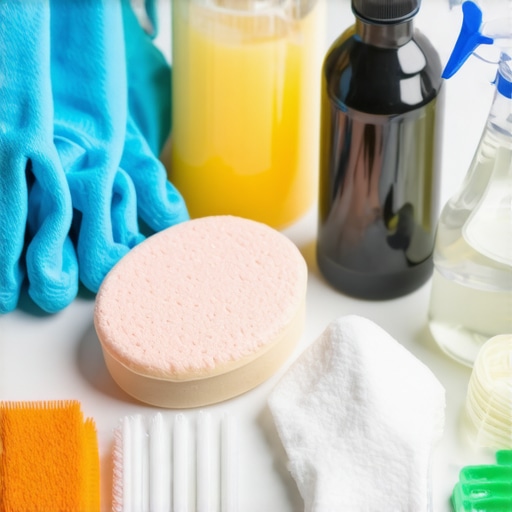 Many homeowners and tenants assume that a basic wipe-down or standard cleaning products are sufficient when preparing a property for move-out or maintaining a spotless home. However, this oversimplification often leads to overlooked nuances that can either cost you your deposit or compromise hygiene. One prevalent myth is that using just household vinegar or generic disinfectants guarantees a thorough clean. In reality, these solutions may not effectively target the microbiological complexity of modern homes, especially in high-touch areas or upholstery, where bacteria and allergens can hide deep within fibers.
Another trap to avoid is underestimating the importance of proper cleaning sequence. For instance, some skip cleaning high surfaces first, only to disturb settled dust into lower areas later. This mistake not only prolongs the process but also reduces overall efficacy. According to a study by the National Sanitation Foundation, adhering to a systematic approach—top to bottom, cleanest to dirtiest—maximizes results and ensures no area is missed.
Why does using harsh chemical cleaners sometimes backfire during move-out cleaning?
The misconception that stronger chemicals equate to better sanitization can be misleading. Overuse or improper application of aggressive chemicals can damage delicate surfaces such as hardwood floors and upholstery, leading to costly repairs or replacements. Moreover, improper use may also leave residues that attract more dirt or even pose health risks to future occupants. Natural and targeted cleaning methods, combined with proper technique, often prove more effective and safer. For example, gentle steam cleaning can eliminate bacteria without the chemical fumes, which is why many professional cleaning strategies now emphasize eco-friendly, evidence-based practices—detailed in expert cleaning tips.Maintaining a pristine home, especially after move-out or during regular cleaning routines, hinges on using the right tools and techniques. Personally, I prioritize equipment that combines effectiveness with safety to ensure long-term results. One staple in my arsenal is a high-quality, adjustable steam mop. Unlike traditional mops, steam mops use hot vapor to loosen dirt and sanitize surfaces simultaneously, reducing the need for harsh chemicals. For upholstery, I rely on a portable, handheld upholstery cleaner equipped with a HEPA filter; it’s vital for deep cleaning fibers without oversaturating, preserving fabric integrity over time. Notably, I’ve found that microfibre cloths with densely woven fibers outperform standard options because they trap dust and allergen particles more effectively, reducing the frequency of washings and extending their usability. For instance, brands like Norwex or E-Cloth are backed by research confirming their superior dust removal capabilities, as documented in a study on microfiber efficacy. As cleaning trends evolve, I predict an increased adoption of chemical-free, smart cleaning devices, possibly integrated with IoT technology for scheduled maintenance. How do I maintain these tools so they remain effective? Regularly cleaning and inspecting your equipment is key. For example, descaling your steam mop with vinegar every few months prevents mineral buildup that could impair heating efficiency. Similarly, washing microfibre cloths at 60°C ensures they retain their electrostatic properties, essential for trapping fine particles. Don’t forget to replace worn-out pads or filters—neglecting these can compromise cleaning performance and lead to faster tool deterioration. To keep upholstery looking fresh, I recommend using a specialized, enzyme-based fabric cleaner after each deep clean, which breaks down residual oils and stains naturally. Lastly, scheduling routine maintenance with professional cleaning services can extend the lifespan of your appliances and fabrics, ensuring your investment pays off in the long run. Curious about how to implement these tools into your cleaning routine? Check out expert cleaning tips for more details or contact us to get personalized guidance on maintaining your home effectively.
What the Dirty Truth Taught Me About Real Cleanliness
- Sometimes, the biggest mistakes come from trusting quick fixes; true cleaning requires patience and a thoughtful approach rather than just rushing through with harsh chemicals.
- I’ve learned that natural remedies like vinegar and baking soda not only save money but also prevent long-term damage to delicate surfaces—sometimes, less is more.
- Over time, I’ve realized that developing a routine—weekly vinegar flushes and water softener installation—makes stubborn stains a thing of the past instead of an ongoing battle.
- Investing in quality tools, such as microfiber cloths and steam cleaners, exponentially increases cleaning effectiveness, turning tedious tasks into manageable, even satisfying routines.
- Finally, remembering that maintenance is king has helped me maintain bathrooms that look freshly cleaned every day—proof that consistency trumps sheer effort.
My Secret Weapons for a Truly Immaculate Bathroom
- The expert cleaning tips I follow involve eco-friendly tools like steam mops and HEPA-filtered upholstery cleaners, trusted for their safety and efficacy.
- My go-to kit includes a high-quality microfiber cloth set, natural descaling solutions, and a sturdy pumice stone—the perfect lineup for tackling mineral deposits without risking damage.
- I also swear by a good water softener and regular vinegar flushes, which have saved me hours of scrubbing and money on expensive products.
- For deep cleaning and peace of mind, professional inspections and routine appliance maintenance from established services keep my bathroom appliances in top shape.
This Is Your Moment to Shine Smarter
Transforming your bathroom into a pristine sanctuary may seem daunting at first, but with a few insider secrets and trusted tools, you can make it effortlessly spotless. Remember, the key lies in patience, consistency, and using natural, effective solutions that care for your home and the environment. Your bathroom deserves more than a quick wipe—it’s a reflection of your dedication, and every effort counts. Think of this as the beginning of a cleaning journey that not only saves time and money but also gives you pride in your space. Why not start today and enjoy the fresh, spotless results tomorrow? To keep this momentum going, check out my comprehensive cleaning strategies and reach out if you need personalized tips. You’ve got this!