
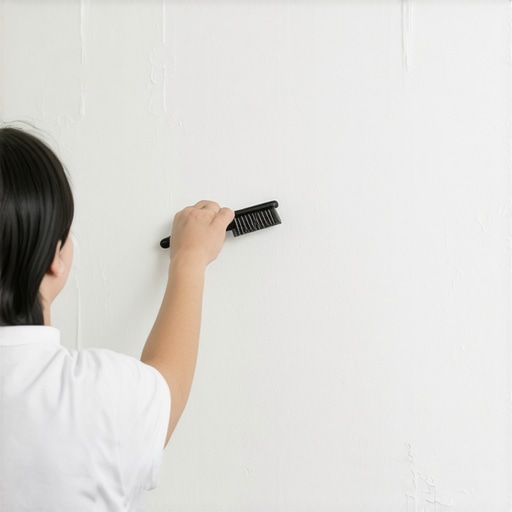
Ever scrubbed your textured walls only to end up with flakes of paint everywhere? That frustrating moment where your attempt at a quick clean turns into a mini disaster. I remember the first time I tried to tidy up my living room walls after a messy project. I thought, “How hard can this be?” but soon, I was faced with a cloud of peeling paint and a sinking feeling. It was a lightbulb moment that there had to be a better way.
The Hidden Danger of Scrubbing Textured Walls
Cleaning textured walls isn’t just about removing dust and grime; it’s about doing it without causing damage. Too often, folks resort to harsh chemicals or aggressive scrubbing, unaware that these can loosen paint and ruin the surface. Trust me, I made that mistake early on—using abrasive sponges and heavy-duty cleaners—that stripped paint even on relatively fresh walls. It took me a while to realize that softer, more thoughtful methods could save me from costly repairs and repainting.
Is It Really Worth the Hype to Skip The Damage?
Just before I cracked the code, I pondered if more rigorous cleaning was necessary. The answer was a firm no. Gentle, proper techniques not only protect your walls but also keep them looking fresh longer. If you’ve been hesitant, worried about making things worse, know this: with the right approach, you can clean textured walls effectively without peeling paint. Want to learn how? Let’s dive in and transform your cleaning routine.
Start with a Clear Plan
Before diving into cleaning, map out specific areas to tackle and gather all necessary supplies. Think of it like plotting a route before a journey—this ensures efficiency and prevents missed spots. For example, I once began a move-out clean without a checklist and ended up retracing my steps, losing precious time. By outlining each task, such as vacuuming carpets or wiping down surfaces, you stay organized and thorough.
Prepare Your Tools and Environments
Use the right tools—microfiber cloths, soft brushes, or a vacuum with HEPA filters—to avoid damage and ensure deep cleaning. For upholstery, selecting appropriate cleaning agents is crucial. I’ve learned the hard way that using standard household cleaners on delicate fabric can cause fading or stiffening. Instead, consult specialized guides like Ultimate Upholstery Care Guide to choose safe products.
Deep Clean in Controlled Stages
Dust and Dust Traps
Start with dusting high surfaces, ceiling fans, and behind furniture. Use a damp cloth to trap dust rather than spreading it around, avoiding the common mistake of dry dusting which just redistributes particles. Remember, those hidden dust traps—like underneath kitchen cabinets or behind radiators—can harbor bacteria and allergens. I once found a month’s worth of dust behind my radiator fins, which I cleaned using specialized brushes. This significantly improved air quality.
Scrubbing Without Damage
For textured walls, avoid abrasive scrubbing which can peel paint. Instead, dampen a soft sponge with a mild cleaning solution—like a mix of warm water and vinegar—and gently wipe in a circular motion. I once saw paint start flaking after using a scouring pad; switching to a soft microfiber cloth saved my walls. Remember, if you want to master wall cleaning without peeling paint, consult this guide.
Sanitize with Precision
Focus on high-touch surfaces—light switches, door handles, remotes—and disinfect them properly. Effective sanitizing involves letting the disinfectant sit for the required contact time—usually around 10 minutes—to eliminate germs. I learned this by reading Effective Sanitizing Methods, which emphasizes patience over quick sprays. Avoid spraying and wiping immediately; this minimizes residual bacteria and viruses, especially important during move-out cleaning.
Address Hard-to-Reach Spots
Areas like behind appliances or inside vents require specific tools—long-handled dusters, flexible brushes, or compressed air. Use these to dislodge debris safely. I once struggled to clean under my refrigerator until I used a flexible crevice tool—this small change made a huge difference in sanitation. Incorporate this step into your regular routine or when doing a thorough move-out clean to ensure no corner is left untouched.
Finish with Freshness
After cleaning and disinfecting, air out the space by opening windows or running exhaust fans. For fabrics and upholstery, light vacuuming with a HEPA filter helps remove lingering allergens. To keep your home smelling fresh, consider fabric fresheners or natural deodorants—never underestimate the power of a quick spritz after deep cleaning.
Remember, combining these structured steps with patience and the right tools will transform your cleaning routine, preserving surfaces and ensuring hygiene. For deep insights and specialized techniques, explore house cleaning strategies and upholstery care tips.
Many homeowners and cleaning enthusiasts walk into their cleaning routines with assumptions rooted in common myths, often leading to subpar results or even damage. As someone who has spent years perfecting the art of thorough and safe cleaning, I can tell you that understanding the nuances makes all the difference. Let’s examine some of the most overlooked mistakes and how to avoid them for truly effective and hygienic home maintenance.
Do Most People Use Disinfectants Correctly?
Contrary to popular belief, the mere spray and wipe method does little to eliminate germs on porous or textured surfaces. Many assume disinfectants work instantly, but in reality, most require a specific contact time—typically around 10 minutes for maximum efficacy. Rushing the process or wiping prematurely can leave bacteria and viruses intact, undermining your efforts. For advanced sanitizing, consider consulting sanitizing secrets that reveal the importance of proper application techniques.
Additionally, using the wrong type of disinfectant for certain surfaces, such as alcohol-based sprays on synthetic fabrics, can cause deterioration. Recognizing surface-specific needs ensures longevity and hygiene. Always check manufacturer labels and consider specialized guides, like the expert cleaning tips.
The Pitfall of Overlooking Upholstery and Hidden Dust Traps
Many assume upholstery just needs vacuuming, but neglecting deep cleaning can lead to allergen buildup and residual odors. Using improper cleaning agents or rough scrubbing can strip fabric coatings or cause discoloration. For example, applying harsh chemicals or aggressive scrubbing on microfiber or velvet can damage the fibers. Instead, gentle techniques coupled with appropriate products, like those outlined in upholstery care guides, preserve texture and prolong lifespan.
Furthermore, neglected dust traps behind appliances or inside vent covers often harbor bacteria and allergens, yet these areas are usually overlooked. Use specialized tools—long-handled dusters or compressed air—to reach these spots periodically. Recognizing these hidden spots ensures cleanliness that goes beyond surface appearances.
How Can You Elevate Move-Out Cleaning Without Extra Effort?
Move-out cleaning isn’t just about superficial tidying; it requires attention to detail that often trip up tenants. Many skip tasks like cleaning behind appliances or inside vents, risking deposit deductions. Employing a strategic checklist, such as the comprehensive ones found at move-out cleaning checklists, can streamline this process and prevent costly oversights.
Another common mistake is using generic cleaning products where specialized ones are needed—like grease removers for kitchen cabinets or mineral deposits cleaners for bathroom fixtures. Using the correct product ensures thorough cleaning without damage, saving time and money in the long run.
Finally, integrating professional-grade tools—such as steam cleaners or eco-friendly disinfectants—can vastly improve results. This not only enhances hygiene but also reduces chemical exposure for your family. Incorporate these insights, and you’ll be surprised how effortless and effective home cleaning can become.
Remember, mastery over cleaning isn’t just about more effort but smarter techniques. By avoiding these common pitfalls and paying attention to the finer details, you can transform your home into a healthier, more inviting space. Do you ever fall into these traps? Let me know in the comments, and share your own cleaning revelations!
How do I maintain my cleaning arsenal over time?
Sustaining an effective cleaning routine requires investing in quality tools that stand the test of time. Personally, I swear by a high-grade microfiber mop paired with adjustable telescoping handles—these are invaluable for reaching high ceilings and behind furniture without risking back strain. Unlike cheap alternatives, these tools resist fraying and maintain their absorbency even after multiple washes, ensuring consistent results. For upholstery, I rely on a professional-grade handheld steamer, which I use regularly to refresh fabric surfaces without harsh chemicals, aligning with the guidance in this upholstery care guide. Maintaining your tools properly—cleaning brushes after use and storing equipment in a dry environment—preserves their lifespan and effectiveness.
Why investing in specialized equipment pays off in the long run
Standard household tools are often inadequate for deep or long-term cleaning needs, especially when preparing for move-out or heavy-duty maintenance. For example, a quality steam cleaner not only sanitizes surfaces more effectively but also reduces reliance on toxic chemicals, which can degrade over time or become less effective. I personally use a commercial-grade handheld steam cleaner for bathroom tiles and kitchen counters, which saves me money on replacements and ensures thorough sanitation. Similarly, investing in a HEPA-filter vacuum with sealed technology is essential for allergy sufferers and contributes to cleaner indoor air. Over time, these equipment upgrades reduce cleaning efforts, improve surface longevity, and ensure healthier living spaces. Trends indicate a move toward smart, connected cleaning tools that monitor usage and signal when maintenance is needed—something to watch for in the coming years.
Make Your Move-Out Clean Stick with a Clear Plan
To keep your cleaning efforts manageable long-term, establish a routine checklist that aligns with your home’s needs. Incorporate the use of socket-mounted UV sterilizers for high-touch areas, which can provide a daily dose of germ-killing sterilization, as recommended in this upcoming trend. Developing habits around regular maintenance—for instance, running your HEPA vacuum on weekdays and steam-cleaning upholstery monthly—can prevent buildup and reduce the time-intensive chores during move-outs. Remember, the key is consistency, combined with the right tools, to preserve your home’s cleanliness over years instead of just weeks.
Embracing these advanced tools and thoughtful routines will streamline your cleaning process and contribute to long-lasting results. Try integrating a microfiber steam mop for your next deep clean—it’s a game-changer for flooring and hard surfaces. Staying ahead with modern equipment not only saves effort but also extends the life of your surfaces and maintains a healthier environment for your family. Interested in exploring the latest innovations in cleaning technology? Keep an eye on upcoming trends like app-connected devices that optimize maintenance schedules, making your home chores smarter and more efficient.
By selecting durable, specialized tools and developing a consistent maintenance plan, you ensure your home stays pristine without constant overhaul. Ready to upgrade your arsenal? Consider trying a professional-grade handheld steamer—your surfaces will thank you, and you’ll spend less time fighting grime in the long run.
What I Wish I Learned About Protecting Textured Walls Early On
One of the most eye-opening lessons was realizing that even gentle cleaning can cause damage if you don’t use the right techniques. I once thought wiping my textured walls with a damp cloth was enough, but I ended up peeling paint that took weeks to fix. Now, I understand that patience and proper tools are key to maintaining their beauty.
Another insight was that overusing chemicals can weaken paint layers over time. I used harsh cleaners thinking they were more effective, only to find my walls looking dull faster. Switching to natural solutions like vinegar-based mixtures has preserved my surfaces and kept them looking vibrant.
The biggest breakthrough was learning about the hidden dust traps behind appliances and in vents. Regularly reaching into these spots with the right tools significantly improved air quality and reduced allergens, making my space healthier overall.
Tools and Tricks That Changed My Cleaning Routine
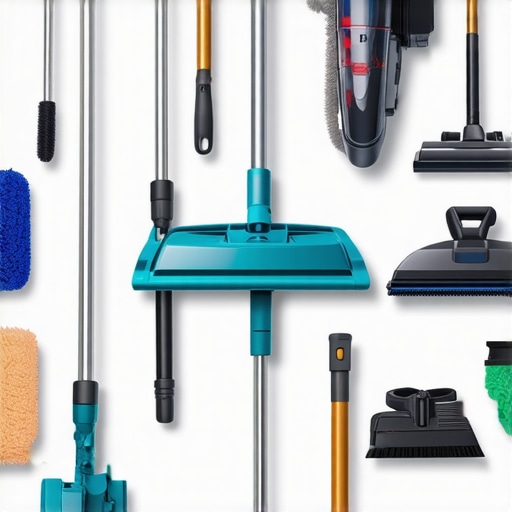
Investing in high-quality microfiber cloths and soft brushes has been a game-changer. They’re gentle on surfaces yet effective at trapping dust and grime. I trust products like the Ultimate Upholstery Care Guide to guide my choices for delicate fabrics and textured walls.
Using a damp microfiber sponge with a mild vinegar solution allows me to clean without risking paint peel-off. I also discovered that a flexible, long-handled duster reaches those tricky spots behind appliances, saving me time and effort in move-out cleanings.
For deep sanitizing, a handheld steam cleaner has become invaluable. Not only does it eliminate germs effectively, but it also reduces chemical use, aligning with my goal of eco-friendly cleaning practices.
Revolutionize Your Approach to Home Hygiene
Dropping the fear of damaging surfaces has liberated my cleaning process. By choosing gentle, purpose-built tools and learning the nuances of proper contact times for disinfectants, I ensure I’m preserving my home’s integrity while keeping it spotless.
If you’re eager to elevate your cleaning game, explore trusted strategies at house cleaning strategies. Small adjustments, like verifying your cleaning solutions or investing in the right equipment, can make a world of difference.
Remember, every home has unique quirks. Embrace the learning curve and give yourself permission to try new methods. With patience and the right mindset, you’ll find joy in maintaining a beautiful, healthy space.