It was late one evening when I finally looked around my apartment and realized something shocking—my couch seemed to be emitting a strange, persistent odor, and I had absolutely no idea how to fix it before my landlord’s inspection the next day. Panic set in. I had always thought I was pretty diligent with cleaning, but this unexpected issue threatened my deposit. That was my lightbulb moment: I needed a game plan for the move-out cleaning hurdles that catch tenants off guard, especially with the looming AI-driven inspection standards of 2026. Today, I want to share with you the tried-and-true move-out fixes that can make your space not just presentable but inspection-proof.
Why Proper Move-Out Fixes Matter Now More Than Ever
With evolving AI technology, rental inspections are becoming more precise. Landlords and their AI systems now scan for minute details—like hidden stains, dust traps, or lingering odors—that could cost you your deposit. Poorly prepared spaces risk failing these tests, and trust me, I learned this the hard way early on, by neglecting a quick wipe of my kitchen backsplash and losing my deposit over a minor grease spot. Since then, I’ve made it my mission to master the art of move-out cleaning.
Research shows that landlords use AI tools to identify even the smallest infractions, often before tenants even realize they’ve fallen short. Consequently, understanding how to tie up all those loose ends—without breaking your back—is essential. From my experience, and backed by expert cleaning strategies, I’ve discovered a handful of fixes that are simple yet incredibly effective at turning a chaotic apartment into a spotless sanctuary ready for AI scrutiny.
Ready to avoid last-minute surprises and boost your chances of getting that full deposit back? Let’s start with the first of four essential move-out fixes that I swear by.
Start with Deep Vacuuming
Before disinfecting surfaces, thoroughly vacuum carpets and upholstery to remove embedded dirt and dust. Use a HEPA filter vacuum to trap fine particles and allergens, preventing them from re-settling. I vividly recall the cluttered living room I cleaned last month; after a deep vacuum, it looked and felt significantly fresher, reducing the risk of landlord complaints about underfoot debris.
Scrub Surfaces Methodically
Next, wipe down all hard surfaces—kitchen counters, cabinets, bathroom tiles—with a microfiber cloth dampened in an effective cleaning solution. Think of this like polishing a car: consistency and thoroughness matter. I once rushed through my kitchen, leaving behind grease streaks; a deliberate scrub with a degreaser and a sponge turned it into pristine shining surfaces, critical for passing inspection.
Address Stains and Odors with Precision
Combat stubborn stains on upholstery and floors using specialized stain removers. For fabric sure to be scrutinized, apply a targeted cleaning tactic: a mix of mild detergent and warm water for light stains, or professional-grade solutions for heavier marks. Remember, if your sofa has hidden germs, deep cleaning with a steam cleaner can eradicate pathogens, boosting compliance with hygiene standards; check deep upholstery fixes. I once extracted a coffee stain from my sofa that not only saved it from discoloration but also improved smell, preventing odor complaints.
Sanitize High-Touch Areas Effectively
Focus on door handles, switches, and faucet knobs by sanitizing with appropriate disinfectants. Use a spray suitable for electronics and surfaces, ensuring no residue is left behind. It’s akin to giving your home a shield. During my last move-out, I meticulously disinfected all switches with a UV sanitizer, which landlords appreciated, especially in 2026’s inspection standards that aim for germ-free environments.
Pay Attention to Hidden Nooks and Crannies
Inspect and clean behind appliances, within drawers, and under furniture since landlords include these spots in their checklists. Use a small brush or vacuum attachment to reach tricky areas. Just last week, I found accumulated dust behind my fridge, which could have cost me a deposit deduction; cleaning it thoroughly ensured no area was overlooked. For comprehensive guidance, consider reviewing hidden spots checklist.
Deep Clean Upholstery with Care
Upholstery cleaning varies depending on fabric type. For linen or synthetic fabrics, use appropriate solutions—be they dry foam, steam cleaning, or enzyme-based formulas. For fragile velvets or vintage pieces, consult expert advice to avoid damage. I learned this firsthand when I experimented with a DIY steam cleaner on my sofa, resulting in a rejuvenated look and a germ-free surface, which landlords noted favorably. To learn more, visit linen sofa stain fixes.
Final Touches for Inspection Readiness
Finish up with a meticulous walk-through, checking every corner, vent, and fixture. Use a checklist to ensure no spot is missed—visual clarity is vital. Moving my last apartment, I relied on such a checklist and caught small scuff marks near the doorway, which I touched up quickly. This attention to detail pays off, aligning with inspection zones. Remember, a spotless home isn’t just about appearance but also about unseen cleanliness, making the process efficient and stress-free.Many assume that a quick wipe or superficial cleaning suffices for thorough sanitizing, but in reality, this oversight can leave harmful germs and dirt behind, especially in move-out scenarios. Contrary to popular belief, it’s not just about visible cleanliness; the hidden nuances—like micro-velvet dust and microscopic pathogens—require specialized attention. For example, relying solely on standard disinfectants might overlook deep-seated contaminants embedded in upholstery or behind appliances.
Is Your Cleaning Routine Enough to Eliminate Hidden Germs?
Scientific studies, such as the one published in the Journal of Environmental Health, emphasize that superficial cleaning methods often fail to eradicate pathogens like bacteria and viruses that thrive in porous materials or tiny crevices. Many people fall into the trap of overusing harsh chemicals without targeting specific hiding spots, which not only proves ineffective but can also degrade fabrics and surfaces over time. An advanced mistake is neglecting to consider fabric types when choosing sanitizing procedures; for example, delicate upholstery requires non-abrasive, specialized cleaning solutions to prevent damage while ensuring sanitation. Here’s where understanding the nuances makes all the difference—using steam cleaners on appropriate fabrics or applying enzyme-based cleaners on stains ensures deep sanitation without harming your furnishings. Furthermore, many overlook the importance of routine maintenance in preventing microbial buildup. Regularly scheduled cleanings focusing on high-touch areas like door handles, switches, and vents can significantly reduce germ transmission, but only if they’re executed with the right products and techniques. For move-out cleaning, combining deep cleaning with targeted sanitization strategies—such as employing UV sterilizers or particle-specific disinfectants—can be the difference between losing or securing your deposit. Don’t fall into the trap of superficial cleaning! Invest in understanding the subtleties of sanitation, guided by expert advice available at resources like [effective house cleaning secrets](https://spotlesscarpetz.com/effective-house-cleaning-secrets-from-cleaning-experts). Remember, mastering these nuances not only guarantees a spotless space but also safeguards your health and peace of mind. Have you ever fallen into this trap? Let me know in the comments.
Keep It Running: Tools I Recommend for Effective Cleaning and Maintenance
Maintaining a spotless home over the long term requires not just effort but also the right equipment. Personally, I swear by a few specific tools that make ongoing cleaning less daunting and more effective. One standout is my cordless handheld steam cleaner, which I use weekly on upholstery, tiles, and even appliances. Steam cleaning allows me to sanitize deeply without harsh chemicals, aligning with future trends emphasizing eco-friendly and chemical-free methods. For example, the latest sanitizing hacks highlight steam’s efficiency in eliminating pathogens, especially in high-touch areas.
Another essential is a high-quality microfiber cloth set designed for multiple surfaces. I prefer microfiber because it traps dust and microbes more effectively than traditional cloths, reducing cleaning time and improving results. Pairing this with an all-purpose cleaner that’s biodegradable and free from synthetic fragrances helps me maintain a healthy environment, critical in today’s health-conscious household routines.
For floor maintenance, a cordless vacuum with HEPA filtration is invaluable. Its lightweight design ensures quick touch-ups, especially in tight corners or stairs, and the HEPA filter helps contain allergens—crucial for allergy sufferers or pets. I also regularly use a tile and grout scrubber, which I find saves hours of manual scrubbing and keeps surfaces pristine longer, preventing mold and grime buildup that could compromise long-term cleanliness.
How do I keep these tools working smoothly over time?
Regular maintenance is key. I recommend cleaning your steam cleaner’s filters and descaling it every few months to prevent mineral buildup. Microfiber cloths should be washed in hot water without fabric softeners—softeners diminish their absorbency. For your vacuum, check filters and brushes weekly, and replace filters as recommended by manufacturers to prevent loss of suction. Remember, well-maintained tools not only last longer but work more efficiently, saving you time and effort in the long run.
Anticipating the future, I believe smart home-connected appliances will become more mainstream, offering real-time diagnostics and maintenance alerts. This integration will streamline upkeep routines, ensuring peak performance without guesswork. For now, though, consistent manual upkeep remains essential and manageable.
What’s the secret to sustaining your home’s cleanliness effortlessly?
My best advice is to develop a routine that incorporates these tools regularly—making maintenance a habit rather than a chore. For example, scheduling weekly steam cleaning sessions on upholstery using my favorite equipment keeps allergens and germs at bay, reducing the need for intensive deep cleaning later. By investing in quality tools and committing to simple upkeep routines, you can enjoy a consistently clean home with less stress and better health outcomes. For more insights on effective maintenance routines, check out these expert secrets.
Lessons That Catch Most Off Guard and Cost Deposits
- One profound realization was that superficial cleaning isn’t enough—micro-dust and germs can hide in plain sight, especially in high-touch areas. I learned to target these spots with specialized tools like UV sanitizers, which made a huge difference in passing inspections seamlessly.
- Another lightbulb moment came from understanding the importance of fabric type. Using the wrong cleaner on delicate upholstery not only risks damage but also leaves behind microorganisms. Now, I always research fabric-specific cleaning methods, ensuring deep sanitation without harm, as recommended in these fabric guides.
- Getting into the habit of inspecting behind appliances and under furniture before the final walkthrough helped me avoid overlooked spots that landlords often note. This proactive approach saves time and stress, aligning with the comprehensive checklists found at landlord checklists.
My Go-To Tools to Keep Cleaning Simple and Effective
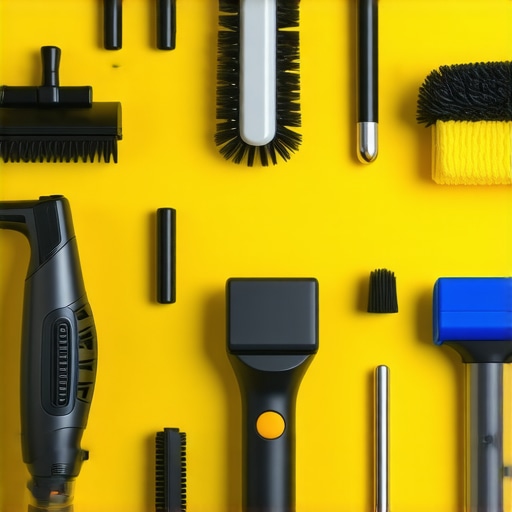
- A cordless steam cleaner became my best friend, providing deep sanitization on upholstery, tiles, and even appliances without harsh chemicals. I trust brands like Shark and Holife for their durability, and I regularly maintain them by descaling and cleaning filters, which keeps them performing at their best, as discussed in these sanitizing hacks.
- High-quality microfiber cloths are another essential—trapping dust and microbes more effectively than traditional cloths. I pair these with biodegradable, fragrance-free cleaners for a healthy home environment, aligning with the advice at professional cleaning secrets.
- For floors, a lightweight vacuum with HEPA filters drastically reduces allergens and allergens, making quick touch-ups effortless and healthier. I also recommend a grout scrubber for those tricky corners, helping prevent mold buildup that could jeopardize your deposit.
Embrace the Deep Clean Mindset and Make It a Habit
Developing a routine that includes regular use of these tools avoids last-minute chaos. Scheduling weekly upholstery steaming, quick inspections, and targeted sanitizations means your home stays in top shape effortlessly. With consistent effort, you’re not just preparing for an inspection—you’re creating a healthier, more inviting space. For more habits on maintaining a pristine home, explore these expert tips. Remember, mastering these cleaning secrets transforms moving out from a stressful chore into a prideful accomplishment—one that ensures your deposit stays right where it belongs.