
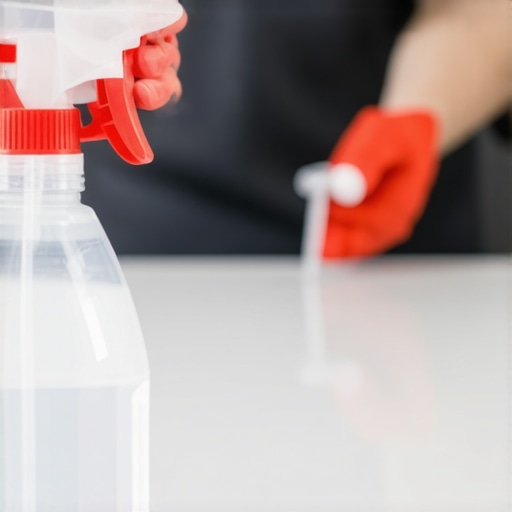
I remember the day I realized I had been pouring my trust—and my disinfectant—into products that might not be doing what I thought they were. It was during a routine deep cleaning before a move-out inspection. I sprayed, scrubbed, and disinfected with vigor, expecting my house to be germ-free and safe. But then, a landlord inspection revealed spots I missed—tiny, stubborn stains and phony-looking clean surfaces. That unsettling moment made me question: "Is my favorite disinfectant really killing germs, or am I just wasting time and money?"
The Hidden Truth Behind Disinfectants and Virus Killers
Since then, I’ve dug into the science and tested dozens of products—both for my peace of mind and to help others avoid my early mistake. Today, I want to share what I’ve learned about the effectiveness of common disinfectants, especially in the context of household virus control. Because in a time when health safety is more crucial than ever, understanding which cleaning supplies truly protect us can save you headaches, money, and—most importantly—your health.
Are All Disinfectants Created Equal? The Reality About Their Virus-Killing Power
In my initial experiments, I picked up every disinfectant I could find, excited to see instant results. But I found that many products claimed to be effective against viruses without any real proof. It turns out that some sprays are more hype than health benefit—thanks to misleading labels that can make us believe we’re safer than we really are. Scientific studies affirm that not every disinfectant kills viruses equally; ingredients matter. For example, EPA-approved disinfectants with active ingredients like quaternary ammonium compounds or alcohol (at least 70%) have demonstrated efficacy against a broad spectrum of pathogens, including SARS-CoV-2 (the virus responsible for COVID-19). You can learn more about these effective formulas in trusted sources like the EPA’s guidelines.
But here’s the kicker—early in my experiments, I used a disinfectant that I believed was top-notch, only to find it ineffective against certain surface viruses. I discovered that data on labels often lacked specifics about virus-killing capabilities, which made me question my whole cleaning routine. That’s a mistake I want you to avoid.
So, if you’re wondering whether your disinfectant is truly up to the task, ask yourself—are you using the right product in the right way? Are you following the recommended dwell time? And do you know what ingredients to look for? These are the questions I’ll help you answer, so your cleaning efforts actually protect your loved ones.
Next, let’s dive into practical steps to identify and choose disinfectants that *really* work—and how to apply them correctly to maximize safety and cleanliness. Because a clean home isn’t just about appearance; it’s about effective virus defense. Ready to find out how?
,
Prepare Your Cleaning Arsenal
Start by gathering all necessary supplies—disinfectants approved for virus elimination, microfiber cloths, scrub brushes, and a sturdy vacuum. Raid your cleaning closet and ensure every item is in tip-top shape. Remember, using EPA-approved disinfectants with active ingredients like ethanol or quaternary ammoniums will boost your efficiency and safety. Having everything ready avoids scrambling mid-clean and keeps you focused.
Tackle Surfaces Methodically
Imagine cleaning like peeling an onion—layers first, then deeper layers. Begin with dusting high surfaces like ceiling fans and light fixtures, using microfiber cloths to trap dust without spreading it. Move to more involved tasks such as cleaning baseboards and underneath appliances. For stubborn grime under the fridge or oven, use a scraper or specialized tool to lift debris without scratching surfaces. Check this move-out cleaning hack for a step-by-step process.
Sanitize Commonly Touched Areas
Next, focus on high-touch zones—door handles, switches, and remote controls. These are the microbiological hotspots that demand the most attention. Spray disinfectant loads liberally and let it sit for the recommended dwell time—usually 1-3 minutes—to ensure viruses are neutralized. Use a fresh cloth to wipe down each surface, avoiding cross-contamination. For electronics, refer to specialized cleaning methods that won’t damage components (see tips here).
Deep Clean Upholstery and Carpets
Think of upholstery as the home’s fabric skeleton—hidden, yet vital. Use a powerful extractor or professional-grade equipment to deep-clean sofas and armchairs. Beforehand, vacuum thoroughly to remove loose debris. For stains, treat with targeted solutions—like a mixture of baking soda and vinegar—then extract or blot. To avoid damage, avoid over-saturating fabrics, especially delicate ones like suede. Here’s how to keep upholstery fresh.
Restore and Finalize
After dirt and germs are gone, focus on restoring surfaces to their original glory. Polish wood furniture to remove water rings and glare. Clean glass surfaces and mirrors with streak-free solutions. Pay attention to hidden corners—behind radiators, inside closets—where grime accumulates unnoticed. Inspect each room, referencing a move-out checklist that covers every detail, reducing the risk of losing your deposit.
Ventilate and Allow for Drying
Finally, open windows and activate fans to ventilate the space thoroughly. This step not only removes lingering chemical smells but also accelerates drying, preventing mold and musty odors. The key is patience—wait at least 30 minutes before re-entering, ensuring all surfaces are fully dry and disinfected. For more sanitizing strategies, visit this resource to fine-tune your process.
Many people believe that a quick wipe-down with standard disinfectant is enough to pass a move-out inspection, but in my experience, this is a significant oversimplification. A common myth is that surface cleaning alone guarantees a clean house; however, pathogens, especially viruses and bacteria, often hide in overlooked spots like behind appliances or within porous materials. Over-sanitizing certain surfaces can also lead to damage—think of abrasive scrubbing harming delicate fabrics or finishes. Experts warn that improper cleaning techniques may spread germs rather than eliminate them, especially if the act of cleaning redistributes microbes or damages protective surfaces, creating new bacterial habitats. It’s essential to understand the science behind effective sanitation, which involves not just chemical agents but proper dwell times and mechanical removal. For instance, quarantine protocols emphasize that disinfectants must stay wet on surfaces for the recommended contact time to effectively neutralize pathogens—a step many forget. Moreover, many overlook the importance of cleaning upholstered furniture thoroughly, as dust mites, pet dander, and microbes can embed deeply in fibers. Deep cleaning upholstery requires specialized methods; otherwise, you risk trapping allergens or even fostering mold growth in humidity pockets.
Are You Overlooking Hidden Microbial Habitats During Your Cleaning?
Research from CDC sources indicates that porous materials like cushions or curtains can harbor microbes resistant to superficial cleaning. This nuance is often missed, leading to false confidence that visible cleanliness equals microbial safety. Additionally, traditional vacuuming might only lift surface debris; high-quality extraction and proper drying are critical to prevent microbial resurgence. Also, users frequently neglect to sanitize high-touch areas like door handles or light switches effectively, trusting sprays without adequate dwell time. This oversight can render even rigorous cleaning efforts ineffective. Don’t fall into the trap of assuming that your cleaning routine is enough—it might just be spreading germs or damaging your belongings. For advanced techniques and contaminant control, consider consulting specialized cleaning guides or reaching out to professionals. Properly understanding these nuances protects your health and ensures you’re not just performing a superficial chore but truly sanitizing your residence. If you’re interested in prolonging the life of your upholstery while maintaining hygiene, check out our ultimate upholstery care guide. Remember, a deeper understanding leads to smarter cleaning—something I encourage you to explore further. Have you ever fallen into this trap? Let me know in the comments.
Gear Up for Continuous Cleanliness
Investing in the right equipment can make all the difference in maintaining a pristine home over time. I personally rely on a high-quality microfiber mop with replaceable heads because it ensures efficient, streak-free cleaning without the need for excessive chemicals. For upholstery, I swear by a portable steam cleaner that utilizes dry vapor—it’s effective against hidden microbes and gentle on fabrics, extending their lifespan. Using tools designed specifically for deep cleaning prevents damage and keeps surfaces in top shape, which ultimately saves you money and effort in the long run.
How do I maintain my cleaning tools over time?
Regular maintenance is essential. For microfiber cloths, rinse thoroughly and hang to dry, avoiding fabric softeners that can reduce their electrostatic properties. My steam cleaner gets a yearly descaling with vinegar or specialized descaling agents, following manufacturer guidelines, to prevent mineral buildup—some sources recommend monthly checks if you have hard water. Replace worn-out brushes and nozzles promptly to ensure peak performance. Keeping tools in a dedicated, organized storage area also prevents cross-contamination and makes your cleaning routine more efficient.
Future of Cleaning Tools and Methods
Advancements in technology suggest that autonomous cleaning devices will become even more sophisticated, incorporating AI to identify dirtier zones proactively. Smart disinfecting systems integrated into home automation are likely to provide real-time monitoring of surface cleanliness, alerting you when maintenance is needed. Staying current with these innovations canfuture-proof your cleaning routine, making maintenance less of a chore and more of a seamless process. As I always say, adopting smarter tools today prepares you for a cleaner, healthier tomorrow—consider testing a robotic vacuum with advanced mapping capabilities next time you shop.
Why is ongoing tool maintenance vital for long-term results?
If you neglect regular upkeep of your cleaning equipment, you risk reduced efficiency and potential surface damage. For example, worn brushes can scratch delicate surfaces or fail to remove embedded dirt effectively. Maintaining your tools ensures consistent results, saving time and extending their lifespan. For detailed guidance, check out this resource. So, why not try descaling your steam cleaner this month? It’s a simple step that preserves your investment and keeps your home sanitized in the most effective way.
The Hardest Lesson I Learned About move-out cleaning and Virus Control
One of my most eye-opening realizations was that even with diligent cleaning, unseen microbes lurk in porous surfaces and hidden corners, which can jeopardize the integrity of a move-out inspection. It became clear that superficial cleaning isn’t enough—truly deep sanitation requires understanding the science behind effective disinfectants and their contact times, as well as paying attention to overlooked areas like upholstery fibers and behind appliances. My biggest lightbulb moment was discovering that using the right tools and techniques can prevent costly mistakes and ensure my home remains both clean and safe for future occupants.
Tools and Resources That Elevate My House Cleaning Game
I trust sources like Effective Sanitizing Methods for a Germ-Free Home because they provide evidence-based strategies that help me choose proven disinfectants and techniques. My clean-up arsenal includes Microfiber cloths, a steam cleaner for upholstery, and EPA-approved disinfectants with active ingredients like ethanol or quaternary ammoniums, which have consistently delivered reliable results. These resources help me stay ahead of the curve and adapt my cleaning routines as new insights emerge. Regularly consulting dedicated guides and expert advice ensures I maintain a hygienic environment with confidence.
Igniting Your Motivation to Keep It Clean
Cleaning isn’t just about appearances—it’s a commitment to health and peace of mind. Remember, each effort you make compounds into a healthier space for you and your loved ones. Embrace the possibility of smarter cleaning methods, invest in reliable tools, and stay curious about new techniques that could revolutionize your routine. You have the power to elevate your house cleaning from an obligatory chore to a form of self-care that enriches your life daily. The key is to start small, stay consistent, and celebrate your progress along the way. Your home is your sanctuary—tend to it with purpose and pride.