
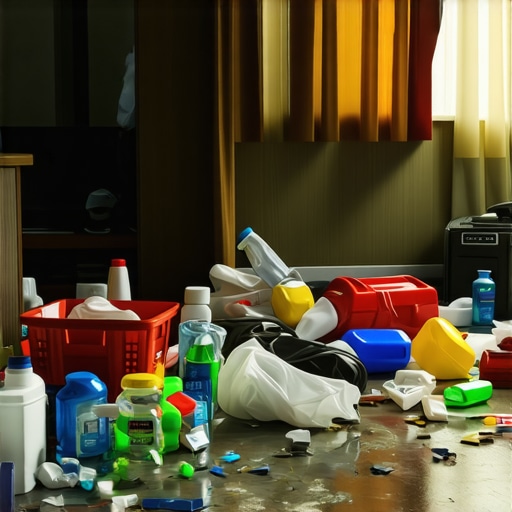
I remember the moment clearly—standing in my soon-to-be-former apartment, eyes wide as I surveyed the chaos left behind. It wasn’t just clutter or dust; it was the sinking feeling that I’d been duped by a cleaning service that promised the moon but delivered a muddy mess. Sound familiar? Many renters face this frustration, realizing too late that their move-out cleaning company was more of a liability than an asset.
Spotting the Red Flags Before Signing the Dotted Line
Have you ever handed over your hard-earned deposit only to be disappointed when your landlord’s inspection reveals spots and stains that weren’t there before? You’re not alone. The secret to avoiding this heartbreak lies in recognizing warning signs early—before you part with your money. Whether it’s rushed work, shady reviews, or vague promises, these clues can save you from costly disputes and the dreaded deposit deduction. Today, we’ll explore practical strategies to vet cleaning companies effectively, drawing from real-life mistakes I’ve made and lessons learned along the way.
Is All That Glitters Really Gold? The Skeptic’s Guide to Cleaning Services
Early in my own cleaning journey, I trusted online reviews without digging deeper. Turns out, some reviews were fake or overly exaggerated. This oversight cost me extra time and cash. According to a study by the Federal Trade Commission, fake reviews are so widespread that they influence over 60% of consumers’ decisions*—a startling fact that underscores the importance of due diligence. So, do you really know what you’re getting when you hire a cleaning company? Or are you falling for glossy promises that don’t hold up in reality? This post aims to cut through the noise, empowering you with eye-opening tips to spot the genuine from the gimmick. If you’ve ever faced the dilemma of whether a cleaning company is legit, you’re in the right place. Let’s get started.
Break Down the Cleaning Process into Manageable Sections
Start by dividing your cleaning tasks into sections—kitchen, bathroom, living areas, and bedrooms. This prevents overwhelm and ensures no spot is overlooked. I once tackled my entire apartment in one frantic session; it was exhausting and inefficient. Instead, creating a checklist for each section, like scrubbing baseboards or cleaning vent covers, helped me stay organized and thorough. For detailed strategies on effective cleaning, visit Effective House Cleaning Secrets.
Prioritize High-Impact Areas with Micro-Detailing
Focus on areas that agents and inspectors scrutinize most—such as grout lines, window tracks, and kitchen appliances. Use small brushes to get into tight spots, much like using a toothbrush to clean stubborn tea stains on my vintage mugs. For instance, I took a dedicated brush to the bathroom grout spots, which are notorious for failing move-out inspections. This attention to detail often makes the difference in securing your full deposit. For tips on deep grout cleaning, check Bathroom Grout Secrets.
Use Science-Backed Sanitizing Techniques
Implement proven sanitizing methods like pre-soaking surfaces with a mix of vinegar and water or using steam cleaners for upholstery. When I cleaned my fabric sofa, I avoided harsh chemicals and instead used a steam cleaner to lift dirt and kill germs, preventing damage and lingering odors. For specific upholstery guidance, refer to Upholstery Cleaning Tips. Remember, letting cleaning solutions sit for a few minutes increases their effectiveness, much like letting a stain remover work before scrubbing.
Address Hidden or Overlooked Spots
Don’t forget to check small, often-missed spots—such as behind the fridge, inside kitchen drawers, or under bathroom fixtures. I once spent hours on visible surfaces, only to discover hidden grime behind appliances, leading to an inspection failure. Using a flashlight to peek into dark corners can reveal these sneaky spots. For targeted advice, see Baseboard Gaps and Hidden Dirt.
Reinforce Your Results with Proper Equipment and Products
Invest in quality tools—like microfiber cloths, steam cleaners, and appropriate brushes—and high-grade cleaning solutions. I learned that using worn-out sponges just spreads dirt around. Instead, microfiber cloths trap dust effectively, and steam cleaners sanitize without chemicals. This approach not only saves time but also boosts cleaning quality. For more on tool choices, explore Smart Sofa Sanitizing.
When it comes to sanitizing and house cleaning, many believe that a thorough wipe-down or a quick spray is enough. However, as an expert with years of experience, I can tell you that this mindset overlooks critical nuances that can make or break your cleaning success. One common myth is that disinfectants alone guarantee hygiene, but in reality, the type of surface, contact time, and cleaning technique all matter immensely. For instance, using a disinfectant on porous surfaces like upholstery without proper preparation can trap bacteria rather than eliminate them. For advanced insights, check out Sanitizing Hacks for Safe House Transitions. A significant oversight many make during move-out cleaning is neglecting the microscopic layers of grime hidden in tiny crevices. The misconception is that visible dirt is the only concern, but bacteria and allergens thrive where dirt seems insignificant, such as inside air vents or under appliances. Failing to address these can cause landlords to flag issues, risking deposit deductions. Always remember, precision in detail cleaning is key.
Why do many sanitizing efforts fall short even after extensive cleaning?
The answer lies in understanding surface chemistry and the properties of cleaning agents. Research indicates that certain disinfectants are ineffective on organic material or require adequate contact time with the target microorganisms. Rushed applications or wrong product choices diminish efficacy, a mistake I used to make early on. Disinfectants like alcohol-based solutions evaporate quickly and need to stay moist on surfaces for at least 30 seconds to be effective. Moreover, cleaning expert advice suggests that combining physical removal (scrubbing) with chemical disinfecting produces better results. To maximize your efforts, incorporate proper techniques such as pre-soaking with vinegar solutions for stubborn grime, which enhances sanitizer contact and breaks down biofilms. For upholstery, avoid over-wetting which can lead to mold growth; instead, use steam cleaning at proper temperatures, maintaining safety and effectiveness. A quick tip is to invest in quality tools, like microfiber cloths and steam cleaners, tailored for specific surfaces—this is a small step that yields big results. Remember, even the most thorough cleaning can be undermined by missed spots—hidden gaps, behind appliances, or inside vents. Use lighting and handheld tools to probe these areas, ensuring no bacteria find a cozy corner. For more targeted strategies, see Baseboard Gaps and Hidden Dirt. Lastly, always verify your supplies and methods against the specific materials you’re cleaning to prevent damage or ineffective sanitation. If you want a comprehensive plan for your next move-out or deep house cleaning, consider consulting experts or using checklists that account for these nuances. Don’t underestimate the power of knowledge in achieving a truly sanitized home. Have you ever fallen into this trap? Let me know in the comments.
Keep It Working: Tools I Recommend for Effective House Cleaning
Maintaining a spotless home isn’t just a one-time effort; it requires reliable tools and consistent routines. Based on my extensive experience in move-out and house cleaning, I recommend investing in a few specialized items that will save you time and ensure thorough results. First, a high-quality microfiber cloth set is indispensable. I personally prefer these because they trap dust and dirt better than traditional sponges, reducing the frequency of replacements. For delicate surfaces like upholstery, using a steam cleaner such as the Bissell SteamShot Handheld Steam Cleaner has been a game-changer—I’ve found it effective at sanitizing fabrics without chemicals, aligning with trusted sanitizing techniques.
Another key tool is a flexible crevice brush attachment, which helps reach tight corners—think behind appliances or inside vents—that often harbor unseen grime. I often utilize these with my cordless electric drill for quick access and reduced effort. For long-term results, it’s crucial to choose tools that are durable and suited for your specific surfaces. For example, when tackling bathroom grout gaps that inspections flag, a specialized grout cleaning brush with stiff bristles makes all the difference, preventing stains from setting and reducing the need for re-cleaning.
Looking ahead, I predict that automation and smarter cleaning devices will become more integrated into our routines. Robots equipped with advanced sensors are already beginning to take on tasks like floor sweeping, but for detailed upholstery and unseen spots, manual tools will remain essential. To maintain your tools and guarantee effective cleaning, I recommend regular deep cleaning and replacing brush heads or pads at least every six months—this small step preserves their efficiency and hygiene.
How do I maintain my cleaning equipment over time?
The secret lies in proper care and routine replacement. After each cleaning session, thoroughly rinse and dry your microfiber cloths to prevent bacteria buildup. For steam cleaners, follow the manufacturer’s instructions for descaling and filter replacement—this keeps the device running at peak performance. Additionally, store tools in a dry, organized space to prevent damage. Applying these practices consistently, you’ll ensure your equipment performs optimally, preserving the cleanliness of your home in the long run. Want a comprehensive guide on deep cleaning routines? Visit Effective House Cleaning Secrets for expert tips, and consider trying out a steam cleaner for upholstery—you’ll be surprised at how much simpler it makes your maintenance routine.
Throughout my cleaning journey, I’ve learned that the most profound lessons stem from unexpected challenges and mistakes. One of the biggest revelations was realizing that even the most meticulous surface cleaning can hide microscopic grime if you’re not attentive to detail. Overlooking tiny crevices like vent covers or under appliances can jeopardize your deposit refund, reminding me that expertise lies in the details. Additionally, trusting quick fixes or generic advice often led me astray; instead, tailored strategies, backed by research and experience, proved far more effective. The importance of quality tools and understanding their proper use became evident when I saw how microfiber cloths and steam cleaners could transform my results—saving time and enhancing sanitation. Finally, maintaining a judgmental eye and a proactive attitude about hidden spots became my secret weapon, turning a daunting task into a rewarding achievement, ensuring a truly sanitized, move-ready home.