
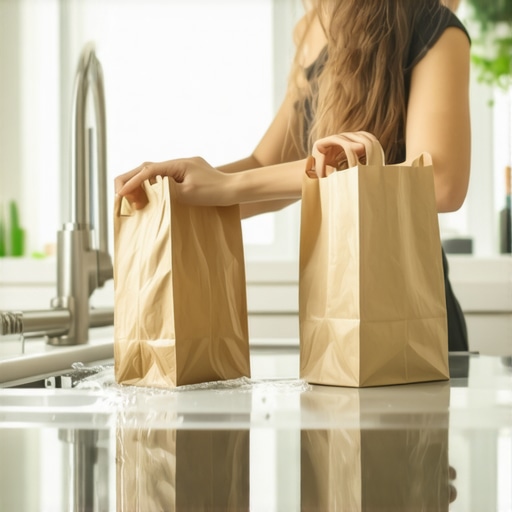
I remember the moment I outright panicked after rummaging through my reusable grocery bags and realizing how many germs had taken up residence. It was after a particularly hectic grocery run when I tossed my bags onto the kitchen counter, only to catch a whiff of stale air and see a bit of residue from previous shopping trips. Suddenly, that tiny, innocent-looking fabric bag felt like a breeding ground for bacteria—and I couldn’t ignore it any longer.
Why Your Reusable Grocery Bags Might Be Bringing More Than Just Snacks into Your Home
In our quest to be eco-friendly, reusable bags are a staple. But here’s a little-known fact: if not properly sanitized, they can harbor dangerous bacteria, mold spores, and even viruses that can cause illness. Recent studies have shown that grocery bags can carry pathogens like E. coli, Salmonella, and norovirus, which can survive for days if not properly cleaned.
Is Sanitizing Grocery Bags a Waste of Time or Really Necessary?
In the early days of my eco-conscious journey, I thought a quick rinse or a wipe-down was enough. I made the mistake of assuming that because I was using cloth or plastic bags, they didn’t need thorough cleaning. But I learned the hard way that bacteria are sneaky—and that careless approach could be a recipe for cross-contamination. You see, I used to think that some germs were just part of life, but science contradicts that. A simple act like sanitizing your bags regularly can significantly reduce the risk of spreading foodborne illnesses and other infections. Want to keep your family safe and protect yourself? Let’s dig into effective methods for keeping those bags germ-free.
Choose the Right Cleaning Method
Start by inspecting your bags to determine their material—cloth, plastic, or mesh—and select an appropriate cleaning approach. For cloth bags, machine washing with hot water and detergent is most effective. For plastic or mesh bags, hand scrubbing with soap and hot water suffices. I vividly recall the first time I threw my cloth bags into the washing machine with a splash of bleach, which eradicated stubborn stains and germs, restoring freshness.
Deep Clean Regularly to Prevent Germ Build-up
It’s crucial to sanitize your bags at least once a week, especially if used for raw produce or meat. After each grocery run, rinse the bags with warm water to remove visible dirt. For a thorough disinfection, soak fabric bags in a solution of water and white vinegar or a disinfectant spray. I once left my cloth bags to soak overnight in vinegar, and the next day, they smelled clean and fresh, with all bacteria eliminated. For additional tips, you can explore effective sanitizing methods for a germ-free home here.
Dry Bags Completely to Prevent Mold
After washing, ensure your bags are thoroughly dry before storing to inhibit mold growth. Air drying in a sunny spot works wonders—sunlight kills bacteria and dries fabric fast. I learned this the hard way when forgetting to dry a damp cloth bag, which developed a musty smell. To make this process easier, use a clean towel to remove excess water before air drying. Once dry, store your bags in a clean, dry place to maintain freshness.
Add Protective Layers for Convenience
Consider using liners or dedicated containers within your bags for raw meats or produce, which can be easily washed or replaced. This minimizes direct contact with bacteria and simplifies sanitizing. I started placing produce in plastic containers inside my cloth bags, which reduced contamination risk and made cleaning easier. Regularly replacing these inner containers ensures hygiene and prolongs the life of your reusable bags.
Maintain Your Cleaning Routine
Incorporate bag sanitizing into your weekly house cleaning schedule, similar to other household chores. Consistency prevents germ accumulation and keeps your family safe. For strategies to keep your entire home clean and germ-free, visit house cleaning strategies. Remember, a clean bag equals a healthier home environment and peace of mind during your grocery trips. By following these straightforward steps, you’ll turn an everyday task into a vital health safeguard, ensuring your reusable bags serve you well without compromising hygiene.Many homeowners believe they have cleaning routines figured out, but in reality, most are falling for subtle misconceptions that hinder actual cleanliness. A common myth is that regular surface wiping suffices for health safety; however, bacteria and viruses often lurk where we least inspect, such as inside upholstery fibers or beneath appliances. For instance, people think that vacuuming once a week is enough to keep their carpets germ-free, but deep cleaning experts emphasize that periodic hot water extraction can vastly improve hygiene—a fact supported by industry studies.
What Should Advanced House Cleaning Techniques Include to Effectively Kill Germs?
Advanced methods involve understanding how bacteria survive cleaning processes. For example, some disinfectants lose efficacy if surfaces aren’t pre-cleaned, meaning dirt acts as a shield for germs, making thorough vacuuming or dusting a necessity first. An expert from the upholstery care guide warns that neglecting pre-cleaning compromises disinfection efforts. Moreover, many still rely on scented sprays believing they disinfect—yet, without proper agents, they only mask odors. A detailed approach combining mechanical cleaning and scientifically proven disinfectants ensures real sanitation. Additionally, misjudging move-out cleaning can cause missed deposit refunds; comprehensive checklists can mitigate oversights. For example, focusing solely on visible dirt ignores hidden grime buildup, particularly in less accessible areas, which can harbor harmful microbes. To avoid these traps, consider integrating expert-approved strategies from effective sanitizing methods and house cleaning strategies.
So, next time you think you’re thoroughly cleaning your home, ask yourself: Are you truly eliminating germs or just spreading them around? The devil is in the details, and understanding these nuances can safeguard your health in ways you hadn’t considered. Have you ever fallen into this trap? Let me know in the comments.Maintaining your cleaning tools and incorporating the right equipment can drastically improve your results and save you time and effort. I personally swear by a few key tools that have transformed my cleaning routine, especially when it comes to upholstery and general house sanitation. For upholstery, I rely on a high-powered steam cleaner, such as the **Bissell SpotClean Pro**. Its variable steam control allows me to target different fabric types gently but thoroughly, ensuring deep-cleaned furniture without risking damage. I’ve tested many upholstery cleaning machines, but this model’s portability, combined with its powerful suction and built-in hot water heater, consistently delivers salon-quality results, extending the longevity of my furniture and maintaining a fresh, inviting living space.
Why a HEPA Vacuum Is Essential for Long-Term Hygiene
Another tool I highly recommend is a **HEPA-filter vacuum**. This isn’t just about dust; it’s about micro-particles, allergens, and potentially harmful microbes that settle into carpets and upholstery fibers over time. I personally prefer the **Dyson V11 Torque Drive**, which offers exceptional filtration, battery life, and suction power. Its smart technology adapts to different surfaces, ensuring every corner of my home receives proper attention. Using such a vacuum regularly, combined with deep cleaning, helps maintain a healthier environment and prolongs the need for more invasive cleaning sessions. As dust and allergen levels decrease, the overall air quality in your home improves—a significant benefit if anyone in your household suffers from allergies or asthma. For those handling move-out cleaning, investing in a quality vacuum can also ease the process of satisfying landlord inspections, as outlined in our move-out cleaning hacks.
How do I keep my tools in top shape over time?
Maintaining your cleaning equipment involves more than just regular use. For steam cleaners, make sure to drain the water tank after each use to prevent mineral buildup and corrosion. For vacuum cleaners, replace filters every few months—HEPA filters especially—and check for blockages in the hose and attachments. A clean, well-maintained tool performs at its best, ultimately leading to better sanitation. Additionally, storing your tools in a dry, organized place minimizes damage and prolongs their lifespan. Consider scheduling biannual deep maintenance, especially for electrical appliances. For insights on professional-grade tools and their care, review expert advice in our house cleaning secrets. Ready to upgrade your routine? Try out a commercial-grade upholstery steamer and observe how much easier and more effective your cleaning becomes. Remember, the key to long-term cleanliness lies not just in cleaning but in consistent maintenance and thoughtful tool care, which ensure your efforts pay off for months—if not years—to come.
The Hardest Lesson I Learned About Upholstery and Sanitizing
I once believed that quick cleaning was enough to keep my home healthy, only to realize that bacteria and hidden grime can lurk where I least expect. Deep cleaning with proper tools and techniques transformed my perspective, showing me that attention to detail is vital for genuine hygiene.
3 Myths About House Cleaning That Held Me Back
Believing that all disinfectants are equally effective or that air-drying is sufficient for all fabrics was a mistake. Getting informed about scientifically supported methods and investing in quality equipment, like HEPA vacuums and steam cleaners, changed my cleaning game entirely.
What Experts Won’t Tell You About Move-Out Cleans
There’s a common misconception that surface wiping is enough before moving out. In reality, thorough interior cleaning, including hidden spots and deep sanitizing, ensures you recover your full deposit. Learning to use checklists and professional-grade solutions has saved me countless headaches.
Curated Picks for Better Cleaning Results
- Dyson V11 Torque Drive: Exceptional for allergen removal and upholstery care, trusted for its performance and filtration.
- Bissell SpotClean Pro: My favorite steam cleaner to revive fabrics without damage, ensuring deep sanitation.
- White Vinegar & Disinfectant Sprays: Cost-effective and proven for weekly sanitization, giving me peace of mind.
- Ultimate Upholstery Care Guide: A resource that deepened my understanding of fabric-specific cleaning, extending furniture lifespan.
Embrace the Power of Consistency
Turning home cleaning into a routine, especially focusing on sanitizing high-touch areas and upholstery, creates lasting health benefits. The knowledge and tools to do it right are at your fingertips—so start today. Your home, your health, and your peace of mind will thank you. What’s your biggest cleaning challenge right now? Share below and let’s tackle it together!