
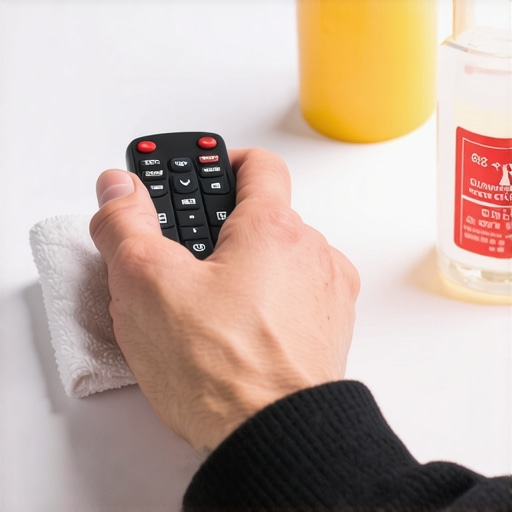
Ever reached for your remote during a cozy movie night only to be hit with that unsettling feeling—are my hands dirty, or am I spreading germs everywhere? I’ve been there. One minute, I’m flipping through channels, and the next, I’m paranoid about how many hands have touched that tiny gadget. Then came the lightbulb moment: how do I disinfect it safely without risking my precious electronics?
Why Sanitizing Your Remote Isn’t Just About Cleanliness, It’s About Safety
When I first tried to clean my remote with the usual sprays and crazy scrubbing, I nearly fried the circuit board. It dawned on me that electronics and harsh chemicals are a recipe for disaster. But with so many surfaces in our homes—especially ones we touch every day—it’s crucial to keep them germ-free. According to the CDC, household surfaces can harbor bacteria and viruses, so regular sanitizing isn’t just tidying up — it’s protecting you and your loved ones.
Is It Really Possible to Sanitize Without Damage?
Honestly, I made a mistake early on. I assumed that my generic disinfectant wipes would be safe for everything, including my beloved remote. Turns out, those harsh chemicals can deteriorate plastic, damage the electronic components, and leave behind a residue that attracts more dirt. Learning from that blunder, I started searching for methods that were gentle yet effective.
If you’re tired of risking damage or simply don’t know where to start, don’t worry. I’ll guide you through proven, safe techniques to keep your remote and other electronics sanitized. Curious? Keep reading, and you’ll find straightforward tips that will make sanitizing as easy as pressing a button. And if you want to explore more about maintaining a germ-free home, check out my detailed [Sanitizing Secrets for a Safer House in 2025](https://spotlesscarpetz.com/sanitizing-secrets-for-a-safer-house-in-2025) that covers everything from your kitchen to your gadgets.
Start with the Right Tools and Prepare Your Area
Before diving into cleaning, gather gentle disinfectants like diluted isopropyl alcohol (70%) and soft microfiber cloths. Turn off and unplug your remote to avoid electrical hazards. Clear surface clutter around your workspace to prevent knocking over items during cleaning. Think of it as setting a stage before a performance — preparation ensures smooth execution.
Use Proper Methods to Clean Without Damage
Dampen the microfiber cloth with your chosen disinfectant—avoid soaking it—that’s like lightly misting a plant to clean without overwatering. Wipe the remote’s surface gently, paying attention to buttons and crevices. For stubborn dirt, use a cotton swab dipped in disinfectant to reach tight spots, much like using a tiny brush to clean intricate jewelry. Be cautious to avoid liquid seepage into electronic components; this is akin to watering a plant from the roots, not the leaves.
Focus on High-Touch Areas for Maximum Safety
Identify buttons, scroll wheels, and side grips as high-touch zones. These are comparable to high-traffic roads in a city—germ hotspots—so give them special attention. Use your disinfectant-soaked cloth or cotton swab to thoroughly but gently clean these areas, removing germs without damaging sensitive surfaces.
Allow Proper Drying for Disinfectant Effectiveness
After cleaning, let the remote air-dry for at least 3 minutes or wipe with a dry cloth. This ensures the disinfectant kills germs effectively and prevents moisture from seeping into electronics—think of it as giving the surface time to breathe after a shower. Do not touch or operate the device during this period to maintain germ-killing efficacy.
Incorporate Regular Maintenance for Ongoing Safety
Create a routine similar to your daily hygiene habits. Set a weekly schedule for disinfecting your remote, especially during flu season or after public use. For multi-user households, consider labeling or organizing clean remotes to minimize cross-contamination. Regular upkeep is like flossing daily—small habits prevent big problems down the line.
Additional Tips to Maintain Electronics Safety
Avoid using bleach or harsh chemicals that can erode plastic and damage circuits. Instead, opt for alcohol-based disinfectants in moderation. When in doubt, consult manufacturer guidelines or visit [effective sanitizing methods for a germ-free home](https://spotlesscarpetz.com/effective-sanitizing-methods-for-a-germ-free-home) for comprehensive advice. Remember, delicate cleaning preserves both the longevity of your devices and your health.
Even seasoned homeowners often fall prey to subtle myths that can undermine their cleaning efforts. One of the biggest pitfalls is believing that harsh chemicals are always the most effective disinfectants. In reality, overusing strong cleaning agents like bleach can damage surfaces and cause health issues. Instead, I recommend relying on proven, safer alternatives like diluted isopropyl alcohol, which effectively sanitize without harming your home or your loved ones.
Why Do Most People Overlook the Nuances of Upholstery Care?
Many assume that vacuuming is enough for maintaining upholstery, but neglecting deep cleaning or misunderstandings about fabric types can lead to costly damage. For instance, using water-based cleaners on delicate fabrics can cause staining or fiber distortion. According to the Ultimate Upholstery Care Guide, specific cleaning techniques tailored to fabric types not only prolong the life of furniture but also ensure a healthier living environment. This nuanced approach is often overlooked, yet it’s critical for lasting freshness.
Addressing the Move-Out Cleaning Myth
Many tenants believe that a quick surface wipe will suffice for getting their deposit back. But property managers look for comprehensive cleanliness, including hidden spots like behind appliances or inside vents. Skipping these areas can cost you your security deposit—something many discover too late. Reviewing move-out cleaning strategies is essential; check out these strategies for a foolproof plan.
How Can Overlooking Details Lead to Long-Term Hygiene Issues?
Simple chores like ignoring high-touch areas or neglecting regular sanitization can foster a breeding ground for germs. Surfaces like door handles and light switches are often overlooked, yet they are critical; pathogens can linger and spread easily. Regular attention, combined with targeted sanitizing, is the key. For in-depth tips, visit sanitizing hacks that focus on high-risk areas.
To navigate these common pitfalls successfully, you might consider reevaluating your cleaning habits and understanding the nuanced differences between superficial cleaning and comprehensive sanitization. Maintaining awareness of these misconceptions can dramatically improve the safety and longevity of your home environment. Remember, a little knowledge goes a long way in preventing costly mistakes. Have you ever fallen into this trap? Let me know in the comments and share your experiences. It’s always enlightening to learn from each other’s practices and improve together.Achieving and maintaining a spotless home doesn’t rely solely on effort—it requires the right tools and strategic methods. Selecting equipment that balances effectiveness with safety is crucial for long-term results. For instance, I personally swear by a **professional-grade steam cleaner** for deep cleaning carpets and upholstery. Unlike typical home models, these commercial tools generate higher heat and pressure, effectively killing germs and removing embedded dirt without the use of harsh chemicals. Not only does this extend the life of your fabrics and fibers, but it also ensures healthier indoor air quality.
When it comes to **sanitizing hard surfaces**, I recommend investing in a **UV-C light sanitization device**. I’ve integrated one into my weekly cleaning routine, especially in high-touch areas like door handles and countertops. These devices emit ultraviolet light that destroys bacteria and viruses on contact—impressively reducing reliance on chemical disinfectants and safeguarding delicate electronics.
For **moving out or deep cleaning** projects, a **power scrubber** equipped with interchangeable brushes can make a world of difference. I use one with a rinse function, which helps loosen grime in grout lines and stubborn stains on tiles and tubs. This approach saves hours of manual scrubbing and prevents damage from abrasive scrubbing techniques. Plus, equipped with the right attachments, it can replace multiple manual tools, streamlining your cleaning arsenal.
How do I maintain tools and equipment over time?
Proper maintenance is key to ensuring longevity and optimal performance. I always rinse my steam cleaner and power scrubber thoroughly after each use, inspecting brushes and filters regularly for wear and replacing them when necessary. Using manufacturer-recommended cleaning solutions prevents corrosive buildup, prolonging device lifespan. A well-maintained tool not only performs better but also reduces the chances of cross-contamination or equipment failure.
Predictions indicate that **smart cleaning gadgets** integrating IoT technology are the future, offering app-controlled scheduling and real-time performance monitoring. Staying ahead involves embracing these innovations now, which can provide peace of mind and consistent results. To ensure your equipment stays in peak condition, consider setting bi-weekly maintenance routines, much like the **deep cleaning tip** shared in [effective sanitizing methods for a germ-free home](https://spotlesscarpetz.com/effective-sanitizing-methods-for-a-germ-free-home). This practice keeps your tools sanitized, efficient, and ready for any cleaning challenge.
Finally, remember that even the best tools are only as effective as the techniques behind their use. I encourage you to try my recommended approach of switching to a **UV-C sanitization device** for high-touch surfaces—it’s a game-changer in protecting your family’s health, especially during flu season. Incorporate this into your weekly routine and see the difference it makes in your home’s hygiene level! For more expert tips on maintaining your cleaning equipment, visit [effective house cleaning secrets from cleaning experts](https://spotlesscarpetz.com/effective-house-cleaning-secrets-from-cleaning-experts).
What I Wish I Knew When Starting My Sanitizing Journey
My biggest lightbulb moment was realizing that overzealous scrubbing and harsh chemicals could do more harm than good. I learned to prioritize gentle, electronics-safe disinfectants that protect my devices without risking damage—or my peace of mind.
Another lesson was understanding the importance of routine. Keeping my remote sanitized weekly, especially during flu season, dramatically reduced germs—and my anxiety about them. Consistency truly is key to long-term safety.
Finally, I discovered that investing in specialized tools like microfiber cloths and UV-C devices not only made the process easier but also more effective. Quality tools are an extension of your commitment to a healthier home environment.
My Go-To Resources to Keep Learning and Improving
- Effective Sanitizing Methods for a Germ-Free Home: This resource helped me select the safest disinfectants for electronics, avoiding damage while ensuring cleanliness.
- Ultimate Upholstery Care Guide: Understanding fabric-specific cleaning techniques prevented costly furniture mishaps and prolonged its lifespan.
- Move-Out Cleaning Strategies to Secure Your Deposit: A comprehensive checklist that ensured I didn’t overlook hidden spots, saving me from deposit disputes.
- Sanitizing Hacks for Safe House Transitions: Offers innovative approaches for high-touch areas, which I’ve integrated into my weekly routine.
Your Next Step Toward a Germ-Free Home
Arm yourself with knowledge, the right tools, and a confident attitude—maintaining a spotless home is within your reach. Remember, every small effort adds up to a healthier living space for you and your loved ones. Ready to elevate your sanitizing game? Dive into the resources above and take action today! Have you ever faced a surprise mishap while cleaning your electronics? Share your story below—I’d love to hear about your experiences and solutions.