
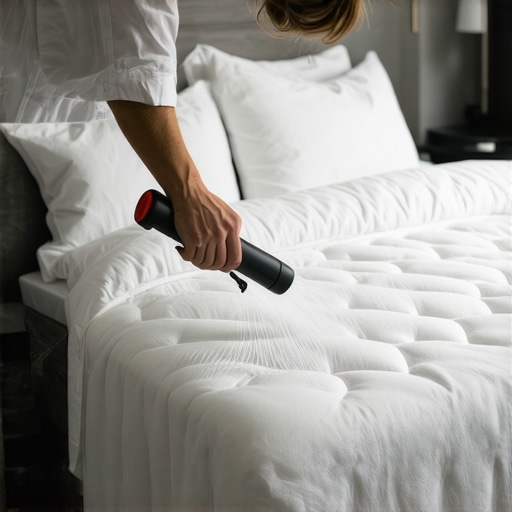
I remember the first time I tried to give my mattress a good sanitizing. I was desperate. The mattress looked and smelled like a battlefield—covered in stains, dust mites, and a smell that clung stubbornly like a bad guest who refuses to leave. I thought, “Surely, there has to be a way to clean this thoroughly without turning it into a soaked mess that ruins my springs and mattress padding.” Spoiler: there is. And honestly, learning how to do it the right way changed everything. Today, I want to share the secrets I discovered so you won’t have to wrestle with the same frustrations.
Why Soaking Your Mattress Can Do More Harm Than Good
During one of my early attempts, I soaked my mattress entirely in an effort to eliminate bacteria and stains. The result? A damp disaster that took days to dry, warped the internal springs, and left me pondering if I’d just created a mold farm. It was a costly mistake from which I learned the importance of targeted cleaning techniques that don’t flood your mattress in water. Did you know that excessive moisture can weaken the adhesive that holds your mattress layers together? According to experts at Spotless Carpetz, improper sanitizing methods can perpetuate bacteria growth if moisture isn’t properly evaporated. So, what’s the fix? A careful, strategic approach that disinfects while preserving your mattress’s integrity.
Is Spot-Free Better Than Soaked?
I’d be lying if I said I didn’t worry about missing a spot or damaging my mattress with harsh chemicals. Early on, I used a generic disinfectant spray, thinking I was doing everything right. But the smell was still lingering, and I had missed the stubborn bacteria hiding deep in the fibers. That mistake made me realize that effective sanitizing isn’t about overdoing it with liquid; it’s about precision and understanding the materials you’re working with. Personally, I’ve found that leveraging natural remedies and gentle, targeted sprays can save the day—and your mattress. Curious about what truly works? Let’s dig into some tried-and-true techniques that have kept my bed fresh without risking damage or hygiene slip-ups. Ready to master mattress sanitizing? Keep reading, because the solutions aren’t as complicated as they seem, and your sleep quality depends on it.
Start with a Targeted Approach to Cleanliness
My first real success in mattress sanitizing began with isolating problem areas. I used a handheld vacuum with an upholstery attachment to remove dust, skin flakes, and dust mites from the surface. Think of it like peeling off layers of grime—your mattress is a sponge for dirt, and gentle suction dislodges particles without oversaturating the fabric. I was cautious not to press too hard, preventing damage to delicate fibers. This step sets a clean foundation before applying any disinfectants.
Choose Natural or Gentle Disinfectants
Instead of jumping straight to harsh chemicals, I opted for a mixture of equal parts water and white vinegar, enhanced with a few drops of essential oil like tea tree or eucalyptus. These oils are natural antimicrobials, adding a fresh scent and extra cleaning punch. Pour it into a spray bottle—think of it as a tailor-made weapon against bacteria. Carefully spray the solution onto the mattress surface, focusing on stained or high-touch areas. Avoid oversaturation; a light mist is enough, similar to how you’d lightly spray perfume—excess can lead to moisture problems.
Target Stains with a Gentle Scrub
When I noticed stubborn spots, I used a soft-bristled brush or a clean microfiber cloth to gently work the solution into the fabric. Imagine polishing a delicate surface—you’re not aggressing, but rather coaxing dirt out. For tougher stains like sweat or wine, I applied a paste of baking soda and water directly onto the spot, letting it sit for 15 minutes before gently scrubbing. This technique lifts embedded grime without soaking the mattress, reducing drying time and risk of mold.
Use Steam for Deep Disinfection
Next came steaming—think of a hot shower for your mattress. I used a handheld steam cleaner, maintaining a safe distance to avoid over-hydrating the fabric. The high temperature kills bacteria and dust mites living deep within the fibers. I moved slowly across the surface, ensuring even coverage, then allowed the mattress to sit with windows open to facilitate air circulation and rapid drying. Steam cleaning is a powerful step that complements the earlier spray treatment, ensuring thorough sanitation.
Dry Properly to Prevent Mold
Drying is critical. I cast low-humidity fans or placed the mattress in a well-ventilated room. Imagine draping clothes outside on a breezy day—the airflow accelerates moisture evaporation. I avoided walking on the damp mattress and used a dehumidifier if needed. This rapid drying process prevents mold and mildew, which thrive in lingering moisture. Once dry, I vacuumed again to remove any residual dust or loose fibers, completing the cycle of deep cleaning.
Refresh and Maintain Regularly
To keep my mattress fresh longer, I sprinkled a light layer of baking soda every few weeks, then vacuumed it up after briskly brushing the surface. This acts as a deodorizer and absorbs humidity. For ongoing maintenance, I adopted a daily cleaning routine, including flipping the mattress periodically and minimizing exposure to allergens. Regularly following these steps preserves the mattress’s integrity and hygiene, making each sleep better than the last.
Many people believe that a quick scrub or a single deep clean session is enough to prepare a house for move-out or to achieve a spotless home. But the truth is, there are nuanced missteps that can undermine even the most diligent efforts. For example, a widespread myth is that using excessive amounts of chemical disinfectants guarantees cleanliness; however, overuse can lead to residue buildup and potential health hazards, especially if not properly rinsed. Experts from cleaning professionals warn that stronger isn’t always better, and knowing which products are appropriate for specific surfaces is crucial.
Another common mistake is neglecting to address hidden or hard-to-reach areas, like behind appliances or under furniture, which harbor dust, mold, and bacteria that can cause odors or exacerbate allergies. Many underestimate the importance of detailed cleaning in these neglected zones, believing that surface cleaning suffices. This oversight can jeopardize the effectiveness of your sanitizing efforts.
A crucial question often overlooked is: How does the material composition of your upholstery influence cleaning strategies? For instance, delicate fabrics like silk or velvet require specialized techniques that go beyond generic vacuuming. Using inappropriate cleaning methods on such materials not only risks damage but can also trap moisture, promoting mold growth. According to upholstery experts, understanding fabric care labels and opting for gentle, targeted cleaning is essential to preserve texture and appearance.
Beware of the ‘Oops’ trap of misapplying cleaning agents. For instance, many assume that mixing vinegar and baking soda creates a potent cleaning solution for all surfaces. While effective in certain scenarios, this combination isn’t suitable for stone countertops or hardwood floors, as the acidity or alkalinity can degrade the materials over time. Always verify whether a cleaning agent is compatible with your surfaces before application, and consult credible sources or professionals for guidance.
In conclusion, let’s dig deeper: what are your biggest cleaning misconceptions? Recognizing and correcting these can save you time, money, and potential damage to your home. If you’re aiming for a truly thorough, safe, and effective cleaning regimen, consider exploring detailed strategies on sites like house cleaning tips or scheduling a consultation through professional services. Having the right knowledge is the first step toward a healthier, fresher home environment.
Keep It Working: Trusted Tools for Long-Term Cleanliness
When it comes to maintaining a spotless home, having the right equipment can make all the difference. I’ve discovered that investing in high-quality, purpose-built tools not only simplifies the cleaning process but also ensures consistent, professional results over time. One of my top recommendations is a **cordless handheld vacuum** equipped with an upholstery attachment. It allows me to quickly target dust mites, pet hair, and debris on furniture and hard-to-reach spots without the hassle of cords or bulky equipment. I personally use the Dyson V7 Trigger because of its strong suction and versatility, which is essential for upholstery and tight corners.
Another indispensable tool is a **steam cleaner** designed specifically for deep cleaning and sanitizing. I favor models like the McCulloch MC1385 because it offers adjustable steam settings and a variety of attachments. Steam cleaning is my go-to method for disinfecting mattresses, bathroom tiles, and even upholstery, as it kills bacteria naturally without harsh chemicals.
For meticulous detail work, I rely on a **microfiber cloth system** combined with a **dual-action polishing brush**. Microfiber cloths are effective at trapping dust and microbes, and when paired with a gentle cleaning solution like water mixed with essential oils, they become powerful tools for maintaining hygiene. The microfiber system I prefer is the Norwex Ultra-Prep Cloth for its durability and ability to remove grease and grime effectively.
To monitor and improve long-term maintenance, I suggest employing a **smart home cleaning app** such as this one. These apps help schedule regular tasks, track cleaning schedules, and remind you of essential chores, keeping your home in top condition effortlessly.
Prediction for the future: As technology advances, expect more smart cleaning tools embedded with AI capabilities that adapt to your home’s unique needs, automating tasks like sanitizing and dusting with minimal input. Staying ahead involves blending reliable manual tools with emerging smart solutions for optimal results.
How do I maintain my cleaning tools over time?
Regular maintenance of your cleaning equipment is crucial for their longevity and performance. For example, always follow the manufacturer’s instructions for cleaning filters and replacing parts of your vacuum and steam cleaner. Rinsing microfiber cloths after each use and allowing them to dry thoroughly prevents bacteria buildup. Additionally, cleaning and inspecting attachments periodically ensures they remain effective and safe to use. Incorporating these habits saves you money in the long run and keeps your home consistently clean. Want to streamline your equipment upkeep? Consider creating a maintenance schedule using digital tools like the ones I mentioned, which set reminders for filter changes and deep cleanings. This proactive approach minimizes downtime and keeps your tools performing at their best. For more detailed strategies, check out expert cleaning secrets that emphasize regular tool care as integral to effective cleaning routines.
Lessons I Wish I’d Learned About Move-Out Cleaning
One of the toughest lessons was realizing that rushing through just surface cleaning leaves behind hidden grime and odors, costing me in both time and deposits. I discovered that focusing on detailed areas like behind appliances and under furniture makes a massive difference in the final result.
Understanding your home’s materials changed everything. Using inappropriate cleaning agents on delicate fabrics like silk or velvet can cause permanent damage, so researching fabric care helps prevent costly mistakes and keeps your upholstery looking pristine.
The myth that aggressive chemical disinfectants are king is false. I found that natural disinfectants like vinegar and essential oils are effective and gentler on both surfaces and the environment—plus, they leave a fresh scent without harsh residues.
Tools and Resources I Swear By for Long-Term Cleanliness
My go-to equipment includes a high-quality handheld vacuum like the Dyson V7 Trigger, which makes quick work of upholstery and tight corners. For deep sanitizing, a reliable steam cleaner such as the McCulloch MC1385 ensures thorough disinfection without chemicals. Microfiber cloths like Norwex Ultra-Prep are essential for trapping dust and microbes efficiently, reducing the need for chemical cleaners. Additionally, employing a smart home cleaning app helps me stay consistent with routine chores and long-term maintenance—making cleanliness effortless rather than a chore.
Your Turn to Transform Your Space
Mastering move-out cleaning, house sanitizing, and upholstery care isn’t just about what tools or products you use; it’s about adopting a mindset of precision and care. Each detail you attend to now sets the stage for a healthier, fresher home that welcomes you and future tenants alike. Remember, you don’t have to do it all at once—small, consistent steps lead to big results. Ready to elevate your cleaning routine? Dive into expert guides and start transforming your space today. If you have a move-out cleaning tip or question, share it below—your experience might just help someone else perfect their approach!