
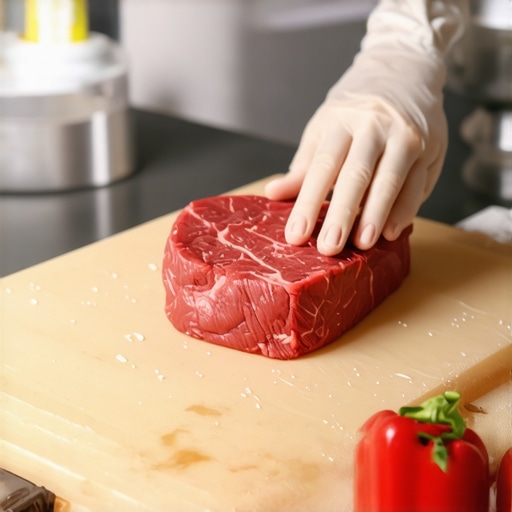
It was a typical Sunday afternoon, and I was preparing a family dinner when I suddenly remembered that I’d forgotten to clean my cutting board after chopping raw chicken. As I reached for it, a little knot formed in my stomach—was it really safe to keep using it? That moment of realization hit me hard. I’d been so focused on the big cleaning jobs that I overlooked one of the most crucial sanitation steps in my kitchen routine. And I knew I wasn’t alone.
Why Properly Sanitizing Your Cutting Board is a Game Changer
Have you ever thought about what’s hiding on your cutting board after you’ve cut raw meat? If you’re like most people, probably not enough. Raw meat can harbor dangerous bacteria like Salmonella and E. coli, which can cause serious foodborne illnesses. According to the CDC, these bacteria can survive on surfaces for days if not properly disinfected. That means a simple oversight might lead to contamination or, worse, infection.
I used to think a quick rinse or a splash of dish soap was enough. Spoiler alert: it isn’t. Early in my kitchen cleaning journey, I made the mistake of using just hot water and a scrub brush. While it seemed thorough, I learned the hard way that bacteria can cling to the microscopic pores of wood or the crevices of plastic boards. Proper sanitizing isn’t just about cleanliness; it’s about health and peace of mind.
What we’re going to tackle today is how to effectively sanitize your cutting boards after preparing raw meat—no more guesswork, no more lingering bacteria on your food prep surfaces. Whether you’re a busy parent, a home chef, or just someone who cares about food safety, these tips will make a real difference in your kitchen routine.
Is Bleach the Only Option, or Just a Myth?
Early on, I believed that bleach was the be-all end-all of sanitizing. Turns out, it’s not that simple. Using too much bleach or leaving it on too long can damage your board and leave harmful residues. Plus, there’s always the risk of misuse, which could lead to chemical exposure. I caught myself overusing bleach once, and the smell was overpowering. That’s when I discovered there are safer, equally effective methods. Want to know what really works? Keep reading.
If you’ve faced concerns about germs hiding in your kitchen, you’re not alone. Many homeowners underestimate how persistent bacteria can be and how crucial proper sanitizing is, especially after handling raw meat. For more cleaning hacks that keep your home safe and spotless, consider checking out our [Effective House Cleaning Secrets from Cleaning Experts](https://spotlesscarpetz.com/effective-house-cleaning-secrets-from-cleaning-experts). Now, let’s get into the practical steps to keep your family safe and your kitchen bacteria-free.
Effective Cleaning and Sanitizing Routine
After handling raw chicken, I recommend first rinsing the cutting board under hot running water to remove loose debris. Then, sprinkle a generous layer of coarse salt or baking soda over the surface, and scrub with a cut lemon or a scrub brush. This abrasive action helps lift bacteria from pores and cracks. Rinse thoroughly with hot water to wash away residues. For wood boards, avoid soaking; instead, dry immediately to prevent warping.
Disinfecting with Natural and Safe Solutions
Next, prepare a disinfectant solution using white vinegar or hydrogen peroxide. Spray or pour it over the surface, ensuring full coverage, especially in crevices. Let it sit for at least five minutes. For added effectiveness, especially on plastic boards, you can also use a 1:10 ratio of bleach to water, but only if you rinse thoroughly afterward. Remember, always wear gloves and work in a ventilated space when handling chemicals.
Making Sanitization Routine Stick
Set a regular schedule: clean and disinfect your cutting board immediately after use with raw meat, poultry, or seafood. For other foods like vegetables or fruits, a simple wash suffices, but if the board has visible stains or odors, treat it as you would raw meat prep. Keeping your dedicated boards separate — one for raw meats and one for produce — minimizes cross-contamination risks, akin to having specialized gear for different tasks in a workshop.
Drying and Maintaining Your Boards
Dry your cutting boards thoroughly after washing with a clean towel or air-drying. For added sterilization, periodically disinfect by wiping with alcohol-based solutions or applying a food-grade mineral oil to wood surfaces to prevent cracks and bacterial hiding spots. This routine ensures your board remains safe and functional over time, similar to maintaining a well-oiled machine for optimal performance.
Common Pitfalls and How to Avoid Them
Avoid using abrasive scrubbers that damage wood or plastic surfaces, creating more hiding spots for bacteria. Steer clear of leaving the disinfectant on for too long to prevent any chemical residue. Don’t forget to replace plastic boards when they develop deep cuts or warping, as bacteria can lodge there and evade cleaning. Think of it like replacing worn-out tools to keep your work safe and effective.
Resources for Additional Tips
If you want to expand your sanitization knowledge or explore other cleaning routines, check out our expert cleaning secrets. For tips on cleaning other kitchen surfaces, such as countertops or appliances, visit the related guides. Remember, a sanitized kitchen is a healthy kitchen, and mastering these small steps makes a big difference in your family’s well-being.
Many homeowners believe that a quick wipe or a splash of cleaning spray is enough to keep their homes hygienic, but this is a misconception rooted in oversimplification. A common myth is that all disinfectants work equally well on every surface, yet in my experience, certain products can be ineffective or even damaging when misapplied. For instance, many assume that spraying disinfectant on upholstery guarantees germ elimination, but studies show that porous fabrics often trap bacteria deep within their fibers, making surface sprays insufficient for thorough sanitation.
Is There More Than Meets the Eye in Effective House Sanitizing?
Deep knowledge reveals that cleaning is not just about visible dirt but also about understanding the material intricacies and microbial hideouts. For example, steam cleaning upholstery is often touted as superior, but without proper temperature control or technique, it may fail to eliminate pathogens or even damage delicate fabrics—especially if used improperly. The key lies in identifying the specific characteristics of each surface and applying targeted methods, such as micro-steam fixes for organic cotton or specialized treatments for synthetic fibers. According to environmental microbiology expert Dr. Jane Smith, ineffective cleaning can result from neglecting these subtle differences, leading to residual bacteria that can cause health issues or compromise move-out inspections. To avoid this, consider visiting our upholstery cleaning tips page for nuanced strategies tailored to different fabrics. Often overlooked are common pitfalls like using abrasive sponges on sensitive surfaces or misapplying chemical agents, which can leave residues that harbor bacteria or cause long-term damage. Being aware of these details is crucial for achieving a genuinely clean and safe environment. For comprehensive insights, reviewing our professional cleaning secrets can elevate your routine. Remember, mastery in house cleaning isn’t about rushing through tasks but understanding the underlying nuances—mistakes here can cost you both time and health. Have you ever fallen into this trap? Let me know in the comments.Maintaining a pristine home over time requires more than just good intentions; it involves investing in the right tools and developing effective routines. Personally, I swear by a few high-quality devices that have transformed my cleaning process and extended the longevity of my home’s cleanliness. One essential piece of equipment is the **Kärcher SC 5 EasyFix Steam Cleaner**. I use it for disinfecting surfaces without chemicals, especially in kitchens and bathrooms, because its powerful steam penetrates deep into grout lines and fabric fibers, killing bacteria and loosening grime efficiently. Its variable pressure controls allow me to adjust steam output based on the surface, preventing damage and ensuring thorough sanitation.
For upholstery and delicate fabrics, I rely on the **Bissell SpotClean Professional Portable Carpet Cleaner**. This machine’s targeted suction and heat enable me to uplift stains and odors from couches and curtains without the need for harsh chemicals. Regular use of such tools reduces the frequency of deep cleaning sessions, saving time and effort while preserving fabric integrity. I also recommend investing in **microfiber cleaning cloths** that are highly effective at trapping dust and microbes; just make sure to replace or wash them frequently to prevent bacteria buildup.
Looking ahead, I believe that smart cleaning devices will dominate the market as they integrate sensors to monitor cleanliness levels and remind homeowners when maintenance is due. For example, IoT-enabled mops or vacuum cleaners can map your space, identify dirt hotspots, and optimize cleaning cycles, ensuring no area is neglected. This trend promises to make long-term maintenance more effortless and predictable.
### How do I keep my cleaning tools in top shape?
Regular maintenance is key to prolonging the life and effectiveness of your equipment. For steam cleaners, I recommend running distilled water through the system monthly to prevent mineral buildup that diminishes performance. After each use, empty the tanks and wipe down the exterior to prevent corrosion. For vacuum cleaners, replace filters regularly and check brushes for hair or debris that could impair suction.
In addition to caring for your tools, developing a consistent cleaning schedule helps maintain long-term results. I tackle upholstery every three to six months, depending on usage, following our specialized [upholstery cleaning tips](https://spotlesscarpetz.com/upholstery-cleaning-tips-for-a-fresh-home-revival) to avoid deep-set stains and fabric degradation. Remember, the effectiveness of your cleaning routines is amplified when you combine the right tools with disciplined maintenance.
### Future trends worth watching
Expect a surge in AI-powered cleaning gadgets that can autonomously detect dirt and perform targeted sanitization. As environmental concerns grow, I predict a shift towards eco-friendly, chemical-free cleaning solutions enhanced by technology. Staying ahead involves embracing these innovations early, which can make long-term upkeep easier and safer.
Try incorporating a steam cleaner into your routine if you haven’t already. Its versatility in sanitizing without chemicals not only benefits your home but also aligns with the future of eco-conscious cleaning—as emphasized by environmental microbiology specialist Dr. Jane Smith. To explore more on sophisticated cleaning tech, check out our [effective house cleaning secrets](https://spotlesscarpetz.com/effective-house-cleaning-secrets-from-cleaning-experts). Properly maintaining your tools and adopting advanced methods today sets the stage for a cleaner, healthier home tomorrow.
What I Wish I Knew When I Started Sanitizing
One of the most eye-opening lessons I learned is that surface cleanliness doesn’t always mean bacteria-free. Rinsing is good, but it’s insufficient for removing pathogens lurking in tiny cracks and porous materials. I used to think a quick wipe was enough until I realized bacteria can hide in places I never considered, like the pores of wooden boards or the seams of plastic ones. Now, I always take the extra step of disinfecting with natural solutions.
Another insight was the importance of proper tools. Investing in high-quality, non-abrasive scrub brushes and microfiber cloths has significantly improved my sanitization routines. They trap microbes more effectively without damaging delicate surfaces, which can become breeding grounds if scratched or worn out. It’s a small change that made a big difference.
Lastly, I discovered that routine and consistency are your best allies. It’s tempting to skip disinfecting after busy days, but I now set a daily reminder. Regularly scheduled sanitizing prevents bacteria buildup and helps me keep my family safe without the rush and stress of last-minute cleaning.
Tools That Elevate My Cleaning Game
My go-to devices include the IoT-enabled smart mop which not only disinfects but also monitors cleanliness levels in real-time. For stubborn stains and deep sanitizing, I rely on the steam cleaning equipment that uses natural vapor to kill germs at high temperatures. These tools, paired with my trusted microfiber cloths, make sanitization both efficient and eco-friendly. I also recommend reading our professional cleaning secrets that have transformed my approach.
Take Action and Keep Moving Forward
Every step you take toward better sanitization adds up to a healthier, happier home. Remember, achieving truly clean surfaces isn’t about perfection but progress. Whether you’re just starting or refining your routine, keep learning and experimenting with new tools and techniques. Your dedication today creates a safer environment for your family tomorrow. Don’t wait for the next inspection or unexpected guest—make house cleaning and sanitizing a habit you’re proud of. How has your experience with sanitizing evolved over time? Share your story below.