
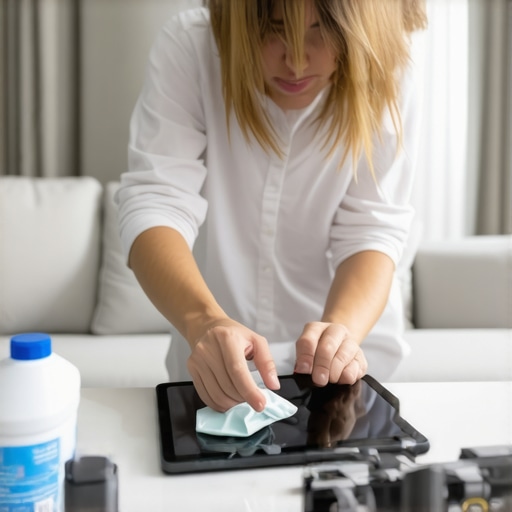
It was late one afternoon when I reached for my tablet in the living room, only to find a stubborn smudge and a faint musty smell. That’s when it hit me—my high-touch electronics, those everyday devices I rely on, might be hiding more than just fingerprints. A quick thought flashed through my mind: could these gadgets be vectors for germs and bacteria, silently jeopardizing my family’s health? I had to find out how to clean and sanitize them safely without damaging the screens or electronics inside.
Why Sanitizing High-Touch Electronics Matters More Than Ever
In our homes, electronics are the unsung heroes of daily life, especially in the living room where everyone gathers. They’re touched hundreds of times—by hands that may carry germs, dirt, and oils. According to a study published by the CDC, high-touch surfaces, including devices, can harbor bacteria and viruses for hours or even days. This isn’t just about hygiene—it’s about protecting loved ones from illnesses like the common cold, flu, or more serious infections.
Early on, I made the mistake of using harsh chemical sprays directly on my electronics, thinking I was disinfecting them effectively. Not only did I risk damaging delicate screens, but I also didn’t thoroughly check that the disinfectants were suitable for electronics. That oversight was a wake-up call: safety and effectiveness go hand in hand when sanitizing gadgets.
Is Sanitizing High-Touch Electronics Overhyped?
Some skeptics argue that regular cleaning with a damp cloth suffices. But I’ve learned the hard way that neglecting proper disinfecting can lead to germs lingering in places we least expect. Would you like to learn how to sanitize your electronics properly, without risking damage? That’s exactly what I’ll help you with today—simple, safe, effective strategies based on my personal journey and trusted methods.
Now, let’s dive into the practical steps I discovered that keep my gadgets spotless and safe for everyday use. Ready to make your living room not just clean-looking but also germ-free? Let’s go!
,
Start With Gentle Cleaning Tools
Begin by gathering soft microfiber cloths, which are gentle enough to clean delicate screens without scratching. I once grabbed an old cotton t-shirt, thinking it would do the trick, but it left lint and tiny scratches on my tablet. Using microfiber is much safer and prevents damage. Dampen the cloth slightly with water or a 70% isopropyl alcohol solution—never soak it—to wipe down your devices. Remember, excessive moisture can seep into ports and speakers, so use minimal liquid. My first attempt to clean my laptop with a soaked paper towel resulted in a foggy screen that took days to fix, so be cautious with moisture.
Disinfect Properly Without Damage
After the initial wipe, move to disinfectant sprays designed for electronics. Avoid harsh chemicals like bleach or ammonia, which can discolor or damage screens. Instead, opt for disinfecting wipes or sprays labeled safe for electronic devices, such as those compatible with plastics and screens. I once tried spraying Lysol directly on my smartphone, which caused a sticky film and dullness. Instead, I sprayed the disinfectant onto a microfiber cloth, then wiped the surface. This method effectively killed germs while protecting the finish. Regularly disinfect your gadgets, especially during flu season, to minimize germ transfer.
Pay Attention to Knobs, Ports, and Edges
Don’t forget to sanitize high-touch buttons, charging ports, and headphone jacks. Use a cotton swab dipped lightly in disinfectant to reach tight areas. Once, I noticed a crusty buildup around my charging port, which I cleaned gently with a swab soaked in disinfectant. This prevents germs from lurking where hands frequently touch. Let ports air-dry completely before plugging in devices again to prevent short circuits. Incorporating these small steps reduces the risk of transmitting bacteria across devices and to your hands.
Use the Right Frequency for Safety
Establish a cleaning routine—ideally, once a day or every few days—especially if multiple people share devices. I found that my devices accumulated fingerprints and germs rapidly during flu season, prompting me to wipe screens every evening. Remember, over-cleaning using aggressive chemicals or excessive moisture can damage devices over time. For a balanced approach, check out effective sanitizing methods to maintain a germ-free environment without risking device integrity.
Protect Your Electronics During Cleanups
To avoid accidental damage, keep liquids away from electrical parts, and consider sealing devices in plastic bags during thorough cleanings to prevent spills. When I cleaned my smart speaker, I placed it inside a plastic bag, wiped it down, then dried it carefully before unsealing. This minimizes liquid ingress. Additionally, turn off your devices before cleaning to prevent short circuits. Following these safeguards ensures your gadgets stay functional and germ-free.
Incorporate Professional Help When Needed
If your devices have stubborn grime or need a deep clean, consider consulting professionals or using specialized cleaning services. I once tried cleaning an old tablet myself, but residual grime persisted, leading me to hand it over to a tech cleaning specialist—who used ultrasonic cleaning for thorough results. For high-value electronics, this extra step can extend their lifespan and ensure thorough sanitation. Regular maintenance keeps your devices safe and preserves their appearance and functionality.
By applying these targeted steps, you can confidently maintain a germ-free environment for your high-touch electronics—protecting your health and extending your devices’ lifespan. Regular, careful cleaning is the best practice for a safe, clean home environment in today’s health-conscious world.
While many believe that a quick mop and dusting suffice for a thorough cleanup, this misconception overlooks critical nuances that can compromise cleanliness and health. One widespread myth is that using generic chemical disinfectants guarantees a germ-free home; in reality, improper application or choosing the wrong products can leave harmful residues or fail to eliminate stubborn pathogens. For example, surface contact time—how long disinfectants need to sit before wiping—is often ignored, reducing their effectiveness. Additionally, many assume that high-temperature steam cleaning sanitizes surfaces completely, yet without proper technique and sufficient contact, bacteria can survive in microscopic crevices. An advanced mistake many make is neglecting the removal of hidden grime in less obvious areas like behind appliances or deep within upholstery fibers, which harbor mold spores and allergens. A key misconception is that all upholstery cleaning methods are equal; however, using incorrect chemicals or invasive extraction techniques can deteriorate fabric textures and trap moisture, promoting mold growth. To truly maximize cleanliness, understanding the importance of targeted cleaning strategies—such as deep cleaning carpets and upholstery with appropriate, expert-approved methods—is crucial.
How do professional cleaning techniques prevent bacterial resistance from developing?
Studies indicate that overuse or misuse of disinfectants can lead to resistant strains of bacteria, similar to antibiotic resistance in medicine. Regularly rotating cleaning products and employing mechanical cleaning alongside chemical disinfectants help prevent this issue. For a more comprehensive approach, check out effective sanitizing methods that combine best practices. Remember, superficial cleaning might give an illusion of freshness, but addressing hidden contaminants requires a nuanced understanding of cleaning science. Have you ever fallen into this trap? Let me know in the comments.
Keep It Working: Tools I Recommend for Effective Home Maintenance
Maintaining a spotless and well-functioning home isn’t just about cleaning; it requires the right tools to ensure efficiency, safety, and long-term durability. From high-quality equipment to specialized cleaning solutions, choosing the right gear can make all the difference. I personally swear by a few meticulously selected tools that have transformed my cleaning routine and extended the lifespan of my appliances and furnishings.
Electronics Cleaning Must-Haves
To keep my gadgets safe and germ-free, I use a microfiber cleaning cloth combined with 70% isopropyl alcohol swabs. Microfiber not only lifts away dust and oils effectively but also prevents scratches on delicate screens. For disinfecting, I prefer a disinfectant designed for electronics, which ensures safety without damage. An ultrasonic cleaner, a device that uses high-frequency sound waves to remove stubborn grime from intricate parts, is also invaluable for deep cleaning smaller items like keyboard keys or complex remote controls, as explained in technical guides by industry experts.
Household Surfaces and Upholstery Tools
For surfaces, I rely on a high-powered steam cleaner. Steaming dislodges dirt and kills germs without chemical residues, making it perfect for upholstery and carpets. When it comes to upholstery, I use a dedicated deep cleaning machine with adjustable steam settings—this not only refreshes fabrics but also prevents mold and allergen buildup. For spots and stains, a set of precision brushes and stain extraction tools makes a noticeable difference. Regular maintenance with these devices keeps fabrics looking new and prevents deterioration over time.
Tools to Keep Maintenance Simple and Effective
An organized toolkit including a cordless handheld vacuum, microfiber mops, and eco-friendly cleaning sprays helps me tackle daily chores swiftly. Investing in multi-purpose tools like a versatile handheld steamer and a flexible crevice tool improves accessibility in tight corners and behind appliances. To stay ahead, I also utilize moisture meters and appliance inspection kits, which help me catch issues early before they turn into costly repairs.
Looking to elevate your home maintenance game? Consider trying out a professional-grade ultrasonic cleaner for your small electronics and jewelry. It’s an investment that pays off over time by ensuring deep sanitation and preserving delicate items.
How do I maintain my tools over time?
Keeping tools in top shape involves regular cleaning, proper storage, and timely replacement of worn-out parts. I always clean ultrasonic transducers and brushes after each use, store devices in dry, dust-free environments, and follow manufacturer maintenance schedules. This routine minimizes breakdowns and ensures consistent performance. For detailed guidance on maintaining cleaning equipment, consult specialized sources like industry manuals or expert blogs.
As we look ahead, the trend is shifting towards smart home maintenance tools equipped with sensors and automation—for example, intelligent moisture detectors or AI-powered cleaning robots. Integrating these advancements can streamline routines, save time, and extend the life of your home systems. Ready to upgrade? Start by testing a high-quality ultrasonic cleaner or a commercial-grade microfiber cloth, and experience the difference firsthand. Your home will thank you for it!
For more tips on maintaining your home’s cleaning tools and ensuring long-term results, check out this article about future cleaning tech.
What I Wish I Knew About Deep Cleaning Secrets
One of the most eye-opening lessons I learned was that not all cleaning methods are created equal—what works for surfaces often doesn’t cut it for high-touch electronics or upholstery. I used to rely solely on basic wipes, believing they disinfected everything, but I soon realized that proper sanitation requires understanding contact times and suitable disinfectants. The lightbulb moment came when I discovered that deep cleaning and sanitizing aren’t just about appearance—they’re about health, especially in shared spaces. Now, I take time to research products and techniques that target bacteria and viruses effectively without damaging delicate fabrics or screens.
Tools That Transformed My Approach to House Cleaning
Investing in the right tools made all the difference. My microfiber cloths, ultrasonic cleaners, and steam devices allow me to reach areas I once overlooked—like behind appliances and inside fabric fibers. For example, ultrasonic cleaners have been a game-changer for deep cleaning remote controls, jewelry, and small electronics safely. I also rely on eco-friendly disinfectant sprays designed for electronics and upholstery, which ensure safety while delivering top-notch sanitation. These tools, combined with proper techniques, save time and prolong the lifespan of my devices and furnishings, making home maintenance both easier and more effective.
Step Into a Germ-Free Future—Your Home Awaits
Now is the perfect time to elevate your cleaning game with smarter strategies and better tools. Every step you take towards a cleaner space not only improves your home’s appearance but also safeguards your family’s health. Remember, embracing the right techniques and equipment transforms cleaning from a tedious chore into an empowering routine. Don’t wait for the next sick season—start implementing these insights today and experience the difference. Your home, your health, and your peace of mind will thank you.