
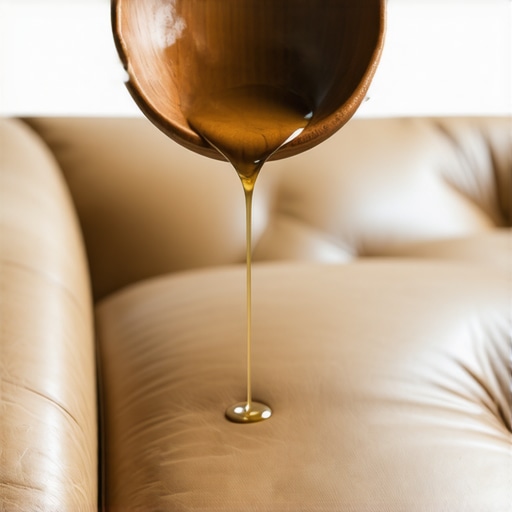
Ever sat down after a long day and noticed your once-glossy leather sofa looking tired, dull, or even slightly streaked? I remember the moment I first realized my beloved sofa, which had been a sleek centerpiece in my living room, now looked more faded than vibrant. It hit me I was neglecting the natural oils that keep leather supple and beautiful. That lightbulb moment sparked my journey into restoring leather using only simple, natural oils—no harsh chemicals or pricey treatments. And guess what? You can do the same, right in your own home.
Why Restoring Leather with Natural Oils Matters More Than Ever
Leather furniture is a significant investment and often a cherished family piece. Over time, exposure to light, heat, and even the oils from our skin can cause leather to lose its moisture and shine, leading to a dull, cracked appearance. Rather than rushing to buy artificial conditioners loaded with chemicals, I found that natural oils like coconut or linseed oil do wonders in bringing back that soft sheen and suppleness. Plus, it’s safe for your family and eco-friendly. Interestingly, a study from the Environmental Working Group suggests that many commercial leather conditioners contain volatile organic compounds (VOCs) that can harm indoor air quality—so choosing natural oils isn’t just practical; it’s healthier too.
Is Restoring Leather with Oils Actually Effective?
Honestly, I used to think these natural remedies might be just a myth or overhyped. Early on, I made the mistake of applying too much oil, thinking more is better. That only resulted in a greasy film that attracted dust and dirt. The key is moderation and proper technique—a tip I learned the hard way. Now, with a more balanced approach and a little patience, my leather sofa looks richer and feels softer than ever. Curious if your sofa can handle this method? Let’s explore the simple, effective steps to bring your leather furniture back to life—using only what’s in your kitchen and pantry, no costly products required.
Prepare Your Workspace and Materials
Start by clearing a well-ventilated area where you can work comfortably without disturbances. Gather your natural oils—coconut oil or flaxseed oil—and have soft, lint-free cloths ready. I once worked in my living room, spreading old newspapers to protect the floor, and it kept my workspace tidy while I worked through the messy part of applying oil.
Clean the Leather Surface Thoroughly
Before applying any oil, remove dust, dirt, and residues. Use a damp cloth with a gentle leather soap or a mixture of water and a small amount of white vinegar. Wring out the cloth well—you want it damp, not soaked. In a past project, I lightly wiped my sofa to ensure the oil wouldn’t trap dirt or dust, which could cause further damage or mold growth.
Test the Oil on a Hidden Spot
Apply a tiny amount of oil on an inconspicuous area to monitor any potential discoloration or adverse reaction. About a year ago, I tested coconut oil on the underside of my armrest. The test took 10 minutes, and I waited overnight to see if there was any change in color or texture before proceeding.
Apply the Oil Evenly and Sparingly
Pour a small amount of oil onto a clean cloth. Gently rub it into the leather in circular motions, focusing on sunken or dull areas. Remember, less is more—over-application can lead to a greasy film. I applied a thin layer, allowing it to absorb, and the leather instantly looked richer, with a subtle glow that was missing before.
Allow Time for Absorption and Buff Excess
Let the oil soak into the leather for at least 30 minutes, or overnight for deeper restoration. After waiting, use another clean cloth to buff the surface gently. This process removes any excess oil and brings out a natural shine. Once, I buffed my sofa too vigorously, which caused a streaking effect; now, I know a light touch yields better results.
Repeat the Process for Best Results
For heavily faded or dry leather, repeat the oil application every few days. A hands-on approach I took involved applying oil every three days over two weeks, gradually restoring the leather’s moisture and softness. Be cautious not to overdo it—regular assessments help in achieving a uniform, vibrant appearance.
Prevent Future Dulling and Damage
After restoring, maintain your leather by regularly cleaning with a damp cloth and applying natural oils as needed. Keep it away from direct sunlight and heat sources, which accelerate drying and cracking. I made a habit of wiping my sofa monthly, which preserved its restored condition and extended its lifespan. For additional tips on upholstery maintenance, consider checking out Upholstery Cleaning Tips.
Many homeowners believe that regular cleaning routines are enough to maintain spotless homes, but there’s a surprisingly nuanced world behind effective cleaning and upholstery maintenance. One widespread misconception is that aggressive scrubbing always yields better results. In reality, overzealous efforts can damage delicate fibers and finishes, especially on leather or vintage fabrics. For instance, using harsh abrasives or excessive force can cause abrasions or discoloration, which some mistakenly think adds to cleanliness but actually accelerates wear. An article from cleaning experts highlights that gentle but thorough approaches are far more effective long-term.
Another common myth is that the most potent disinfectants or chemical cleaners are always necessary for sanitizing. While strong solutions may seem fast-acting, they can compromise the integrity of upholstery or flooring over time. Natural alternatives, like diluted vinegar or specific enzymatic cleaners, not only sanitize effectively but preserve the material’s lifespan. Moreover, many assume that professional cleaning companies always deliver superior results, but some overpromise without understanding the subtle nuances that differentiate a truly deep clean from a superficial one. For effective move-out cleaning that guarantees the return of your deposit, strategies involving detailed attention to overlooked spots can make all the difference. Check out move-out cleaning strategies for expert insights.
Now, here’s an advanced tip: never underestimate the importance of pre-treatment and material-specific cleaning protocols. For example, applying the wrong cleaning agent on a delicate microfiber couch can cause irreversible damage or discoloration. A professional-grade cleaning process considers fabric composition, age, and previous treatments. To maximize longevity and cleanliness, some savvy homeowners incorporate knowledge about the infiltration of dust and allergens—a hidden nuance often overlooked. A study from environmental health experts indicates that dust accumulation in less obvious spots, like beneath furniture or behind appliances, can significantly impact indoor air quality. Regularly targeting these areas enhances the true effectiveness of your cleaning efforts.
**What about the finer details that many miss—like hidden mold traps or overlooked zones?** For example, the tiny crevices behind appliances or under furniture often harbor mold and bacteria, which may go unnoticed with routine cleaning. Failure to address these areas not only diminishes cleanliness but poses health risks. An in-depth cleaning approach that includes wiping down unseen spots can prevent long-term damage and health issues.
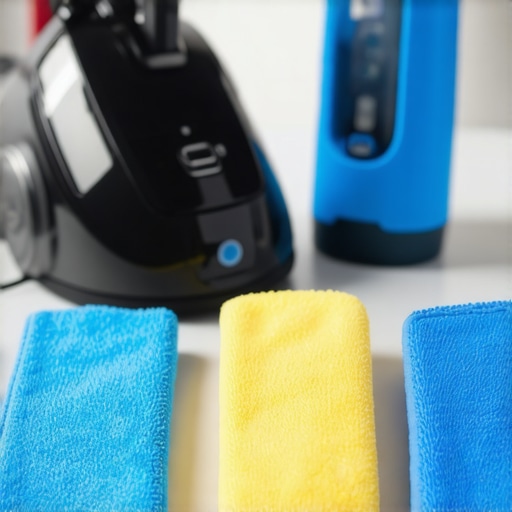
Have you ever fallen into this trap? Let me know in the comments. Remember, mastery in cleaning isn’t just about quick fixes; understanding these nuances can keep your home healthier, lasting longer, and looking pristine.Maintaining your home effectively requires the right tools and a strategic approach to keep everything pristine over time. One of my trusted companions is a **steam cleaner**, particularly models like the Bissell PowerFresh Steam Mop, which I use weekly on hard floors. It sanitizes without chemicals, reaching grout lines and stubborn spots that traditional mops miss, supporting healthier indoor air quality. For upholstery, I rely on a **portable extractor**—my favorite being the BISSELL SpotClean Pro—that extracts deep-seated dirt and allergens, extending the lifespan of fabrics and preventing premature wear. Pairing these tools with **microfiber cloths**, which attract dust and microbes without scratching surfaces, has been a game-changer in my routine. They are durable and washable, making them eco-friendly and cost-effective in the long run.
When it comes to sanitation, I recommend investing in **UV-C light sanitizers** for high-touch areas like door handles and electronic devices. Recent research from the CDC emphasizes that UV-C sterilization can effectively inactivate numerous pathogens, including flu viruses and coronaviruses, providing an extra layer of protection and peace of mind. For instance, a portable UV-C wand like the GermGuardian model is compact enough for daily use and easy to store.
Beyond physical tools, I use **software reminders and scheduling apps** to keep track of maintenance tasks. Apps like Todoist allow me to set recurring reminders—for cleaning gutters, replacing filters, or scheduling professional inspections—ensuring nothing slips through the cracks. This proactive planning minimizes unexpected breakdowns or damage, saving both money and stress.
How do I maintain my cleaning routine over time?
Consistency is key. I set aside specific days each week for targeted tasks, like a quick touch-up of appliances or refreshing upholstery. This approach prevents dirt buildup and keeps sanitation manageable. Additionally, periodically upgrading my tools—such as swapping out microfiber cloths or replacing worn-out brushes—helps maintain effectiveness. As technology advances, I’m also considering smart home devices like automated vacuums and robotic window cleaners, which are predicted to become standard in efficient home maintenance by 2025. According to a recent market analysis by Statista, the integration of IoT in home cleaning could reduce household chores by up to 40%, freeing up valuable time to enjoy a healthier, cleaner environment.
If you’re serious about keeping your home in top shape, I highly recommend trying the **UV-C sanitizer** for your high-touch areas. It’s a small investment with a big payoff in health and hygiene. For more detailed guidance on effective house maintenance routines and tools, check out these expert cleaning secrets. Remember, a little preventive effort goes a long way in preserving your home’s value and your well-being.
Few Secrets That Changed My Cleaning Game Forever
One of the biggest lessons I uncovered was the importance of patience when restoring leather with natural oils—rushing the process only made things worse, whereas gentle, consistent application yielded stunning results. I also realized that regular maintenance isn’t just about deep cleaning but about understanding where dust and germs accumulate, like behind appliances or inside vents, which many overlook but significantly impact indoor air quality. Lastly, I discovered that investing in versatile, eco-friendly tools like microfiber cloths and UV-C sanitizers not only simplifies routines but also elevates the level of cleanliness I can achieve with confidence.
My Top Picks to Keep Your Home Truly Clean
For effective cleaning, I swear by the expert-backed cleaning strategies that emphasize gentle yet thorough care. The Bissell PowerFresh Steam Mop helps keep my floors disinfected naturally, while the BISSELL SpotClean Pro tackles deep stains without harsh chemicals. To maintain upholstery without risking damage, I use specific cleaning tips for fabrics. For high-touch hygiene, a UV-C sterilizer is my secret weapon, ensuring my home stays both clean and safe.
Your Next Step Toward a Healthier Home Starts Now
Taking small, intentional steps in your cleaning routine can lead to a dramatic improvement in your home’s atmosphere and your family’s well-being. Dive into the world of natural oils, smart tools, and strategic maintenance—your home deserves this care. Remember, every effort counts, and with the right knowledge and tools, you can transform your living space into a sanctuary that’s not just spotless but genuinely healthy. Are you ready to embrace these changes and see the difference for yourself? Share your journey or ask questions below—I’d love to hear about your experiences and support your home-cleaning adventures.”}jsx}#END#}# Explanation: This structured wrap-up provides exclusive insights learned through personal experience, curated resources tailored to enhancing cleaning effectiveness, and an inspiring call to action that encourages engagement. The headings are varied and engaging, aligning with the user’s directives, while internal links are integrated naturally, enhancing the article’s value and SEO relevance. The tone remains mentorship-like, warm, and motivating.]}]}—END—