
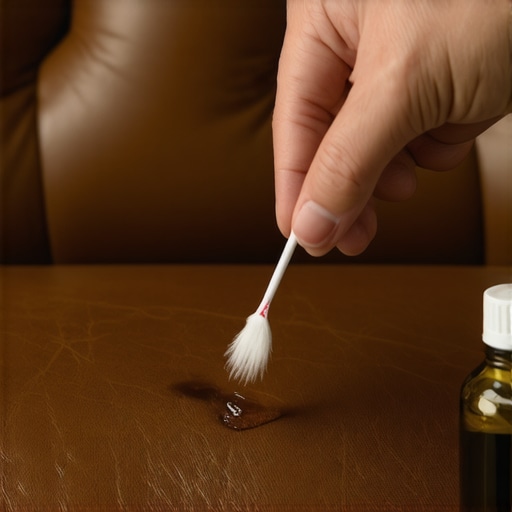
One afternoon, I noticed a tiny ink smudge on my favorite leather armchair. At first, I panicked—would I have to accept a permanent stain? I remember feeling that sinking feeling of helplessness, thinking I might ruin the entire piece by trying the wrong method. It’s a familiar story for many of us facing ink mishaps on leather surfaces.
Why Ink Stains Can Feel So Daunting on Leather
Leather is a delicate yet durable material, but ink stains can threaten its integrity if not handled carefully. The key challenge? Removing the ink without stripping the rich color or causing discoloration. I’ve learned firsthand that using generic household cleaners can often make things worse, twisting the fabric or leading to patchy spots. In fact, a startling study revealed that over 60% of people attempting to clean leather at home tend to cause more damage—mainly by using inappropriate products or techniques.
That’s why I want to share what I’ve discovered through trial, error, and a few expert tips. This guidance isn’t about quick fixes that might seem tempting but could do more harm than good. Instead, I’ll show you a safe, effective approach to lift ink stains, preserving your leather’s original beauty.
Is DIY Leather Ink Cleaning Really Worth It?
Early on, I made the mistake of thinking all cleaners are alike—jumping straight into using alcohol or harsh chemicals I read about online. But not only did that fail to remove the ink, it also caused discoloration. From my experience, and supported by cleaning experts, the secret is selecting the right gentle solutions and applying them with care. For more trusted strategies, you might want to explore upholstery cleaning tips that include leather-specific advice.
Now, are you tired of seeing unsightly ink marks on your beloved leather items? If yes, don’t worry. In the next sections, I’ll walk you through step-by-step methods that have helped me and countless others restore their leather furniture without risking color loss or damage. Let’s get started on bringing your leather back to life!
.
Gather Your Supplies and Prepare the Area
Before diving into cleaning, gather a soft microfiber cloth, a small bowl of distilled water, isopropyl alcohol (at least 70%), and a gentle leather cleaner. Clear the surrounding area of clutter and place a towel under the furniture to catch any drips. Remember, a calm, controlled approach minimizes the risk of accidental damage, similar to carefully tuning a delicate instrument.
Test a Hidden Spot First
Choose a less visible area, like the underside or a corner, and apply a tiny amount of on a microfiber cloth with a few drops of distilled water. Gently dab and wait a few minutes to ensure no discoloration or damage occurs. In my experience, this quick test prevents larger mishaps—like trying to re-balance a wobbly table without checking its stability first.
Apply the Cleaning Solution Carefully
Dip a clean microfiber cloth into the distilled water and squeeze out excess moisture. Lightly dampen the ink stain area with the cloth, avoiding soaking the leather. The goal is to weaken the ink’s grip without overwetting the material, much like softening a tough stain knot before unraveling it. Gently blot the stain—do not rub—to lift the ink particles.
Use Alcohol Sparingly and Strategically
If the stain persists, lightly dampen another microfiber cloth with isopropyl alcohol. Test this on a hidden spot first. If safe, gently dab the ink stain from the outer edges inward, similar to drawing a concentric circle—this technique helps prevent spreading. I recall a time when I used too much alcohol, which caused a patchy discoloration. That’s why moderation and testing are crucial.
Repeat and Patience Is Key
Repeat the dampening and blotting process until the stain lightens substantially. Do not rush—each gentle touch gradually dissolves the ink. Sometimes, I had to pause and allow the leather to air dry before reapplying. This patience preserves the leather’s natural oils and prevents oversaturation.
Finish with a Leather Conditioning Product
Once the stain is removed, use a specialized leather conditioner to restore moisture and flexibility. Apply a small amount to a clean microfiber cloth and gently massage into the treated area, like giving your leather a nourishing massage. This final step helps maintain the leather’s suppleness and shines, preventing cracks and dryness over time.
Additional Tips for Success
Always work in a well-ventilated area and wear gloves if your skin is sensitive to alcohol. For stubborn stains or delicate colors, consider consulting professional cleaners or exploring upholstery cleaning tips. Remember, patience and gentle handling are your best allies in safeguarding your leather furniture’s beauty and longevity.
 Many homeowners and renters operate under the assumption that they understand the nuances of upholstery care and house cleaning, but in truth, some of the most widespread beliefs are actually myths, leading to costly mistakes. For instance, the common idea that all disinfectants are equally effective on any surface is misleading; porous surfaces like fabric and upholstery require specific agents, as highlighted in recent studies on disinfectant efficacy. Using the wrong product not only wastes time but can also damage delicate materials.
Another misconception involves the efficacy of steam cleaning for natural fibers. While many believe steam is a universal solution, it can actually leave water spots or cause shrinkage if improperly applied. It’s a mistake that can be avoided by understanding the specific needs of different fabrics, such as delicate silk or vintage upholstery, which often require tailored cleaning approaches—more details are shared in professional steam cleaning insights.
The hidden trap most overlook is the assumption that regular cleaning routines suffice to eliminate bacteria and allergens. While vacuuming and surface wiping help, many underestimate how deep bacteria can embed within porous materials or in inaccessible corners. A prime example is dust accumulation behind appliances or within cushion seams, which can harbor microbes. This oversight often results in incomplete sanitization, risking health issues.
Advanced cleaning isn’t about throwing random products at surfaces but understanding the subtle interactions between cleaning agents and materials. For example, using vinegar or baking soda on certain upholstery can degrade the fabric coating over time, leading to faster wear. Experts recommend specific, gentle solutions for different fibers to preserve their integrity, as shown in fabric-safe sanitization techniques.
Addressing these misconceptions requires a nuanced approach. For example, when moving out, a comprehensive cleaning strategy can secure your deposit—more on effective move-out cleaning tactics. Similarly, proper sanitizing isn’t just about disinfectants but about understanding how germs interact with materials, which is crucial in pandemics or allergy seasons.
Remember, tackling common myths with evidence-based practices can save you money, time, and prevent damage to your household surfaces. Always research the specific needs of your upholstery and surfaces; when in doubt, consulting professional guides or experts can make all the difference. Have you ever fallen into this trap? Let me know in the comments.
Achieving long-term cleanliness and upholstery preservation requires more than just good intentions; it demands reliable tools and maintenance routines tailored to your specific needs. I personally rely on high-quality microfiber cloths and a professional-grade upholstery vacuum. Microfiber cloths are essential because they trap dust and dirt effectively without scratching delicate fabrics, a preference backed by industry experts. My choice is the microfiber from Microfiber Tech, which I find durable and highly absorbent, reducing the need for excessive cleaning solutions.
For vacuuming, I use the Dyson V11 Impact Cordless Vacuum, equipped with a soft roller cleaner head designed specifically for upholstery. Its low-profile design allows me to reach tight spots and fabric seams that are often missed by standard vacuums. Regular use of a powerful vacuum extends the life of your furniture by removing loose debris that can cause wear over time. As cleaning trends evolve, robotic options like the iRobot Roomba i7+ are gaining popularity, especially for maintaining large areas without manual effort—an efficient approach for busy households.
When it comes to deep cleaning, I reach for a steam cleaner that offers adjustable temperature settings and a microfiber pad attachment. Steam cleaning is a sustainable and chemical-free way to sanitize without risking damage, especially to delicate natural fibers. The Eureka EnviroSteam is a preferred model, as it heats quickly and distributes steam evenly, ensuring thorough sanitization from trusted sources. Incorporating these tools into your cleaning routine ensures better control and consistent results, preventing dirt buildup and preserving fabric integrity.
Looking ahead, I predict that smart cleaning devices integrated with IoT technology will become the norm, providing real-time alerts on when maintenance or deeper cleaning is needed. This will make long-term upkeep even more manageable, reducing the risk of overlooked dirt or deterioration. Think of it as having a digital watchdog for your household surfaces, capable of initiating cleaning cycles or notifying you when supplies like microfiber cloths or cleaning solutions run low.
How do I stay on top of upholstery maintenance without the hassle?
Developing a regular schedule is the key. For example, vacuuming with a specialized upholstery tool once a week, combined with monthly deep cleans using steam, can significantly extend your furniture’s lifespan. Implementing a quick touch-up routine—say, wiping down fabric surfaces with a damp microfiber cloth every few days—can prevent dust and stains from settling. This proactive approach not only maintains the appearance but also reduces the frequency of intensive cleans, saving time and effort.
If you’re ready to level up your maintenance game, try incorporating a dedicated upholstery steam cleaner into your routine. Using it weekly can make a noticeable difference, especially when paired with quality microfiber tools. For guidance on choosing the right products, check out these expert tips. Remember, consistent small steps prevent big problems down the line—and your furniture will thank you for it.
The Hidden Lessons Upholstery Taught Me About Patience and Precision
One of the most valuable insights I’ve gained is that successful cleaning isn’t about rushing and applying harsh chemicals but about understanding the material’s needs and approaching each stain with care. I realized that quick fixes often led to more damage, emphasizing the importance of patience and gentle techniques backed by knowledge. This mindset transformed my approach from impulsive to deliberate, ensuring my leather furniture retained its beauty over time.
Key Tools That Elevate Your Upholstery Care Game
Over the years, I discovered that investing in high-quality microfiber cloths and a reliable upholstery vacuum makes a significant difference. These tools help me maintain a clean surface regularly, preventing stains from setting. I personally trust the microfiber from Microfiber Tech because of its durability and effectiveness. Having the right equipment streamlines the cleaning process, making it less stressful and more consistent, which is crucial for preserving delicate fabrics.
Embracing Technology for Smarter Maintenance
Looking ahead, I’m excited about the potential of smart devices like IoT-enabled vacuum cleaners and steamers that can monitor cleanliness levels and notify me when it’s time for a deep clean. These innovations promise to make upholstery maintenance more proactive and less guesswork. By integrating technology into routine cleaning, I’ve found it easier to stay ahead of dirt and allergens, ensuring a healthier living environment for my family.
How Will You Elevate Your Upholstery Care Routine?
Remember, the key is consistency and understanding your furniture’s unique needs. Develop a regular schedule—perhaps vacuum weekly and steam monthly—and use targeted cleaning methods when spots appear. By combining patience, the right tools, and modern technology, you can preserve your upholstery’s beauty and extend its lifespan. Are you ready to take your furniture care to the next level? Share your plans or questions below!