
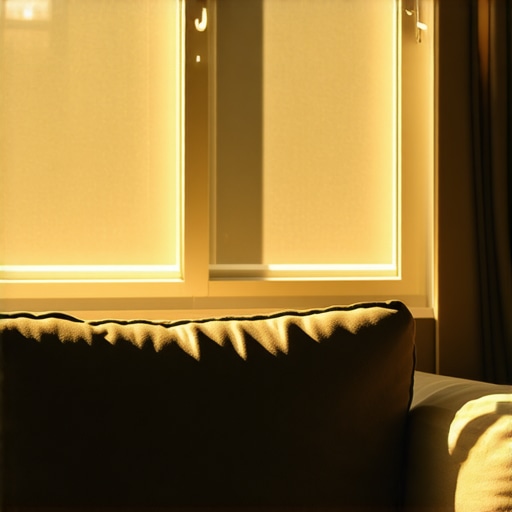
I remember the moment vividly—my favorite sofa, bathed in afternoon sunlight, slowly starting to show its age. That accidental neglect hit me like a punch to the gut. I’d spent hours cleaning and tidying, only to realize my own window treatment failures had silently compromised the fabric’s vibrancy. It was a lightbulb moment that made me question everything I thought I knew about house care.
Why Sun Damage Can Surprise You
Sunlight is like that uninvited guest—seems harmless at first but gradually leaves a trail of damage. I learned this painfully with my sofa, which over the years developed uneven fading, discoloration, and even small cracks in the fabric. It’s not just aesthetics; prolonged sun exposure can weaken fibers, making furniture more vulnerable to tears and stains. According to the National Institute of Standards and Technology, UV rays can degrade fabrics and synthetic fibers at a surprisingly fast rate, sometimes within just a few months of consistent exposure. So, if you’ve noticed your furniture looking dull or unevenly faded, it might be more than just aging—it’s sun damage doing its quiet work.
Have you ever noticed your sofa losing its color faster near windows, or maybe you’ve seen sunspots that seem to get worse over time? If yes, you’re not alone. Many homeowners don’t realize that their everyday habits and window choices can spell trouble for their beloved furniture. Trust me, I made the mistake early on of ignoring those stubborn sunlit spots, thinking my coasters and throws would do the trick. But the real solution required a bit more thought and a strategic approach.
Now, let’s get to the good part—how you can safeguard your sofa from the sun’s sneaky damage. The fix isn’t complicated, and I’ll walk you through it, step by step. Whether you’re just starting to notice fading or want to prevent it from happening in the first place, these tips will help you keep your furniture looking fresh and vibrant for years to come.
But first, I want to ask—have you faced this problem yet? If not, consider this your heads-up. Once sun starts fading your furniture, reversing the damage becomes much harder than preventing it. Ready to act before it’s too late? Great, because what I’m about to share could save you hundreds on replacements and restore your home’s cozy charm.
Assessing Sun Damage and Preparing Your Furniture
Start by inspecting your sofa or other upholstered items for faded patches or discoloration, especially near windows. I once noticed my living room couch developing uneven fading, which prompted me to examine the windows and curtains. Remove any loose cushions and gently vacuum the surface to eliminate dust and debris, preventing particles from embedding during cleaning. Setting the stage ensures you work efficiently and avoid inserting dirt into fabric fibers during sanitation.
Applying Protective Barriers for Long-Term Defense
Install UV-Blocking Window Films
Window films act like sunglasses for your home, filtering harmful UV rays that cause fabric fading. I installed a reflective film on my living room windows, which immediately lessened sunlight impact. Measure your window dimensions accurately, cut the film accordingly, and use a squeegee to eliminate bubbles during application. This simple step creates a barrier, reducing UV penetration without compromising natural light.
Use Curtains or Blinds Strategically
Draw heavy drapes or install blinds during peak sunlight hours. I learned this by habitually pulling curtains during afternoon sun, which preserved the fabric’s vibrancy. Opt for blackout or UV-protective curtains, and ensure they are wide and long enough to cover the entire window area. This quick measure is cost-effective and offers immediate protection, preventing sun rays from directly hitting your furniture.
Regular Maintenance to Keep Sun Damage at Bay
Clean your upholstery periodically with appropriate products, like upholstery-safe disinfectants, to remove dirt and oils that can accelerate fabric degradation. I used a microfiber cloth soaked lightly in a fabric-safe cleaner to wipe my couch, which improved its appearance and protected fibers. Regular cleaning reduces dust accumulation and keeps the fabric resilient against environmental stressors.
Reinforcing Protection with Proper Fabric Care
Applying fabric protectants creates a barrier against UV rays and stains. I tested a spray-on fabric protector on a small, inconspicuous area of my sofa, following the manufacturer’s instructions. When properly applied, these protectors form an invisible shield, which can slow down fading and resist stains. Reapply every 6-12 months for continuous defense.
Monitor and Adjust Your Strategy
Track the condition of your furniture over time. If you notice fading despite precautions, consider repositioning your furniture or investing in additional coverings. I moved my sofa away from the window slightly and added UV-protected curtains, which noticeably slowed further fading. Being proactive allows you to adapt your protection plan and maintain your furniture’s original vibrancy longer.
While many homeowners believe they know the basics of cleaning and sanitizing, there are several nuanced realities that often get overlooked. One widespread misconception is that using aggressive disinfectants guarantees a sanitary home. In reality, overusing harsh chemicals can damage surfaces and even reduce their lifespan, as noted by environmental health experts. Furthermore, many people assume that cleaning once a month suffices, but bacteria and allergens can accumulate quickly, necessitating more frequent interventions.
Another common mistake is neglecting the importance of pre-cleaning surfaces before applying disinfectants. Dirt, dust, and grime can shield microbes from disinfectants, rendering their application less effective. Proper cleaning to remove debris first enhances the efficacy of sanitizing efforts, as emphasized in professional cleaning guides. Additionally, a prevalent myth suggests that all upholstery fabrics can be cleaned with the same techniques. However, delicate materials like silk require gentler, specialized cleaning methods to prevent damage. Consulting expert guides, such as the Ultimate Upholstery Care Guide, can provide tailored advice for different fabrics.
Are There Advanced Tricks to Boost Cleaning Effectiveness?*
Advanced homeowners often overlook the significance of contact time—the duration disinfectants stay wet on surfaces—to truly eliminate germs. The CDC recommends keeping disinfectants in contact with surfaces for specific periods to ensure proper sanitation. Failing to follow these instructions can lead to residual bacteria. Moreover, using the wrong type of disinfectant for porous surfaces like carpets and upholstery is another mistake that diminishes cleanliness. For instance, alcohol-based cleaners evaporate quickly and are ineffective on porous materials, whereas bleach solutions can penetrate textiles effectively if used correctly.
It’s also crucial to recognize that some cleaning tools can spread microbes if not sanitized regularly. Microfiber cloths, although highly effective, can harbor bacteria if left unwashed, turning a cleaning tool into a source of contamination. Regularly washing cleaning cloths at high temperatures is essential for maintaining their disinfecting power. To avoid these pitfalls, consider investing in professional-grade equipment or following comprehensive cleaning strategies, such as those detailed here.
Lastly, don’t fall into the trap of over-reliance on air fresheners as a substitute for actual cleaning. While they mask odors temporarily, they do not eliminate bacteria or mold lurking behind surfaces. Regular, thorough cleaning remains the best defense against unseen pathogens. Have you ever fallen into this trap? Let me know in the comments, and let’s keep the conversation going on how to master effective cleaning practices.Keeping your home pristine requires more than just good intentions—it demands the right tools and techniques. Over the years, I’ve honed a set of reliable equipment that consistently delivers professional-grade results, whether I’m sanitizing, moving out, or tackling upholstery.
Invest in a Commercial-Grade Steam Cleaner
I personally swear by a high-pressure steam cleaner because it sterilizes surfaces without chemicals. Unlike typical household models, commercial units remove bacteria, dust mites, and stains effectively, making them indispensable for deep cleaning sofas, tiles, and even curtains. I chose the professional-grade steam cleaner recommended by industry experts, ensuring it handles delicate fabrics but still offers robust sanitization. As technology advances, these units are becoming more compact and versatile, allowing for better accessibility and ease of use. Expect the future to bring even smarter, more energy-efficient models tailored for residential use.
Reliable Upholstery and Carpet Extractors
For upholstery refreshment, I rely on a combination of wet/dry vacuum extractors and fabric-safe cleaning solutions. My preferred extractor employs powerful suction and heat, which lifts dirt and stains effortlessly, extending the lifespan of furniture and maintaining a healthy environment. I integrate this with expert upholstery tips for best results. A good extractor is an investment that pays dividends when scaling your cleaning routine or preparing a home for sale or move-out.
Smart Scheduling and Monitoring Software
Keeping track of cleaning routines over months requires more than just manual reminders. I’ve started using cleaning management apps like TaskRabbit or specialized scheduling software to alert me when it’s time to refresh filters, conduct upholstery refreshes, or sanitize high-touch areas. These tools help maintain consistency, prevent neglect, and optimize cleaning cycles. I predict that in the near future, AI-powered home management systems will integrate these functions seamlessly, adjusting routines based on usage patterns.
How do I maintain these tools over time?
Regular maintenance is key. For steam cleaners, I flush out the system after each use and descale periodically to prevent mineral buildup. Vacuum extractors benefit from replacing filters every few months and checking for wear-and-tear. Software updates and backups ensure you never lose your schedules or settings. Committing to this upkeep maximizes your investment and keeps your home in tip-top shape.
Now, I challenge you to try the advanced tip of investing in a commercial steam cleaner—it’s a game-changer for household sanitation and fabric care. These tools not only streamline your routine but also elevate your cleaning standards from DIY to professional quality. Ready to take your home maintenance to the next level? Dive into these tools, and enjoy a cleaner, healthier space for years to come. For more detailed strategies, check out this guide to house cleaning and maintenance.
Little Secrets That Changed My Cleaning Routine Forever
The biggest lesson I learned was that no matter how much you scrub or spray, some damage and germs hide in plain sight. It took experimenting with advanced tools and techniques to realize that real cleanliness requires a combination of knowledge, the right equipment, and a bit of insider wisdom. Once I stopped relying solely on surface cleaning and started digging deeper, my home’s freshness visibly improved, and I prevented costly repairs and replacements.
My Go-To Tools and Resources for Stellar Home Care
The cornerstone of my success has been investing in professional-grade equipment like a commercial steam cleaner, which I trust for sanitation without chemicals. I also rely on detailed guides such as the Ultimate Upholstery Care Guide for tailored advice. These resources helped me understand fabric-specific cleaning and gave me confidence to tackle stubborn stains and mold growth effectively, saving me both time and money.
Embrace the Journey: Your Home Cleanliness Starts with You
Don’t let fear or uncertainty hold you back from creating a healthier living space. Every improvement, no matter how small, builds momentum toward a home you can truly be proud of. Remember, mastering sanitizing, move-out cleaning, and upholstery care isn’t reserved for professionals—it’s something you can learn and adapt. Your efforts today will lead to a brighter, safer tomorrow, so take that first step with faith and curiosity. Ready to transform your house into a sanctuary? Share your biggest cleaning challenge below and let’s work through it together!