
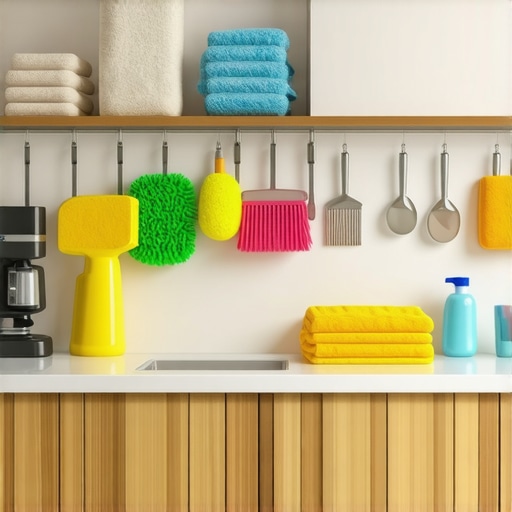
It was a typical Saturday morning when I looked into my overflowing sink and noticed a stubborn grease ring that refused to budge, even after trying every scrub and spray I had on hand. That lightbulb moment hit me hard: I was approaching my kitchen cleaning all wrong. The truth is, without proper preparation, even the most dedicated effort can fall flat, leaving you exhausted and frustrated. And let’s be honest—who wants to spend hours on a deep clean that doesn’t deliver that satisfying sparkle?
Why a Proper Kitchen Prep Is Your Secret Weapon
Cleaning your kitchen isn’t just about wiping surfaces; it’s about strategically setting the stage for a thorough, sanitizing, and lasting transformation. When I first started neglecting this crucial step, I kept re-cleaning the same spots, only for grime to return faster. Over time, I learned that a little groundwork makes all the difference, saving me time and effort in the long run. According to expert cleaning tips, investing time in the prep phase maximizes cleaning effectiveness and ensures healthier living spaces, especially as studies show that kitchens are among the top areas harboring bacteria (source: [Effective Sanitizing Methods for a Germ-Free Home](https://spotlesscarpetz.com/effective-sanitizing-methods-for-a-germ-free-home)).
Is Overthinking Your Kitchen Prep Worth It?
Early on, I used to rush into scrubbing without any real plan—big mistake. I thought I could just spray and wipe away everything. Spoiler alert: that approach wastes a lot of product and leaves microbial hiding spots untouched. Believe me, taking a few extra minutes to organize, declutter, and assess the space results in a deeper, more sanitary clean. If you’ve ever faced the dilemma of whether to invest time in prep or just get your hands dirty, remember that a small upfront effort can make your whole cleaning process more efficient and effective.
Start with Decluttering and Organizing
Remove all items from countertops, drawers, and cabinets. Use a sturdy box to gather items that don’t belong in the kitchen. This clears surfaces and ensures thorough cleaning. I once pulled out all the utensils and store them temporarily on the dining table, which made wiping down surfaces much easier and faster.
Clear Out Countertops
Empty everything, including small appliances, to access every corner. Use a microfiber cloth to dust off crumbs and loose dirt. This step prevents smudging and dragging debris during wiping, making your cleaning more effective.
Pre-treat Surfaces and Hidden Grime
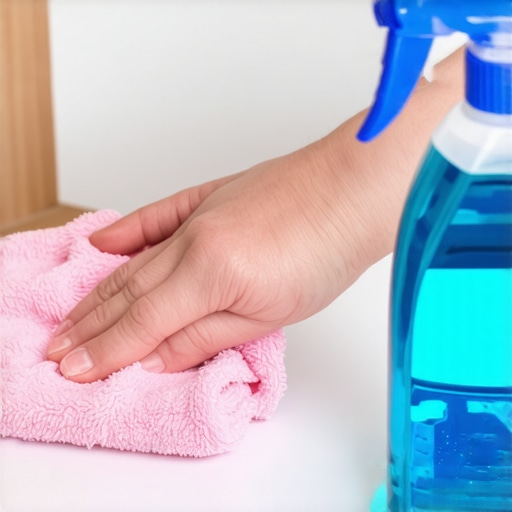
Apply an all-purpose cleaner or a mixture of warm water and a few drops of dish soap to countertops, stove, and backsplash. For greasy spots, use a degreasing spray or a paste made of baking soda and water. Let it sit for 5-10 minutes to loosen stubborn grime. When I tackled my greasy stove, I sprayed a generous amount of cleaner and let it work while I prepared the disinfectant solution for sanitizing.
< >
>
Imagine treating a cast-iron skillet with oil before cooking; pre-treatment in cleaning acts similarly—preparing the surface for an effective scrub.
Deep Clean Step-by-Step
Use a non-abrasive scrub brush or sponge to wipe down surfaces. Rinse your sponge frequently to avoid redistributing dirt. For tougher stains on tiles or grout, make a paste of baking soda and water, apply directly, and let it sit before scrubbing gently. This is similar to using a pumice stone on rough surfaces—careful but decisive action yields better results.
Sanitize with the Right Products
Choose a disinfectant that kills bacteria without damaging surfaces. Spray generously, especially on high-touch areas like handles and switches. For a more natural approach, a mixture of white vinegar and water works well on most surfaces but avoid vinegar on natural stone, as it can cause damage. Think of this as applying SPF protection—targeted and deliberate to guard against unseen germs.
Focus on Hidden Nooks and Crannies
Use a toothbrush or small detailing brush to reach tight spots around faucet bases, between stove burners, and inside drawer handles. These small areas harbor bacteria and grime, often overlooked. I once spent extra time cleaning the crevices of my fridge seals, which resulted in a fresher smell and improved appliance efficiency.
Don’t Skip the Floors
Vacuum or sweep first, then mop with a suitable floor cleaner. For tiled floors, pay attention to grout lines—scrub them with a toothbrush dipped in a baking soda paste. Finish with a clean mop and water to remove residue. This holistic approach ensures every part of your kitchen shines, much like polishing a gemstone reveals its true brilliance.
Replace Items and Final Touches
Return all items, wipe down any smudges or dust on appliances or cabinets, and replace them neatly. Consider applying a fresh cloth or covers on sponges and dishcloths to prevent spreading germs post-cleaning. Remember, a well-organized space not only looks better but also stays cleaner longer.
Maintain Your Kitchen Clean Routine
Set a weekly schedule for quick touch-ups and deep cleans. Regular maintenance keeps grime at bay and cuts down your weekly effort. Like tuning a car, periodic adjustments keep your kitchen running smoothly and hygienically.
When it comes to house cleaning, many of us fall prey to misconceptions that can sabotage our efforts and even compromise our health. Let’s dig deeper into some overlooked nuances, dispel common myths, and shed light on advanced pitfalls that only seasoned cleaners are aware of. First off, a prevalent belief is that using bleach kills all germs instantly. While bleach is potent, relying solely on it without proper dilution or leaving it on surfaces for the recommended time can reduce its effectiveness. According to cleaning experts, improper use of disinfectants not only wastes product but may leave some bacteria intact, undermining your sanitation efforts. Moreover, many think that deep cleaning once a month suffices. In reality, high-touch areas like light switches, remote controls, and doorknobs require weekly attention to prevent germ buildup. Failing to maintain this routine can turn your home into a germ paradise, especially during flu season. Now, here’s a common trap: believing that vacuuming alone removes all dirt and allergens from carpets. The truth is, without regular deep cleaning or steam treatment, dust mites and pet dander can linger. Plus, a vacuum that’s full or poorly maintained can spread particles instead of removing them. Regularly changing filters and supplementing vacuuming with professional carpet cleaning can significantly enhance indoor air quality.
Why does forgetting to sanitize hidden spots like below appliances matter so much?
Overlooking these areas allows bacteria and mold to thrive unnoticed, which can cause allergic reactions or worse. A study published in the Journal of Environmental Health emphasizes that hidden, humid spots are hotspots for microbial growth. Ensuring these areas are sanitized helps maintain a healthier environment. Additionally, many underestimate the importance of upholstery maintenance. Regular vacuuming is good, but deep cleaning upholstery with specialized techniques is vital. As I learned from experts, neglecting this can lead to persistent stains and allergen accumulation, which undermines the freshness of your furniture. For a comprehensive guide, visit our upholstery tips to ensure lasting cleanliness. Moving out? Rushing through cleaning can jeopardize your deposit return. Common mistakes include neglecting grout lines or forgetting to disinfect appliances. Simplify the process with our detailed move-out cleaning checklist, which covers all the hidden corners landlords scrutinize. And finally, in the realm of sanitizing, many settle for sprays that only mask germs temporarily. Investing in proven methods, like steam cleaning or hospital-grade disinfectants, ensures thorough sanitation. Our sanitizing secrets reveal how to maximize germ elimination without risking damage to surfaces. Remember, effective house cleaning involves understanding these nuances; it’s about quality, not just quantity. Have you ever fallen into this trap? Let me know in the comments! For more expert insights, check out our effective house cleaning secrets, and ensure your routines are truly comprehensive.Maintaining a pristine home requires more than just knowing the right cleaning techniques; it demands reliable, high-quality tools and a sustainable maintenance routine. Investing in equipment that stands the test of time not only makes your cleaning more effective but also ensures your efforts yield long-term results. One tool I personally recommend is a **steam cleaner**—it’s versatile for sanitizing carpets, upholstery, and even hard floors. Unlike traditional mops and sprays, steam cleaners eliminate germs without chemical residues, making them both eco-friendly and powerful. I use the **Vaporetto Smart 37.4** because its adjustable steam control allows me to tailor the cleaning intensity, which is crucial for delicate upholstery or stubborn grime in high-traffic areas. Regular maintenance of your tools is equally vital; for instance, cleaning and replacing vacuum filters prevent dirt redistribution and maintain suction power. A well-maintained vacuum can drastically improve indoor air quality, particularly if you suffer from allergies. As the industry moves toward automated solutions, robotic vacuums like the **Roomba i7+** are becoming popular. They require minimal oversight and can be scheduled to clean daily, reducing the weekly cleaning burden. These are especially useful for maintaining carpet and floor cleanliness during busy periods or when on move-out cleaning schedules, aligning with our comprehensive move-out cleaning strategies to secure your deposit. Looking ahead, the trend points toward integrating smart technology into cleaning tools—think remote monitoring, app control, and sensors that assess dirt levels—making home maintenance even more autonomous and efficient.
How do I keep my cleaning tools’s performance over time?
To preserve your cleaning arsenal, regularly check and replace consumables like brushes, filters, and pads. Cleaning your steam cleaner’s water reservoir after each use prevents mineral build-up, ensuring consistent performance. Additionally, storing tools in a dry, dust-free environment prolongs their lifespan. For upholstery, professional-grade fabric protectors and regular deep cleaning can extend the furniture’s life and maintain its fresh appearance. Our comprehensive guide on upholstery care provides further insights into maintaining your furniture’s fabric integrity. For sanitation, schedule periodic deep cleans using methods like steam treatment or hospital-grade disinfectants, especially in high-touch areas—this is crucial to prevent microbial buildup, as detailed in our latest sanitizing secrets. Remember, investing in quality tools paired with routine maintenance is the key to achieving lasting cleanliness, freeing your time for more enjoyable pursuits. Try setting up a bi-monthly tool check to ensure your equipment remains in prime condition, and you’ll notice the difference in your home’s hygiene levels over time.
As I reflect on my cleaning journey, I realize that the true transformation happens when I stop treating chores as a mere task and start viewing them as an opportunity to learn and improve. Over time, I’ve uncovered subtle techniques and mindset shifts that have revolutionized my approach to kitchen cleaning, revealing that excellence often lies in the details and consistency rather than brute effort alone.
What I Wish I Knew About House Cleaning That Changed Everything
- Small habits create big differences—like wiping down high-touch spots daily rather than letting grime build up. These tiny steps prevent overwhelming messes and keep surfaces gleaming effortlessly.
- Pre-treatment isn’t just for stubborn stains; it primes surfaces, making scrubbing more effective and reducing wear over time. Investing those extra few minutes saves hours of rework later.
- Choosing the right tools and sanitizers for each surface isn’t optional—it’s essential. Mixing natural solutions with proven disinfectants ensures safety and thoroughness, especially in the kitchen.
- Deep cleaning is a ritual, not a one-off event. Scheduling regular routines transforms a daunting task into a manageable upkeep and keeps microbial hideouts at bay.
My Go-To Resources for Cleaner Homes
- Effective House Cleaning Secrets from Cleaning Experts: This resource distills professional insights into actionable tips you can implement immediately, making your cleaning more efficient.
- The Ultimate Upholstery Care Guide for Lasting Freshness: Regular upholstery maintenance not only refreshes your furniture but also improves your home’s overall air quality. Trust this guide for best practices.
- Move-Out Cleaning Hacks to Secure Your Deposit: Moving can be stressful, but with a strategic checklist, you can streamline your cleaning and avoid deposit disputes.
- Sanitizing Secrets for a Safer House in 2025: Staying ahead with modern sanitizing techniques ensures your home remains a germ-free sanctuary, especially during flu season or health crises.
Your Turn to Take Action
Remember, mastering the art of deep kitchen cleaning isn’t about perfection but progress. With dedication and the right strategies, your kitchen can become a shining example of hygiene and order. Don’t wait for the next spill or stubborn grease ring—start implementing these secrets today and enjoy the lasting results.
What small change will you make this week to elevate your kitchen cleaning routine? Share your goals below!