
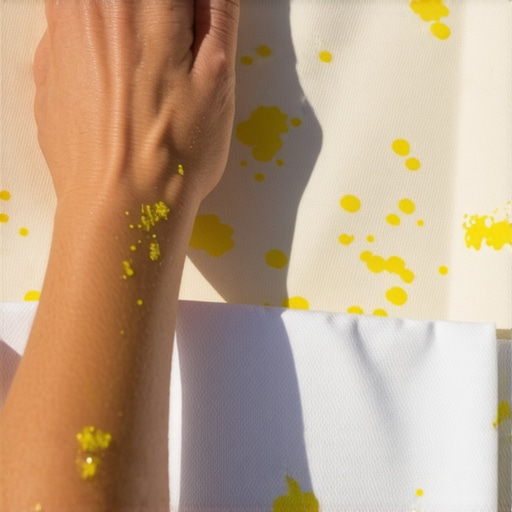
I walked out to my porch last Saturday morning, coffee in hand, expecting a peaceful moment, but I was greeted by a neon yellow nightmare. My favorite navy cushions looked like they’d been hit by a flour bomb. It’s that time of year where the air is thick with yellow dust, and while the trees are happy, my porch furniture certainly isn’t. In my early days, I made the classic rookie mistake: I grabbed a wet cloth and started scrubbing like my life depended on it. Big error. I ended up creating a permanent yellow smear that lasted the entire season. I felt so defeated because I pride myself on keeping things tidy, yet I’d basically dyed my sofa with tree dust. Today, I want to make sure you don’t repeat my mistakes. We’re going to walk through how to lift those stains without losing your mind or your furniture. Have you ever looked at your patio cushions and just wanted to cry because of that stubborn yellow coating?
Why Pollen is the Ultimate Backyard Villain
To the naked eye, pollen looks like fine dust, but under a microscope, it’s a different story. According to the National Phenology Network, many types of pollen grains are equipped with tiny hooks, spikes, and sticky proteins designed to latch onto surfaces. This biological design makes it incredibly difficult to simply brush away once it settles into a fabric weave. When you add water too early, you aren’t cleaning it; you are activating those sticky properties and dissolving the pigments, which then act like a dye. If you’ve been reading my upholstery cleaning tips for a fresh home revival, you know that treating the surface gently is the first rule of restoration. Before you decide to deep clean your porch before summer starts, we need to handle these microscopic hitchhikers with a specific sequence of dry and wet steps.
Is your outdoor furniture actually ruined for good?
I hear this worry from my neighbors every spring. They assume the fabric is stained forever and start looking for replacements online. The good news is that your cushions are likely fine, provided you haven’t already heat-set the stain with a hairdryer or a steam cleaner. A crucial tip I always share is that you should never rub a stain into your fabric sofa or cushions, as this mechanical action breaks the pollen grains open and pushes the oil deeper into the fibers. Instead, we want to lift the particles out. I’ve found that even something as simple as the dish soap trick for spot cleaning can work wonders if applied after the bulk of the dry pollen is removed. We aren’t just cleaning; we’re performing a delicate rescue mission for your outdoor oasis. Let’s get into the actual tools you’ll need to save your Saturday.
Stop the Spread by Starting Dry
The absolute first rule of pollen warfare is keeping things bone-dry for as long as possible. If you introduce a garden hose or a wet rag before you’ve addressed the loose powder, you’re essentially making a bowl of bright yellow soup right on your expensive fabric. Think of it like trying to clean up a pile of glitter with a damp sponge; you aren’t removing it, you’re just giving it a permanent home. Start with a soft-bristle brush or, better yet, a high-powered vacuum. However, you need to be careful with your equipment choice. I’ve noticed that if your machine is outdated, why your vacuum cleaner is actually making your house dustier might be the very reason you see a cloud of yellow resettling on your furniture five minutes later. Use a HEPA-filter vacuum with a brush attachment and gently lift the dust rather than grinding it in.
The Magic of Simple Suds
Once the loose particles are gone, you need a surfactant to break the bond of any remaining sticky residue. This is where the dish soap trick for spot cleaning comes in handy. Mix a few drops of clear, mild dish soap into a bucket of lukewarm water. Use a microfiber cloth to dab—never rub—the remaining yellow spots. I remember a spring back in 2018 when I got impatient with my porch chairs and tried to use a pressure washer. The force was so high it actually shredded the top layer of the weave, teaching me that why you should never use abrasive sponges on your bathtub or any delicate surface applies to your outdoor oasis too. Gentleness is your best friend here; let the soap do the heavy lifting of emulsifying those biological oils.
Don’t Forget to Check the Care Label
Before you go all-in with a full soak or any effective sanitizing methods for a germ-free home, take a second to find that little white tag. Some outdoor fabrics are ‘S-coded,’ meaning water-based cleaners can cause shrinking or permanent rings. Knowing how to treat s-coded upholstery fabric without ruining it is vital if you want your cushions to survive the season. If your fabric allows for it, a final rinse with a low-pressure hose will carry away the soapy residue and the microscopic spikes that make pollen so irritating to your skin. If you are dealing with a larger space, you might even consider house cleaning strategies for a sparkling home today to ensure the surrounding deck isn’t just feeding more dust back onto your clean cushions. Focus on blotting the fabric with a clean, dry towel afterward to pull out as much moisture as possible, preventing that dreaded mildew smell that often follows a spring cleaning session.Most homeowners assume that the hotter the water, the cleaner the fabric. This is a massive misconception. When dealing with biological contaminants like pollen, high heat can actually ‘bake’ the proteins into the synthetic fibers of your outdoor furniture. According to research published in the International Journal of Environmental Research and Public Health, protein-based materials can form permanent bonds with polymers when exposed to excessive thermal energy. This is precisely why you should never use hot water on a fresh blood stain and why you should avoid it here. If you use a steam cleaner, you might be wondering, is steam cleaning enough to kill bacteria on high-touch surfaces? While steam is great for sanitizing, it is often too aggressive for the delicate dyes in outdoor cushions during a pollen-heavy season.
Why Hot Water is the Worst Choice for Your Porch
The science of protein-binding is the reason your neighbor’s cushions look dingy no matter how often they scrub. If you apply heat to a pollen stain, you are essentially vulcanizing the organic oils into the fabric. Instead of deep cleaning, you are performing a permanent dye job. I always suggest starting with the coldest water possible to keep those proteins in a liquid state where they can be rinsed away. Following the ultimate upholstery care guide for lasting freshness means respecting the chemistry of the stain before you apply the tools.
The Dangerous Trap of Over-Soaping Your Cushions
Another common mistake is what I call the ‘Soap Trap.’ People think more bubbles mean more clean. In reality, excessive soap residue acts as a magnet for future dust. If you don’t perform a perfect rinse, those surfactants stay sticky and attract every speck of dust that blows by. If that soap seeps into the inner foam of your patio furniture, it traps moisture, which leads to a localized mildew problem. This is why your sofa smells like wet dog every time it gets humid. You want just enough surfactant to lift the oil, not so much that you’re creating a permanent sponge of suds inside your furniture.
Can you actually over-clean your outdoor upholstery?
In my years of refining effective house cleaning secrets from cleaning experts, I’ve found that the answer is a resounding yes. Mechanical abrasion—meaning scrubbing too hard—destroys the protective UV coating that manufacturers apply to outdoor fabrics. Once that coating is gone, the fabric becomes porous and will hold onto pollen even tighter next year. If you are preparing for a major transition, such as a move-out clean checklist to simplify your transition, remember that gentleness preserves the value of the home’s assets. For those looking at sanitizing secrets for a safer house in 2025, always prioritize Ph-neutral cleaners to avoid stripping the fabric’s integrity. Have you ever fallen into the trap of using too much soap and ending up with a sticky mess? Let me know in the comments.I’ve learned that the secret to keeping your porch pristine isn’t just about the big deep clean; it’s about the systems you put in place once the heavy lifting is over. If you want a daily house cleaning routine to maintain perfection, you have to look at your tools with a critical eye. I swear by a specific combination: a high-powered handheld vacuum and a soft-bristle nylon brush. Why the nylon? Because it vibrates the fibers just enough to shake the pollen loose without creating the mechanical friction that leads to fabric pilling. In my experience, even the best upholstery cleaning tips for a fresh home revival won’t save you if your equipment is actively damaging the weave.
Keep Your Oasis Fresh Without the Daily Scrub
When I’m maintaining my own outdoor space, I treat it like a controlled environment. I keep a dedicated Ph-neutral cleaner on hand at all times. Sunbrella, the industry leader in performance fabrics, explicitly states in their technical maintenance guides that using harsh detergents or oxidative cleaners will strip the fluorocarbon finish that provides water and stain resistance. If you lose that finish, you’re essentially leaving your furniture naked against the elements. This is a common hurdle during a move-out clean checklist to simplify your transition, where people rush and use whatever is under the sink. Instead, stick to gentle, specialized surfactants that preserve the fabric’s integrity.
How do I maintain my porch furniture over time?
The trick is consistency and timing. I’ve found that a quick ‘dry-vac’ of my cushions every Friday evening prevents the week’s pollen from getting ‘walked in’ by guests or family. This small habit is one of those effective house cleaning secrets from cleaning experts that saves hours of labor later. If you let the dust sit for three weeks, humidity will inevitably bond it to the fabric. If you’re already following the ultimate upholstery care guide for lasting freshness, you know that keeping the surface dry is 90% of the battle. For those of you planning a move, utilizing move-out cleaning strategies to secure your deposit often means showing that the outdoor living areas have been as well-maintained as the interiors.
Why Self-Cleaning Porch Cushions Are Closer Than You Think
Looking at the horizon of home maintenance, I predict we are moving toward a world of ‘active’ textiles. We are already seeing the emergence of nano-coatings that use UV light to break down organic matter on the surface of fabrics. In the next five years, I expect smart-home sensors to alert us to localized pollen spikes, prompting automated misting systems that rinse the furniture before the sun sets and bakes the oils in. Until then, we rely on smart habits and the right chemistry. If you’re serious about your home’s health, look into sanitizing secrets for a safer house in 2025 to see how we are evolving past just ‘looking clean’ to actually being germ-free. I challenge you this weekend to test a Ph-neutral cleaner on a small, hidden corner of your favorite cushion; you’ll be amazed at how much brighter the colors stay when you stop using aggressive chemicals.
Hard Lessons from My Yellow Dust Disaster
If there is one thing I’ve learned from years of trial and error, it’s that patience is your best cleaning tool. I once thought I could rush the process by using a stiff deck brush, but I ended up fraying the fibers beyond repair. Now, I always remind myself that a five-minute dry vacuum session saves me three hours of scrubbing later. Also, don’t overlook the edges; pollen loves to hide in the piping and seams where it can cause mold later on. My upholstery cleaning tips for a fresh home revival always emphasize that it’s better to be gentle twice than aggressive once. Truly, the sanitizing secrets for a safer house in 2025 aren’t about harsh bleach; they are about using the right technique for the specific organic material you’re facing.
#IMAGE_PLACEHOLDER_E#
The Gear That Actually Saves My Saturday
You don’t need a professional van to get professional results, but you do need the right kit. I personally trust a HEPA-filter handheld vacuum above all else because it actually traps the microscopic spikes instead of blowing them back into your face. For a deeper dive into what works, check out the ultimate upholstery care guide for lasting freshness. I also highly recommend keeping a soft horsehair detail brush in your utility closet; it’s much safer for delicate weaves than standard plastic bristles. Learning these effective house cleaning secrets from cleaning experts has completely changed how I approach my outdoor maintenance.
Take Back Your Outdoor Sanctuary
Your porch should be a place for morning coffees and sunset conversations, not a source of seasonal stress. By following these steps, you’re not just cleaning fabric; you’re preserving your investment and your peace of mind. Incorporating this into your daily house cleaning routine to maintain perfection ensures that the yellow dust never gets the upper hand again. Don’t let the fear of a little pollen keep you inside this spring. You’ve got the tools, the knowledge, and the right approach to keep your upholstery looking brand new. Have you ever accidentally turned a pollen spill into a permanent stain by using the wrong cleaner? Let me know in the comments below!