
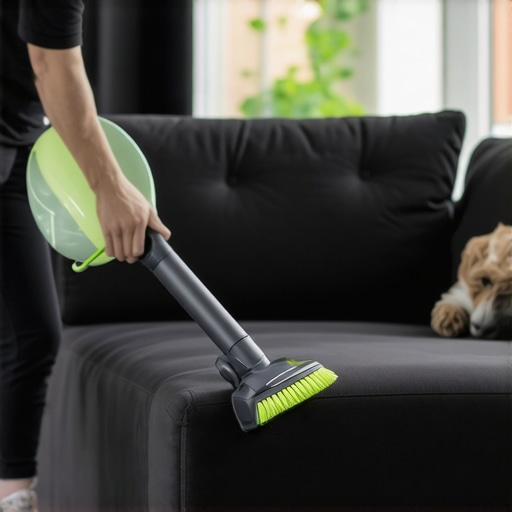
It was late at night, and I was curled up on my couch when I suddenly sneezed uncontrollably. I looked down and realized my beloved pet’s hair and dander had accumulated deep within those thick, plush cushions I thought I cleaned just last weekend. That lightbulb moment hit me hard: despite my efforts, those cushions harbored more dust and pet debris than I ever imagined. I knew I had to find a better way. Have you ever experienced a similar frustration—thinking your sofa is spotless until you realize pet allergens are still lurking deep inside? Today, I promise to share proven strategies that will finally lift those stubborn, deeply embedded pet dander, leaving your cushions truly fresh and allergen-free.
Why Deep Cleaning Couch Cushions Matters More Than You Think
Is it really worth the hype to get into those tiny crevices?
It might sound like overkill, but deep-cleaning your sofa isn’t just about aesthetics; it’s about health. Pet dander contains tiny particles that can aggravate allergies, asthma, and even cause persistent coughs. These allergens tend to settle deep into fabric fibers, especially in high-pile or textured cushions, making surface cleaning insufficient. Early on, I made the mistake of assuming a quick vacuum was enough. It wasn’t. The dander was still there, slowly building up and affecting my breathing. According to the Asthma and Allergy Foundation of America, regular deep cleaning of upholstery can significantly reduce allergen levels, improving indoor air quality. So, if you’re tired of sneezing at the slightest trigger, it’s time to dig deeper. Ready to learn how to truly free your cushions from pet-related grime? Let’s get into it.
Before diving into tactics, remember that patience and the right tools are key. And, if you’re curious about maintaining overall household cleanliness, check out our comprehensive [daily house cleaning routine](https://spotlesscarpetz.com/daily-house-cleaning-routine-to-maintain-perfection). Now, let’s explore why superficial cleaning just won’t cut it and how you can tackle those deep-seated pet dander pockets effectively.
Start with a Thorough Vacuuming
My first step was to grab a high-powered vacuum with an upholstery attachment; I ran it over every cushion, focusing on seams and crevices. This process removed surface pet hair and loosened superficial dander. I moved slowly, covering all sides, especially the hidden areas. It was messy—hair and dust flew everywhere—but the effort paid off. Remember, a vacuum alone isn’t enough, but it prepares your cushions for deeper cleaning.
Apply a Cleaning Solution Suited for Fabrics
Next, I prepared a mixture of gentle fabric cleaner and warm water. For textured or high-pile cushions, avoid harsh chemicals that can damage fibers. Using a spray bottle, I lightly misted the cushions — not soaking them — and then gently scrubbed with a soft-bristled brush. This loosened embedded dander and dirt. I also paid attention to the cushion covers, ensuring every fiber was treated. For delicate fabrics like velvet or silk, opt for specialized cleaners [here](https://spotlesscarpetz.com/ultimate-upholstery-care-guide-for-lasting-freshness).
Use Steam Cleaning for Deep Purity
Once the cushions were prepped, I switched to a steam cleaner, which penetrates fibers to eliminate allergens. I set the device to a low to medium heat, avoiding over-saturation. Holding the steam wand a few inches above the surface, I passed over each cushion carefully, focusing on seams and edges. The heat kills bacteria and neutralizes pet dander at a microscopic level. This step was particularly satisfying—it left the cushions smelling fresh and visibly cleaner. Be cautious with synthetic fabrics; consult [this](https://spotlesscarpetz.com/the-mistake-of-using-steam-on-certain-synthetic-fabrics) guide to prevent damage.
Allow for Adequate Drying
After steaming, I let the cushions air dry in a well-ventilated space. To speed up the process, I used fans and opened windows. This prevents mold growth and ensures all moisture evaporates. If you’re in a hurry, a hairdryer on a cool setting can help—just keep it moving to avoid overheating the fabric. Proper drying is vital; damp cushions can develop musty odors or mold, negating your efforts.
Optional: Encase and Prevent Future Dander Accumulation
Once dry, consider applying a fabric protector spray that repels pet hair and spills. Enclosing cushions in dust-proof covers can make future maintenance easier and reduce allergen buildup. Regular maintenance can be simplified by routine spot cleaning and vacuuming, as detailed in our [daily cleaning routine](https://spotlesscarpetz.com/daily-house-cleaning-routine-to-maintain-perfection). For ongoing pet-related challenges, explore [these tips](https://spotlesscarpetz.com/upholstery-cleaning-tips-for-a-fresh-home-revival) to keep your home allergen-free and comfortable.
Many believe that scrubbing surfaces vigorously with strong chemicals guarantees a germ-free home, but in reality, this approach often misses the mark. For example, relying solely on bleach or commercial disinfectants can create a false sense of security, while porous surfaces like upholstery or untreated grout may harbor bacteria and allergens beneath the surface. Advanced cleaning techniques, such as targeted sanitization with proper contact times, are essential for true disinfection, as highlighted in expert guidelines from [Effective Sanitizing Methods](https://spotlesscarpetz.com/effective-sanitizing-methods-for-a-germ-free-home). A common misconception is that cleaning with household items like vinegar or baking soda suffices, but without understanding their limitations—particularly on synthetic fabrics—these methods can be ineffective or even damaging. For instance, spraying alcohol directly on delicate upholstery can lead to discoloration or weakening of fibers, which is why consulting detailed care guides like [Upholstery Care](https://spotlesscarpetz.com/ultimate-upholstery-care-guide-for-lasting-freshness) is crucial. Another overlooked nuance is the importance of cleaning hidden or hard-to-reach areas; dust and microbes accumulate in places like behind appliances or under furniture, and neglecting these zones can compromise your home’s hygiene. As demonstrated in [Hidden Dust Traps](https://spotlesscarpetz.com/7-hidden-dust-traps-behind-your-bedroom-headboard), paying attention to these spots makes a significant difference. Curious about advanced cleaning mistakes that might be undermining your efforts? Here’s a critical insight: using high heat indiscriminately during sanitization can damage sensitive surfaces, and improper dwell times of disinfectants reduce their effectiveness. For example, a 2025 study emphasizes that disinfectants need adequate contact time to eliminate pathogens successfully—similarly to how proper dwell time enhances microbiological kill rates in clinical settings. Also, many assume that speed cleaning equates to cleanliness, but rushing through chores often leaves behind residual allergens and bacteria. This highlights the importance of thorough, methodical cleaning routines, as outlined in [Daily House Cleaning Routine](https://spotlesscarpetz.com/daily-house-cleaning-routine-to-maintain-perfection). To avoid common traps and elevate your cleaning game, investing in the right tools and understanding the microscopic world of germs can make all the difference. Have you ever fallen into this trap? Let me know in the comments.
Choosing the Right Equipment for Long-Term Results
Investing in high-quality tools transforms your cleaning routine from a chore into a manageable task with lasting effects. Personally, I swear by a professional-grade upholstery steamer like the Bissell SteamShot, which offers precise temperature control and powerful steam output. Unlike generic steamers, this device sterilizes fabrics deeply, killing allergens and bacteria without chemicals, making it safe for delicate upholstery. Regular use of such equipment ensures pet dander and dirt don’t establish footholds, simplifying future maintenance.
How do I maintain my cleaning arsenal over time?
Consistent upkeep of your tools is crucial for sustained efficacy. I schedule biannual deep cleanings of vacuum filters and replace worn brushes to keep dust particles from circulating back into the air. For appliances like steam cleaners, using distilled water prevents mineral buildup, which can clog nozzles and reduce steam output. Moreover, keeping attachments and storage cases organized minimizes repair costs and extends their lifespan. Remember, a well-maintained tool delivers optimal performance—saving you time and effort.
Software and Tech That Make Maintenance Easier
Integrating smart scheduling apps such as Todoist or Notion helps me plan regular cleaning sessions. These platforms send reminders about filter replacements, deep cleans, and even suggest seasonal maintenance like cleaning behind appliances or inspecting attic vents. Automation tools, like robotic vacuum cleaners such as iRobot Roomba s9+, can handle daily debris while you focus on more intensive tasks. The future points toward AI-powered devices that adapt to your home’s unique layout, optimizing cleaning routes and schedules for maximum efficiency.
Potential Trends and Future Predictions
As technology advances, expect to see more integrated home maintenance systems that monitor air quality, detect mold, or notify you when filters or fixtures need attention. IoT-connectivity will allow seamless data sharing between appliances and your smartphone, giving real-time insights into household cleanliness. Staying ahead means embracing these developments, ensuring your home remains healthy and inviting with minimal manual effort.
How do I maintain my cleaning tools over time?
Regular inspection and proper storage are vital. After each use, clean attachments with warm, soapy water to remove dust and residues. Store equipment in a dry, dust-free area—this prevents mold and corrosion. Replacing filters and brush rollers as per manufacturer recommendations ensures consistent suction and cleaning power. Also, keep a maintenance log; for example, I note when filters were last changed or when certain brushes require replacement. These small habits keep your equipment working effectively and extend its lifespan, making your cleaning routines more affordable and less frustrating.
If you want to elevate your move-out cleaning efforts, applying these advanced tools and maintenance tips can be game-changers. For comprehensive strategies, check out our move-out cleaning strategies. Ready to make your household maintenance seamless and effective? Try scheduling a quarterly deep inspection of your appliances and tools—your home will thank you for it!
What I Wish I Knew When Starting Out with Deep Cleanings
- Sometimes, the biggest breakthroughs come after countless failed attempts—learning that steam cleaning needs to be carefully calibrated to avoid fabric damage was a game-changer for me.
- Overlooking the importance of proper drying could undo hours of work—air-drying cushions thoroughly prevents mold and odor issues.
- Investing in high-quality tools, like a professional upholstery steamer, dramatically reduces allergen buildup and extends the lifespan of your furniture.
- Cleaning isn’t just about immediate results; regular maintenance keeps pet dander at bay and makes deep cleans less daunting each time.
- Understanding your fabric type and choosing tailored cleaning solutions prevents accidental damage and ensures longevity—always consult the manufacturer guidelines.
Where I Find Inspiration for Keeping My Home Pet-Allergen Free
- Ultimate Upholstery Care Guide — An essential resource for understanding fabric-specific cleaning techniques that actually work.
- Daily House Cleaning Routine — Helps me stay ahead of pet dander accumulation through manageable daily habits.
- Effective Sanitizing Methods — Offers proven strategies for reducing allergens, bacteria, and other household microbes effectively.
- Move-Out Cleaning Strategies — A comprehensive plan to ensure deep cleans meet inspection standards, especially when dealing with pet-related grime.
Empower Your Family to Maintain Freshness and Safety
Taking control of your upholstery cleanliness isn’t just about aesthetics—it’s a vital step toward creating a healthier indoor environment for your loved ones and furry friends. With the right tools, knowledge, and routines, you can keep pet dander and allergens at bay long-term. Remember, consistency is key; the small daily efforts compound into long-lasting results. So, why not start today? Your home—and everyone inside—deserves it.
What’s been your biggest challenge when deep-cleaning pet dander from your furniture? Share your story or ask a question below—I love helping fellow pet-parents create cleaner, healthier homes!