
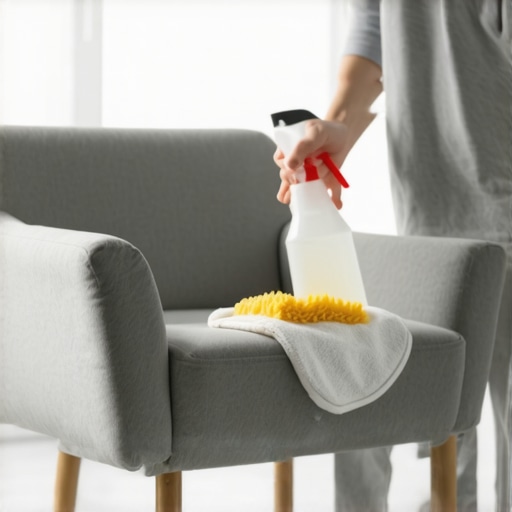
It happened one lazy Sunday afternoon. I sank into my beloved armchair, only to be greeted by an overwhelming doggy odor that seemed to cling to every fiber. My first instinct was to ignore it, hoping it would fade away, but the smell only worsened, transforming my cozy haven into a pet scent fortress. That light bulb moment made me realize: I needed a real solution, not just air fresheners or sprays that provide only temporary relief.
If you’ve ever found yourself in a similar situation—sitting in your favorite chair only to be hit by that unmistakable dog smell—you know how frustrating it can be. It sneaks in uninvited, lingers stubbornly, and ruins the comfort of your home. The good news? There’s a way to truly get rid of that odor once and for all.
Why Eliminating Pet Odors Should Be a Priority
Pet odors, especially dog smells, are more than just a nuisance—they can impact your home’s overall freshness and even your well-being. According to a study by the American Cleaning Institute, persistent pet odors can harbor allergens and bacteria, worsening indoor air quality and triggering allergy or asthma symptoms. That’s why tackling these smells isn’t just about smelling nice; it’s about creating a healthier living space.
One common mistake I made early on was relying solely on commercial air fresheners, thinking they would mask the odor. But masking odors doesn’t eliminate their source—you end up just hiding the smell temporarily. Instead, I learned that understanding the root causes and using targeted cleaning techniques makes all the difference. If you’re curious about maintaining a fresh home while dealing with pet odors and more, check out our comprehensive upholstery care guide.
Now, let’s dive into the practical steps to banish that dog smell from your cherished armchair, so you can reclaim your cozy corner without lingering pet scents ruins.
Start with Immediate Surface Cleaning
Pull out your vacuum cleaner and thoroughly remove loose pet hair and dirt from the armchair. Use the upholstery attachment to reach into crevices where odors tend to hide. I once spent a lazy Saturday doing this on my microfiber sofa, and the initial removal of hair made a surprising difference—instantly reducing the initial smell.
Apply a Targeted Odor Neutralizer
Next, lightly spray an enzymatic cleaner designed specifically for pet odors. These products break down the proteins causing the smell, unlike air fresheners that merely mask it. When I tackled my couch, I let the enzyme sit for 15 minutes, which allowed it to digest the odor-causing molecules deep within the fabric.
Deep-Clean Upholstery Fabric
Using a steam cleaner can seem tempting, but it’s not always suitable for delicate fabrics and can push odors deeper. Instead, opt for a professional-grade upholstery cleaning solution or a mixture of mild soap and water. For my leather armchair, I used a gentle cleaning solution, and afterward, the smell was significantly diminished. For additional guidance, review upholstery cleaning tips.
Absorbing Persistent Odors
After cleaning, sprinkle baking soda liberally over the upholstery. Let it sit overnight to absorb remaining smells. Vacuum it off thoroughly in the morning. I remember doing this on a Saturday night, and waking up to a noticeably fresher seat. Baking soda works as a natural deodorizer—an old trick I swear by.
Freshen and Protect with Fabric Spray
Finally, lightly mist fabric enhancer that contains natural essential oils or odor-locking agents. This adds a fresh scent while sealing in the cleansing efforts. Be careful not to saturate the fabric; a light mist is enough. When I sealed the process, I found it kept odors at bay longer and maintained a pleasant aroma, making my space inviting again.
Maintain Regular Upkeep
Consistent cleaning prevents pet odors from building up again. Vacuum weekly, spot-clean spills immediately, and consider using protective covers on furniture. When I adopted my dog, I started a weekly routine, which made the ongoing maintenance manageable and effective, keeping odors at bay effortlessly.
Additional Sanitation Secrets
For a full sanitation boost, consider disinfecting high-touch areas and using a sanitizing fogger periodically. This comprehensive approach ensures bacteria aren’t lurking along with odors, creating a healthier environment. Discover more sanitizing secrets at our detailed guide.
Many homeowners believe that regular dusting and occasional vacuuming are enough to keep upholstery and living spaces pristine. However, this oversimplification masks some nuanced pitfalls that even seasoned cleaners often overlook. One prevalent myth is that all cleaning products are equally effective across different fabrics and surfaces. In reality, using the wrong cleaner can deteriorate delicate materials, leading to costly repairs. For instance, harsh chemicals might strip the finish from leather furniture or cause discoloration in wool carpets, which is why understanding fabric-specific cleaning techniques is essential. Expert guides like our upholstery care guide delve into these details, helping you avoid damaging your investments.
Another misconception is that sanitizing alone is sufficient for comprehensive cleanliness. Many skip the importance of thorough deep cleaning, which removes embedded dirt, allergens, and bacteria that regular surface cleaning can’t reach. Overlooking deep-cleaning steps can lead to persistent odors and health issues, especially in homes with pets and children. Furthermore, a common mistake is neglecting move-out cleaning nuances. Homeowners often think that a quick wipe-down suffices, yet landlords and property managers examine every detail—a missed spot can jeopardize your deposit. For detailed strategies, see our move-out cleaning hacks.
Advanced cleaning enthusiasts should question the common reliance on traditional disinfectants, which may not be as effective as presumed. For instance, some disinfectants fail to kill all pathogens if not applied correctly or if the contact time is insufficient. Additionally, many products don’t reach into the depths of fabric fibers, meaning bacteria can survive even after cleaning. Recognizing these subtleties can significantly boost your sanitation results. According to a study by the CDC, proper disinfectant application—such as ensuring adequate contact time and surface coverage—is crucial for effective pathogen elimination. To refine your sanitizing approach, consult our sanitizing methods.
Have you ever fallen into this trap? Let me know in the comments. Mastering these nuances ensures your cleaning routines aren’t just superficial but truly effective, saving you money and safeguarding your home’s health.
Invest in Reliable Equipment for Consistent Results
Owning the right tools is essential for maintaining pristine upholstery and a spotless home. I personally swear by my commercial-grade upholstery extractor, which uses hot water extraction to deeply clean fabrics, removing embedded dirt and odors that surface cleaners can’t reach. For long-term upkeep, using a powerful vacuum with HEPA filters ensures allergens and pet hair are effectively removed, preventing buildup that contributes to odors and stains.
Why a Quality Upholstery Cleaner Matters
While many opt for budget options, investing in a professional-grade machine pays off by delivering deeper cleans and extending the life of your furniture. I recommend models with adjustable suction and multiple attachments, which facilitate cleaning in tight corners and delicate fabrics. This approach not only improves hygiene but also preserves fabric integrity, making your furniture look newer longer. Always follow manufacturer instructions and test on hidden areas before full application.
Handy Tools for House Maintenance and Sanitizing
Beyond large equipment, small but effective tools can streamline your routine. An ultrasonic sanitizer, for example, is excellent for disinfecting small items like remotes and light switches without damaging electronics. My personal favorite is a microfiber cleaning cloth paired with natural disinfectants—they trap dust and bacteria effectively without harsh chemicals. Regularly replacing scrub brushes and mop pads prevents dirt transfer and maintains optimal cleaning efficiency.
How do I maintain cleaning tools over time?
Proper maintenance starts with cleaning your tools after each use. Wash microfiber cloths in hot water and allow them to air dry to prevent bacterial growth. For brushes and scrubbers, rinse thoroughly and occasionally soak in disinfectant solutions. Storing tools in a dry, organized space prolongs their lifespan and ensures peak performance when you need them. Keep an eye out for wear and tear—replacing worn-out equipment prevents ineffective cleaning and potential fabric damage.
Future Trends in Cleaning Equipment and Software
Advancements in smart cleaning technology are on the horizon. IoT-enabled vacuum cleaners and robotic mops now offer scheduling and monitoring via smartphone apps, enabling effortless maintenance. Chemical-free cleaning methods utilizing steam and UV sterilization are gaining popularity for eco-friendly households. As these technologies become more accessible, integrating intelligent tools into your routine can save time and improve results dramatically.
Make Your Cleaning Routine Smarter Now
Try adopting a high-quality microfiber cloth with natural disinfectants for daily touch-ups—it’s an easy upgrade that makes a noticeable difference. For comprehensive deep cleans, consider investing in a professional upholstery extractor or exploring smart cleaning gadgets. Consistent maintenance with the right tools guarantees that your upholstery remains fresh and your house stays sanitized, making your home a healthier sanctuary. When in doubt about selecting tools tailored to your home, don’t hesitate to reach out for expert advice.
Lessons That Changed My Approach to Upholstery and Cleaning
One of the biggest surprises I encountered was realizing that not all odor neutralizers are equal—some only mask smells temporarily while others dig deep to eliminate them permanently. I learned that patience is key; rushing through surface cleaning without addressing embedded dirt and bacteria often leads to recurring odors. Additionally, I discovered that understanding fabric-specific cleaning methods can prevent costly damage and extend the life of your furniture. Finally, I wish I had appreciated the power of consistent maintenance—small, regular efforts far outperform sporadic deep cleans in keeping upholstery fresh and odors at bay.
My Go-To Tools and Resources for a Fresher Home
For truly effective cleaning, I rely on a professional-grade upholstery extractor, which uses hot water extraction to break down years of embedded dirt and pet odors. My microfiber cleaning cloths are invaluable—they trap dust and bacteria without scratching delicate fabrics. When it comes to understanding the nuances of upholstery care, the upholstery care guide offers insights I trust, helping me avoid common mistakes. For enhancing sanitation routines, I turn to our sanitizing secrets, which incorporate the latest in safe, effective techniques. These resources have transformed my cleaning habits, making my home healthier and more inviting.
Your Next Step Towards a Fresh, Odor-Free Space
Remember, mastering upholstery cleaning isn’t just about aesthetic appeal—it’s about creating a healthier environment for you and your loved ones. With the right tools, knowledge, and routine, you can banish stubborn dog smells and maintain a consistently clean home. Don’t wait for odors to take hold—start implementing these strategies today and see the difference they make. If you ever feel overwhelmed, reach out for expert advice and turn your cleaning challenges into a satisfying routine. What’s the biggest cleaning lesson you’ve learned that made a real difference? Share your experience below!
,