
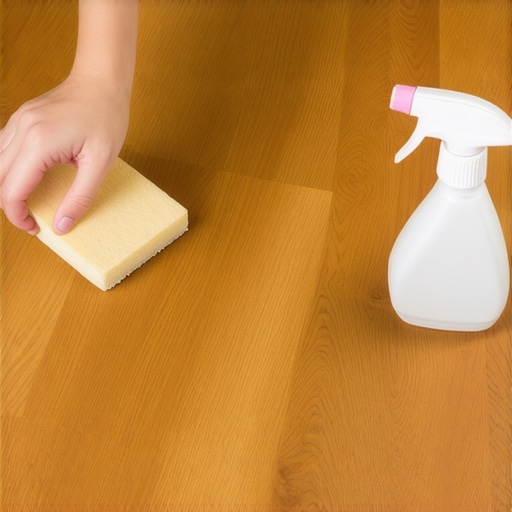
It was a typical Saturday morning when I noticed it—the dreaded scuff mark right across my favorite hardwood floor. At first, I thought it was just a smudge, but as I bent down, I realized it was deeper, a stubborn scratch that refused to vanish despite my frantic scrubbing. That moment of frustration? It’s more common than you might think. I’ve been there, staring at a seemingly unsolvable mess, wondering if I needed to rip out the entire section or settle for a life of constantly hiding those unsightly marks.
Why Those Scuffs Can Ruin the Look of Your Hardwood Floors—and Your Peace of Mind
Hardwood floors are the crown jewel of many homes, offering warmth and style that tile or carpet often can’t match. But their beauty hinges on keeping them pristine. Scuff marks, whether caused by moving furniture, shoes, or that one adventurous pet, threaten to tarnish this elegance. Left untreated, they can lead to dull patches and even minor damage that deteriorates the floor’s finish over time.
What’s worse? It’s incredibly tempting to ignore minor scuffs or attempt quick fixes that might do more harm than good. I made an early mistake by trying abrasive cleaners, which only scratched the surface further. But after a bit of trial and error (and quite a few YouTube tutorials), I found effective, safe methods that I’m eager to share. If you’re tired of those unsightly marks spoiling your home’s vibe, stick around. I promise, these solutions are straightforward, budget-friendly, and can be executed with items you already have at home.
Are You Just Wasting Time with Old Cleaning Tricks?
One of my biggest blunders was using harsh chemicals early on, convinced they’d be the quick fix. In reality, they often made things worse, striping the finish and making the spot look even more obvious. Avoiding such mistakes is crucial—trust me, I’ve learned from experience. For comprehensive tips on maintaining your floors and avoiding common pitfalls, check out expert-approved cleaning secrets.
Now that I’ve set the stage, let’s dive into the proven strategies that will help you restore your hardwood floors fast. Say goodbye to those stubborn scuff marks—because your beautiful floors deserve to shine, unhindered by petty scratches.
,
Start with Basic Cleaning to Prepare the Surface
I vividly recall the day I tackled a stubborn scuff on my hardwood floor after a messy furniture rearrangement. I first swept the area thoroughly to remove loose dirt, then wiped it down with a damp microfiber cloth to eliminate surface debris. This step is crucial because dirt or dust can scratch the floor further when you attempt removal. Use a gentle cleaner specifically designed for hardwood floors; avoid harsh chemicals that could damage the finish. For more detailed cleaning tips, see professional house cleaning secrets.
Identify the Cause and Choose the Appropriate Tool
After cleaning, examine the scuff to determine its depth and cause. Light surface marks often respond well to household items. During my own experience, I used a magic eraser—a gentle abrasive sponge—that lifted the blemish without affecting the finish. For deeper scratches, consider using a matching hardwood touch-up marker or a little furniture polish. Remember, using abrasive tools like steel wool can cause more harm than good; opt for soft, non-abrasive options. Think of this process as choosing the right instrument for a delicate surgery—you want precision and care.
Applying Gentle Removal Techniques
Use a Baking Soda Paste
One technique I tried involved mixing baking soda with a small amount of water to form a paste. Applying it gently with a soft cloth and rubbing in circular motions helped lift light scuffs. Rinse the area with a damp cloth afterward to remove residue. Baking soda acts as a mild abrasive that can break down the scuff’s surface without harming the finish. This step is like buffing a car to restore gloss—light and controlled movements matter.
Employ Vinegar for Tougher Marks
For stubborn scuffs, I dampened a cloth with a mixture of equal parts white vinegar and water. Gently wiping the area often loosened the mark. Be cautious—too much vinegar can dull the finish over time. Always test a small, hidden corner first. Think of vinegar as a natural solvent that softens the grime, making it easier to wipe away.
Protect and Restore the Floor’s Finish
Once the scuff is gone, apply a light coat of acceptable hardwood floor polish or a protective wax to restore shine and shield against future marks. During my project, this final step made the floor look as good as new, hiding minor imperfections and giving a uniform sheen. Regular maintenance and prompt attention keep your floors looking pristine longer. If you’re dealing with multiple issues beyond scrapes, explore move-out cleaning strategies to ensure every surface is spotless.
Why Most People Misunderstand Upholstery Care
Contrary to popular belief, deep-cleaning your upholstery isn’t just about using the harshest chemicals or the strongest scrubbing tools. In fact, many homeowners fall into the trap of believing that more aggressive tactics lead to better results, but this can cause irreversible damage. For instance, aggressive scrubbing with steel wool on delicate fabrics can tear fibers and accelerate wear. Instead, gentle methods like using a microfiber cloth or specialized upholstery brushes preserve the fabric’s integrity while effectively removing dirt. For advanced tips on maintaining your fabrics, explore upholstery cleaning strategies.
Moving Out Cleanings Often Come With Hidden Traps
Many assume that move-out cleaning is simply about surface tidying, but neglecting hidden grime traps can jeopardize your deposit refund. A common misconception is that a quick vacuum and mop suffice; however, issues like mold behind appliances or grime in seldom-cleaned corners often go unnoticed. Moreover, neglecting to sanitize high-touch areas can lead to tenant disputes or deductions. For example, a neglected bathroom vent or uncleaned baseboards can become red flags. To ensure you cover all bases and pass inspections, review move-out cleaning checklists. Remember, meticulous attention to hidden spots often makes the difference.
Cleaning and Sanitizing: Are You Doing Enough?
Everyone agrees that disinfecting is crucial, but the nuance lies in understanding what methods truly eliminate germs. Many rely solely on sprays or wipes, assuming that they are sufficient. However, studies show that certain disinfectants are ineffective on porous surfaces or without proper contact time. For instance, spraying alcohol-based solutions on fabrics may seem effective but can damage fibers or leave residues that trap dirt. An advanced approach involves using micro-steam cleaning, which can penetrate deep into fibers without chemicals, effectively killing bacteria and removing allergens. To make informed choices, check out sanitizing techniques. Remember, understanding the science behind sanitization helps you avoid common pitfalls and ensures your home is genuinely safe.
What’s the Impact of Chemical Interactions During Deep Cleaning?
Surprisingly, mixing certain cleaning agents can lead to adverse reactions that release toxic fumes or neutralize each other’s effectiveness. For example, combining bleach with vinegar produces chlorine gas, which is extremely hazardous. Similarly, combining ammonia with bleach creates chloramine vapors, leading to respiratory issues. Many homeowners overlook this risk, often mixing products in haste during a deep clean. To prevent this, always follow manufacturer instructions and consult trusted sources like expert advice on chemical safety. Prioritizing safety over convenience can avoid serious health hazards and protect your loved ones.
Have you ever fallen into this trap? Let me know in the comments.
How do I maintain my cleaning tools and methods over time?
Keeping your cleaning arsenal effective requires more than just buying the latest gadgets. I personally swear by high-quality, durable equipment like the Dyson V11 Torque Drive cordless vacuum, which offers exceptional suction and battery life, making daily maintenance a breeze. Its advanced filtration system not only captures fine dust but also prevents the recirculation of allergens, which is vital for allergy sufferers. Additionally, investing in a good microfiber mop, such as the Microfiber Madness Clean Laminate Mop, ensures consistent results without damaging floors over time. Regularly replacing or cleaning filters and brushes keeps these tools performing at peak efficiency, extending their lifespan and maintaining cleaning quality.
Beyond hardware, software tools can streamline your cleaning schedule and track maintenance needs. Apps like effective house cleaning secrets help schedule deep cleanings, reminders for filter replacements, and troubleshooting tips for your gear. As technology evolves, integrating smart devices like the iHome Microban-enabled air purifiers or the Stadler Form Maxstand humidifier can improve indoor air quality passively, ensuring healthier living environments without extra effort.
What future trends will shape upholstery and floor care?
Looking ahead, I predict an increased reliance on AI-powered cleaning robots capable of navigating complex furniture layouts while identifying high-traffic or neglected spots. Features like real-time diagnostics, predictive maintenance, and autonomous scheduling are already on the horizon. This means homeowners can maintain pristine environments with minimal manual intervention, freeing time for other priorities. Additionally, innovations in eco-friendly, biodegradable cleaning supplies will continue to rise, aligning with global sustainability goals.
Incorporating tools effectively to maximize results
To keep your upholstery and floors looking their best long-term, consistent maintenance and proper technique are essential. For instance, I recommend periodically using a micro-steam cleaner on delicate fabrics, as described in micro-steam upholstery tips. This device penetrates deep into fibers, killing bacteria without chemical residues. Combining tools like this with regular ventilation and prompt stain treatment can dramatically prolong the lifespan of your furnishings and flooring. Don’t underestimate the power of a well-maintained toolkit; it’s the backbone of a clean, healthy home.
How can I prolong the effectiveness of my cleaning tools and routines?
Consistent care extends beyond just using the right tools. Regularly inspecting and maintaining your equipment ensures it continues to perform optimally. For example, wash microfiber cloths in hot water and avoid fabric softeners—they can reduce their sticky charge, diminishing cleaning power. Similarly, vacuum filters should be cleaned or replaced every three to six months, as explained in vacuum filter maintenance. Developing a routine check-up schedule is simple but effective, preventing minor issues from turning into costly repairs.
To give your home the long-term care it deserves, I encourage you to implement a combination of durable tools, recommended cleaning techniques, and scheduled maintenance. Try integrating a micro-steam cleaner into your regular routine and note how it elevates your upholstery care especially. Being proactive today ensures your floors and furniture continue to look great for years to come.
After countless cleaning sessions and a few unexpected mishaps, I realized that maintaining beautiful hardwood floors is less about quick fixes and more about understanding their true needs. The most valuable lesson I learned? Consistency and right techniques trump temporary solutions every time. Investing time in gentle, right-effective methods prevents future headaches and costly repairs, saving your peace of mind and your budget. It’s these small, thoughtful steps—like choosing the right cleaning tools or knowing when to call in professionals—that make the real difference in preserving your floors’ natural charm and durability.
What Hidden Lessons I Discovered About Floor Care and DIY Fixes
- Overusing harsh chemicals can do more harm than good. I once thought stronger was better, but I learned that gentle, specialized cleaners—such as those recommended at expert-approved cleaning secrets—are safer and more effective in the long run.
- Tools matter more than brute force. Using soft cloths, microfiber mops, and appropriate polishing products prevents scratches and enhances shine. Remember, a good tool is an investment in your home’s future.
- Regular maintenance creates a resilient shield. Scheduling periodic deep cleans with proper techniques ensures your floors resist wear and tear better, avoiding the need for costly refinishing.
- Recognizing early signs of damage saves the day. Small scratches or dull spots are easier to treat when caught early, like using a matching touch-up marker or a quick buffing session, rather than waiting until significant damage occurs.
- Patience and care outperform quick fixes every time. Rushing or assuming cutting corners will lead to regrets. Gentle, consistent action preserves the natural beauty of your hardwood floors.
Tools and Resources That Changed My Approach to Home Care
- Dyson V11 Torque Drive: Its powerful suction and advanced filtration make daily vacuuming effortless and thorough.
- Microfiber Madness Clean Laminate Mop: A durable, gentle way to keep floors spotless without scratches.
- Micro-steam cleaning devices: Perfect for delicate fabrics and stubborn spots—see my favorite micro-steam fixes.
- Online tutorials and expert blogs: Regularly updating my knowledge through trusted sources has prevented me from common pitfalls.
- Professional services when needed: Knowing when to call in the pros, especially for deep refinishing or stubborn damage, helps preserve your investment.
Building Confidence for Long-Term Floor Perfection
Your hardwood floors are more than just a surface—they’re a reflection of your care and attention. The journey to pristine floors is ongoing and evolving, but with the right mindset and tools, it becomes a rewarding experience. By applying what you’ve learned, staying vigilant, and embracing new methods, you’ll enjoy stunning floors that truly enhance your home’s warmth and elegance for years to come. Don’t let minor scratches or dullness dictate your home’s vibe—take charge today, and your floors will thank you.