
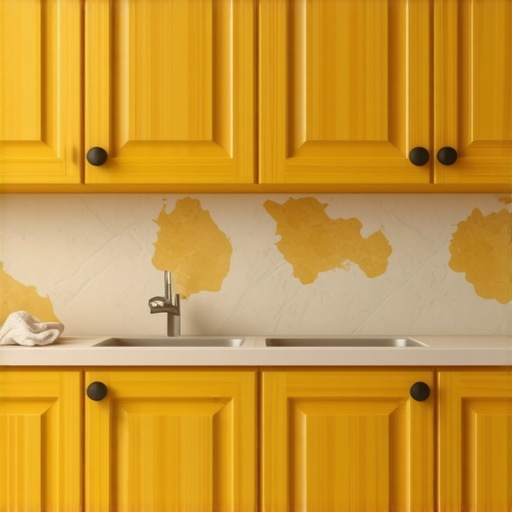
I remember the frustrating moment when I opened my kitchen cabinet and was greeted by a streak of greasy fingerprints and stubborn stains. It hit me then—trying to clean these spots without stripping the paint seemed like an impossible mission. Over the years, I tried countless methods, only to end up with smudges that looked worse or, worse yet, paint peeling off. That lightbulb moment made me realize there had to be a better way, and I was determined to find it.
Why Grease and Kitchen Cabinets Are BFFs (Unfortunately)
Many of us overlook this common kitchen dilemma until it’s glaringly obvious. Grease from cooking, oily fingerprints, and splatters tend to cling stubbornly to cabinet surfaces, especially in busy or older kitchens. Left unchecked, these residues don’t just look unsightly—they can also become a breeding ground for bacteria.
Here’s the thing: most conventional cleaners are either too harsh, risking paint damage, or too weak, leaving greasy residues behind. Early in my cleaning adventures, I made the mistake of grabbing abrasive scrubbers, which quickly dulled the paint finish. Did you know that employing the wrong cleaning agents can damage your cabinetry permanently? According to the American Cleaning Institute, using abrasive cleaners on painted surfaces can cause scratches and peeling, making your cabinets look worse than before.
So, what’s the secret? How can you lovingly remove greasy stains without turning your beautiful cabinets into a scraped-up mess? That’s exactly what I want to share today. Stay tuned—because I’m about to reveal the gentle approach that’s worked wonders in my home and countless others.
But before we get into the step-by-step process, let’s address a common doubt. Some might ask, “Is it really possible to clean grease without stripping the paint?” Believe me, I’ve been there, and I’ve learned that with the right techniques, it absolutely is. This isn’t about magic; it’s about using smarter, safer cleaning methods that protect your investment.
Now, if your kitchen cabinets are starting to show their age with greasy spots, don’t worry. There’s hope—without all the damage and hassle. Ready to restore that fresh, clean look? Let’s dive into the practical steps that will make your cabinets gleam like new, all while preserving their paint finish.
Choose the Right Cleaning Solutions
My first real success came when I combined mild dish soap with warm water. I soaked a soft microfiber cloth in this solution, wrung it out thoroughly, and gently wiped the greasy areas. This method is like giving your cabinets a gentle pat rather than a harsh scrub. Using gentle cleaning solutions prevents stripping the paint and keeps your cabinets looking fresh.
Tackle Stubborn Grease with Baking Soda
One afternoon, I encountered stubborn grease buildup near the stove. I sprinkled baking soda onto a damp sponge and gently scrubbed the affected areas. Baking soda acts like a mild abrasive, much like fine sandpaper, but much gentler on painted surfaces. It neutralizes grease without scratching or peeling the paint. Remember, always use a soft sponge or cloth—abrasive pads are a surefire way to damage your cabinetry.
Use a Microfiber Cloth for Gentle Wiping
During my experimentations, I discovered that microfiber cloths are excellent for picking up grease and fingerprints without scratching the paint. They’re soft and non-abrasive, making them perfect for delicate surfaces. I recommend dampening the cloth slightly—never soaking it—to avoid excess moisture that could seep into seams or edges. A quick, circular motion is enough to lift residues and restore shine.
Incorporate White Vinegar for Disinfecting
Once the grease was removed, I wanted to ensure the cabinets were sanitized. I mixed equal parts white vinegar and water in a spray bottle. Spraying this solution lightly onto the surface and wiping with a microfiber cloth instantly disinfected and deodorized the area. Vinegar is a natural disinfectant and helps remove any lingering odors from your kitchens. Just avoid using vinegar on natural stone surfaces like granite, where acidity can cause damage.
Pay Attention to Detail
When you reach edges, corners, and moldings, go slow. I once missed a small corner behind a cabinet handle, which resulted in an unsightly grease buildup over time. Using a soft toothbrush dipped in your cleaning solution can help reach those tight spots without risking paint peeling. Precision ensures every part of your cabinets gets the clean it needs.
Side Note for Avoiding Damage
I learned quickly that harsh chemical cleaners or steel wool are bad news—they scratch the surface and cause paint to peel. Think of it like sanding a delicate piece of furniture; you want gentle tools and solutions. Regular maintenance with these simple techniques will keep your cabinets looking their best without the risk of damage.
Many homeowners believe they know everything about effective cleaning, but a closer look reveals several misconceptions that can sabotage your efforts. For instance, the widespread myth that bleach is the ultimate disinfectant for upholstery is simply not accurate. While bleach can kill germs on hard surfaces, it often damages delicate fabrics and can cause discoloration, especially in colored or natural fibers. Experts from the CDC emphasize using appropriate disinfectants tailored for fabrics, like enzyme-based cleaners or steam cleaning methods, which are both safer and more effective.
Is Hot Water Always Better for Sanitizing?
Contrary to popular belief, extremely hot water isn’t always the best choice for sanitizing upholstery or surfaces. Very high temperatures can weaken fabric fibers and cause shrinkage or warping. For example, overusing hot water on microfiber sofas can deteriorate the fabric’s coating, leading to premature wear. A study published in the Journal of Applied Microbiology highlights that water temperature needs to be carefully regulated to balance microbial kill rates with fabric preservation. Sometimes, a gentle steam treatment combined with eco-friendly disinfectants provides superior results without risking damage, reinforcing the importance of understanding the nuances of sanitizing.
One common mistake in move-out cleaning is underestimating hidden dirt in seldom-cleaned spots, like HVAC vents or under appliances. These areas accumulate grime that standard vacuuming or surface wiping misses. Failing to address these can jeopardize getting your full deposit back or passing inspection. To avoid this trap, consult comprehensive checklists or professional cleaning guides, which detail the often overlooked spots. For example, cleaning experts suggest focusing on areas such as behind baseboards and inside air vents, as these contribute significantly to overall cleanliness.
In house cleaning, many assume that generic store-bought cleaners are sufficient for all tasks. However, these products can contain harsh chemicals that strip protective layers or damage surfaces over time. Instead, customizing your cleaning approach—using natural solutions like vinegar and baking soda for everyday grime—can extend the life of your furnishings. Consider exploring [effective house cleaning secrets from cleaning experts](https://spotlesscarpetz.com/effective-house-cleaning-secrets-from-cleaning-experts), which delve into tailored cleaning strategies.
Paying attention to detail is crucial but often overlooked. Small areas, such as the edges of upholstery or beneath furniture, harbor hidden dirt and germs. Regular inspection and targeted cleaning with tools like soft brushes or microfiber cloths can make a significant difference. Neglecting these details may result in persistent odors or microbial growth, undermining the sanitation efforts.
Keep in mind, integrating safe and efficient cleaning methods not only preserves your home’s surfaces but also ensures thorough sanitation. For specialized tips on upholstery, visit [upholstery cleaning tips for a fresh home revival](https://spotlesscarpetz.com/upholstery-cleaning-tips-for-a-fresh-home-revival). Have you ever fallen into this trap? Let me know in the comments.Maintaining a clean and sanitized home or upholstery over time requires the right tools and a strategic approach. My personal toolbox includes a high-quality cordless steam cleaner, which I swear by for its versatility and ability to deep-clean fabrics and surfaces without harsh chemicals. The **Bissell SteamShot**, for example, offers precise, handheld steam at the push of a button, making it perfect for tackling stubborn stains on upholstery or grout lines in bathrooms. I prefer a model with a long, flexible hose and multiple attachments because it allows me to reach tight corners and delicate fabrics with ease.
For delicate upholstery, I always rely on a **microfiber steam mop**, which combines the cleaning power of steam with the gentle touch necessary to preserve fabric fibers, as recommended by experts in [upholstery cleaning tips for a fresh home revival](https://spotlesscarpetz.com/upholstery-cleaning-tips-for-a-fresh-home-revival). Using a microfiber pad ensures that I avoid any scratching or damage, unlike abrasive scrubbers or harsh chemical sprays.
A crucial addition to my cleaning arsenal is a **professional-grade HEPA vacuum** like the **Dyson V11 Torque Drive**. This vacuum excels at removing allergens, pet hair, and fine dust from carpets and upholstery before I initiate steam cleaning. Regular vacuuming with a HEPA filter traps the microscopic particles that can otherwise settle into fabrics and encourage mold or odor formation, especially in long-term maintenance.
Another tool I find indispensable is a **digital hygrometer**. By monitoring humidity levels, I can prevent mold growth and ensure my dehumidifiers or air purifiers are working optimally. Keeping humidity below 50% is critical for long-term maintenance of both house interiors and upholstery, as underlined in [effective house cleaning secrets from cleaning experts](https://spotlesscarpetz.com/effective-house-cleaning-secrets-from-cleaning-experts).
Predicting future trends, I believe that automation and smart appliance integration will become standard for home maintenance. Early adoption of smart cleaning devices can simplify ongoing upkeep, save time, and prevent buildup of grime or allergens.
How do I keep my upholstery and surfaces in top shape over time? Regularly using my steam cleaner for deep-cleaning sessions every few months, combined with routine vacuuming and humidity control, forms a comprehensive maintenance strategy. This not only preserves the fabric and paint finish but also extends the lifespan of furniture and fixtures.
Especially when dealing with sensitive fibers or high-traffic areas, I recommend trying a **micro-steam method**—a technique that effectively neutralizes bacteria and lifts dirt without damaging the material. It’s a game-changer for those looking to maintain their home’s cleanliness effortlessly. For more advanced tips and techniques, visit [3 micro-steam fixes for 2026 organic cotton upholstery](https://spotlesscarpetz.com/3-micro-steam-fixes-for-2026-organic-cotton-upholstery-2) to elevate your cleaning routine.
The Hardest Lesson I Learned About Upholstery and Cleaning
One key realization was that patience and a gentle touch outperform brute force every time. Rushing through cleaning often led to scratches or peeling paint, especially with delicate fabrics or painted surfaces. Slow, deliberate motions with the right tools preserve your furniture’s lifespan and appearance.
3 Myths About Upholstery and House Cleaning That Held Me Back
I used to believe that harsh chemicals and abrasive scrubbing were necessary for a deep clean. However, these often caused more harm than good. Learning that natural solutions like vinegar and baking soda could effectively tackle grime transformed my cleaning routine and protected my investments.
What Experts Won’t Tell You About Sanitizing and Maintaining Your Home
Many professionals emphasize the importance of routine maintenance over occasional heavy-duty cleaning. Regularly vacuuming with a HEPA filter, monitoring humidity levels, and using micro-steam methods can significantly extend the life of your upholstery and cabinetry, saving you time and money in the long run.
My Essential Toolkit for Upholstery and Kitchen Cabinet Care
My arsenal includes a cordless steam cleaner like the Bissell SteamShot for deep cleaning delicate fabrics and surfaces, microfiber cloths for gentle wiping, a HEPA vacuum for initial dirt removal, and a digital hygrometer to keep humidity in check. These tools have been game-changers in maintaining a fresh and hygienic home environment while preserving paint and fabric integrity.
Your Next Move Towards a Cleaner, Safer Home
Embrace these personalized tips and tools to transform your upholstery and kitchen cabinets into spaces that reflect care and precision. With patience and the right approach, maintaining a beautiful, healthy home becomes an achievable reality. Remember, small consistent steps often lead to the most lasting results. What’s the first area you’re planning to refresh? Share your plans below and let’s get started together!