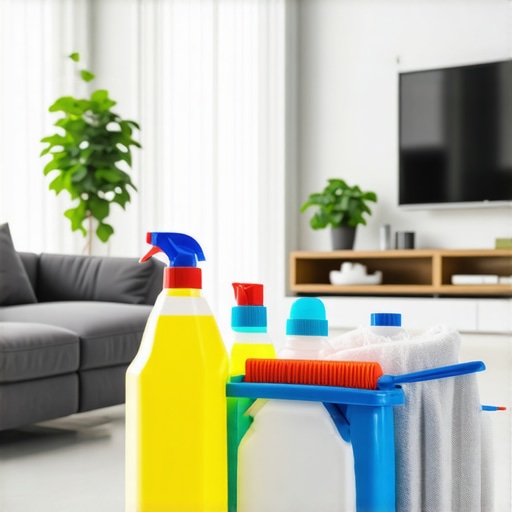
Imagine walking into your home after a long day, only to be greeted by a lingering musty smell and visible dust bunnies in every corner. I’ve been there—frustrated, overwhelmed, and questioning if I’d ever get my house truly clean and sanitized. That lightbulb moment hit when I realized that the way I was cleaning was not only ineffective but potentially unsafe for my family. Since then, I’ve committed to mastering house cleaning & sanitizing strategies that truly work in today’s modern homes.
Why House Cleaning & Sanitizing Matter More Than Ever in 2025
In our fast-paced world, a clean home isn’t just about aesthetics; it’s about health and wellness. With the rise of new allergens, airborne viruses, and indoor pollutants, keeping our homes sanitized has become a top priority. According to the Environmental Protection Agency, indoor air can be 2-5 times more polluted than outdoor air, making effective cleaning essential for a healthy living environment. Plus, with busy schedules, we need smart, efficient cleaning routines that deliver trustworthy results without wasting time.
Have you ever felt that no matter how much you clean, your home still feels dirty or unhealthy?
Trust me, I’ve made my fair share of mistakes early on—like using harsh chemicals that left residues or neglecting high-touch surfaces. These missteps taught me that effective cleaning isn’t just about scrubbing; it’s about understanding the right techniques and products that ensure safety and cleanliness. That’s exactly what I want to share with you today: proven strategies to transform your cleaning routine into a reliable, health-boosting process.
Start with a Clear Cleaning Plan
Before diving into cleaning, create a targeted plan that covers all high-touch areas—door handles, light switches, remote controls—and neglected spots like behind appliances. I once spent hours cleaning the living room, only to realize I skipped the thermostat and fridge handles, which are hotspots for germs. Incorporate a checklist to stay organized and ensure nothing is missed.
Use the Right Tools and Products
Invest in microfiber cloths, which trap dust and microbes without spreading them around. For disinfecting, opt for EPA-registered solutions that are effective against viruses and bacteria but safe for your home environment. I learned the hard way that bleach isn’t always suitable for all surfaces; instead, I now use diluted hydrogen peroxide for electronics and upholstery, ensuring safety and cleanliness.
Choose Your Cleaning Solutions Wisely
Mixing your own cleaning solutions can be cost-effective and eco-friendly, but always follow safety guidelines. For example, vinegar combined with baking soda works well for kitchen drains but isn’t suitable for all surfaces. When I cleaned my bathroom tiles with a vinegar solution, I noticed immediate freshness without harsh chemical fumes.
Implement Efficient Cleaning Techniques
Adopt a top-to-bottom, left-to-right approach to avoid re-cleaning. Use a damp microfiber cloth for dusting surfaces—think of it as sweeping dust into a magnet—then follow with disinfectants on high-touch surfaces. I once started cleaning from the floor up, only to stain freshly wiped counters; now I clean from top to bottom for efficiency.
Deep Clean Periodically
Schedule monthly deep cleans to sanitize areas prone to buildup, like HVAC vents or behind appliances. During my last deep clean, I used a steam cleaner on my bathroom tiles, which eliminated mold and left surfaces spotless without chemical residues. This method is excellent for modern homes prioritizing chemical-free sanitization.
Focus on Air Quality & Ventilation
Open windows regularly to circulate fresh air and reduce indoor pollutants. Use HEPA filters in your vacuum cleaner and air purifiers to trap airborne allergens. I noticed a significant improvement in my home’s air quality after upgrading to a HEPA-filter vacuum, especially during allergy season.
Maintain Consistency & Training
Set a weekly schedule for routine cleaning and train everyone in your household on proper hygiene practices. Consistency prevents buildup and keeps your home safe. I introduced a cleaning rotation with my family, which made the process quicker and more thorough, ensuring everyone’s health is prioritized.
Let’s dig deeper into the nuances of house cleaning and sanitizing, because many homeowners fall into traps of misconceptions that undermine their efforts. One prevalent myth is that using harsher chemicals automatically results in a cleaner, more sanitized home. In reality, overusing potent chemicals like bleach can leave residues that are harmful over time and may damage certain surfaces. Effective cleaning is about selecting the right product for each task—sometimes, a gentle, EPA-approved solution is far better. For instance, diluted hydrogen peroxide is excellent for electronics and upholstery, reducing chemical exposure while maintaining sanitation, as supported by recent studies from the CDC on safe disinfectants.
Another mistake I see often is the belief that cleaning high-touch surfaces less frequently isn’t risky. Commonly, people focus on visible dirt but neglect areas like door handles and light switches, which are hotspots for germs. This oversight can lead to increased transmission of viruses, especially during flu season or a pandemic. Regularly disinfecting these areas is crucial, but many miss the nuance of how often and with what solutions. Proper training on effective disinfection techniques—such as using microfiber cloths and EPA-registered disinfectants—can make a significant difference. For more advanced strategies, check out my house cleaning secrets from cleaning experts.
What advanced mistake do most homeowners make in their sanitizing routines?
Many homeowners overlook the importance of air quality and ventilation in their cleaning routines. They focus solely on surface cleaning, ignoring how indoor air pollutants can affect overall health. Regularly opening windows, using HEPA filters in vacuums, and installing air purifiers are essential but often neglected steps. Studies from the American Lung Association highlight that improving indoor air quality can significantly reduce respiratory issues and allergen levels, making it an advanced but vital aspect of comprehensive cleaning. Incorporating these air-focused strategies alongside surface sanitizing ensures a truly healthy home environment. For detailed tips, visit my modern house cleaning tips for 2025.
Have you ever fallen into this trap? Let me know in the comments.
Maintaining a spotless home over time requires more than just regular cleaning; it demands the right tools and a strategic approach. Personally, I rely on a few specialized equipment pieces that have transformed my routine from a chore into a manageable, even enjoyable, task. Investing in quality tools not only enhances efficiency but also ensures long-lasting results, making your home healthier and more comfortable for years to come.
Why Invest in High-Quality Cleaning Tools?
Durable, well-designed cleaning tools are essential because they withstand frequent use and provide better results. For example, I swear by a high-grade microfiber mop which traps dust and microbes more effectively than cheaper alternatives. Microfiber cloths, as I use them, have tiny fibers that attract dirt and microbes without spreading them around, unlike traditional cotton or paper products. This means fewer passes needed to achieve a deep clean and less chemical use, aligning with eco-friendly practices.
My Favorite Equipment for Consistent Sanitation
One game-changer for me has been a steam cleaner. I use it monthly to deep clean bathroom tiles, upholstery, and even kitchen appliances. Steam sanitizes surfaces naturally, killing 99.9% of germs without chemical residues. I particularly appreciate that modern steam cleaners are lightweight, easy to maneuver, and come with multiple attachments, making them versatile for different surfaces. According to a study from the ScienceDirect journal, steam cleaning is highly effective against bacteria and viruses, providing a reliable sanitation method that’s safe for my family and the environment.
Smart Storage and Maintenance
Keeping your tools in top condition is crucial for ongoing efficiency. I dedicate a small, organized storage space for my microfiber cloths, brushes, and steam cleaner attachments. Regularly washing microfiber cloths at high temperatures and replacing them every few months ensures they remain effective. Additionally, I inspect my steam cleaner’s filters and water tank monthly, which prevents malfunctions and prolongs its lifespan. This proactive maintenance saves me money and keeps my cleaning routine smooth and trustworthy.
Future Trends: Automation and Smart Devices
Looking ahead, I believe automation will play an even bigger role. Robotic vacuums equipped with HEPA filters are already a staple in my home, reducing dust and allergens daily with minimal effort. As technology advances, we can expect more integrated smart home cleaning systems that coordinate air quality monitors, automated mops, and UV sterilizers—making long-term maintenance even easier. Staying updated with the latest tools and techniques will ensure your home remains not just clean, but optimally sanitized and healthy.
How do I maintain my cleaning tools over time?
Proper maintenance is key. Regularly cleaning and replacing microfiber cloths, inspecting steam cleaner parts, and storing tools in a dry, organized space will keep them performing at their best. For detailed tips, visit my ultimate sanitizing hacks. Don’t hesitate to try out a steam cleaner if you haven’t yet—its ability to sanitize without chemicals makes it a worthy investment in your home’s health. Remember, the right tools paired with consistent care will give you trustworthy results for years to come.
The Hardest Lesson I Learned About House Cleaning & Sanitizing
One of the most profound lessons I encountered was realizing that aggressive scrubbing and harsh chemicals often do more harm than good. I used to believe that the tougher the cleaner, the better the results, but I soon discovered that this approach can damage surfaces and pose health risks. Switching to EPA-approved, gentle solutions transformed my routine, showing me that patience and knowledge trump brute force every time.
3 Myths About House Cleaning & Sanitizing That Held Me Back
Myth 1: Bleach is the ultimate disinfectant. Reality: Overuse can leave harmful residues and damage surfaces. Myth 2: High chemical concentration guarantees cleanliness. Reality: Proper technique and the right product matter more. Myth 3: Cleaning once a month is enough. Reality: Consistency and targeted disinfection are key to a healthy home.
What Experts Won’t Tell You About House Cleaning & Sanitizing
Many professionals emphasize the importance of indoor air quality, yet this often gets overlooked. Effective cleaning isn’t just about surfaces; it’s also about ensuring good ventilation, using HEPA filters, and maintaining proper airflow. Implementing these strategies has been a game-changer in my journey towards a truly sanitized and healthier living space. For more insights, explore my house cleaning secrets from cleaning experts.
Reading through this comprehensive guide really resonated with me. I used to think that just using bleach or harsh chemical disinfectants was sufficient, but I’ve learned that overdoing it can actually cause more harm than good—especially on delicate surfaces like electronics or upholstery. I’ve recently started incorporating steam cleaning into my routine, and I’ve been amazed at how effectively it kills germs without residual chemicals. Plus, it’s eco-friendly! I’m curious, has anyone else found that using steam cleaners significantly reduces the need for chemical disinfectants? Also, I wonder, what are some of the best practices for maintaining air quality during deep cleanings, especially in compact urban homes with limited ventilation? I’d love to hear everyone’s tips on balancing thorough cleaning with good indoor air quality, especially during allergy season or health-conscious cleaning routines.
This article really hit home for me. I’ve been trying to improve my cleaning routine, especially in terms of sanitizing without relying solely on chemicals. Steam cleaning has become a favorite of mine; not only does it eliminate germs effectively, but it also leaves behind no chemical residues, which is a huge plus for my family’s health. One challenge I faced was maintaining good air quality while deep cleaning—especially since my apartment doesn’t have great ventilation. I found that opening windows during and after cleaning helps a lot, along with setting up a good air purifier with a HEPA filter. Has anyone tested different air purifiers for effectiveness during cleaning? Also, I’d love to hear if others have found eco-friendly solutions that work well in small spaces without proper ventilation. It’s fascinating how much the right tools and habits can make a difference in creating a truly healthy home environment.
This article hit home for me because I’ve also been on a journey to find safer and more effective cleaning methods. I used to rely heavily on bleach, especially during flu season, but I’ve realized how important it is to balance disinfecting with maintaining a healthy indoor environment. Steam cleaning has been a game changer—it’s incredibly effective at killing germs without chemical residues, which is especially crucial for households with allergy sufferers or sensitive electronics. However, I’ve also learned that ventilation plays a big role. In my small apartment, I make it a point to open windows and use an air purifier during and after cleaning to improve air quality. Does anyone have recommendations for compact, efficient air purifiers that are suitable for small spaces? I’d love to hear more about how others juggle thorough cleaning with good indoor air quality, particularly in urban settings or during allergy seasons. It’s all about creating a safer, healthier home without sacrificing cleanliness.
Reading this post really made me rethink my approach to home sanitizing. I used to believe that using strong chemicals like bleach was the only way to ensure a germ-free environment, but I’ve since started to incorporate more eco-friendly solutions like steam cleaning and hydrogen peroxide sprays. These methods not only protect my family from chemical residues but also seem to be just as effective if done properly. Additionally, focusing on air quality has been a game changer for me—regularly opening windows and using HEPA filters in my vacuum and air purifier significantly improves indoor air health, especially during allergy seasons. I wonder, for those living in small urban apartments where ventilation is limited, what other strategies have people found effective? Do you integrate any smart technology for air quality monitoring? I’d love to hear about innovative solutions that help us maintain a cleaner, healthier environment in tight spaces, particularly with the unpredictable allergens and airborne pollutants we face today.