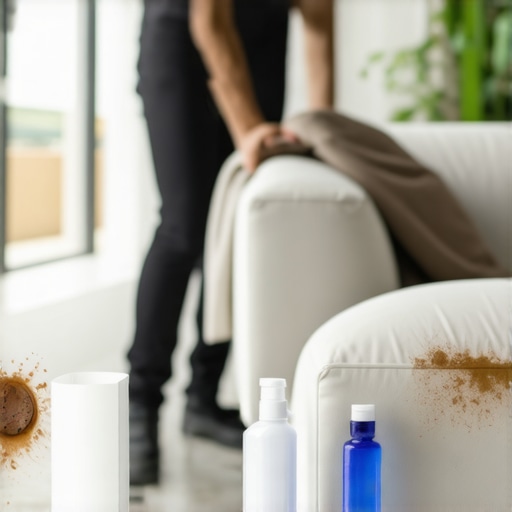
It was one of those mornings where everything seemed to go wrong—except, of course, my coffee spill. I had just finished cleaning my living room when I noticed a stubborn, dark coffee stain slowly spreading across my beloved hemp-fiber sofa. My heart sank. That particular piece was hard to replace, and I knew I had to act fast before the stain set permanently. Sound familiar? If you’ve ever faced a coffee mishap on your upholstery, you know how frustrating it can be—especially when dealing with delicate hemp fibers that seem to absorb every leak like a sponge.
The Urgency of Quick Action on Coffee Stains
Keeping your hemp-fiber furniture spotless isn’t just about aesthetics; it’s also about maintaining its longevity and your peace of mind. Coffee stains, if left untreated, can become deeply ingrained, making them practically impossible to remove over time. Plus, hemp fibers are naturally durable but can be sensitive to harsh chemicals, which means effective cleaning requires a gentle yet thorough approach.
Will This Method Damage My Upholstery?
—I remember rushing to apply a household cleaner I found online, only to see the stain worsen and the fabric discolor. Early on, I made the mistake of assuming all stain removers are safe for hemp—big mistake. That experience taught me that research and the correct techniques are essential. According to cleaning expert advice, using the wrong products can damage natural fabrics, costing you both money and patience. To avoid this, I now rely on proven, safe methods that preserve the integrity of my hemp upholstery. Want to know my secrets? Stick around. We’ll walk through the most effective and safe ways to banish those stubborn coffee stains permanently. Immediately blot the spill with a clean, dry cloth or paper towel—don’t rub, just press—to absorb as much coffee as possible. Think of it like stamping out a fire; the faster you act, the less damage occurs. I remember rushing to grab paper towels during a breakfast mess, and seeing the stain slightly lift—showing that prompt action truly makes a difference. Create a gentle cleaning solution by mixing one part white vinegar with two parts cold water, adding a few drops of a mild liquid dish soap. Using a soft cloth dipped in this solution, gently dab the stained area—avoid oversaturating the fabric. Just like tuning an instrument, precise, delicate touches prevent damage and restore harmony to your upholstery. Before applying the solution broadly, test it on an inconspicuous corner of the sofa to ensure it doesn’t discolor or weaken the hemp fibers. This step is crucial—fail to test, and you risk making the stain worse or damaging the fabric permanently. I learned this the hard way after accidentally bleaching a small section, which reinforced the importance of cautious testing. Use a clean, damp cloth to gently lift the cleaning solution and residual stain, working from the outside toward the center to prevent spreading. Follow up by blotting with a dry towel to remove excess moisture. Think of this like pressing a coffee filter—light pressure ensures clean extraction without tearing. For stubborn spots, repeat the process until the stain diminishes significantly. Allow the area to air dry naturally—avoid direct sunlight, which can cause fading. To speed up drying, point a fan subtly in the direction of the wet area. Once dry, brush the fibers lightly with a soft-bristled brush to restore the texture. In my experience, this gentle brushing lifts the fibers back to their original softness, giving your sofa a refreshed look. Regular vacuuming and immediate attention to spills keep your hemp furniture looking its best. For deep cleaning, consider professional upholstery treatments that are safe for hemp. Remember, employing safe, effective techniques safeguards your investment. Need more tips? Explore [upholstery cleaning tips for a fresh home revival](https://spotlesscarpetz.com/upholstery-cleaning-tips-for-a-fresh-home-revival). Or if you want to sanitize your entire space, check out [sanitizing hacks for safe house transitions](https://spotlesscarpetz.com/sanitizing-hacks-for-safe-house-transitions) to keep everything spotless and healthy.While many believe that tackling house cleaning is straightforward, there are nuanced mistakes and myths that can undermine your efforts. For instance, the misconception that using harsh chemicals guarantees spotless results is widespread, but in reality, it can damage delicate fabrics or surfaces like hemp upholstery. A more effective approach involves understanding specific fabric needs and employing gentle, targeted cleaning solutions, as highlighted in expert guides. Engaging in proper pre-treatment of stubborn stains with specialized solutions—not just generic sprays—can make a significant difference. Additionally, surface testing any cleaning product on inconspicuous areas helps prevent unexpected discoloration or damage, a step often overlooked by DIY enthusiasts. Studies indicate that improper chemical application can weaken natural fibers over time, emphasizing the importance of tailored, expert-approved methods. For example, mixing vinegar and water for stains is popular, but in some cases, it can cause fiber stiffening or fading if not used correctly. Regularly vacuuming before wet cleaning preserves surface integrity, and understanding the unique requirements of textured or specialty fabrics ensures thoroughness without harm. Don’t fall into the trap of over-automating your cleaning routine or relying solely on DIY remedies—sometimes, professional expertise ensures the best results. To deepen your knowledge, check out the effective house cleaning secrets from cleaning experts. Remember, every surface and fabric has its own story—treat it with the right technique. Have you ever fallen into this trap? Let me know in the comments. For tailored advice, feel free to reach out via our contact page. Maintaining a spotless home over time requires not just effort, but the right tools that deliver consistent, professional results. One of my personal favorites is the Vax Steam Cleaner. I prefer it because it uses high-temperature steam to sanitize surfaces without chemicals, which is ideal for delicate fabrics like hemp upholstery. Its versatility allows me to tackle everything from upholstery stains to stubborn bathroom grime, making it a durable investment for long-term cleaning. For detailed dust removal, I rely on the Dyson V15 Detect vacuum. Its laser dust detection feature helps me identify hidden dirt in corners and along baseboards—areas often missed by traditional vacuums. Regular vacuuming with this device prevents dirt buildup that can damage fibers over time, contributing to better upkeep of your furniture and floors. When it comes to deep cleaning, I recommend using enzyme-based detergents like Biokleen Bac-Out. These natural cleaners not only break down organic stains but also preserve natural fabrics and fibers. I personally use a microfiber mop with these solutions to clean large flat surfaces, ensuring a thorough but gentle cleanse that prolongs the life of your textiles. Regular maintenance of your equipment is crucial. For instance, after each use, rinse out your steam cleaner’s hoses and tanks to prevent mineral buildup. Vacuum filters should be cleaned or replaced every few months, depending on usage. This attention to detail ensures your tools work efficiently and last for years, saving you money in the long run. Looking ahead, the trend in cleaning technology points towards smarter, AI-integrated devices that automatically optimize cleaning cycles based on surface sensors. Companies like iRobot are developing robotic vacuums that map your home and adapt to high-traffic areas, making your cleaning routine more efficient and less time-consuming. Interested in maximizing your equipment’s lifespan? Be sure to check out these expert-powered cleaning secrets for more detailed advice. One of my most eye-opening experiences was realizing that even the best cleaning techniques can backfire if neglecting the unique needs of hemp fibers. I once used a strong chemical cleaner on my hemp sofa, thinking it would eradicate the coffee stain instantly—only to find the fabric stiffened and discolored. This mistake taught me the importance of understanding fabric-specific cleaning methods and the value of patience and gentle techniques. It’s a lesson I carry with me every time I face stubborn stains, reminding me that quick fixes often come with long-term costs. To ensure I’m always applying the right methods, I turn to trusted tools and literature. Upholstery cleaning tips from industry experts have been invaluable for my ongoing education, highlighting gentle yet powerful solutions. For top-tier equipment, I depend on the microfiber cleaning guides, which detail safe methods for delicate fabrics. Additionally, I rely on natural cleaning agents, like vinegar and enzyme-based products, to preserve the integrity of hemp fibers without introducing harsh chemicals. Combining these resources has expanded my toolkit and boosted my confidence in tackling even the toughest coffee stains. Remember, every stain tells a story—your dedication to proper care writes a new chapter on your home’s cleanliness. Embrace safe, effective techniques, and don’t shy away from seeking expert advice or investing in quality tools. Whether it’s a stubborn coffee spill or routine maintenance, staying informed makes all the difference. If you’re ready to elevate your cleaning game and preserve your hemp upholstery, explore comprehensive strategies in our house cleaning secrets. And if you ever need personalized guidance, our contact team is here to help. What’s been your most challenging stain, and how did you conquer it? Share your story below—I’d love to hear your successes.What Advanced Techniques Can Actually Elevate Your Cleaning Outcomes?
How do I maintain my cleaning tools to last?
The Hardest Lesson I Learned About Upholstery Care
My Favorite Resources for Safe and Effective Upholstery Cleaning
Your Next Move in House Cleaning Confidence
This post resonates with me because I’ve had my fair share of coffee spills on my hemp furniture. I appreciate the emphasis on quick action—blotting immediately can really make or break the cleaning process. I used to panic and rub stains, which only made things worse until I learned that gentle dabbing is key. I also found that testing any cleaning solution on a hidden spot is critical; I once used a vinegar and water mix without testing first and noticed some color fading, which was frustrating but a good lesson in patience. One thing I’d add is that maintaining the texture of hemp fibers after cleaning is equally important, and brushed lightly once dry helps restore the nap. Has anyone tried steam cleaning hemp upholstery? I’ve heard it’s effective but wonder about the risks and best practices. Overall, understanding the fabric and being gentle yet thorough seems to be the winning approach.