
I once opened my guest closet to grab a winter coat and was hit by a scent that can only be described as ancient attic meets forgotten laundry. It was embarrassing, especially since I had just spent the entire weekend working through my house cleaning strategies for a sparkling home today. That closet felt like it belonged to a different house entirely. It is a common frustration: you scrub your floors and wipe your counters, but then you open a small door and get slapped with a wave of stagnant air. I have realized that no matter how much you clean the visible parts of your home, a funky closet will make your entire bedroom feel heavy and uninviting. Today, we are going to fix that without resorting to the aisle of harsh synthetic sprays.
Stop Masking the Stink and Start Fixing It
The problem with most closets is that they are essentially airless boxes. We stuff them with fabrics—which are basically giant sponges for odors—and then close the door for weeks at a time. This creates a micro-climate where moisture and dust settle into the fibers. I made a huge mistake early on by thinking I could just spray my way out of the problem. I bought those heavy-duty aerosol cans that promised mountain rain but delivered nothing but a chemical headache. It did not solve the mustiness; it just added a layer of fake flowers on top of it. If you have ever had to re-wash a clean shirt because it picked up that closet funk, you know exactly how annoying this is. Have you ever felt like your closet was a losing battle against humidity?
Is it actually possible to kill odors without bleach?
Skepticism is healthy here because we have been conditioned to think that if it does not smell like a laboratory, it is not truly clean. However, according to the Environmental Protection Agency (EPA), many conventional air fresheners contain volatile organic compounds (VOCs) that can lower indoor air quality and even cause respiratory irritation. My goal was to find a way to get that crisp, clean air without compromising my family’s lungs. I started looking into the move-in checklist for cleaning the inside of closets to see where the source of the smell usually hides. It turns out, the solution is not about adding more scent; it is about neutralizing what is already there and preventing the dampness from returning. Whether you are dealing with how to get the mildew smell out of old towels or just a general lack of airflow, the science of stale is the same, and the remedies are simpler than you think.
Get Everything Out to See the Real Enemy
To start, you have to treat your closet like a blank canvas. I learned this the hard way after trying to spot-clean around my hanging dresses and piles of shoes. I missed a literal patch of fuzzy green growth hidden behind my luggage that was the source of that lingering funk. You must pull every single hanger, box, and rogue shoe out of that space until it is completely bare. This is the same logic used in the move-in cleaning checklist for a fresh start in your new home because you cannot effectively sanitize what you cannot see. Once the floor is clear, you will likely be shocked at the amount of ‘ghost dust’—the fine, grey fuzz that settles in corners—which holds onto odors like a sponge.
Clean from the Ceiling to the Floorboards
Once the space is empty, your vacuum is your first line of defense. Dust is not just dirt; it is organic matter that feeds odor-causing bacteria. Use the crevice tool to get into the tight angles where the floor meets the wall. I always recommend following effective house cleaning secrets from cleaning experts and working from the top down. Wipe the top shelf first, then the hanging rods, and finally the baseboards. If you have been ignoring your walls, you are likely trapping smells in the paint itself. A light wipe with a damp microfiber cloth can do wonders for removing that ‘old house’ smell. If your kids use the closet as a hideout, you might even need to check for the best method for cleaning grimy handprints off painted walls to ensure no oily residue is lingering and attracting more grime.
Stop the Damp Before It Becomes Mold
Next, we must address the stale air factor. I once kept a basket of ‘clean’ winter scarves in my guest closet for three years. When I finally pulled them out, they smelled like a damp basement even though there was no leak. This happens because stagnant air allows ambient moisture to settle into fabrics. To prevent this, you need a desiccant or an odor neutralizer that doesn’t just add perfume. While baking soda is the classic choice, I prefer activated charcoal bags because they act like a magnet for smells without leaving a white powder mess. If your closet shares a wall with a bathroom, you are likely fighting a humidity battle you didn’t sign up for. You might even find that your bedroom furniture is picking up the scent, which is where upholstery cleaning tips for a fresh home revival come in handy to reset the fabrics around the closet area.
Sanitize Hidden Surfaces Without Harsh Chemicals
Finally, you must sanitize the floor of the closet. If you are prepping for a move, following the move-out clean checklist to simplify your transition will remind you that the floor inside the closet counts just as much as the living room. Use a mild solution of vinegar and water—it is an effective sanitizing method for a germ-free home without the chemical fallout. I remember one specific Saturday where I skipped the floor wipe-down, thinking the carpet looked fine. Three days later, the smell returned because a tiny spill from an old gym bag had settled into the fibers. Never skip the floor; it is the foundation of a fresh closet.Most people think that if they can smell the lemon or the bleach, the job is done. In my experience, that clean scent is often just a marketing gimmick designed to hide poor technique. If you want to move beyond the basics, you have to understand that sanitizing is a biological process, not a cosmetic one. The biggest mistake—the one I see even seasoned DIYers make—is ignoring dwell time. If you spray a surface and immediately wipe it dry, you haven’t sanitized a thing; you’ve just polished the bacteria. This is one of the most overlooked sanitizing secrets for a safer house in 2025. To actually kill viruses and bacteria, the surface must remain visibly wet for the duration specified on the product label. According to the Centers for Disease Control and Prevention (CDC), many common household disinfectants require a contact time of anywhere from three to ten minutes to be effective. Have you ever fallen into this trap? Let me know in the comments.
Does your disinfectant actually have enough time to work?
If you are rushing through a move-out clean checklist to simplify your transition, it is tempting to move fast, but skipping those few minutes of dwell time can be the difference between a truly clean space and a surface that just looks shiny. This is especially true on high-touch areas like doorknobs or light switches. Speaking of mistakes, why you should never spray cleaning products directly on surfaces becomes even more critical when you are dealing with delicate materials. I have seen beautiful wood finishes ruined because someone sprayed a harsh sanitizer directly onto the grain instead of applying it to a cloth first. When you saturate the material directly, the liquid can seep into cracks, causing swelling or discoloration that no amount of buffing can fix.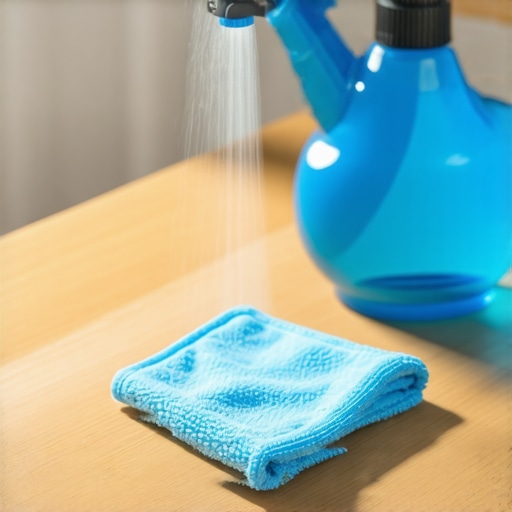
Stop Using the Same Rag for the Whole House
Another nuance that separates the pros from the amateurs is the management of cross-contamination. Using the same microfiber cloth for the closet floor and then moving to the bedroom vanity is a recipe for disaster. This falls under the most common move-out cleaning mistakes that cost renters money because you are essentially just relocating microscopic grime rather than removing it. Always use a fresh cloth for every distinct zone. Furthermore, if you are looking for effective sanitizing methods for a germ-free home, remember that organic matter neutralizes many disinfectants. If a shelf is dusty, the disinfectant works on the dust, not the surface underneath. You must clean the dirt off before you can actually sanitize. It is a two-step process that many people try to combine into one, usually with mediocre results. By slowing down and respecting the chemistry of your products, you ensure your home isn’t just smelling clean, but actually providing a healthy environment.
The Gear I Actually Use to Stop Dust in Its Tracks
If your vacuum is just moving dirt around, it is nothing more than a glorified broom. I spent years wondering why your house still feels dusty even after you just vacuumed before I realized that my cheap upright was actually a dust-redistribution machine. Now, I only use vacuums with a completely sealed HEPA system. According to the Carpet and Rug Institute (CRI), a vacuum must pass rigorous testing to earn their Gold Seal of Approval, which ensures that soil removal is maximized while keeping dust inside the machine where it belongs. If you are struggling with why your vacuum isn’t picking up dirt like it used to, check the filters and the seals first. Beyond the vacuum, my absolute must-have tool is a high-quality microfiber cloth used with the ‘Z-pattern’ wipe. This ensures you never drag the dirt you just picked up back over the clean surface. It is a simple technical shift that yields professional results, especially when paired with sanitizing hacks for safe house transitions during a move.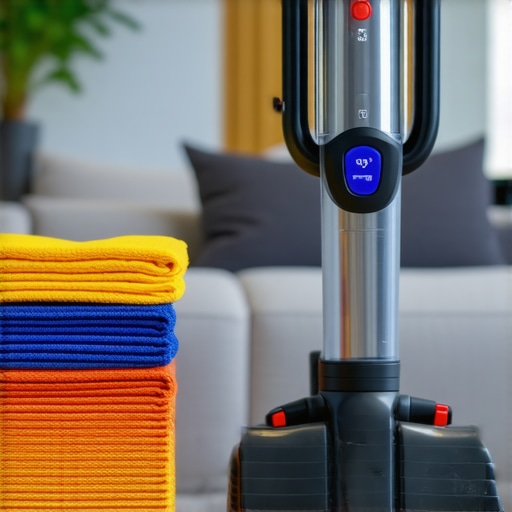
How do I maintain a sanitized closet and home over time?
Consistency is the enemy of the ‘funk.’ You cannot clean once a month and expect a fresh home. I personally swear by a daily house cleaning routine to maintain perfection. This does not mean scrubbing for hours; it means five minutes of high-impact activity. For my closets, it involves a weekly rotation of the air—leaving the doors wide open for an hour while a fan runs in the room. This prevents that ‘closet-climate’ I mentioned earlier. For your living spaces, maintenance is about protecting your investments. I follow an ultimate upholstery care guide for lasting freshness which includes vacuuming the sofa every Sunday. If you let the dust settle into the fibers, it acts like sandpaper, shredding the fabric from the inside out every time you sit down. Keeping it fresh is about preventing the grime from becoming permanent.
The Future is Probiotic and it is Cleaner than You Think
The world of home hygiene is shifting. I predict that within the next five years, we will move away from ‘killing 99.9% of bacteria’ and toward ‘balancing our home microbiome.’ We are already seeing the rise of probiotic cleaners that leave behind beneficial bacteria to eat the organic waste that causes odors. This is the ultimate level of effective house cleaning secrets from cleaning experts: using nature to fight nature. Instead of a sterile, dead environment, we will have homes that actively fight off pathogens. Until then, we have to rely on good old-fashioned physics and chemistry. I want you to go to your vacuum right now and check the brush roll. If it is tangled with hair and thread, it is actually damaging your carpets. Follow the advice on why your vacuum brush roll is ruining your hardwood floors and clean that brush today. It is the single easiest way to immediately improve your cleaning efficiency.
What Nobody Tells You About Chasing the Perfect Home Scent
I spent years thinking that ‘clean’ had a specific smell, usually like artificial lemons or bleach. The hardest lesson I learned is that true cleanliness is actually the total absence of any odor at all. If you can smell your cleaning products an hour after you are done, you likely haven’t cleaned; you’ve just performed a chemistry experiment in your living room. Another ‘lightbulb moment’ for me was realizing that the weight of a room often comes from what you can’t see. Using a daily house cleaning routine to maintain perfection is not about being obsessive; it is about preventing the organic buildup that leads to that heavy, stale air. I also discovered that sanitizing is a patient person’s game. If you aren’t following the sanitizing secrets for a safer house in 2025—specifically regarding the dwell time of your products—you are essentially just moving bacteria around. Finally, remember that your home’s air is only as clean as the surfaces it touches. Even the best-kept closet will eventually smell if the surrounding fabrics are ignored, which is why I always keep an ultimate upholstery care guide for lasting freshness close at hand.#IMAGE_PLACEHOLDER_E#
My Personal Arsenal for a Dust-Free Life
To keep my home at peak freshness, I rely on a few non-negotiable tools. First is a sealed HEPA vacuum; without that seal, you are just venting microscopic allergens back into your breathing zone. Second, I swear by high-grade microfiber cloths (specifically the 300GSM weight) because they use physical hooks to grab grime rather than just sliding over it. Third, I always keep a bottle of plain white vinegar under every sink; it is the ultimate tool for hard water and neutralizing alkaline odors. I trust these tools because they focus on physical removal rather than chemical masking. If you are preparing for a major transition, these tools paired with sanitizing hacks for safe house transitions will ensure your new space feels like yours from day one.
Your Journey Toward a Truly Healthy Sanctuary
You deserve a home that feels like a literal breath of fresh air. It is easy to get overwhelmed by the mountain of tasks, but remember that a fresh home starts with one small, intentional choice—like clearing out that one ‘funk’ closet or finally wiping down your baseboards. By implementing these house cleaning strategies for a sparkling home today, you are not just cleaning a building; you are curate a sanctuary for yourself and your family. Don’t be afraid to slow down and do it right the first time. The peace of mind that comes with a truly sanitized, fresh-smelling home is worth every extra minute of dwell time. What is the one closet or hidden corner in your home that has been your biggest odor challenge? Let me know in the comments below!