
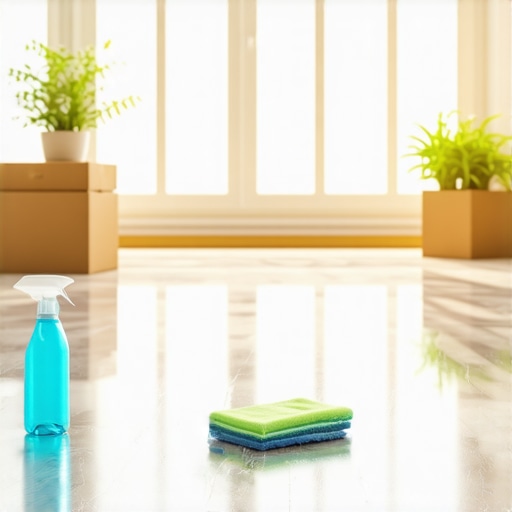
I’ll never forget the day I got the keys to my first real house. I was exhausted, surrounded by cardboard boxes, and honestly, just wanted to order a pizza and sleep on a mattress on the floor. But then I looked inside the kitchen cabinets. There, in the back corner, was a sticky ring of what looked like ancient maple syrup and a stray hair that definitely wasn’t mine. I realized right then that the professional clean promised in my contract was a total myth. It’s a hard truth: nobody is going to care about the hygiene of your new home as much as you do. The air felt stale, the surfaces looked dull, and I knew I couldn’t relax until I had scrubbed away the previous tenant’s life.
Why you shouldn’t trust the landlord’s ‘clean’ standard
We often assume that a vacant house is a clean house. It isn’t. I made the massive mistake early on of thinking I could just unpack and go. I didn’t realize that dust settles in the most annoying places, like the tops of door frames or inside the tracks of the windows. In fact, a study by NSF International found that the kitchen sink can often harbor more bacteria than a toilet seat, which is why your kitchen sink is likely the dirtiest place in your home. If you want to avoid that someone else lived here vibe, you need a plan. Today, I’m sharing the exact steps to sanitize every corner, from the ceiling fans to the deep cleaning of your pantry before moving in. We are going to ensure that when you finally sit down to that moving-day pizza, you aren’t worrying about what’s crawling on the baseboards.
Is a deep clean really worth the effort for a brand-new home?
You might think that if you’re moving into a newly constructed place, you can skip the elbow grease. Trust me, you can’t. Construction dust is a different beast entirely. It gets into the vents, the closets, and even onto the upholstery of any built-in seating. I once tried to wipe down my new cabinets by spraying cleaner directly on the wood—big mistake. I learned the hard way that you should never spray cleaning products directly on surfaces because it can warp the finish or leave permanent streaks. Have you ever moved into a place that looked spotless only to find a hidden mess an hour later?
Start at the top before you touch the floors
The biggest rookie move is cleaning the floors first. Gravity is real, friends. When you’re dusting those high ledges or ceiling fans, all that gunk is going to fall straight down. That’s why professional cleaners always start from the top of the room. It saves you from doing the work twice. We’ll also look at the only way to clean sticky residue from new appliances, so your kitchen actually feels like yours. By following a logical flow, you’ll use these sanitizing secrets for a safer house without burning out before the first box is even unpacked. Let’s dive into the dirty details of how to claim your space.
Reclaiming your kitchen from the ghosts of dinners past
I once moved into a rental where the previous tenant clearly loved deep-frying everything. When I first flicked on the range hood fan, a bead of thick, yellow oil actually dripped onto the stovetop. It was nauseating. I didn’t waste time with weak surface sprays; I pulled those metal grates immediately. If you find yourself in a similar grease-trap situation, you need to use the secret to cleaning greasy range hood filters with boiling water. By submerging the filters in a heat-safe basin with boiling water and heavy-duty degreaser, the gunk melts away without you having to scrub until your arms ache. This is one of those effective house cleaning secrets from cleaning experts that saves hours of frustration. Once the hood is clear, your kitchen will finally stop smelling like someone else’s old stir-fry.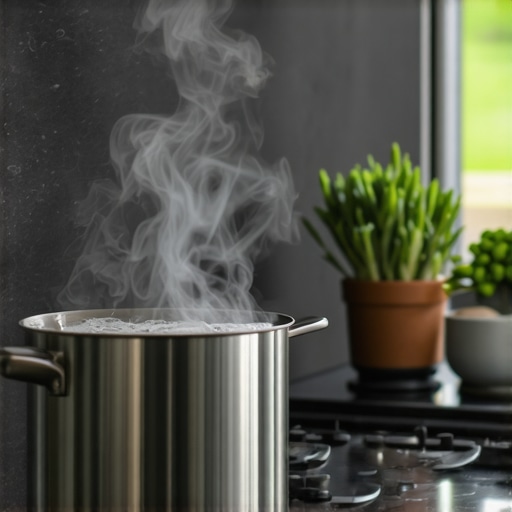
Clear out the crumb-filled gap between the stove and the counter
The most overlooked spot in any kitchen is the two-inch abyss between the oven and the cabinetry. When I pulled my stove out for the first time in that house, I found a literal ecosystem of fossilized peas and ancient receipts. To handle this properly, you need to know how to clean the space between the stove and countertop using a thin vacuum attachment or a yardstick wrapped in a microfiber cloth. It’s gross, but clearing this out is essential for pest prevention. If you are on the other side of the move and trying to get your money back, these details are exactly what your move-out inspector is really looking for in the kitchen. A quick sweep here proves you actually cared about the property.
Heat is your best weapon for a truly sanitary bathroom floor
Most people mop a bathroom floor and think it’s clean, but they’re often just spreading bacteria around with lukewarm water. After I saw a blacklight test of a ‘cleaned’ bathroom, I realized that chemicals alone aren’t always enough to kill the toughest germs. This is why I recommend learning how to sanitize your bathroom floor using steam alone. High-temperature steam penetrates the porous grout lines where odors hide. It’s one of the most powerful sanitizing hacks for safe house transitions because it kills 99% of bacteria without leaving a soapy residue that actually attracts more dirt later.
Wipe down the hidden touchpoints you usually forget
Before you bring in your towels and toothbrushes, hit the ‘high-touch’ zones. Light switches, door handles, and even the toilet flush lever need a concentrated disinfectant. If you’re leaving a home, using these move-out cleaning hacks to ensure your deposit refund will make the place look professionally maintained. I always keep a canister of wipes in my pocket during the final walkthrough just to catch the smudges I missed. It’s these small, instructional steps that bridge the gap between a house that looks okay and a home that is truly safe for your family to live in.One of the biggest myths I see in the cleaning world is the ‘spray and wipe’ reflex. We’ve been conditioned by commercials to think that a quick spritz and an immediate swipe with a paper towel equals a sanitized surface. It doesn’t. In fact, if you look at the EPA’s guidelines for registered disinfectants, most products require a ‘dwell time’ of anywhere from three to ten minutes to actually kill tough pathogens. If you’re wiping it off immediately, you’re essentially just moving the germs around in a nice-smelling liquid. This is one of the most effective sanitizing methods for a germ-free home: pure patience. Let the product do the work for you.
Stop the ‘spray and wipe’ reflex for real results
Then there’s the ‘more is better’ trap. I used to dump half a bottle of floor cleaner into my bucket, thinking it would make my floors twice as clean. Instead, I ended up with a sticky film that acted like a magnet for every piece of pet hair and dust in the room. This is the real reason your luxury vinyl plank floors look cloudy after you mop. That residue builds up, and eventually, even your cleaning tools start to fail. I’ve seen so many people wonder why your microfiber cloths stop working, only to realize they’ve been clogged with excess soap and fabric softener. Use half of what you think you need; your surfaces will thank you.
Can you actually sanitize delicate upholstery without ruining the fabric?
This is where things get tricky and where many new homeowners make a permanent mistake. People often panic about germs on a used sofa and soak the fabric in heavy disinfectant sprays. This is a massive ‘oops’ moment. Over-saturating upholstery can lead to internal mold growth and permanent water rings that are nearly impossible to remove. For upholstery cleaning tips for a fresh home revival, you have to prioritize ‘dry’ methods or very low-moisture steam. According to a report by the Institute of Inspection Cleaning and Restoration Certification (IICRC), improper cleaning is actually the leading cause of premature textile failure. 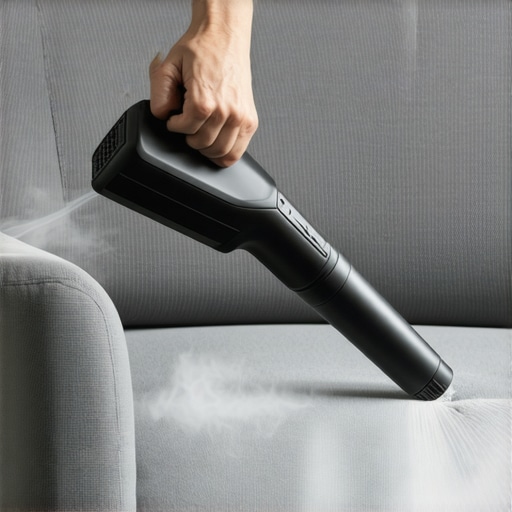 Do not treat your couch like a kitchen counter. Have you ever fallen into this trap of over-cleaning and ended up with a bigger mess? Let me know in the comments.If you want to keep that ‘just-moved-in’ freshness without spending every Saturday scrubbing, you need to rethink your arsenal. I used to buy cheap vacuums every two years until I realized that a machine without a sealed HEPA system was basically just a dust-recirculator. This is exactly why your house still feels dusty even after you just vacuumed. Now, I swear by a vacuum with a bypass motor and a brush roll that I can turn off manually. If you don’t, you run the risk of scratching your finishes, which is why your vacuum brush roll is ruining your hardwood floors. Investing in a high-grade steam cleaner changed the game for me too; it handles everything from grout to the ultimate upholstery care guide for lasting freshness without a single drop of bleach.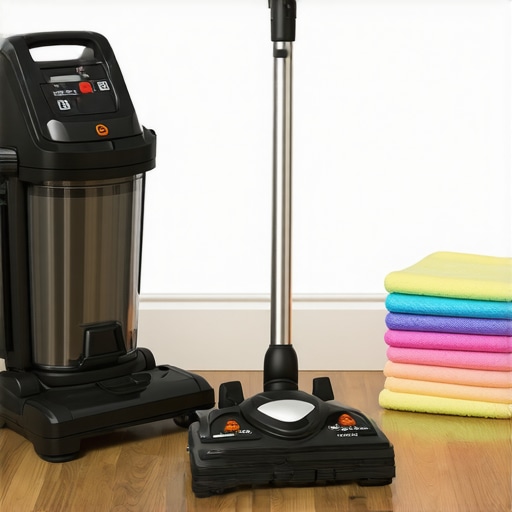
How do I maintain a germ-free environment over time?
Maintaining a safe home isn’t about one-off deep cleans; it is about a daily house cleaning routine to maintain perfection. I focus on ‘high-velocity’ zones—the areas that get touched fifty times a day. Research from the UC Davis Medical Center indicates that high-quality microfiber cloths can remove up to 99% of bacteria from surfaces using just water, whereas cotton cloths only manage about 30%. This is a massive shift in how we think about cleaning. I’ve started using color-coded cloths for different rooms to prevent cross-contamination. However, you have to care for these tools properly, or they stop being effective. I’ve seen first-hand why your microfiber cloths stop working, which usually comes down to heat damage or fabric softeners. Beyond the cloths, don’t ignore your washing machine; a dirty machine cannot produce clean laundry. That is why you must clean the filter in your washing machine at least once a quarter. Consistency is the only thing that beats the buildup. I used to think I could ignore the baseboards for six months, but now I know that a quick wipe-down every month prevents that sticky kitchen grease from bonding with the dust. It is about working smarter, not harder.
The future of home hygiene is moving toward tech
Looking ahead, we are seeing a massive surge in UV-C light integration and robotic mops that actually scrub rather than just drag a damp cloth. I predict that within the next few years, air purification systems will be built into every standard HVAC unit to handle the particulates we currently try to wipe away. Until then, stay ahead by mastering the effective house cleaning secrets from cleaning experts like proper dwell times and tool maintenance. If you are feeling overwhelmed, try one advanced move this week: set a timer for the ‘dwell time’ on your disinfectant next time you clean the sink. You will be shocked at how much cleaner the surface stays when the germs are actually dead. If you ever feel stuck or need professional-grade help to get that baseline clean started, don’t hesitate to contact us for a consultation.
Lessons That Changed My Approach to Every New House
Moving as often as I have taught me that clean is a relative term. The biggest lesson? Never assume the previous owner shared your standards. I have learned to carry a high-powered flashlight during my first walk-through; it reveals grease trails on cabinets and dust on top of door frames that normal light simply misses. Another lightbulb moment was realizing that the bathroom needs to be the safe zone before anything else—it is the one place where you cannot compromise on hygiene. By focusing on these zones early, you avoid that lingering feeling that you are living in someone else’s leftovers.
The Essential Toolkit for Reclaiming Your Space
If you want professional results without the professional price tag, you need to upgrade your gear. I have moved away from standard mops and now rely on high-grade steam cleaners that kill bacteria without leaving a soapy residue. This is a core part of any move-out clean checklist to simplify your transition. #IMAGE_PLACEHOLDER_E# I also swear by color-coded microfiber cloths: blue for glass, red for bathrooms, and green for general surfaces. This prevents cross-contamination, which is one of the most effective sanitizing methods for a germ-free home. Finally, keeping a dedicated moving day bucket with high-dwell-time disinfectants ensures that as you unpack, you are working on a truly sterile foundation.
Your Journey Toward a Truly Fresh Start
The goal of a deep clean is not just to remove dirt; it is to create a sanctuary where you can finally relax. When you follow these house cleaning strategies for a sparkling home today, you are not just checking off a chore list—you are reclaiming your peace of mind. Taking the extra hour to sanitize the high-touch points or steam the floors makes all the difference when you finally lay your head down. If the process feels like too much to handle amidst the chaos of boxes, do not hesitate to contact us for a professional baseline clean. We can help you implement these move-out cleaning strategies to secure your deposit or simply give your new home the scrub it deserves. Which part of moving-day cleaning do you find the most exhausting? Let’s chat in the comments!