
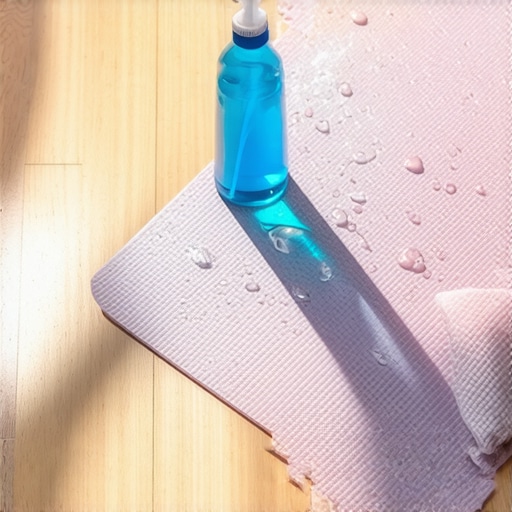
I’ll never forget the Tuesday evening I finally hit my limit. I was mid-downward dog, focusing on my breath, when a scent drifted up that definitely wasn’t lavender incense. It was my mat. It smelled like a gym bag that had been forgotten in a hot trunk for a week. I felt gross, distracted, and honestly, a bit embarrassed. We spend so much time focusing on our health on the mat, but I realized I was basically rolling around on a collection of last month’s sweat and dead skin cells.
That Awkward Moment I Realized My Mat Reeked
I used to be the person who would just give my mat a casual spritz and go with some scented water. I thought I was being clean. Boy, was I wrong. My biggest mistake early on was treating my yoga mat like a piece of plastic furniture rather than a porous sponge that absorbs everything it touches. If you’ve ever noticed a lingering funk despite your best efforts, you’re not alone. Today, I’m going to share exactly how I fixed my routine so you don’t have to worry about your mat becoming a biological hazard. We’re diving into the effective sanitizing methods that actually work for fitness gear. Have you ever noticed your mat getting that weird slippery film even when it’s dry?
Is your mat actually a petri dish in disguise?
It’s a scary thought, right? You’re trying to find Zen, not a staph infection. According to a study published in the International Journal of Environmental Research and Public Health, communal or poorly maintained exercise mats can harbor various fungi and bacteria, including those that cause athlete’s foot. It’s one of those sanitizing secrets that people often overlook until they have a skin reaction. Have you ever walked away from a class wondering if that red bump on your elbow was from the floor or your own equipment?
Why a Quick Wipe Usually Fails the Test
Most of us use those natural sprays at the studio. They smell great, but they often lack the punch needed to kill deep-seated germs. I learned the hard way that if I didn’t get into the nooks and crannies of my open-cell mat, the bacteria just moved deeper inside. It’s similar to how upholstery care requires a bit more than a surface brush to stay truly fresh. If your mat feels heavy or looks dull, it’s probably holding onto more than just memories of your best Savasana. We need a strategy that kills the bad stuff without eating away at the mat’s grip. Let’s look at the deep cleaning steps that actually penetrate those layers.
Stop the Surface Scrub and Start the Deep Soak
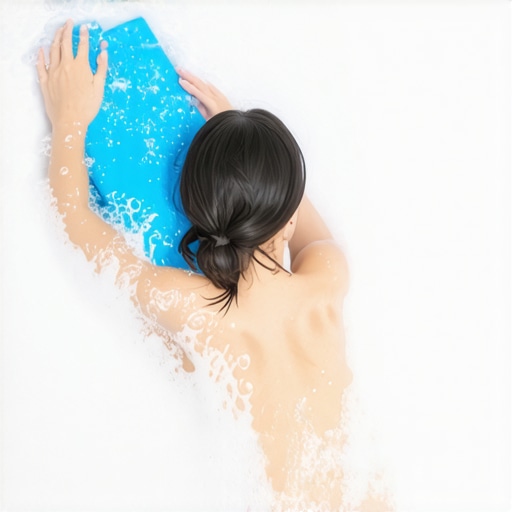
If you really want to get the funk out, you have to treat your mat like a high-traffic area in your home. Think of the open-cell structure of a yoga mat like the fibers in a sofa; it traps oils, sweat, and skin cells just like fabric. To truly reset your equipment, you need a deep soak. I remember the first time I tried this: I filled my bathtub with lukewarm water and a tiny bit of mild dish soap. I made the mistake of using way too much soap, and I was rinsing for forty-five minutes. You only need a couple of drops. Submerge the mat and let it sit for about 15 to 30 minutes. This is similar to how you would approach upholstery care—you want the cleaning agent to penetrate the material, not just sit on top. If your mat starts floating, use some heavy waterproof items to keep it submerged. You’ll be shocked (and a little disgusted) by the color of the water when you’re done.
Kill the Germs Without Melting the Rubber
Soaking cleans the dirt, but it doesn’t always kill the bacteria that cause that ‘locker room’ smell. You need to implement effective sanitizing methods that won’t degrade the grip of your mat. I’ve found that a 50/50 mix of water and white vinegar is a great natural disinfectant, but for those weeks when I’ve been hitting the hot yoga studio hard, I use a dedicated botanical disinfectant. Avoid anything with bleach or harsh alcohols, as these can dry out the rubber and lead to cracking. This mirrors the logic behind many house cleaning strategies where the goal is to sanitize surfaces without causing long-term damage to the finish. Spray your solution liberally after the soak and let it sit for a few minutes before the final rinse.
The Secret to Drying Your Mat Before It Grows Mold
The biggest hurdle isn’t the cleaning; it’s the drying. If you roll up a damp mat, you’re basically creating a dark, moist cave for mold to thrive. After your bath-time deep clean, do not wring the mat out. This will stretch the material and ruin the alignment of the cells. Instead, lay the wet mat flat on a clean, dry towel and roll them up together like a giant burrito. Step on the roll to squeeze the excess water into the towel. I once skipped this step and just hung it over a shower rod; three days later, it still had a mildew smell that took another week to fix. Using the towel-roll method cut my drying time by 70%.
Maintain That Freshness Every Single Day
Deep cleaning is a monthly job, but your daily house cleaning routine should include a quick post-practice wipe-down. Use a high-quality microfiber cloth to remove surface oils. Be careful with what you use to wipe, though. I used to use old rags, but I realized they were just moving dirt around. Just as microfiber cloths are superior for dusting, they are essential for pulling sweat out of those tiny mat pores before it has a chance to settle in and start smelling.
But here’s where most people go off the rails—they assume ‘natural’ is synonymous with ‘gentle.’ While my yoga mat was my wake-up call, I soon realized these same advanced mistakes were happening all over my house. I’ve fallen into the trap of thinking vinegar is a magic cure-all for every surface. Everyone tells you to use it because it’s eco-friendly, but in my experience, using it blindly is a recipe for disaster. If you have stone counters near your yoga space, for example, the acidity in vinegar can actually eat away at the finish. Understanding why vinegar is not always the best choice for certain materials is a total game-changer for home longevity. Have you ever fallen into this trap? Let me know in the comments.
Why do some materials react poorly to even natural cleaners?
It comes down to chemistry. A study by the American Cleaning Institute warns that over-applying acidic cleaners like vinegar or citrus-based solutions often leads to the permanent breakdown of protective sealants on various household surfaces. This is an ‘oops’ factor I see all the time: people use a DIY spray on their expensive fitness gear or a velvet couch and end up with permanent discoloration. You think you’re being safe, but you’re actually stripping away the very things that keep your belongings durable. We need to stop treating our homes like a one-size-fits-all science project and start respecting the specific needs of each fabric and finish.
Another dangerous myth is the ‘more heat equals more clean’ philosophy. I used to think my steam mop was the ultimate weapon against germs. While steam is great for sanitization, it’s a silent killer for certain types of flooring and equipment. If you aren’t careful, your steam mop might be damaging the structural integrity of your floors or the adhesive in your yoga mat. The high temperature can cause layers to delaminate or warp, turning an expensive investment into trash in just a few sessions. This is especially critical when you’re focusing on sanitizing secrets—the goal is to kill pathogens, not melt your property. Always check the manufacturer’s heat tolerance before you go full-steam ahead.
The Secret Nuance of Move-Out Cleaning
When it’s time to move, most people just do a quick wipe-down and expect their deposit back. That’s a huge mistake. Professionals know that the ‘hidden’ grime in places like the dishwasher filter or behind the stove is what inspectors actually look for. If you’re trying to secure your money, you need move-out cleaning hacks that go beyond the surface. It’s the difference between a cursory glance and a deep-dive inspection. Real expertise involves knowing exactly where the dirt hides, whether it’s in the deep pile of a rug or the corner of a kitchen cabinet. By focusing on these high-leverage areas, you ensure a transition that is as stress-free as a post-yoga glow.
The Tools That Separate Amateurs From Pro Cleaners
After years of trial and error, I’ve realized that having the right mindset is only half the battle; the other half is the specific gear you keep in your utility closet. For example, I used to think any vacuum with good suction was enough until I realized my old upright was just spitting fine dust particles back into the air. If you’ve ever wondered why your vacuum isn’t picking up dirt like it used to, it’s likely a filtration or brush roll issue. I switched to a sealed-system HEPA vacuum, and the difference in my allergy symptoms was immediate. It’s these effective house cleaning secrets from cleaning experts that turn a chore into a science.
How do I maintain a sanitized environment over time?
Maintenance isn’t about doing a deep scrub every day; it’s about building a daily house cleaning routine that stops grime before it can bond to surfaces. I personally swear by the ‘high-touch’ rule. Every evening, I take five minutes to sanitize door knobs, light switches, and my phone. These are the vectors for germs that most people ignore. According to technical research by the Toxics Use Reduction Institute (TURI) at UMass Lowell, high-quality microfiber cloths are significantly more effective at mechanically removing microbes from surfaces than traditional cotton rags, often removing up to 99% of bacteria with just water. This is why I stopped using old t-shirts for cleaning; they simply aren’t engineered for the job.
Don’t Let Your Efforts Go to Waste on Soft Surfaces
We often focus on the hard counters, but the real challenge is maintenance for things like sofas and rugs. If you’ve ever felt like your carpet is still dirty after you shampooed it, you probably left too much soap behind, which acts like a magnet for new dirt. For my living room, I follow upholstery cleaning tips that prioritize dry-extraction or minimal moisture. It keeps the fabric from smelling funky and extends the life of the furniture. In the future, I expect we’ll see more AI-integrated cleaning devices that can detect specific bacterial loads on surfaces, but until then, we have to rely on these manual sanitizing secrets to keep our homes healthy. If you’re feeling overwhelmed by the technical side of home care, don’t hesitate to contact us for professional guidance. I challenge you to try the ‘high-touch’ wipe-down tonight—you’ll be amazed at how much cleaner your home feels when the most-handled spots are actually sterile.
Hard Lessons from the Yoga Mat Trenches
After years of trial and error, I’ve realized that a clean mat is about more than just aesthetics; it’s about respect for your body and your space. One of my biggest lightbulb moments was realizing that smell is a late-stage symptom. By the time you can smell it, the bacteria have already set up shop. I also learned that patience is the most important cleaning tool. Trying to rush the drying process is exactly how you end up needing to get the mildew smell out of old towels or fitness equipment. Finally, I stopped assuming that clear water meant a clean mat. Sometimes the most dangerous germs are invisible, requiring a consistent, proactive approach rather than a reactive scrub.
Tools That Changed My Cleaning Game Forever
I don’t believe in a cluttered cabinet, but I do believe in the right tools. First, I always have a stack of high-quality microfiber cloths because microfiber cloths are scientifically superior at grabbing microbes than cotton. Second, I recommend a simple handheld UV-C light for items you can’t get wet, like your phone or remote. Third, I always keep a bottle of pH-neutral cleaner to avoid the common mistake of why vinegar is not always the best choice for natural stone surfaces in your workout area. These tools bridge the gap between a superficial wipe and a professional-grade result.
#IMAGE_PLACEHOLDER_E#
Step into Your Cleanest Savasana Yet
Taking care of your equipment is an extension of the mindfulness you practice on the mat. When you master these sanitizing secrets, you aren’t just cleaning a piece of rubber; you’re creating a sanctuary where you can breathe deeply without worry. Whether you are preparing for a move and need move-out cleaning hacks or just trying to stay healthy during flu season, these habits will serve you well. You deserve a home that supports your wellness, not one that challenges it. Have you ever had a cleaning ‘fail’ that taught you a valuable lesson about your gear? Let me know below.