
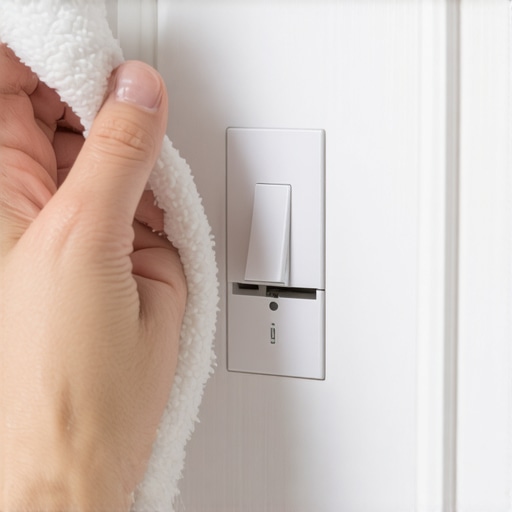
I’ll never forget the afternoon I finally noticed the state of my master bedroom light switch. I’m usually pretty diligent about my daily house cleaning routine, but in the harsh afternoon sun, that plastic toggle looked less like a home fixture and more like a science experiment. It was tacky to the touch and visibly grey. My first instinct—and maybe yours too—was to grab a heavy-duty degreaser and blast it. I actually did that once, years ago, and the terrifying pop-fizzle sound that followed taught me a lesson I won’t soon forget. You don’t want to mess with live electricity and liquid. Today, I’m going to show you how to get those switches looking brand new without risking a blown fuse or, worse, a trip to the ER.
Put the Spray Bottle Down and Back Away
It’s easy to focus on the big stuff like freshening up your upholstery or scrubbing the floors, but the small touchpoints are where the real germs live. In fact, studies from researchers at the University of Arizona have shown that light switches are among the top five germiest spots in a typical home, often harboring more bacteria per square inch than a toilet seat. When we handle these switches dozens of times a day, we’re depositing skin oils, food residue, and whatever we picked up outside. I’ve learned the hard way that the hidden grime on your light switches isn’t just an eyesore; it’s a biofilm that needs careful removal. The secret isn’t more liquid; it’s the right application. Have you ever noticed that sticky feeling on your switches and wondered if you could just wipe it away with a wet rag?
Could a damp cloth really cause an electrical short?
I used to think people were being dramatic about the water and electricity rule for small tasks. It is just a damp cloth, I’d tell myself. But the truth is, light switch covers aren’t airtight. Capillary action can pull moisture right behind the plate and into the terminal screws. Early in my journey of learning house cleaning secrets from the pros, I nearly ruined a dimming switch because I used a dripping sponge. The moisture caused a small short that fried the internal electronics. If you’re preparing for a big transition, following a move-out clean checklist usually requires these to be spotless, but you have to do it safely. We want a home that’s sanitized, not a circuit that’s fried. Setting the stage for a proper deep clean means understanding that less is more when it comes to fluids.
Master the Two-Cloth Technique for Electrical Safety
To get professional results, you need to think like a detailer rather than a generalist. I remember moving into a small studio apartment where the light switches were so caked in grime they felt like they’d been dipped in maple syrup. I tried to scrub them with a soapy sponge, but the residue just smeared into the crevices, making it look even worse. That was the day I realized that applying house cleaning strategies for a sparkling home today requires specific tools for specific tasks. The secret is the mist-and-swipe approach. You never spray the switch directly; instead, you treat the cloth as the delivery vehicle. Mist a high-quality microfiber cloth with your cleaner—just enough to make it feel cool to the touch, not damp enough to wring out—and then work the surface. This controlled moisture prevents liquid from seeping into the internal housing, which is the same logic used in upholstery cleaning tips for a fresh home revival where saturation is the enemy of a deep clean.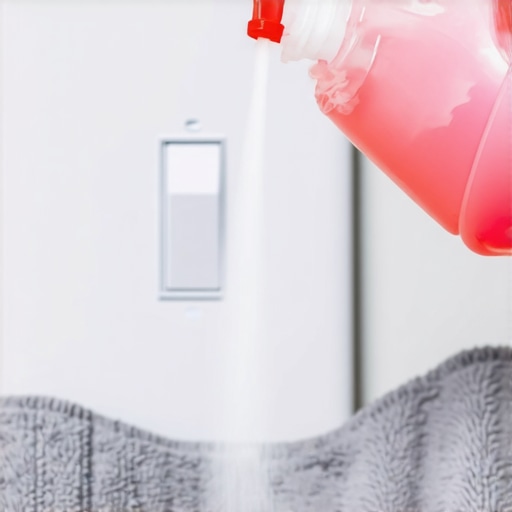
Why a Toothbrush is Your Secret Weapon for Crevices
Even with a good cloth, you’ll notice that grey ring of skin oils where the toggle meets the plate. This is where most people give up, but it’s actually the most critical part of effective sanitizing methods for a germ-free home. I found that a soft-bristled toothbrush, lightly dampened with a drop of rubbing alcohol, can reach the mechanical pivot points without dripping. It’s a trick I borrowed from the toothbrush trick for removing pet dander from baseboard crevices. When I used this on my kitchen switches, the amount of dark gunk that lifted out was genuinely shocking. Rubbing alcohol is the preferred choice here because it evaporates almost instantly, further reducing the risk of a short circuit while providing high-level disinfection.
Kill Germs Without Damaging the Plastic
You have to be careful with harsh chemicals like bleach or ammonia, as they can actually yellow the plastic over time or make it brittle. For a modern home, following sanitizing secrets for a safer house in 2025 means using pH-neutral cleaners or 70% isopropyl alcohol. I once tried to use a heavy-duty bathroom cleaner on a light switch and it stripped the gloss right off the plate, leaving a dull, permanent smudge. Now, I always test a tiny spot on the bottom edge of the plate first. If you are preparing for an inspection, these small details are vital components of move-out cleaning strategies to secure your deposit. Landlords always look for that tactile cleanliness; if the switch feels smooth and dry rather than tacky, they know the home has been well-maintained. Focus on the edges where the plate meets the wall, as dust tends to settle there and create a dark outline that makes the whole room look dingy. By keeping the cloth slightly damp and using the ‘dry side’ to buff the plastic immediately after cleaning, you’ll achieve a factory-new shine that lasts.
Why Stronger Chemicals Often Fail You
Most people assume that dousing a surface in the strongest possible chemical is the shortcut to a sterile home. I used to think the same until I learned about the dwell time requirements for most store-bought wipes. If the surface isn’t visibly wet for several minutes, you aren’t actually killing the germs—you’re just moving them around. In my experience, following sanitizing secrets for a safer house in 2025 requires a move away from the spray and wipe mentality toward apply and wait.
Is 70% Isopropyl Truly More Effective Than 99%?
Yes, and here is why. According to research from the CDC and various microbiological studies, 70% isopropyl alcohol has enough water content to prevent the alcohol from evaporating too quickly. This allows it to penetrate the cell walls of bacteria and viruses before they can form a protective shell. When you use 99% alcohol, it often evaporates before the job is done. I apply this logic when performing effective sanitizing methods for a germ-free home, ensuring that the toggle stays damp for at least 30 seconds without letting any liquid drip inside the plate.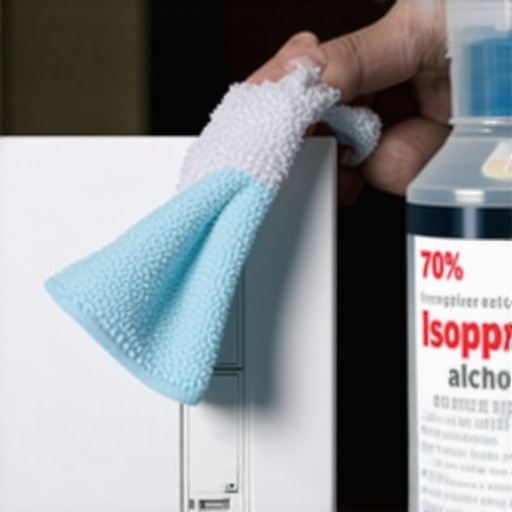
Remove the Invisible Film That Attracts New Dirt
One common mistake I see—and I’ve certainly made it myself—is using multi-surface floor cleaners or soapy water on light switches. These products leave behind a microscopic film. This film is like a magnet for skin oils and dust. Have you ever cleaned a switch only to have it feel tacky again two days later? That’s the residue. To avoid this, I always suggest a final buff with a dry, clean microfiber cloth. This is a vital part of house cleaning strategies for a sparkling home today because it removes the anchor for new dirt. If you are working through a move-out clean checklist, that residue can actually look like a smudge under a landlord’s flashlight, potentially affecting your deposit.
Protect Your Wall From the Notorious Dirty Halo
There is a nuance to cleaning switches that most beginners miss: the wall. When you scrub the edge of the switch plate, it’s incredibly easy to transfer moisture and grime onto the surrounding drywall. If you have matte paint, you’ll end up with a dark, greasy-looking halo around the switch that is nearly impossible to remove without repainting. To prevent this, I use a technique from house cleaning secrets from the pros: place a piece of painters’ tape or a thin plastic guard around the plate before you start the deep clean. This ensures you can reach every millimeter of the plastic without staining the wall. It’s these small, protective steps that separate a standard clean from a professional-grade restoration. Have you ever fallen into this trap? Let me know in the comments.
Grab the Right Gear for a Lasting Shine
I’ve found that the biggest hurdle in maintaining a clean home isn’t the effort; it’s using the wrong tools. For light switches, I specifically recommend a 300 GSM (grams per square meter) microfiber cloth. Why this specific weight? Because it’s dense enough to trap the skin oils we leave behind but thin enough to wrap around your finger to get into the tight gap between the toggle and the plate. I pair this with a small spray bottle of 70% isopropyl alcohol. I avoid the 99% versions because they evaporate too quickly to kill hardy bacteria. This setup is a staple of my daily house cleaning routine to maintain perfection. When you use the right cloth, you aren’t just spreading the grime; you’re lifting it off the surface entirely. 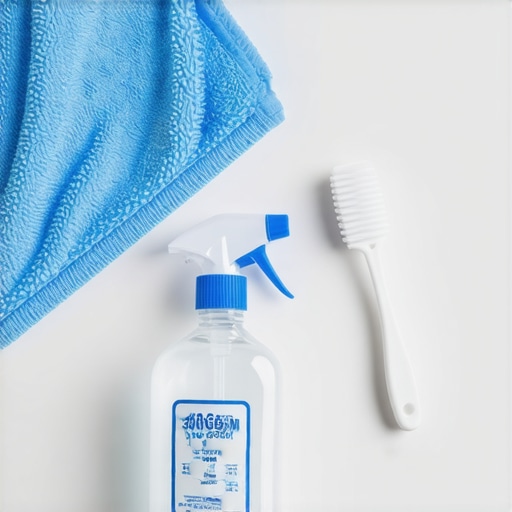
Can I Keep My Switches Clean Without Weekly Scrubbing?
The short answer is yes, but it requires a change in habits. One trick I’ve integrated into my ultimate upholstery care guide for lasting freshness also applies here: prevent the soil from reaching the surface in the first place. I’ve started using my elbow or the back of my hand for switches in high-traffic areas like the mudroom. It sounds a bit obsessive, but it drastically reduces the buildup of those sticky finger oils. To maintain these results over time, I suggest a ‘maintenance wipe’ once a month. If you are preparing for a transition, these small habits make the tasks on your move-out cleaning hacks ensure your deposit refund feel much less daunting. As specified in the technical documentation by Leviton, a leading manufacturer of electrical devices, cleaners should never be applied directly to the device to prevent internal corrosion of copper components. Following this rule ensures your hardware lasts as long as your home does.
Antimicrobial Plates Are the Next Big Thing
We are moving toward a future where our home’s surfaces do the heavy lifting for us. I’m already seeing a surge in ‘smart switches’ and antimicrobial plastic resins that use silver ions to inhibit the growth of bacteria directly on the plate. In the next few years, I predict that standard plastic plates will be replaced by these self-sanitizing materials, especially in kitchens and bathrooms. Until then, staying updated with sanitizing secrets for a safer house in 2025 is your best defense. These advancements will make the deep cleaning process much faster, but for now, the manual mist-and-swipe method remains king. If you want to see an immediate difference in your home’s ‘feel,’ I challenge you to try the ‘Tape Guard’ method I mentioned earlier on just one switch today. You’ll be amazed at how much brighter the room looks when that tiny halo of grime is gone.
Lessons Learned from One Too Many Sticky Switches
Reflecting on my years of maintaining a home, I realized that house cleaning is as much about the ‘invisible’ as it is about the ‘visible.’ Here is what the textbooks don’t always mention: Oversaturation is your enemy. I used to think more liquid meant a deeper clean, but in the world of electronics, a damp cloth is a weapon if not used sparingly. Secondly, always check the pivot points. That tiny gap where the toggle meets the plate is a magnet for skin cells and oils. Finally, I’ve learned that the ‘Back of the Hand’ technique is a simple habit that keeps your switches pristine between deep cleans. It sounds minor, but it reduces the frequency of effective sanitizing methods for a germ-free home you’ll need to perform.
#IMAGE_PLACEHOLDER_E#
My Go-To Kit for a Five-Star Finish
If you want to achieve results like the pros, you have to stop using old rags. I personally rely on a 300 GSM microfiber cloth; it provides the perfect balance of absorption and scrubbing power. I also keep a bottle of 70% Isopropyl Alcohol on hand because it’s the most reliable way of implementing sanitizing secrets for a safer house in 2025. For the fine details, a soft-bristled toothbrush is non-negotiable for getting into those mechanical crevices. Lastly, don’t forget painters’ tape. It’s the only way to protect your delicate matte paint from the ‘cleaning halo’ effect that often ruins an otherwise perfect move-out cleaning hacks ensure your deposit refund strategy.
Build a Home That Truly Sparkles from Within
It is incredible how much the ‘vibe’ of a room changes when the small touchpoints are handled with care. House cleaning isn’t just a chore; it’s an act of maintenance for your sanity and health. When you walk into a room and flip a switch that feels smooth and looks factory-fresh, you’re reminded that you are in control of your environment. Whether you are just doing your weekly rounds or executing a high-stakes move-out cleaning strategies to secure your deposit, these small wins add up to a much larger sense of peace. You’ve got the tools and the technique—now go give those switches the attention they deserve!
Have you ever encountered a light switch so dirty it felt like it was stuck in place? Let me know your toughest cleaning challenges in the comments below!