
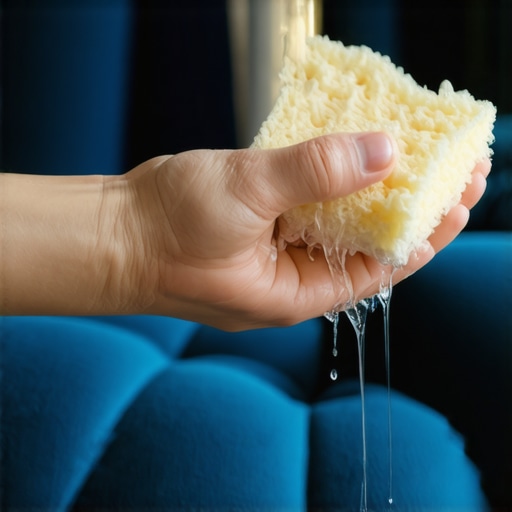
I stood there, paralyzed, holding a microfiber cloth like a weapon while a spilled glass of juice seeped into the fibers of my vintage velvet armchair. It was a centerpiece of my home, a piece of history, and I was about to ruin it. In that moment of absolute panic, I did exactly what my gut told me to do: I grabbed the nearest spray bottle and started rubbing vigorously. That was the day I learned the hard way that velvet doesn’t forgive, and it certainly doesn’t forget. If you’ve ever looked at a ‘crushed’ patch on your sofa that just won’t fluff back up no matter how much you brush it, you’ve met the consequences of the cardinal sin of velvet care. Today, I’m going to show you why your natural cleaning instincts are likely leading you toward a disaster and how to keep that shimmer alive without the heartbreak. Trust me, I’ve spent years perfecting my daily house cleaning routine to maintain perfection, but velvet is a whole different beast that requires its own set of rules.
The One Mistake That Will Kill Your Couch’s Vibe
The most important thing to remember is that velvet isn’t just a fabric; it’s a ‘pile.’ This means it has a three-dimensional structure that gives it that signature sheen and softness. When you treat it like standard cotton or polyester, you’re basically asking for trouble. My early mistake was thinking that more water equaled more cleaning power. I practically drowned a cushion trying to get a tiny smudge out, only to realize later that I’d permanently matted the fibers. You see, velvet is incredibly sensitive to moisture. According to experts at The Spruce, velvet’s unique woven structure means that excessive water or heavy-handed scrubbing can ‘break’ the pile, leading to permanent bald spots or unsightly flat patches that look like shiny, plastic scars. This is why following specialized upholstery cleaning tips for a fresh home revival is so crucial before you even think about dabbing away at a spot. I want to save you from the grief of a ruined heirloom.
Does Velvet Actually Need All This Special Treatment?
I know what you’re thinking. It’s just a piece of furniture, right? Why is it acting like a prima donna? You might be skeptical about whether you really need a specialized kit or a professional’s touch to keep it looking good. I felt the exact same way until I realized that a velvet couch is an investment in your home’s soul. It’s the difference between a living room that feels ‘fine’ and one that feels curated and cozy. If you’ve been struggling with maintenance, you might even find that simple things like how to remove pet hair from velvet without a lint roller is a bigger daily challenge than actual liquid stains. But the truth is, the ‘hype’ around its fragility is real—but it is manageable if you know the one thing to avoid.
Why Your Scrubbing Brush Is Your Sofa’s Worst Enemy
When we see a stain, our lizard brain tells us to scrub it into submission. With velvet, that is the quickest way to say goodbye to your furniture’s beauty and its resale value. I once tried to use a stiff brush to get dried mud off the side of my sofa, and I ended up with a patch that looked like it had been through a lawnmower. If you are prepping for a move and need move-out cleaning hacks to ensure your deposit refund, the last thing you want is a damaged sofa that the landlord will definitely notice. Instead of aggression, we need finesse. Before you even think about applying a liquid, you must understand why you should never use a steam cleaner on these specific upholstery fabrics like certain silk-blended velvets. Have you ever accidentally ruined a piece of furniture by being ‘too thorough’ with your cleaning? I’d love to hear your horror stories in the comments—it makes me feel less alone in my past blunders! We’re about to dive into the ‘dry-first’ method that actually works, but first, let’s look at how to protect those fibers. Check out the ultimate upholstery care guide for lasting freshness to see how velvet fits into your overall home care plan.
Clear the Debris Without Grinding It In
Before you even think about bringing out the cleaning agents, you have to tackle the loose stuff. I once tried to spot-clean a chocolate smudge on my blue velvet ottoman using a wet rag. Big mistake. Instead of lifting the chocolate, I turned it into a permanent dye by grinding the particles into the base of the fabric’s pile. Now, my first move is always the vacuum. But be careful—you need to use the soft brush attachment and lower the suction if possible. If your equipment isn’t maintained, you might find why your vacuum is actually spreading more dust around rather than helping. Move the brush in long, smooth strokes following the natural grain of the velvet to lift away dust and hair without distorting the fabric’s delicate shape. Understanding the grain or nap of your velvet is like knowing which way to pet a cat. If you brush against it, the color deepens and the texture feels rougher; if you brush with it, the fabric shimmers. When cleaning, always finish by brushing with the nap to maintain that uniform look.
What Does That S Label Actually Mean?
Next, check that little white tag hidden under the cushions. Most high-end velvet is S coded, which stands for Solvent. This means water is your ultimate enemy. If you’ve been researching effective house cleaning secrets from cleaning experts, you’ll know that using the wrong liquid can cause permanent shrinkage or unsightly water rings that look like salt stains. To clean these pieces safely, you need a water-free dry-cleaning solvent. You can also learn how to treat s-coded upholstery fabric without ruining it by applying the solvent to a clean white cloth first, then dabbing the stain gently. Never pour the liquid directly onto the couch, as it will seep into the padding and cause trapped odors or even mold growth inside the frame.
The Shaving Cream Secret
For tougher, non-greasy stains, I found a weird but effective method that works wonders on velvet. If you have a smudge that just won’t budge, the shaving cream trick for removing foundation stains from upholstery is a genuine lifesaver. Plain white shaving foam (not the gel version!) can lift pigments out of the pile without soaking the underlying foam layers. I used this on a makeup smudge last month and it lifted the stain like magic, though you still have to be incredibly gentle with your dabbing motion. Think of it like blotting a delicate painting rather than scrubbing a floor. If you apply too much pressure, you’ll crush the fibers, creating a flat spot that reflects light differently than the rest of the sofa.
Bring Back the Shimmer with a Gentle Brush Reset
Finally, once the area is dry, it will likely look a bit stiff or matted. This is where the revival happens and you get that showroom glow back. Use a soft-bristled clothes brush or even a clean, soft toothbrush to gently fluff the fibers back up. Work in tiny circles first to separate any clumped fibers, and then make one final pass in the direction of the rest of the sofa’s pile. Keeping the surface clean also plays into your overall home health, so don’t overlook sanitizing secrets for a safer house in 2025 to ensure your living space is as healthy as it is beautiful. If you have pets, knowing how to remove pet hair from velvet without a lint roller will save you hours of frustration and prevent the need for deeper, riskier cleans later on. 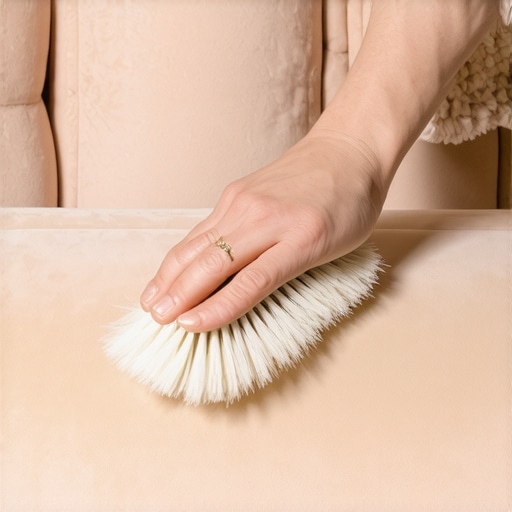 This brushing technique is the secret sauce to maintaining that luxury feel for years.Despite all the warnings about water, I see one ‘eco-friendly’ mistake repeated more than any other: using white vinegar as a catch-all sanitizer. Everyone tells you it’s the ultimate green solution, but on high-end velvet, vinegar’s acidity can actually weaken the adhesive holding the pile to the backing. In my experience, the ‘natural’ route often leads straight to a bald sofa. If you are trying to balance health and aesthetics, sticking to effective sanitizing methods for a germ-free home means respecting the chemistry of the fabric first.
Can You Really Sanitize Without Using Any Water?
It sounds like a paradox, doesn’t it? We’ve been conditioned to believe that heat and moisture are the only ways to kill bacteria. However, for S-coded fabrics, the ‘Oops’ factor usually happens when homeowners try to ‘refresh’ a piece before moving out. I’ve seen people lose their security deposits because they thought a quick steam would sanitize the couch for the next tenant. In reality, the IICRC (Institute of Inspection Cleaning and Restoration Certification) warns that improper moisture levels in dense piles like velvet can trap humidity, leading to ‘wicking’—where deep-seated dirt travels up the fibers and settles on the surface as it dries. To avoid this, you need to look at move-out cleaning hacks to ensure your deposit refund that prioritize dry extraction or UV-C light sanitization over traditional wet methods. One of the most sophisticated traps is the ‘over-sanitization’ loop. We get so worried about germs that we saturate the fabric with disinfectant sprays. These sprays often contain surfactants that stay sticky. Over time, that residue acts like a magnet for dust and skin cells, making the couch dirtier faster. Have you ever fallen into this trap of over-cleaning only to find your furniture looks worse a week later? Let me know in the comments! Instead of more spray, refer back to the ultimate upholstery care guide for lasting freshness. It’s better to maintain a daily house cleaning routine to maintain perfection than to perform a ‘deep clean’ that inadvertently destroys the structural integrity of your favorite armchair.I’ve spent hundreds of hours and probably too much money on gadgets that promised to make cleaning easier, only to find they were too aggressive for my home’s most delicate pieces. If you want to keep your furniture in ‘move-in’ condition, you need a toolkit that respects the material. My absolute ‘holy grail’ is a 100% horsehair brush. Synthetic bristles are often too rigid and can actually generate static that traps hair further into the fibers. A natural horsehair brush is soft enough to groom the pile without snapping the individual threads. This is the same level of care required when you are following house cleaning strategies for a sparkling home today; it’s about precision, not power. When I’m doing a deep dive into my living room, I follow the IICRC S300 Standard for Professional Upholstery Cleaning, which emphasizes ‘dry soil removal’ as the most critical step before any liquid hits the fabric. If you skip the thorough vacuuming and brushing, you’re just turning surface dust into deep-seated mud. I personally use a brush with tightly packed bundles that don’t shed—avoid the cheap $2 craft store versions. This is a common pitfall people face when trying to rush through a move-out clean checklist to simplify your transition. They want the ‘clean’ look without the ‘clean’ foundation. 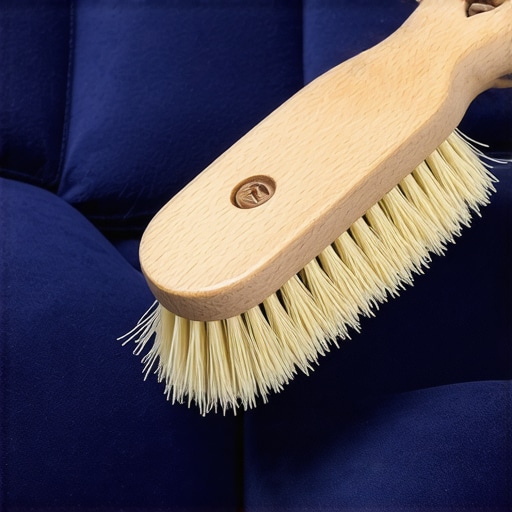
How do I maintain my velvet upholstery over time?
The secret isn’t a massive monthly scrub; it’s a five-minute weekly reset. I’ve integrated a quick ‘brush and puff’ into my daily house cleaning routine to maintain perfection. Every Friday, I take my horsehair brush and give the cushions a quick sweep in the direction of the nap. Then, I flip the cushions to prevent the foam from developing those permanent ‘butt-shaped’ indentations. This simple rotation extends the life of the fabric by years because it prevents the pile from being crushed in the same spot day after day. When I am preparing for guests, I also check for any hidden grime using effective house cleaning secrets from cleaning experts to ensure my luxury pieces stay as hygienic as they are soft. If you’re dealing with a high-traffic home, you might also want to look into sanitizing hacks for safe house transitions to keep things fresh without over-wetting. I honestly believe the future of home care is going to move away from harsh chemicals and toward more mechanical and bio-based solutions. I predict we’re moving toward a world where self-sanitizing textiles infused with silver ions become the norm for high-end furniture, or even AI-powered vacuums that can detect fabric types and adjust suction to protect delicate piles automatically. We are already seeing ‘performance’ velvets that are engineered to be liquid-repellent, but even those require a solid ultimate upholstery care guide for lasting freshness to stay looking premium. I challenge you to go find that tiny horsehair brush today and give your sofa a ‘dry groom.’ You’ll be shocked at how much life it breathes back into the fabric!
What My Ruined Armchair Taught Me About Luxury
After years of trial and error, I’ve realized that velvet isn’t just furniture; it’s an experience that requires a shift in mindset. First, light is a silent thief. I noticed my navy sofa losing its depth because it sat directly in a sunbeam for months. Now, I use sheer curtains to protect the pile from UV damage. Second, patience always beats power. If a stain doesn’t come up with the first gentle dab, walking away and letting it dry before trying a different solvent is better than rubbing harder. Finally, always keep a stash of white, lint-free cloths. Using a dyed rag is a recipe for color transfer that even the best upholstery cleaning tips for a fresh home revival can’t always fix.
My Secret Stash for Pristine Fabrics
#IMAGE_PLACEHOLDER_E# You don’t need a closet full of chemicals to maintain a high-end look. Here is what I personally use:
- 100% Natural Horsehair Brush: This is non-negotiable for keeping the nap soft without creating static that traps hair.
- Dry-Cleaning Solvent: Specifically for those S-coded pieces that can’t handle water-based cleaners.
- Handheld HEPA Vacuum: Essential for removing the dust that settles deep in the pile, which is a core part of any daily house cleaning routine to maintain perfection.
- Distilled Water: Only for W-coded fabrics, to prevent the mineral rings that tap water often leaves behind.
Keep Your Shimmer Shining
Owning a piece of velvet furniture is a commitment to beauty, but it shouldn’t be a source of stress. By incorporating these small, mindful habits into your house cleaning strategies for a sparkling home today, you ensure your home remains a sanctuary of comfort and style. Don’t be afraid to actually live on your furniture! With the right ultimate upholstery care guide for lasting freshness, your velvet will age as gracefully as a fine wine. Have you ever successfully rescued a piece of furniture from a ‘hopeless’ stain? Let me know your success stories below!