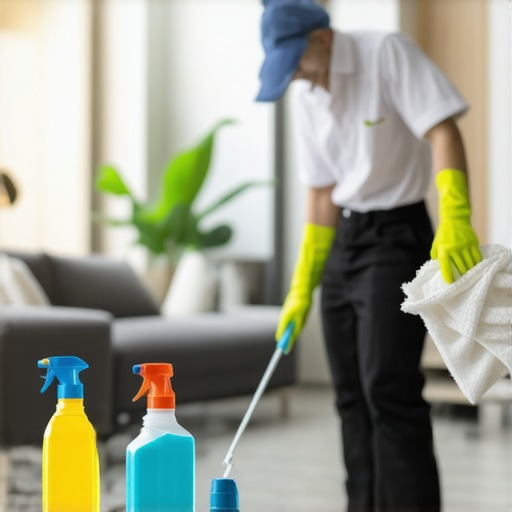
Ever scrubbed a bathroom so thoroughly that you swear you saw the sparkle of a freshly polished gemstone? I remember the moment I realized that despite my best efforts, I was missing crucial spots during move-out cleanings. That lightbulb moment hit me hard—what I thought was a spotless house still had hidden dirt and germs lurking in the corners. It was frustrating, but it also sparked a quest for better, more effective cleaning strategies that actually work in 2025 homes.
Why Move-Out Cleaning Matters More Than Ever
In today’s fast-paced world, move-out cleaning isn’t just about aesthetics; it’s about health, trust, and securing your deposit. With new sanitizing standards emerging, knowing how to clean effectively is essential. A clean home can prevent the spread of germs and protect your family from illnesses, especially in a post-pandemic era where sanitation is top priority. Plus, a thorough clean ensures you leave behind a good impression—crucial for landlords and new tenants alike.
Have you ever faced the stress of last-minute cleaning and wondered if you missed a spot?
If so, you’re not alone. I used to think quick wipes and a vacuum were enough until I learned that certain overlooked areas could jeopardize my deposit or worse, compromise my health. One early mistake I made was neglecting the deep-cleaning of upholstery and carpets, which harbor allergens and bacteria. That’s when I started exploring expert-approved tactics, like those detailed in move-out cleaning strategies to secure your deposit and effective house cleaning secrets from cleaning experts.
Today, I’ll share practical tips that transform your cleaning routine—making it faster, safer, and more reliable. From tackling stubborn stains to ensuring your home passes any sanitation inspection, these strategies will set you up for success in 2025. Ready to ditch the guesswork and become a move-out cleaning pro? Let’s get started.
Start with a Clear Plan
Before diving into cleaning, create a detailed checklist focusing on high-traffic areas and overlooked spots. I once attempted to clean a rental unit without a plan and ended up missing the baseboards and behind appliances. To avoid this, I now follow a comprehensive guide like move-out cleaning strategies to secure your deposit. This ensures no corner gets ignored and saves time in the long run.
Gather Your Tools and Supplies
Equip yourself with quality cleaning essentials: microfiber cloths, extendable dusters, a steam cleaner, disinfectants, and upholstery-specific products. Think of your tools as the scalpel and forceps of a surgeon—precision matters. When I cleaned my upholstery last summer, I used a dedicated fabric sanitizer found in ultimate upholstery sanitizing tips for 2025 homes, which revived my sofa’s appearance and eliminated stubborn stains.
Focus on Deep Cleaning Upholstery
Upholstery can trap allergens and bacteria like a sponge soaking up dirt—think of it as the home’s immune system. To effectively clean it, vacuum thoroughly first, then use an upholstery-safe cleaner or steam cleaner. I once struggled with a stained armchair; after applying a targeted cleaning method from ultimate upholstery sanitizing tips for modern homes, the stains vanished, and the fabric looked brand new. This step is essential for passing sanitation inspections and ensuring a healthy environment.
Sanitize Every Surface
Sanitizing isn’t just wiping; it’s about eliminating 99.9% of germs. Use EPA-approved disinfectants, focusing on frequently touched areas like doorknobs, switches, and countertops. My trick is to keep a spray bottle handy and dedicate 10 minutes to sanitize after cleaning. For more advanced hacks, check out sanitizing hacks for safe house transitions. This ensures your home not only looks clean but is genuinely hygienic, which is especially critical in 2025 homes prioritizing health safety.
Deep Clean Floors and Carpets
Floors are the foundation—think of them as the canvas of your cleaning masterpiece. Vacuum carpets thoroughly, then use a steam cleaner or carpet shampoo for deep cleaning. I once rented a steam cleaner and tackled my apartment’s carpets, which had accumulated years of dirt. The result was astonishing: carpets looked fresh, and the air quality improved noticeably. For trusted techniques, see effective move-out house cleaning strategies for trusted results. This step is vital for leaving the property spotless and ensuring you get your full deposit back.
Don’t Forget Hidden and Overlooked Areas
Corners, behind appliances, and vents often hide dust and grime. I once overlooked the vent behind my refrigerator, which looked clean but was actually coated with dust. Using a flexible duster or a microfiber cloth on extendable poles, like those recommended in upholstery cleaning tips for a fresh home revival, can make all the difference. These spots are critical for sanitation and overall cleanliness, especially when preparing to vacate a space.
Final Touches and Inspection
Once you’ve cleaned thoroughly, do a walk-through with your checklist. Look for streaks, missed spots, or lingering odors. Use a fresh microfiber cloth and a quick sanitizer spray for finishing touches. I always keep a small mirror to check high spots and corners. This last step ensures everything is spotless and ready for the next occupant or landlord inspection. For insights on trustworthy results, review top house cleaning and sanitizing tips for 2025.
Many homeowners and renters believe they know the best way to handle upholstery cleaning or move-out sanitation, but in reality, some of these beliefs are myths that can hinder your cleaning success. Let’s dig deeper into what most people get wrong about upholstery, move-out cleaning, sanitizing, and house cleaning, and how expert insights can help you avoid costly mistakes.
Why Do So Many Get Upholstery Cleaning Wrong?
One common misconception is that using harsh chemicals or bleach will effectively sanitize upholstery. In truth, many fabrics are delicate and require specialized cleaning methods. Using abrasive cleaners can damage fibers or cause discoloration, making your furniture look worse than before. Experts recommend using fabric-safe sanitizers like those discussed in ultimate upholstery sanitizing tips for 2025 homes. This not only preserves your furniture but ensures you’re truly eliminating allergens and bacteria without risking damage.
The Hidden Trap in Move-Out Cleaning
Most people focus on visible areas—kitchens, bathrooms, and floors—and overlook hidden spots like behind appliances, vents, or inside air ducts. This oversight can lead to failed inspections or losing part of your deposit. The trap here is assuming that surface cleaning is enough; in reality, deep cleaning involves thorough attention to these overlooked areas. For example, a quick wipe of the vent behind your fridge might seem sufficient, but dust buildup can affect indoor air quality and sanitation standards. To avoid this, consider comprehensive strategies outlined in move-out cleaning strategies to secure your deposit.
What Advanced Mistakes Do People Make When Sanitizing?
Many believe that disinfecting wipes are enough to make a home germ-free. However, studies, such as those summarized in sanitizing hacks for safe house transitions, show that surface contact alone may not eliminate all pathogens. Proper sanitization requires using EPA-approved disinfectants on high-touch areas, allowing sufficient contact time, and ensuring thorough coverage. Skipping these steps can leave your home vulnerable to germs, especially in a post-pandemic world where health safety is paramount.
Furthermore, many underestimate the importance of cleaning and sanitizing carpets and upholstery regularly. Dust mites, pet dander, and bacteria can reside deep within fibers, making deep cleaning essential. As highlighted in effective house cleaning secrets from cleaning experts, steam cleaning carpets not only refreshes the look but also significantly improves indoor air quality and hygiene.
Have you ever fallen into this trap? Let me know in the comments.
Maintaining your cleaning tools and adopting effective methods are crucial for ensuring your home stays spotless and hygienic over time. From selecting the right equipment to understanding proper maintenance routines, I’ve learned that investing in quality tools and knowing how to care for them can significantly extend their lifespan and effectiveness.
How do I keep my cleaning tools working optimally?
First, choose high-quality equipment like a steam cleaner with replaceable filters and durable brushes. I personally rely on a professional-grade steam cleaner because it not only deep cleans upholstery and carpets but also sanitizes surfaces without harsh chemicals. Regularly empty the water tank and clean the filters after each use to prevent mold buildup and ensure consistent performance. For vacuum cleaners, I recommend models with HEPA filters, which trap allergens and improve indoor air quality. I make it a habit to replace filters every 6-12 months, depending on usage, to maintain suction power and filtration efficiency.
Additionally, keep microfiber cloths and extendable dusters clean and dry to prevent bacteria growth. After cleaning, wash microfiber cloths in hot water and let them air dry. This simple step keeps your tools sanitary and ready for the next use. For delicate upholstery, I use fabric-safe sanitizers, which preserve the fibers while eliminating allergens and bacteria. Proper maintenance of these tools not only extends their lifespan but also ensures your cleaning results remain consistent and trustworthy.
Why is regular equipment maintenance important for long-term results?
Over time, dirt, dust, and residue can clog filters and brushes, reducing efficacy. By performing routine checks and maintenance, you prevent equipment breakdowns and avoid costly replacements. For example, a well-maintained steam cleaner will deliver higher temperature outputs, which are essential for effective sanitizing, especially in homes prioritizing health safety in 2025. Predictively, as cleaning technology advances, we’ll see smarter tools with self-cleaning features and diagnostics, making maintenance even easier.
If you want to get the most out of your cleaning arsenal, I recommend setting a monthly maintenance schedule. This includes checking filters, cleaning nozzles, and inspecting brushes for wear. Also, consider storing your tools in a dry, ventilated space to prevent rust and mold. Implementing these practices ensures that your equipment remains reliable and effective, saving you time and money in the long run.
What advanced tips can help you maintain your cleaning tools and results?
One expert trick is to use specialized cleaning solutions designed for your equipment type. For instance, using a descaling agent in your steam cleaner can prevent mineral buildup, ensuring consistent steam output. For vacuum filters, replacing them with HEPA-certified filters enhances allergen removal, vital for homes with pets or allergy sufferers. Also, consider investing in a tool-specific brush or attachment designed for upholstery or carpets, which can make deep cleaning more efficient and less abrasive.
By integrating these maintenance habits and tools into your routine, you’ll keep your home cleaner, healthier, and more inviting over the years. Remember, trustworthy results come from well-maintained equipment and a proactive approach. Start today by inspecting your most-used tools and giving them a thorough cleaning—your home and family will thank you.
The Hardest Lesson I Learned About upholstery, move-out clean, sanitizing, house cleaning
One of the biggest realizations I had was that superficial cleaning can sometimes do more harm than good. I once thought wiping down surfaces was enough, but I learned the importance of deep cleaning upholstery and overlooked spots through experience. This lightbulb moment made me rethink my entire approach to move-out cleaning and sanitation, especially in 2025 homes where health standards are higher than ever.
3 Myths About upholstery, move-out clean, sanitizing, house cleaning That Held Me Back
- Harsh chemicals are always best: I used to believe that bleach and aggressive cleaners sterilized everything. Now I know that delicate fabrics require specialized, fabric-safe sanitizers to avoid damage while effectively eliminating allergens and bacteria.
- Surface cleaning is enough: I used to overlook hidden areas like behind appliances or vents. Realizing that dust and germs hide there was a game-changer for thorough cleaning.
- Quick wipe equals clean: Rushing through cleaning often left germs behind. Deep sanitizing with EPA-approved disinfectants, especially on high-touch areas, is essential for health safety in 2025 homes.
What Experts Won’t Tell You About upholstery, move-out clean, sanitizing, house cleaning
Many professionals keep quiet about how crucial regular maintenance of cleaning tools is. I discovered that small habits like replacing filters, descaling steam cleaners, and storing tools properly can dramatically improve cleaning results and extend equipment lifespan. Trustworthy results come from consistent tool care, not just good technique.
Curated Recommendations for a Cleaner Future
- High-quality steam cleaner: I rely on a professional-grade steam cleaner because it sanitizes surfaces without harsh chemicals, making it perfect for upholstery and carpets in 2025 homes.
- EPA-approved disinfectants: Using trusted disinfectants ensures germ elimination, especially for high-touch areas. I prefer brands recommended by experts for maximum safety and efficacy.
- Extendable microfiber cloths: These are invaluable for reaching behind appliances and vents, making deep cleaning faster and more effective.
- Trusted resource: Effective house cleaning secrets from cleaning experts has helped me refine my routine and stay updated on the latest methods.
Your Turn to Make a Difference
Don’t wait until a cleaning emergency to learn these secrets. Start incorporating deep-cleaning techniques and proper tool maintenance today to enjoy a healthier, sparkling home in 2025. Remember, the best cleaning results come from continuous learning and attention to detail.
Have you ever struggled with properly sanitizing upholstery or overlooked hidden spots during move-out cleaning? Share your experiences below—I’d love to hear your story!
This article really hits home for me, especially the part about overlooked hidden areas like behind appliances and vents. I once missed cleaning behind my refrigerator during my move-out clean, assuming what was visible was enough. Soon after, I got a call from the landlord about some dust buildup that needed addressing, which was quite embarrassing. Since then, I always make a detailed checklist focusing on those tricky spots, especially with the tools you mentioned, like extendable microfiber cloths. I’ve found that using a steam cleaner not only deep cleans but also saves time because I can sanitize various surfaces thoroughly. I’m curious, what’s everyone’s go-to method for cleaning behind large appliances? Do you have any tips for reaching those hard spots without moving everything around constantly? Sharing these small tricks can really make a difference in passing inspections and ensuring a truly fresh, hygienic home.