
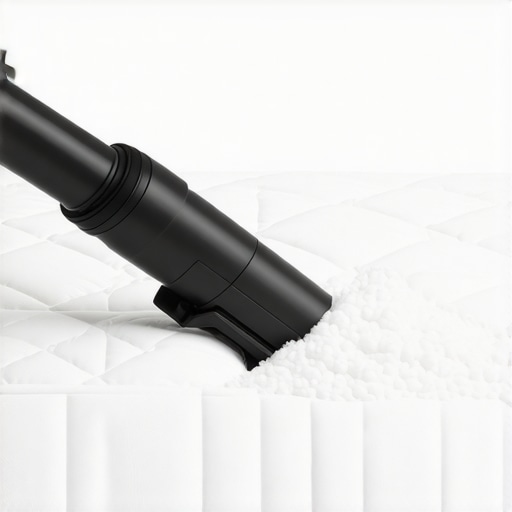
I remember the first time I decided to get truly serious about my bedroom hygiene. I had just picked up a high-end disinfectant spray and was ready to eliminate every germ in sight. I stripped the sheets, aimed, and fired. Within minutes, my mattress didn’t look clean; it looked like a damp, greyish watercolor painting of a disaster. I had essentially turned years of microscopic dust and skin cells into a thin layer of grit that was now trapped deep in the fabric. It was a total rookie mistake, and it’s one I see neighbors and friends making all the time. If you don’t pull the debris out first, you aren’t sanitizing your bed—you’re just making mud.
The Wet Mud Trap You Need to Avoid
When we talk about sanitizing secrets for a safer house in 2025, we often focus on the chemicals or the heat, but the mechanical removal of dirt is the real hero. Think about it: your mattress is a giant filter. Every night, it collects sweat, oils, and an incredible amount of dead skin. According to the American Lung Association, the average person sheds enough skin to feed one million dust mites a day. If you spray a liquid sanitizer directly onto that accumulation, the moisture binds the dust particles together. This creates a barrier that prevents your disinfectant from actually reaching the surface of the fibers where the bacteria live. I learned this the hard way when I realized my ‘clean’ mattress actually smelled worse after I treated it. I’ve since found that following proper upholstery cleaning tips for a fresh home revival starts with a high-HEPA vacuum session to clear the path.
Is This Extra Step Just Overkill?
You might be thinking that a quick spray is enough to kill the bad stuff, but sanitizing is a game of contact. If your disinfectant is sitting on top of a layer of dust, it’s not making contact with the mattress itself. Plus, if you have a vacuum that isn’t up to the task, you might be doing more harm than good; I always tell people to check why your vacuum is blowing dust back into the air before they start, because the last thing you want is to redistribute allergens while you work. By vacuuming first, you’re ensuring that the best way to disinfect a mattress without soaking the foam actually works as intended. Have you ever noticed those weird grey streaks after trying to spot-clean a fabric surface? That’s exactly what we’re trying to prevent here. Today, I’m going to show you how to properly prep that surface so your sanitizing efforts actually stick and keep your sleeping space truly fresh.
Clear the Debris Before You Even Think About Sanitizers
The first rule of mattress hygiene is simple: if you can see dust, you aren’t ready to sanitize. Think of your mattress like a giant sponge. If you apply liquid to a sponge filled with dirt, you just drive that dirt deeper into the core. I start every deep clean by using a high-powered vacuum with a HEPA filter. This isn’t just about the surface; you need to pull the microscopic particles out of the weave. If you skip this, you might find that why your vacuum is actually spreading more dust around becomes a reality in your bedroom. You want to move the vacuum slowly, about one inch per second, to allow the suction to reach the inner layers of the quilting.
Get into the Crevices Where the Mites Hide
Don’t just hit the flat areas. The seams and piping of a mattress are like the gutters of a house; they catch everything. I use the upholstery attachment—the one with the stiff bristles—to agitate the fabric as I go. This is one of the most effective upholstery cleaning tips for a fresh home revival because it breaks the static bond between the dust and the fibers. 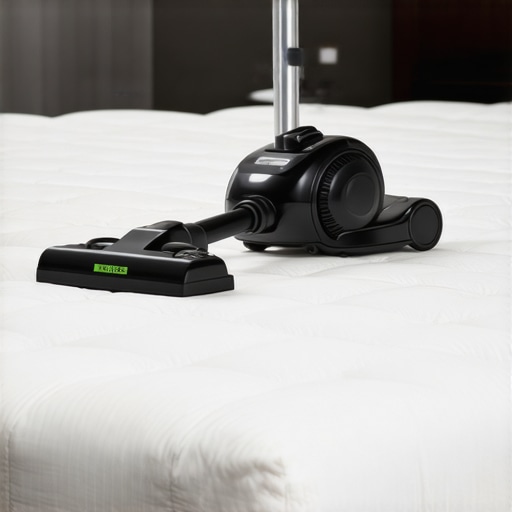
Apply Your Disinfectant Without Drowning the Fabric
Once the surface is mechanically clean, it’s time for the actual sanitization. The biggest mistake people make is thinking that more liquid equals more clean. In reality, saturation is the enemy of foam. If moisture reaches the internal support layers, it can take days to dry, creating a breeding ground for mold. I always advocate for the best way to disinfect a mattress without soaking the foam, which involves a fine-mist sprayer. You want a light veil of disinfectant that stays on the surface for the required ‘dwell time’—usually ten minutes—without sinking through the ticking.
Master the Fine Mist Technique
I remember helping a friend with a move-out cleaning hack to save their security deposit. We got over-ambitious with a steam cleaner and basically turned their mattress into a swamp. It didn’t dry for forty-eight hours, and the smell was so musty the landlord almost charged us for a replacement. Now, I use a professional-grade disinfectant mist and a fan to keep the air moving. This ensures that effective-sanitizing-methods-for-a-germ-free-home actually work by killing pathogens on contact and then evaporating quickly. Always check the labels to ensure the chemicals are safe for fabric; using the wrong spray can break down the fire-retardant properties of the mattress or irritate your skin. If you are preparing a space for a new arrival, check the essential checklist for your first night in a new home to make sure your bed is ready the moment you move in.Picking up where we left off, there’s a major misconception that ‘more is better’ in the cleaning world. Most DIYers think a stronger solution or a longer soak will yield a cleaner result. In reality, I’ve found that effective house cleaning secrets from cleaning experts often involve using less product, not more. If you leave behind a soapy residue, you’re essentially creating a magnet for new dirt. This is a classic ‘oops’ moment that turns a fresh upholstery job into a sticky mess within days. This phenomenon happens because the surfactant molecules are designed to grab dirt; if they aren’t rinsed or extracted, they just sit there waiting to grab the next speck of dust that floats by.
Stop Believing the Instant-Kill Myth
We’ve been conditioned by commercials to think that a quick spray and wipe kills 99.9% of germs. But here’s the contrarian truth: if you don’t let the product sit, you’re basically just giving the bacteria a bath. Microbiologists emphasize the concept of ‘dwell time.’ According to the Environmental Protection Agency (EPA), most disinfectants require anywhere from 3 to 10 minutes of remaining visibly wet on a surface to actually achieve their listed kill rate. If you’re wiping it off immediately to avoid ‘soaking’ the fabric, you aren’t sanitizing; you’re just moving the germs around. This is why sanitizing hacks for safe house transitions are so focused on patience rather than speed.
Why does the chemistry fail when the surface is still dirty?
It comes down to biofilms. These are microscopic ‘fortresses’ that bacteria build to protect themselves. If you have a layer of body oil or dust on your mattress, the sanitizer hits the biofilm and stops. You need a surfactant to break that layer first. I’ve seen people fail their inspections because they tried to sanitize a greasy kitchen or a dusty bedroom without a proper degrease or vacuum first. If you’re worried about your money, check out these move-out cleaning strategies to secure your deposit. By treating the biofilm as a physical barrier, you change your approach from ‘spraying’ to ‘pre-treating.’ 
The Invisible Danger of Cross-Contamination
Another trap is using the same tools across different zones. I once used a cloth I thought was clean on a headboard after finishing a quick bathroom touch-up. Big mistake. You can easily transport coliform bacteria from a damp environment right onto your sleeping surface. Learning how to stop cross-contamination while cleaning the bathroom is just as important for your bedroom hygiene. Always use color-coded microfibers or fresh disposables for every ‘zone’ of the house. Professional-grade hygiene isn’t just about the strength of the chemical; it’s about the integrity of the process. For a deeper dive into maintaining this level of hygiene, refer to the ultimate upholstery care guide for lasting freshness. Have you ever fallen into this trap where you thought you were cleaning but actually made things worse? Let me know in the comments.After years of trial and error, I have narrowed my toolkit down to two non-negotiables: a high-quality HEPA vacuum and a UV-C light wand. Most people think a standard vacuum is fine, but according to research published in the Journal of Allergy and Clinical Immunology, even minute concentrations of dust mite allergens can significantly impact respiratory health, meaning total removal is the only real solution. I personally use a handheld vacuum with a motorized brush roll because it mimics the beating action used for area rugs, loosening skin cells that have worked their way deep into the mattress quilting. If you are serious about your health, you need to implement a daily house cleaning routine to maintain perfection that includes checking your sleeping environment for moisture or odors.
How do I keep my mattress fresh for the long haul?
The secret to longevity isn’t a massive annual scrub; it is the breathe and flip method. Every time you change your sheets, leave the mattress bare for at least four hours near an open window. This allows any residual moisture from your body to evaporate completely before you seal it back up. I have found that using the ultimate upholstery care guide for lasting freshness is the best way to ensure your bedroom furniture does not become a permanent home for bacteria. For those planning a change of address, adding these steps to your move-out clean checklist to simplify your transition will ensure you aren’t carrying old allergens into your next home. 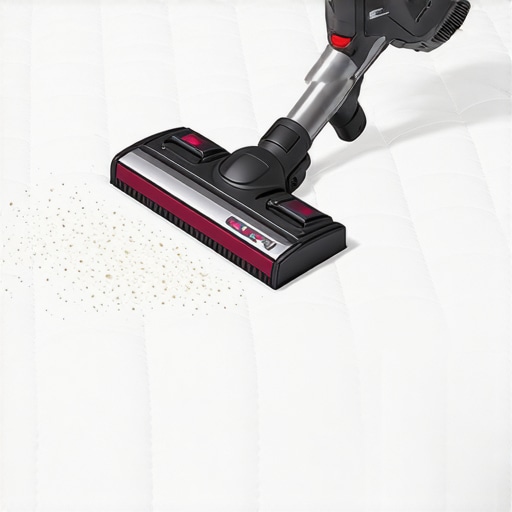
The Future of Sleeping Surface Hygiene
Looking ahead to 2025 and beyond, I expect to see mattresses built with integrated biosensors that alert you when internal humidity levels are high enough to support mold growth. Until that smart technology becomes standard in every household, we have to rely on manual house cleaning strategies for a sparkling home today to keep our families safe. I want you to try this today: strip your bed, open a window, and let the mattress breathe for four hours before you even touch your vacuum. It is the easiest way to reset the moisture balance in your bedroom and prepare the surface for a proper sanitizing session. Staying consistent with these small habits is what separates a clean-looking room from a truly healthy one.
Mistakes That Changed My Cleaning Philosophy
Over the years, I have realized that the smell of bleach or lavender doesn’t always equal a germ-free environment. One of my biggest lightbulb moments was understanding that cleaning is a two-step process: you must remove the physical soil before you can address the microscopic threats. This is one of those effective house cleaning secrets from cleaning experts that many people overlook because they are in a rush. I also learned that patience is a tool in itself; letting a product dwell for those full ten minutes is the difference between sanitizing and simply getting the fabric wet. Finally, I discovered that consistency beats intensity every time—incorporating a daily house cleaning routine to maintain perfection prevents the deep-set grime that makes mattresses so difficult to salvage later on.
Tools I Keep in My Utility Closet
I don’t believe in buying every gadget on the market, but there are a few essentials that have earned their keep. First, a vacuum with a certified HEPA filter is non-negotiable; without it, you are just recirculating allergens into the air. I also rely on high-quality microfiber cloths that I keep color-coded—blue for bedrooms and red for bathrooms—to ensure I am using sanitizing hacks for safe house transitions properly. For those who want the best results, following the ultimate upholstery care guide for lasting freshness will provide the framework for using these tools correctly. I personally trust brands that focus on mechanical filtration over heavy fragrance and chemicals.
Your Path to a Truly Restorative Sleep
Sanitizing your mattress might seem like a daunting chore, but the peace of mind that comes from knowing exactly what you are sleeping on is worth every minute of vacuuming. By removing the debris and respecting the dwell time of your products, you are creating a sanctuary that supports your long-term health. Don’t feel like you have to do everything at once; start by letting your bed breathe today. It is the first step toward effective sanitizing and a more comfortable home environment. Have you ever noticed a significant difference in your sleep quality or allergy symptoms after deep cleaning your bedroom? Let me know in the comments below.