
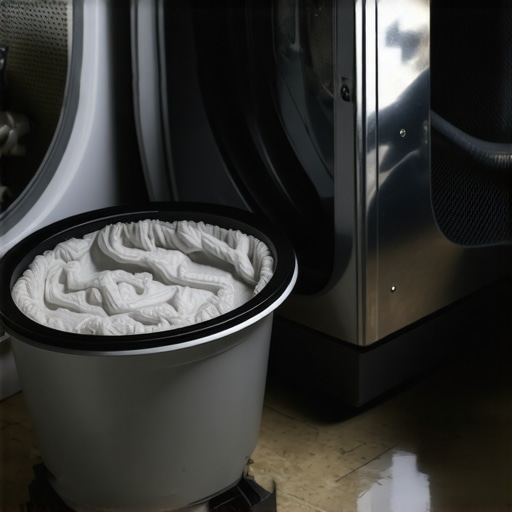
I’ll never forget the sinking feeling in my stomach when my first landlord, a guy who carried a flashlight like he was searching for a fugitive, knelt down in my tiny laundry closet. I had spent hours scrubbing the kitchen, but I completely ignored the one room where we actually clean things. He pulled out the lint trap, ran a finger along the back of the washer, and just shook his head. That five-minute oversight cost me a chunk of my deposit I really needed for my next place. It was a rookie mistake, and honestly, a little embarrassing. We often focus so much on move-out cleaning strategies to secure your deposit in the main living areas that the laundry room becomes an afterthought. But for an inspector, it’s a goldmine for deductions because it’s where hidden grime lives. Today, I’m sharing the hard-earned lessons from my past failures so you don’t leave money on the table. [IMAGE_PLACE_HOLDER]
The Laundry Room is a High-Stakes Inspection Zone
When you’re juggling boxes and trying to figure out the essential checklist for your first night in a new home, the last thing you want to do is pull out the washing machine. I get it. But landlords view the laundry room as a major liability area. It’s not just about aesthetics; it’s about safety and machine longevity. One of my biggest early blunders was thinking a quick wipe of the exterior was enough. I didn’t realize that deep cleaning the interior of a dryer is actually a safety requirement many leases specify. If they see a fire hazard, they see a reason to hire a professional cleaner on your dime. Have you ever felt like you cleaned everything perfectly, only to have an inspector find that one spot you missed?
Does an inspector really look behind the machines?
You might think I’m being paranoid. I used to think so too. However, professional inspectors follow a very specific logic. According to the National Fire Protection Association (NFPA), nearly 16,000 home fires annually involve clothes dryers, usually due to lint buildup. This isn’t just about cleanliness—it’s about risk management. When I missed the buildup in the vent hose at my old rental, it wasn’t just dusty; it was a hazard. Beyond the safety aspect, the moisture in these rooms often leads to mildew that can ruin baseboards. If you haven’t mastered how to get rid of the musty odor in your washing machine, they’ll assume the worst about how you maintained the property. We need to look at these three specific spots with the same intensity an inspector does.
Flush Out the Built-Up Gunk in the Washing Machine
To keep your deposit, you need to treat the washing machine like a high-precision tool, not just a box that holds water. Start by pulling out the detergent drawer entirely. This is usually where ‘detergent concrete’ forms—a hard, slimy crust of old soap and fabric softener that landlords despise. One time, I thought a quick spray would do it, but the inspector actually pulled the drawer out and found a colony of black mold hiding in the ceiling of the housing. Now, I use effective house cleaning secrets from cleaning experts and soak the drawer in hot, soapy water while I tackle the drum. To eliminate the ‘swamp smell,’ run a cycle with specialized cleaner or a cup of white vinegar on the hottest setting. This isn’t just about smell; it’s about effective sanitizing methods for a germ-free home that ensures the next tenant isn’t inheriting your bacteria. Don’t forget to peel back the rubber door seal on front-loaders. Use a microfiber cloth to wipe out the grey sludge that hides in the folds; it’s the number one reason machines fail inspections.
Why the Dryer Lint Trap Is Not Enough
Most people think cleaning the screen is plenty. It’s not. If you want your money back, you have to go deeper. Grab a vacuum attachment and reach down into the lint trap slot. I’ve pulled out enough lint to knit a sweater from machines that looked ‘clean’ on the surface. This is critical because deep cleaning the interior of a dryer is a massive safety check. If the inspector sees charred lint or a clogged vent, they’ll flag it as a fire hazard immediately. While you’re at it, wipe the interior drum with a damp cloth. You’d be surprised how much blue dye from jeans or wax from dryer sheets coats the walls. If you’ve been drying pet blankets, you’ll need to be extra diligent. Much like upholstery cleaning tips for a fresh home revival, getting those fibers out of the metal crevices requires a stiff brush and a bit of patience.
Pull the Machines Out or Prepare to Pay
This is the part everyone hates, but it’s the most important step in your move-out clean checklist to simplify your transition. You must pull the machines at least six inches away from the wall. The space behind the washer and dryer is a graveyard for stray socks, dryer sheets, and thick blankets of dust. It’s very similar to why the space behind the oven costs most renters their deposit—inspectors know we’re too tired to move heavy appliances. 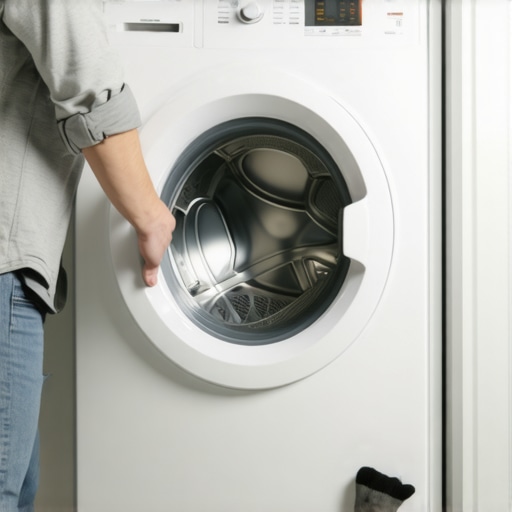 Last year, I found a half-inch of standing water behind my washer because of a slow leak I never noticed. If I hadn’t moved it and cleaned it, that would have warped the baseboards and cost me my entire $1,200 deposit. Use a long-handled duster or a vacuum to clear the floor, then mop the area with a heavy-duty degreaser. While the machines are out, check the dryer vent hose for any tears or excessive buildup. If you notice the floor is stained, don’t panic. You can often use sanitizing hacks for safe house transitions to lift the grime without damaging the linoleum or tile. Finally, wipe down the exterior tops and sides of the machines. These surfaces act like a magnet for airborne lint, creating a fuzzy coating that makes the whole room look neglected. A quick wipe with a damp cloth and a drop of dish soap will make them look brand new in under two minutes.Most people think they can just douse a laundry room in bleach and call it a day. But here’s the contrarian truth: bleach is actually quite poor at cutting through the ‘detergent concrete’ and calcium scales that build up in modern machines. In fact, relying solely on bleach can lead to the ‘oops’ factor of a lifetime—it can degrade the rubber seals on high-efficiency washers, leading to leaks that you won’t notice until the floor is ruined. When I was younger, I thought more chemicals meant more clean. I was wrong. For a truly effective sanitizing method for a germ-free home, you need to understand the difference between removing visible grime and killing pathogens.
Can you actually over-clean your washing machine?
It sounds like a trick question, but using too much of the wrong product is a classic mistake. According to a study published in the Journal of Applied Microbiology, biofilms in domestic washing machines are incredibly resilient and often shield bacteria from standard cleaners. If you’re just pouring in vinegar without scrubbing the physical residue, you’re just making the bacteria a slightly more acidic home. You have to physically break that biofilm. This is why your washing machine smells like a swamp even after a ‘clean’ cycle. You need to use sanitizing secrets for a safer house in 2025 that involve targeted mechanical action, not just liquid magic. 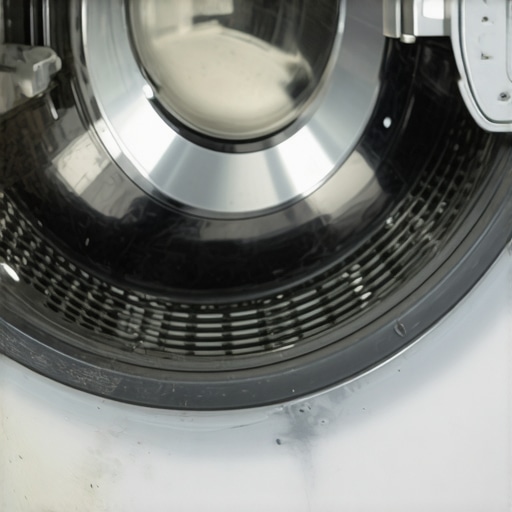 Another trap I’ve seen many renters fall into is the ‘wet mop’ disaster. If your laundry room has laminate flooring, a soaking wet mop is your worst enemy. It’s exactly why your floors feel sticky even after you finished mopping—the moisture gets trapped in the texture and attracts more dust. Worse, it can cause the edges of the laminate to ‘peak’ or swell, which is an automatic deposit deduction. Instead, use a damp—not dripping—microfiber cloth. And if you’re dealing with any fabric bins or curtains in the room, remember upholstery cleaning tips for a fresh home revival and vacuum them first to avoid turning dust into mud. Have you ever accidentally damaged a surface by trying too hard to clean it? Let me know in the comments below, because I’ve definitely been there.I once ruined a high-end laminate floor by using a steam mop I thought was ‘safe,’ so I know the sting of a cleaning fail. Now, I rely on a very specific set of tools that prioritize material safety over brute force. If you are serious about your move-out, you need to ditch the generic ‘all-purpose’ sprays and invest in a few specialized items. For me, the game-changer was a 20-foot flexible dryer vent cleaning kit that attaches to a power drill. It sounds overkill, but when you see the sheer volume of packed-in debris it removes, you’ll understand why the secret to cleaning your dryer vent from the outside is the only way to satisfy a truly picky landlord.
Ditch the Sponge for These Heavy-Duty Essentials
My toolkit now includes a high-quality HEPA-filtered vacuum with a completely sealed system. If your vacuum doesn’t have a sealed gasket, you aren’t cleaning; you are just redistributing allergens. This is especially vital when you are applying move-out cleaning hacks to ensure your deposit refund, as the fine dust from behind a washing machine can settle right back onto your freshly cleaned surfaces. I also swear by a stiff-bristled detail brush set—the kind used by auto detailers. These are far superior to toothbrushes for scrubbing the grime out of window tracks or washing machine seals. According to the Consumer Product Safety Commission (CPSC), failure to clean dryer vents is a leading cause of thousands of house fires annually, which is why landlords are increasingly demanding proof of professional or deep mechanical cleaning. 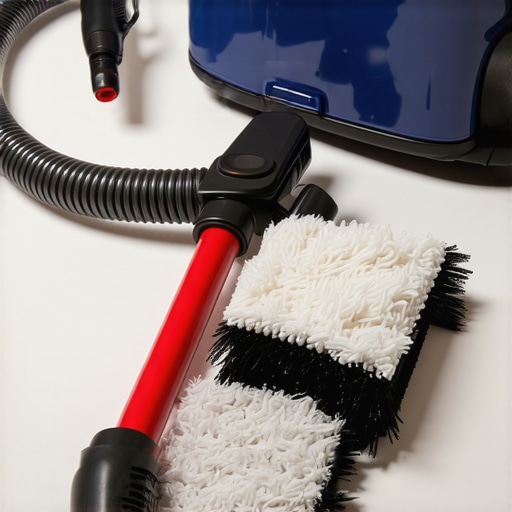
How do I maintain these high-traffic areas over time?
Consistency is the only way to avoid the ‘end-of-lease panic.’ I’ve moved from a ‘cleaning day’ mindset to a daily house cleaning routine to maintain perfection. For laundry rooms, this means leaving the washer door open after every single load to prevent moisture buildup and wiping the dryer lint screen with a vacuum attachment once a week. If you have soft surfaces nearby, following an ultimate upholstery care guide for lasting freshness ensures that lint and odors don’t become embedded in the fabric. I predict that in the very near future, we will see smart appliances with built-in UV-C sanitizing sensors that notify your phone when bacterial biofilms reach a certain threshold. Until then, we have to be the sensors. Using effective sanitizing methods for a germ-free home manually is still the gold standard. Go grab a flexible dryer vent brush today; it is the single most effective way to protect your home and your bank account. Try using a drill-attached brush on your dryer vent this weekend—you will be shocked at what comes out.
Lessons From the Laundry Room Trenches
Reflecting on my past moves, I’ve realized that the laundry room is the ultimate test of a tenant’s attention to detail. First, never underestimate the power of the ‘sniff test.’ Even if a machine looks clean, if it smells like a wet basement, you’re in trouble. I learned the hard way that using how to get rid of the musty odor in your washing machine is a non-negotiable step before the final walk-through. Second, the space behind the dryer is a magnet for more than just lint—I once found a lost passport and fifty dollars back there! Clearing that area is as much about your peace of mind as it is about satisfying a picky landlord.
Third, don’t ignore the walls. Laundry rooms often have high humidity, which can lead to subtle spotting or mildew that looks terrible under an inspector’s flashlight. A quick wipe-down as part of your move-out cleaning hacks to ensure your deposit refund can save you from a ‘repainting’ fee that wipes out your moving budget.
What I Keep in My Professional-Grade Cleaning Bucket
To get the job done right, I recommend focusing on quality over quantity. I personally rely on a drill-attached vent brush; it is the only way to master the secret to cleaning your dryer vent from the outside effectively. I also suggest using a sealed HEPA vacuum. After learning why your vacuum is actually spreading more dust around, I realized that a cheap machine just moves the problem. Finally, keep a set of stiff-bristled detail brushes handy. These are essential for scrubbing out the ‘detergent concrete’ from the washer’s dispenser tray, a spot inspectors always check. [IMAGE_PLACE_HOLDER]
Walking Away With Your Full Refund
Moving is one of life’s most stressful events, but the cleaning portion doesn’t have to be a gamble. When you implement these move-out cleaning strategies to secure your deposit, you are taking a proactive stance to protect your money. You are proving to your landlord that you respected the property, which makes them much more likely to release your funds without a fight. You’ve got this—one scrub at a time.
Have you ever found something truly bizarre behind your washing machine during a move? Tell me your funniest or grossest discovery in the comments below!