
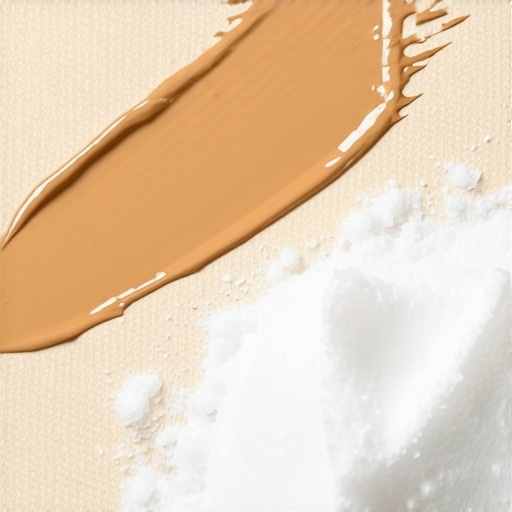
It happened on a Tuesday evening, right as I was rushing to finish my makeup for a long-awaited dinner. I fumbled the bottle, and a dollop of ‘Long-Wear, Full-Coverage’ liquid foundation landed squarely on the arm of my cream-colored armchair. It felt like slow motion. My first instinct? I grabbed a wet cloth and started scrubbing like my life depended on it. Big mistake. I didn’t just spread the pigment; I pushed it deep into the fibers. I thought I’d have to call in a professional or, worse, hide the evidence under a throw blanket forever. But then I remembered a tip an old neighbor gave me about the stuff sitting in my bathroom cabinet.
Stop Panicking Over That Foundation Smear on Your Sofa
Most of us have been there. You’re trying to keep a tidy home, maybe even prepping for a move-out clean to get your deposit back, and then disaster strikes in the form of oil-based makeup. Foundation is designed to stay on skin through sweat and tears, which makes it a nightmare for fabric. I’ve spent years testing different upholstery cleaning tips, and nothing quite matches the weird, wonderful efficacy of plain old shaving cream. It’s not just a myth; it’s about chemistry. According to textile experts at the Good Housekeeping Institute, many shaving creams contain surfactants and salts similar to those in laundry detergents, which helps them break down oils and lift pigments from delicate surfaces. I once made the mistake of thinking using a hairdryer on a wet fabric spill would help speed things up. It didn’t; it just baked the stain into the weave. That’s why we’re going to talk about the right way to lift that pigment today without ruinous heat. Whether you are dealing with a fresh drop or a smudge you found while following your daily house cleaning routine, this trick is a total lifesaver.
Can Shaving Cream Really Outperform Expensive Cleaners?
It sounds too simple to be true, doesn’t it? You’re probably worried about leaving a sticky residue or a weird scent behind on your favorite chair. I was skeptical too, until I realized that many high-end cleaners are just rebranded versions of the same surfactants found in a three-dollar can of Barbasol. If you’ve ever felt the sting of a lost security deposit because of a small blemish, you know how high the stakes are for house cleaning. Have you ever tried a ‘miracle’ hack only for it to leave a bigger ring than the original stain? Tell me about your cleaning horror stories! Before we dive into the step-by-step process, it’s vital to understand how to treat S-coded upholstery fabric properly, because the last thing we want is a permanent water mark.
Master the Lift Without the Scrub
Before you go grabbing every chemical under your sink, understand that removing foundation is more about patience than power. Think of the fabric fibers like a tiny, dense forest. If you pour liquid directly on the canopy, it just runs down to the soil—or in this case, the cushion foam. To keep your furniture in peak condition, you need to follow the ultimate upholstery care guide for lasting freshness by acting fast but moving slow. If you are preparing for a inspection, checking off your move-out clean checklist to simplify your transition usually involves spotting these blemishes before the landlord does.
Pick the White Foam Not the Blue Gel
This is where I learned a hard lesson. A few years ago, I was out of my usual Barbasol and tried using my husband’s fancy blue moisturizing shave gel on a beige velvet stool. I ended up with a mint-green smear that was ten times harder to remove than the original foundation. Always use plain, white, thick shaving foam. The dyes in gels can migrate into the fabric, creating a secondary disaster. Once you have the right foam, apply a dollop the size of a golf ball directly onto the stain. Don’t touch it yet. Let the surfactants do the heavy lifting of breaking down those heavy makeup oils for at least ten minutes. 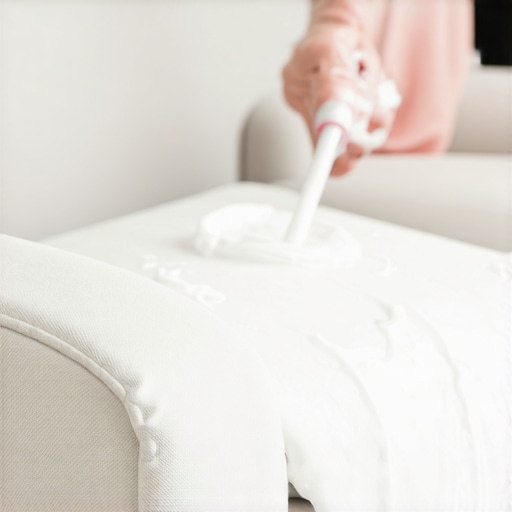
Dab Like You Are Handling Fine China
When the time is up, do not start circular scrubbing. Scrubbing is the enemy of a successful upholstery cleaning revival because it frays the delicate weave of the cloth. Instead, use a clean, white microfiber towel. Press down firmly and lift straight up. You’ll see the beige pigment transfer from the sofa to the towel. It’s incredibly satisfying, like a magic trick happening in your living room. If the stain is particularly stubborn, you can use a soft-bristled toothbrush to very gently agitate the foam in a tapping motion, never a back-and-forth motion. These effective house cleaning secrets from cleaning experts work because they respect the integrity of the material.
Rinse With a Damp Not Soaking Cloth
Once the pigment is gone, you’ll have a bit of soapy residue left behind. Take a second cloth, dampen it with cool water—remember, why you should never use hot water applies to many protein and oil-based stains as it can set the color—and blot the area. Your goal is to ‘rinse’ the fibers without saturating the padding underneath. If you over-wet the spot, you risk creating a watermark ring that looks worse than the makeup did. This precise balance is a staple of house cleaning strategies for a sparkling home today. Finally, let the area air dry naturally. Resist the urge to sit on it or put a cushion back over it until it is bone dry to the touch. This simple, cheap bathroom staple can truly outperform professional cleaners if you just give the chemistry time to work.I’ve seen it a hundred times: homeowners pouring undiluted bleach or heavy disinfectants on a blemish in a panic. Let’s dig deeper into why this ‘nuke it from orbit’ approach usually ends in heartbreak and a forfeited security deposit.
Why Your Sanitizing Routine Might Be Backfiring
Many people assume that ‘clean’ means ‘drenched in disinfectant,’ especially when following sanitizing hacks for safe house transitions. But here is the nuance: you cannot effectively sanitize a surface that is still physically dirty. If there is a layer of foundation, skin oils, or dust on that armchair, your disinfectant is just killing the top layer of microbes while the bacteria underneath continue to thrive. I always tell my friends that move-out cleaning strategies to secure your deposit should always prioritize mechanical removal of soil before any chemical sanitizing begins. If you jump straight to the high-strength chemicals, you’re often just sealing the grime behind a tacky chemical film.
Is Steam Cleaning Actually Setting the Stain Forever?
This is the advanced question I get most often from those trying to be extra thorough before an inspection. We’ve been conditioned to think heat equals hygiene and maximum power. However, when it comes to oil-based makeup or protein-heavy spills, the answer to is steam cleaning enough to kill bacteria on high-touch surfaces comes with a massive warning for your upholstery. If you haven’t fully lifted that pigment with your shaving cream trick first, the steam will ‘cook’ the foundation oils into the fabric fibers. Once that thermal bond occurs, it’s no longer a stain; it’s a permanent part of the weave. 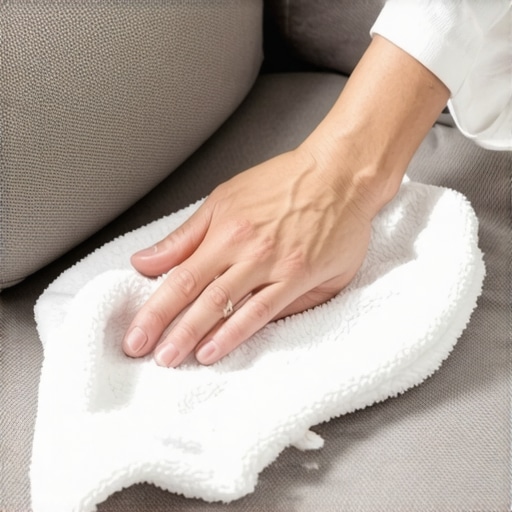
The Residue Trap That Ruins Furniture
The biggest mistake I see both DIYers and even some entry-level pros make is neglecting the final rinse. According to research from the American Cleaning Institute, left-behind detergent or surfactant molecules act like tiny magnets for new dust and airborne oils. This is why that spot you cleaned yesterday often looks grey and dingy again within a week. To avoid this, you have to be meticulous about your daily house cleaning routine to maintain perfection. I once worked with a client who ‘cleaned’ her beige sofa so often with soapy water that the fabric actually felt stiff and crunchy to the touch. We had to use a specialized hot-water extraction method to pull out literal years of soap buildup that was trapping every speck of dust in the room. If you’re worried about your furniture losing its soft hand-feel, checking out effective house cleaning secrets from cleaning experts will show you that ‘less is more’ when it comes to the volume of soap used. Have you ever fallen into this trap where a cleaned spot actually looks worse a week later? Let me know in the comments! It takes a bit more effort to do a proper damp-cloth rinse, but it’s the difference between a temporary fix and a home that stays truly fresh. This level of detail is exactly what separates a standard surface tidy-up from the house cleaning strategies for a sparkling home today that actually protect your investments and your health.
The Gear That Actually Earns Its Spot in My Cabinet
I used to think that a spray bottle of blue liquid and a roll of paper towels was all I needed to be a cleaning pro. I was wrong. After years of tackling stubborn foundation stains and prepping for inspections, I’ve refined my toolkit to just a few high-performance items. My absolute non-negotiable is a genuine horsehair upholstery brush. Unlike plastic bristles, horsehair is soft enough to agitate fibers without causing pilling or tearing, which is vital when you want to restore the texture of a flattened velvet sofa at home. If you are using a standard vacuum, you are likely only getting half the job done. I switched to a vacuum with a certified HEPA filter because I realized that why your vacuum filter might be making your allergies worse isn’t just a marketing ploy; it’s a matter of air quality. According to technical guidelines from the Carpet and Rug Institute (CRI), using a ‘Seal of Approval’ vacuum ensures you aren’t just blowing microscopic dust back into your living room. 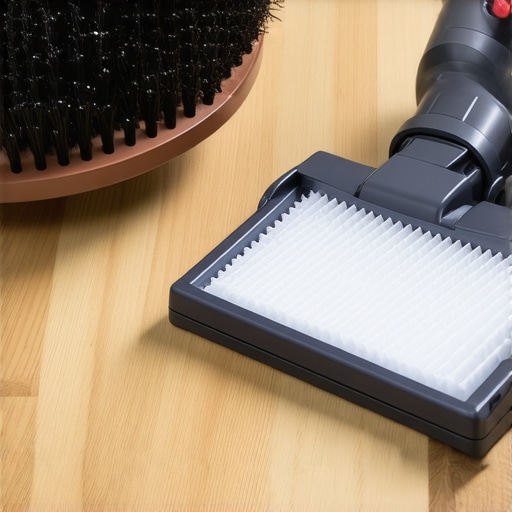
How Do I Maintain Upholstery and Sanitization Levels Over Time?
The secret isn’t doing a massive scrub once a month; it’s the ‘low-moisture’ mindset. For maintenance, I use a slightly damp microfiber cloth (no soap) to wipe down high-touch arms and headrests every single week. This prevents the buildup of body oils that eventually turn into those dark, greasy patches. If you integrate this into your daily house cleaning routine to maintain perfection, you’ll find that you rarely ever need the ‘heavy guns.’ When it comes to the kitchen and bathroom, I’ve moved away from harsh bleaches in favor of stabilized hydrogen peroxide solutions. These are among the sanitizing secrets for a safer house in 2025 because they break down into simple water and oxygen, leaving zero toxic residue for your pets or kids to pick up. Using effective sanitizing methods for a germ-free home means understanding the ‘dwell time’ listed on the bottle—most cleaners need to sit for at least 60 seconds to actually kill bacteria.
The Future of Clean is Sustainable and Smart
Looking ahead, I suspect we are going to see a massive shift toward ‘smart’ fabrics infused with silver ions or other natural antimicrobials that actively repel stains and odors. We are already seeing bio-enzymatic cleaners that continue ‘eating’ grime for days after you apply them. This is a game-changer for anyone working through a move-out clean checklist to simplify your transition, as it reduces the manual labor involved in scrubbing baseboards and floors. If you want to level up your home care, I challenge you to ditch one ‘multipurpose’ chemical this week and try using a dedicated enzyme cleaner on your high-traffic upholstery spots instead. You’ll be shocked at how much easier it is to stay ahead of the mess when you let biology do the work for you. For more professional-level tips, don’t forget to look at these effective house cleaning secrets from cleaning experts.
The Most Expensive Lesson I Learned From a Small Foundation Drop
If there is one thing years of maintaining a busy home has taught me, it is that foundation isn’t just a smudge; it is a chemical challenge. I used to think that rubbing harder was the solution, but I quickly realized that aggression is the enemy of fine fabric. One of the biggest ‘lightbulb moments’ for me was realizing that the oily nature of high-coverage makeup requires a surfactant, not just water. When you are rushing through your daily house cleaning routine to maintain perfection, it is easy to forget that patience is your strongest tool. If I had simply waited ten minutes for the shaving cream to work its magic years ago, I would have saved myself the cost of a professional steam clean. Now, I always tell my friends that the secret to upholstery cleaning tips for a fresh home revival isn’t about how much muscle you use, but how well you understand the material you are working on. Remember, your goal is to lift the pigment, not drive it into the core of the cushion.
What Stays in My Cleaning Cabinet for Every Move
I have tested dozens of gadgets, but only a few truly earn their keep, especially when I am preparing for a move-out clean. First, a dedicated horsehair brush is essential for gently agitating fibers without causing pilling. Second, I never travel without a small bottle of bio-enzymatic cleaner. These solutions are among the sanitizing secrets for a safer house in 2025 because they continue to break down organic matter long after you have finished wiping. I also highly recommend keeping a pack of white microfiber cloths specifically for stains; using colored rags can lead to dye transfer, which is a whole other headache. By following effective house cleaning secrets from cleaning experts, you can build a toolkit that handles everything from foundation smears to coffee spills without the need for toxic chemicals.
#IMAGE_PLACEHOLDER_A#
Give Your Favorite Chair the Care It Deserves
It is incredibly empowering to know that you don’t have to throw away a piece of furniture or hide it under a blanket just because of a makeup mishap. Taking the time to learn these specialized techniques protects your investment and keeps your living space feeling like a sanctuary. Whether you are following an ultimate upholstery care guide for lasting freshness or just doing a quick spot-check before guests arrive, your efforts make a difference. Don’t be afraid to take it slow and trust the process of low-moisture cleaning. Your home is a reflection of your care, and with these tricks, you can keep it looking pristine for years to come. Have you ever accidentally ruined a piece of furniture with a makeup spill, or are you about to try the shaving cream trick for the very first time? Let me know in the comments below! If you have more questions about tricky stains, feel free to visit our contact page to get in touch.