
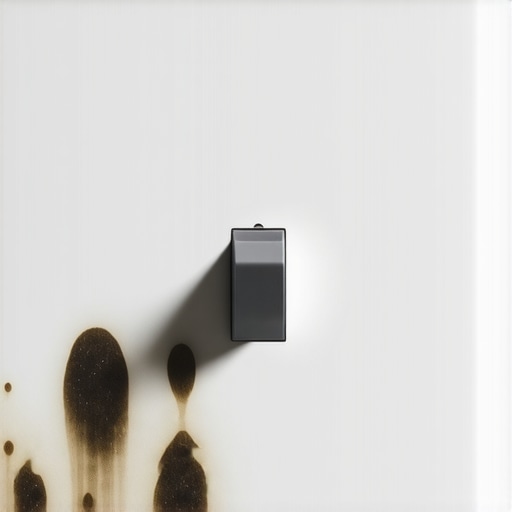
I stood there, staring at that grimy, dull rectangle on the wall, feeling like a total cleaning failure. It was late Sunday afternoon, and I had just finished what I thought was a deep scrub of the living room. I’d even used those upholstery cleaning tips for my favorite armchair. But then the afternoon sun hit the wall at just the right angle, and I saw it: a thick, greyish-brown film of oils and skin cells caked around the light switch. I’d walked past it a thousand times, touched it even more, and yet it had become completely invisible to me. This realization was my lightbulb moment—literally. We spend so much energy on the big stuff, like vacuuming or following a move-out clean checklist, that we ignore the very surfaces our hands touch the most. Today, I’m going to show you why these spots are a breeding ground for bacteria and exactly how to sanitize them without ruining your paint or your electrical system. Have you ever noticed that subtle ‘ring of grime’ around your switches, or am I the only one who missed it for years?
The Shocking Amount of Bacteria Living Under Your Fingertips
I used to think that as long as my hands looked clean, my house was clean. I was wrong. A study conducted by researchers at the University of Arizona found that light switches are among the top germ hotspots in any building, often harboring more bacteria than a toilet seat because they are rarely sanitized. When I first started taking my house cleaning strategies seriously, I made the classic rookie mistake of spraying liquid cleaner directly onto the switch plate. I nearly caused a short circuit and left a nasty streak on the drywall. It was a terrifying moment that taught me a valuable lesson: high-touch surfaces require a delicate, intentional touch. We aren’t just looking to remove the visible smudge; we are looking for effective sanitizing methods that keep our families safe from the seasonal crud that hitches a ride on our palms.
Is sanitizing every single switch really worth your time?
You might be wondering if this is just another chore to add to an already overflowing list. I get it. But consider how many times a day you, your kids, or your guests toggle those lights. If you are working on sanitizing secrets for a safer house in 2025, you cannot skip these tiny bridges of cross-contamination. Neglecting them is how a simple cold moves from one family member to everyone else in forty-eight hours. By the time we finish today, you’ll have a two-minute habit that keeps these fixtures sparkling and germ-free without the fear of damaging your home’s electrical components.
Stop Spraying Your Walls and Start Using This Cloth Trick
I remember my first big clean before a landlord inspection years ago. I was so desperate for move-out cleaning strategies to secure your deposit that I doused a hallway switch with a generic lemon cleaner. The sizzle I heard wasn’t the sound of germs dying—it was the sound of electricity meeting liquid. I froze. After a frantic call to my dad and a few hours of letting it dry, I realized that sanitizing isn’t about volume; it’s about the delivery system. You need a dedicated microfiber cloth, not a sponge—and definitely not a generic one, as you probably already know why your cleaning sponge is the dirtiest object in your house. Microfiber acts like a magnet for those microscopic oils. Dampen just a corner of the cloth with a 70% isopropyl alcohol solution or a mild disinfectant. It should be damp to the touch, not dripping on the floor. 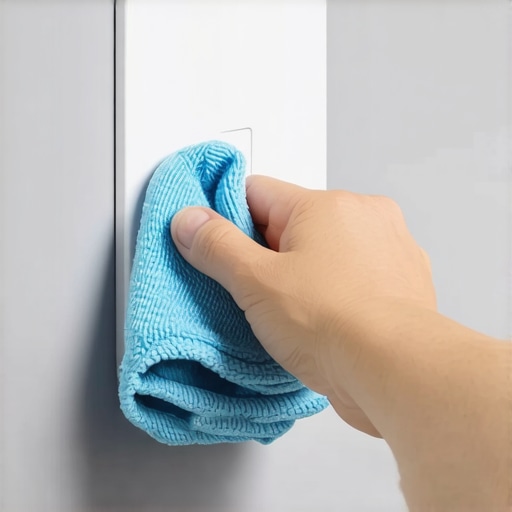
How to Scrub the Grooves Without Killing the Power
Once your cloth is prepped, wrap it tightly around your index finger. This is your precision tool. Start with the actual toggle or button—the part that gets the most direct contact. Use a firm, circular motion. If you have those modern flat rocker switches, treat them with the same care you’d use for the best way to sanitize your phone without ruining the screen. The goal is to lift the oils, not push them into the internal mechanism. I’ve seen people try to use steam, but you have to ask: is steam cleaning enough to kill bacteria on high-touch surfaces without risking a short circuit? Usually, the answer is no for electronics. Stick to the damp cloth method for safety.
The Secret to Dissolving That Grey Ring of Grime
The ring around the plate is usually a mix of dead skin and household dust. To clear this, use the clean, dry side of your microfiber cloth to buff the area after your damp pass. This friction helps lift the stubborn residue that the liquid loosened. If the grime is particularly thick—maybe you’re tackling a neglected guest room—you can use effective house cleaning secrets from cleaning experts like using a dry soft-bristled toothbrush to gently flick dust out of the tiny crevice where the plate meets the wall. This prevents that muddy look that happens when wet cleaner mixes with thick dust.
Make This a Part of Your Natural Flow
You don’t need a special switch cleaning day. Instead, integrate this into your daily house cleaning routine to maintain perfection. Every time you do a quick wipe of the kitchen counters, take that cloth and hit the two or three switches you pass on your way to the laundry room. It takes exactly four seconds per switch. By doing this regularly, you prevent the bio-film from ever hardening, which means you’ll never have to do a deep scrub again. Think of it like brushing your teeth; a little bit of maintenance every day saves you from a painful overhaul later. Focus on the high-traffic areas first: the bathroom, the kitchen, and the front door. These are the international airports of your home’s germ geography.
The Dangerous Myth of the All-Purpose Spray
Most homeowners assume that if a bottle says multi-surface, it is safe for the light switches, the walls, and the armchair nearby. It is not. In fact, one of the biggest mistakes I see is the spray and pray method. You spray a surface, wipe it immediately, and assume it is germ-free. But did you know that most EPA-registered disinfectants require a dwell time of up to ten minutes to actually kill pathogens? If you are just wiping it off, you are just moving the dirt around. This is a crucial distinction when you are looking into sanitizing secrets for a safer house in 2025. You are not just cleaning for aesthetics; you are cleaning for health, and that requires patience. According to a report by the Cleaning Industry Research Institute, cleaning and sanitizing are two distinct mechanical processes that people often conflate, leading to clean-looking surfaces that are still biologically contaminated.
Why does your fabric sofa still feel tacky after a deep clean?
I have had readers ask me this constantly. Usually, it is because of surfactant buildup. When you use too much soap or a store-bought foam, and you do not fully extract it, the residue acts like a magnet for new dust. This is especially true if you are following basic upholstery cleaning tips but ignoring the specific fabric codes. If your couch has an S tag, water will literally ruin it, leaving permanent rings that look worse than the original stain. You absolutely have to know how to treat s-coded upholstery fabric without ruining it before you even think about touching it with a damp cloth.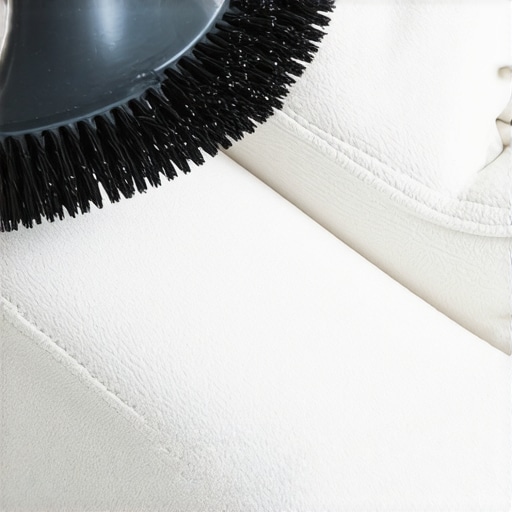
The Move-Out Trap That Costs People Their Deposits
When it comes to the end of a lease, people focus on the floors and windows, but they forget the tactile areas. Landlords are not just looking for dust; they are looking for signs of neglect, like that sticky film on top of the kitchen cabinets or the grime on the baseboards. I once lost fifty dollars of my deposit because I did not realize why you should always dust your walls before a move out clean. If you wipe a dirty wall with a wet rag, you just create a muddy streak that requires a full repaint. It is a classic oops moment that is easily avoided with a dry microfiber pass first. Whether you are following a move-out clean checklist to simplify your transition or just doing a seasonal refresh, the sequence of your actions matters more than the strength of your chemicals.
Stop Treating Your Furniture Like Your Countertops
We tend to be aggressive with stains, but friction is the enemy of delicate fibers. If you have a velvet or suede piece, scrubbing actually breaks the nap of the fabric, making it look permanently bald or matted. Instead of scrubbing, you should be blotting and then using a soft brush to groom the fabric back into place. I have learned the hard way that why your fabric sofa still smells after using store bought deodorizers is often because the liquid has seeped into the foam, where it rots from the inside out. Real effective house cleaning secrets from cleaning experts always emphasize dry-soil removal before any liquids are introduced. Have you ever fallen into this trap and ended up with a bigger mess than you started with? Let me know in the comments!
Why I Finally Tossed My Cheap Vacuum Out the Front Door
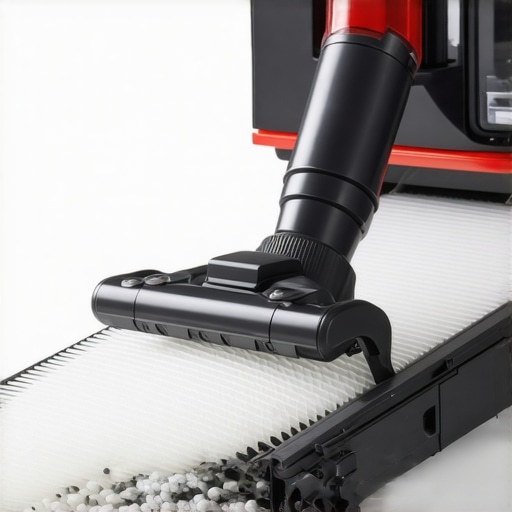
I used to think a vacuum was just a vacuum until I realized that my budget model was basically a dust-redistribution machine. If you’ve ever noticed a ‘dusty’ smell while cleaning, it’s a red flag. I learned that why your vacuum filter is actually spreading dust around your home is usually due to a lack of a sealed HEPA system. Now, I only use vacuums certified by the IICRC (Institute of Inspection, Cleaning and Restoration Certification) standards, specifically those that meet the S300 criteria for upholstery care. High-efficiency filtration is non-negotiable for me because it captures 99.97% of particles as small as 0.3 microns. If you are serious about ultimate upholstery care guide for lasting freshness, you have to stop thinking about what you can see and start thinking about the microscopic debris that settles deep into the foam and fibers.
How do I maintain a sanitized home over the long haul?
The secret isn’t a massive weekend overhaul; it is a series of ‘micro-interventions.’ I’ve integrated a daily house cleaning routine to maintain perfection that focuses on high-impact zones. For example, every Tuesday, I use a UV-C wand on my light switches and remotes. While it sounds high-tech, it’s a thirty-second task that kills pathogens without any chemicals. This is especially useful during sanitizing hacks for safe house transitions when you want to ensure no ‘biological footprint’ remains from the previous occupants. I also keep a stash of specialized ‘S-code’ cleaners in my laundry room specifically for my couch, so I never have to panic when a spill happens.
Stop Guessing and Start Investing in Quality Microfiber
I used to buy those giant packs of yellow rags from the hardware store, but they were essentially just moving the grease around. I switched to high-denier microfiber cloths that are split specifically for hospital-grade cleaning. These aren’t your average rags; the fibers are so fine they actually hook and lift the bacteria off the surface. If you are working through the move out checklist for people who want their full deposit back, these cloths are your best friend for removing those stubborn scuffs and oils on door frames and baseboards without needing harsh abrasives. The difference in the ‘reflectivity’ of your home after using the right tools is staggering.
The Future of Home Sanitization is Smarter and Faster
I predict that in the next few years, we are going to see a massive shift toward electrostatic sprayers and integrated UV-C lighting in high-touch residential areas. We are already seeing this in hospitals, and the technology is trickling down to home use. We are moving away from the ‘douse everything in bleach’ era and into a phase where we use targeted, science-based methods to keep our environments safe. If you want to get ahead of the curve, I challenge you to try one thing today: swap your generic cleaning spray for a 70% isopropyl alcohol solution on your high-touch surfaces and see how much less ‘tacky’ they feel. Your home shouldn’t just look clean; it should feel biologically reset. If you have questions about specific tools I use for those deep-seated stains, don’t hesitate to contact us or check out my latest gear reviews.
Real Truths About Your Home’s High-Touch Zones
After years of obsessing over every square inch of my living space, I’ve realized that the most dangerous germs are the ones we’ve become ‘blind’ to. My biggest lightbulb moment was understanding the ‘dry-first’ rule: if you don’t remove the dust before you apply a liquid sanitizer, you’re essentially just creating a thin layer of mud. This is exactly why you should always dust your walls before a move out clean, especially around those oily switch plates. I also learned that patience is a cleaning virtue. Most of us wipe away disinfectant the second it hits the surface, but for true sanitizing secrets for a safer house in 2025, you must let the solution sit. If the bottle says five minutes, give it five minutes. This small shift in your daily house cleaning routine to maintain perfection will do more for your family’s health than a dozen deep cleans ever could.
Gear That Actually Earned Its Spot in My Closet
#IMAGE_PLACEHOLDER_E#
You don’t need an industrial warehouse full of chemicals to keep a home safe. Over time, I’ve whittled my sanitizing kit down to four essentials that never fail me. First, professional-grade split microfiber—it’s the only thing that truly lifts pathogens rather than smearing them. Second, 70% isopropyl alcohol; it evaporates quickly and is perfect for electronics if you follow the 4 minute trick for sanitizing your tv remote safely. Third, a simple soft-bristled toothbrush—I use the toothbrush trick for removing pet dander from baseboard crevices and the tiny gaps in rocker switches. Finally, a vacuum with a sealed HEPA filter is non-negotiable to prevent redistribution of the very dust you’re trying to eliminate.
Your Path to a Pristine Sanctuary
Cleaning shouldn’t feel like a never-ending battle against the invisible; it should be a rewarding way to reclaim your environment and peace of mind. By shifting your focus toward these high-impact, high-touch areas, you’re not just scrubbing a house—you’re curating a safer space for the people you love. Start small today by hitting the three most-used switches in your home with a damp cloth. You’ll be surprised at how much lighter the air feels when the hidden grime is gone. If you’re feeling overwhelmed by a bigger project, explore more house cleaning strategies for a sparkling home today or reach out to us for expert advice. Which high-touch spot in your house has been hiding the most grime lately? Let’s swap horror stories in the comments!