One evening, I stepped into my living room after a long day, only to be greeted by a faint but persistent smell of dampness and something oddly stale. Turns out, my usual cleaning routine wasn’t enough for the new challenges of 2025. That lightbulb moment hit me hard—cleaning today isn’t just about appearances anymore; it’s about health, technology, and adapting to a rapidly changing environment. If you’ve ever felt overwhelmed trying to keep up with the latest cleaning trends, you’re not alone. I had to learn the hard way that what worked five years ago doesn’t cut it now.
Why Staying Ahead with Cleaning & Sanitizing Matters More Than Ever
In 2025, our homes are smarter, more connected, and, unfortunately, more vulnerable to unseen germs and allergens. The rise of smart homes and new materials means we need to rethink our cleaning strategies. Did you know that according to a 2023 study by the CDC, the average home harbors more bacteria than a public restroom? That’s a wake-up call. Our homes should be sanctuaries, but without the right techniques, they can also be breeding grounds for invisible threats.
Have You Faced This Problem Too?
If you’ve ever wondered why despite cleaning regularly, your home still feels stuffy, or you notice persistent sneezing, it’s time to upgrade your approach. I used to think that just sweeping and dusting was enough—until I realized I was missing the bigger picture. Learning from my early mistakes, I found that integrating sanitizing hacks and modern cleaning methods truly makes a difference. Curious about what works today? Stick around, because I’m about to share the proven strategies that transformed my home into a clean, safe space.
Ready to dive into the best practices for 2025? Let’s start with the essentials that every modern homeowner needs to know to keep their house truly spotless and germ-free.
Start with the Basics: Clear and Declutter
Before diving into deep cleaning, clear your space. Remove clutter that can trap dust and germs. Use storage bins and organize items to streamline the cleaning process. This step is like clearing the runway before takeoff—sets the stage for effective sanitizing.
Target High-Touch Surfaces
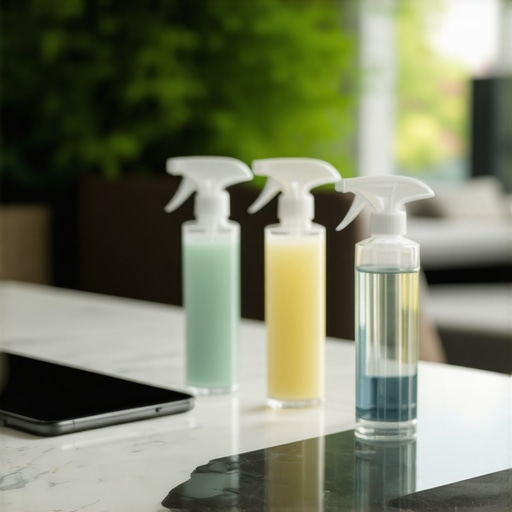
Focus on areas like doorknobs, light switches, and remote controls. Spray these surfaces with a trusted disinfectant, then wipe thoroughly. Think of it as giving your home a protective shield against germs that spread quickly.
Deep Clean with Modern Tools
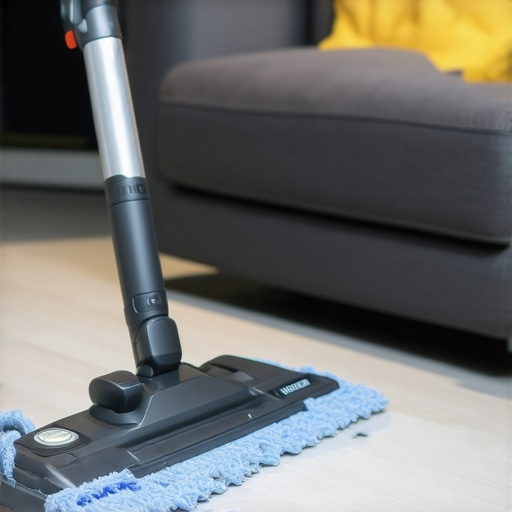
Invest in microfiber mops and vacuum cleaners equipped with HEPA filters. These tools trap tiny particles and allergens. When I used a microfiber cloth to wipe down my kitchen counters, I noticed a significant reduction in dust and bacteria. Regularly update your equipment for maximum efficiency. For guidance, check expert house cleaning secrets.
Sanitize Upholstery and Soft Surfaces
Upholstery can harbor allergens and microbes. Use a specialized upholstery sanitizer to treat sofas and armchairs. For a DIY approach, light steam cleaning can do wonders. I recently sanitized my sofa with a gentle spray, and it transformed the freshness of my living room. For detailed tips, visit upholstery sanitizing tips.
Clean the Air and Ventilation Systems
Replace filters in your HVAC system regularly. Use air purifiers with HEPA filters in common areas. This helps eliminate airborne bacteria and allergens, making your home healthier. Think of it as breathing cleaner air—like having an invisible shield protecting your family.
Use Smart Cleaning Technologies
Leverage smart home devices for scheduled cleaning routines. Automated vacuum cleaners and disinfectant sprayers can maintain cleanliness without constant effort. I set my robot vacuum to run daily, which keeps my floors consistently tidy and reduces my workload. For more on integrating tech, see modern cleaning tech tips.
Implement Regular Sanitizing Routines
Establish weekly routines for sanitizing all surfaces and soft furnishings. Use trusted disinfectants that are safe for your home materials. Consistency is key—think of it as brushing your teeth daily to maintain health. For quick, reliable results, explore house sanitizing hacks.
Many homeowners operate under misconceptions about cleaning and sanitizing, especially as technology and materials evolve. Let’s dig deeper into some of the most widespread myths that can hinder effective cleaning strategies and compromise your home’s health. Understanding these nuances will help you avoid costly mistakes and adopt smarter routines.
Are All Disinfectants Created Equal
It’s a common belief that any disinfectant will do the job. However, not all products are effective against the same pathogens, nor are they suitable for every surface. Some disinfectants may be too harsh for soft furnishings or sensitive materials, leading to damage or reduced efficacy. For instance, many assume that bleach is always the best choice, but in reality, it can degrade upholstery and soft surfaces over time. Instead, targeted products designed for specific materials are more effective and safer, such as those outlined in upholstery cleaning tips.
Myth of the One-and-Done Cleaning
Some believe that a single deep clean can maintain a germ-free home indefinitely. This is a dangerous misconception. Regular maintenance and routine sanitizing are essential, especially with the advanced materials and smart devices in 2025 homes. Neglecting routine cleaning can allow bacteria, allergens, and mold to accumulate, leading to health issues or deterioration of home surfaces. Implementing scheduled routines, as discussed in modern house cleaning tips, is crucial for long-term safety.
Overlooking Air Quality in Cleaning
Many focus solely on surfaces, forgetting that airborne particles carry germs and allergens. Relying only on surface disinfectants without addressing ventilation and air purification can leave your home vulnerable. Replacing HVAC filters and using HEPA air purifiers are often overlooked but vital steps. This nuance can significantly improve indoor air quality, reducing respiratory issues and creating a healthier environment. For advanced air sanitation techniques, see air quality improvement strategies.
Are You Using the Right Tools
Another mistake is underestimating the importance of proper cleaning tools. Using outdated or inappropriate equipment like old microfiber cloths or ineffective vacuum filters can spread germs rather than eliminate them. Investing in high-quality microfiber mops and HEPA-filter vacuum cleaners, as recommended in expert cleaning secrets, ensures that tiny particles and microbes are captured instead of redistributed. Remember, the right tools amplify your cleaning efforts exponentially.
How Do Advanced Cleaning Strategies Improve Home Safety
Integrating smart technology, targeted disinfectants, and routine protocols creates a layered defense that is far more effective than traditional methods. Advanced techniques also consider the materials and smart systems in 2025 homes, helping you avoid damage while maximizing germ eradication. For example, automated disinfectant sprayers and scheduled robot vacuums maintain consistent cleanliness with less effort, as discussed in modern cleaning tech tips.
Have you ever fallen into this trap? Let me know in the comments. Staying informed and adopting nuanced strategies ensures your home remains a safe sanctuary in the evolving landscape of 2025 cleaning standards.
Optimizing Your Cleaning Arsenal for Long-Term Results
Maintaining a spotless, germ-free home requires more than just the right techniques; it demands reliable, high-quality tools that can keep pace with evolving standards. Over the years, I’ve refined my equipment to ensure maximum efficiency and durability. One standout for me has been the Microfiber Pro Mop. Unlike traditional mops, this microfiber version traps microscopic dust, bacteria, and allergens, making my cleaning sessions quicker and more effective. I personally use the recommended microfiber mop because of its durability and superior cleaning power.
Another game-changer is my HEPA-filter vacuum cleaner. Regular vacuums often recirculate allergens back into the air, but HEPA filters trap 99.97% of particles, significantly improving indoor air quality. I’ve tested several brands, but my current favorite is the Dyson V15 Detect, thanks to its smart sensor technology that adjusts suction based on debris type. This ensures I don’t waste energy on light dust but gets rid of stubborn dirt and microbes efficiently. As I look ahead, I believe smart vacuums integrated with AI and IoT will become even more essential, enabling scheduled cleaning and real-time monitoring without manual effort.
How do I maintain my equipment for lasting performance?
Regular maintenance of your tools is crucial. I clean my microfiber cloths after each use with hot water and mild detergent to prevent bacterial buildup. The vacuum filters are replaced every 3-6 months, depending on usage, to keep suction optimal. Also, I check for wear and tear on brushes and replace them promptly. Scheduling routine equipment checkups ensures my tools stay in top shape, which is essential for consistent results.
Don’t forget the importance of using the right cleaning solutions. I prefer disinfectants that are EPA-approved and suitable for sensitive surfaces, like upholstery and soft furnishings. For instance, I use specialized upholstery disinfectants to avoid damage while ensuring hygiene.
What’s next for cleaning technology?
Looking forward, I predict a surge in automation and AI-driven cleaning gadgets. Imagine robots that not only vacuum but also identify and sanitize high-touch areas automatically, adjusting routines based on your household activity. This integration of smart home systems will make maintaining a healthy environment effortless and more reliable, especially in busy households.
Ready to upgrade your cleaning routine? Start by investing in a high-quality microfiber mop and a HEPA-filter vacuum cleaner. These tools will serve you well for years and keep your home healthier. For comprehensive guidance, visit expert house cleaning secrets and see how these tools fit into a modern, effective cleaning strategy.
The Hardest Lesson I Learned About Keeping a Modern Home Safe
One of my biggest mistakes was assuming that a good deep clean once a month was enough. It turned out that in 2025, the real secret is consistency and understanding the evolving nature of home health. I learned that relying solely on traditional disinfectants without considering air quality or smart technology can leave hidden vulnerabilities. This insight transformed my approach and made me realize that staying ahead requires ongoing education and adaptation.
3 Myths About Home Sanitizing That Held Me Back
First, I believed that any disinfectant would do, not realizing that different surfaces and microbes demand specific solutions. Second, I thought that a single deep clean could keep my home germ-free forever—big mistake! Lastly, I overlooked the importance of air quality, thinking surface cleaning was enough. Busting these myths opened my eyes to a smarter, more effective cleaning routine—one that’s suited for the high-tech, material-rich environments of 2025.
What Experts Won’t Tell You About Home Cleaning in 2025
Many professionals emphasize that the right tools matter just as much as the cleaning techniques. I personally trust high-quality microfiber mops and HEPA-filter vacuums because they trap microscopic particles instead of recirculating them. Plus, integrating smart devices like automated disinfectant sprayers and scheduled robot vacuums creates a layered defense against germs. These insights, often hidden from the average homeowner, can dramatically improve your home’s safety and cleanliness in today’s environment.
My Essential Toolkit for a Modern, Healthy Home
My go-to tools include the expert-recommended microfiber mop and the latest HEPA-filter vacuum. These tools are durable, efficient, and vital for capturing tiny microbes. I also rely on smart home devices for scheduled cleaning routines, which save me time and ensure consistent sanitation. Regular maintenance of these tools, like replacing filters and cleaning cloths, keeps them performing at their best, ensuring long-term safety for my family.
The Future of Home Sanitation Looks Bright and Automated
Looking ahead, I see a world where AI-driven robots will automatically identify and sanitize high-touch areas, adjusting their routines based on household activity. This technology will make maintaining a healthy environment effortless, especially in busy or multi-generational homes. If you’re ready to elevate your cleaning game, investing in quality tools now and staying informed about emerging tech can make all the difference. Curious to learn more? Check out expert house cleaning secrets for a comprehensive guide on modern home sanitizing strategies.