
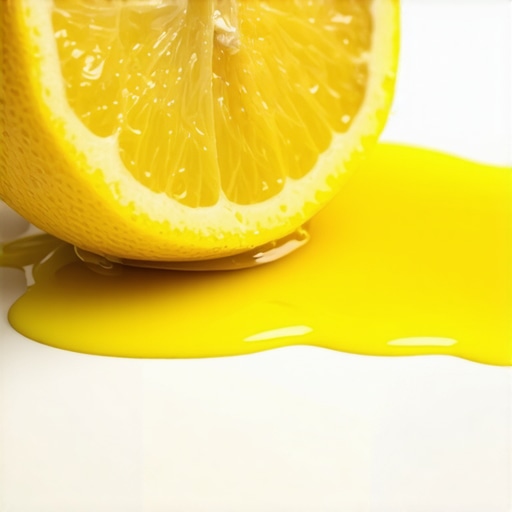
I remember standing on a rickety chair last summer, squinting through a haze of bleach fumes while trying to tackle the sticky, yellow film on top of my kitchen cabinets. It was a mess. My eyes were watering, my hands were raw despite the thick rubber gloves, and worst of all? The grease wasn’t even moving; it was just becoming a smeary, chemical-scented sludge. I’d always assumed that if a cleaner didn’t smell like a hospital hallway, it wasn’t working. Boy, was I wrong. That afternoon, I accidentally discovered that a leftover lemon wedge from my iced tea did more work in thirty seconds than five minutes of scrubbing with bleach ever could. I’m here to share exactly how you can ditch the harsh fumes and get a better shine using simple citrus.
Stop Fuming Over Bleach and Grab a Lemon
It sounds almost too simple to be true, but after years of experimenting with house cleaning strategies for a sparkling home today, I’ve officially retired the bleach bottle for kitchen grease. Bleach is a fantastic disinfectant, but it is actually quite poor at breaking down lipids—the fats that make up that stubborn kitchen grime. Lemons, on the other hand, are packed with d-limonene and citric acid. According to a study published by the National Center for Biotechnology Information, citric acid is highly effective at dissolving organic matter and hard water deposits without the corrosive risks of high-pH cleaners. I learned this the hard way after I accidentally removed the finish on my cabinets by over-applying harsh chemicals early in my DIY journey.
Is Citric Acid Really Strong Enough for Heavy Grease?
You might be thinking, ‘Sure, it smells nice, but can a piece of fruit really handle the baked-on gunk behind my stove?’ I had the same skepticism. For a long time, I reached for the heavy-duty stuff, especially when prepping for a move-out clean checklist where every surface has to be perfect. But the truth is, the high acidity of lemon juice acts as a natural solvent. It penetrates the molecular bonds of the grease, lifting it away so you can wipe it off with a simple cloth. Plus, it’s much safer for your lungs and your surfaces. Have you ever felt lightheaded or developed a headache after a deep-cleaning session in a small kitchen? That’s your body telling you there’s a better way. I’ve even started using these citrus tricks for upholstery cleaning tips when a stray piece of food hits the sofa. It’s about working smarter, not harder. We’re going to dive into the exact methods to get your kitchen gleaming without the chemical headache, ensuring you can get your full security deposit back or just enjoy a home that smells like a citrus grove instead of a laboratory.
Soften the Gunk with a Citrus Steam Bath
Before you ever pick up a sponge, you need to loosen the molecular grip that old grease has on your surfaces. Think of it like a sauna for your cabinets. When oil sits near a stove, it undergoes a process called polymerization, effectively turning into a plastic-like varnish that defies most sprays. To combat this, I take a large microwave-safe bowl, fill it with water and two halved lemons, and nuked it for five minutes. The key is to leave the door closed for another ten minutes after the timer dings. The lemon-infused steam penetrates the layers of grime, making it much easier to wipe away. This is one of those effective house cleaning secrets from cleaning experts that saves your elbows from hours of unnecessary strain. Once the surfaces are damp and the grease is tacky, it’s time to move to the physical removal.
The Salt and Lemon Power Scrub
For the really stubborn areas—like the hood vent or the backsplash—you need an abrasive that is tough on oil but gentle on paint. I remember a specific move-out where I found a literal centimeter of sludge on the cabinet molding. I panicked and reached for a metal scraper, nearly ruining the wood. Instead, I grabbed a lemon half and dipped the cut side directly into a pile of coarse kosher salt. The salt acts like a biological sandpaper, while the citric acid acts as the lubricant and solvent. As you scrub in small circles, the salt breaks the physical bond of the grease, and the lemon juice dissolves the sticky residue. This technique is remarkably similar to how to sanitize your cutting boards using salt and lemon, proving that your pantry is often better stocked than your cleaning closet.
Why Every Renter Needs a Lemon in Their Cleaning Caddy
If you are prepping for a final inspection, focus on the areas landlords check with a flashlight. I once lost forty dollars of my deposit because of a sticky residue on the door frames that I hadn’t even noticed. Using a simple citrus spray—made by steeping lemon peels in white vinegar for two weeks—is the most reliable way to handle move-out cleaning hacks that ensure your deposit refund. This mixture is a powerhouse for horizontal surfaces where dust settles into grease. I specifically use it to remove the sticky film on top of the kitchen fridge, a spot that is notoriously difficult to get bone-dry and clean. Unlike soap, which can leave a film that actually attracts more dust, the citric acid evaporates cleanly, leaving a high-shine finish that feels smooth to the touch. This approach isn’t just about aesthetics; it’s about sanitizing hacks for safe house transitions. You want to know that the previous tenant’s cooking oil isn’t the foundation of your new kitchen.
Treat Your Finished Wood with Care
While lemon is powerful, you must be careful with the concentration on unsealed or antique wood. I learned this when I tried to use straight lemon juice on an old oak table and noticed the wood looking ‘thirsty’ and pale the next day. The acid is so effective at stripping oil that it can strip the natural oils from the wood itself. To prevent this, always follow a heavy citrus scrub with a quick wipe of a damp microfiber cloth to neutralize the pH. If you are worried about the integrity of your cabinetry, checking how to get grease off kitchen cabinets without removing the finish will give you the peace of mind needed before you go all-in with the citrus. By balancing the acidity with proper rinsing, you get the benefit of a laboratory-grade degreaser with the safety of a fruit basket.Most people think that if a little soap is good, a lot of soap must be better. In my years of refining a daily house cleaning routine to maintain perfection, I’ve found the opposite is true. Excess soap is a magnet for dust. When you use too much detergent, it leaves behind a microscopic, tacky film that professional cleaners call “biofilm.” This is exactly why how to get rid of the sticky film on top of kitchen cabinets becomes a recurring nightmare; you aren’t just fighting grease, you’re fighting your own cleaning product residue. Have you ever fallen into this trap where your surfaces feel “grabby” only a day after scrubbing? Let me know in the comments.
The Soap Trap That’s Making Your Home Dirtier
This phenomenon is why your floors might look dull despite frequent mopping. According to the expert cleaning resource CleanLink, over-using surfactants leads to rapid re-soiling because the residue remains active, trapping every particle of skin cell or pet dander that floats by. It’s a common hurdle when executing move-out cleaning strategies to secure your deposit. You think you’re being thorough, but you’re actually setting up a sticky trap for the landlord’s inspection.
Heat is the Enemy of a Fresh Sofa
Another “expert” trap involves temperature. Many people believe that heat automatically equals sanitation. While that’s true for some bacteria, it’s a disaster for most stains. If you’ve been following my upholstery cleaning tips for a fresh home revival, you know that fabric is temperamental. The “Oops” factor here is huge: if you spill a protein-based substance—like milk or blood—and reach for the hot water or a hairdryer, you are effectively “cooking” the stain into the fibers. This is why you should never use hairdryers on wet fabric spills. Instead, you need the cold water secret for removing blood stains from linen to keep the proteins from bonding permanently.
How Do You Balance the pH of Your Surfaces After a Deep Scrub?
This is the advanced question most homeowners never ask. If you use a heavy alkaline degreaser or a high-acid lemon scrub, the surface remains chemically “active.” Professional-grade effective sanitizing methods for a germ-free home always include a final neutralization step. If you don’t neutralize the cleaner, the finish on your wood or the sealant on your stone will degrade over time. It’s one of the most overlooked sanitizing secrets for a safer house in 2025. Before you finish, especially if you always dust your walls before a move-out clean, wipe everything down with a plain, damp microfiber cloth. This simple step resets the pH and prevents the chemical “burn” that ruins a home’s natural luster.Once you have mastered the pH balance of your surfaces, the real challenge is keeping them that way without spending every Saturday morning with a lemon in hand. I used to think cleaning was a series of massive battles, but it is actually a war of attrition. To win, you need to stop the sticky film before it even has a chance to bond. I have found that incorporating a daily house cleaning routine to maintain perfection is less about the time spent and more about the tools you keep within arm’s reach. For instance, I no longer use standard rags. I switched entirely to split microfiber with a minimum of 300 GSM (grams per square meter). According to a study published in the journal Infection Control and Hospital Epidemiology, high-quality split microfiber is so effective at trapping microscopic particles that it can remove 99% of bacteria using nothing but water. This is a game-changer for those of us focusing on effective sanitizing methods for a germ-free home because it reduces our reliance on chemical residues.
The Only Tools Worth Your Investment
If you want to scale your cleaning efforts, you have to stop using the grocery-store aisle sponges. I realized why your cleaning sponge is the dirtiest object in your house the hard way—they harbor grease and pathogens that you just smear back onto your ‘clean’ counters. Instead, I use color-coded microfiber: yellow for the kitchen, blue for glass, and red for high-risk areas like the bathroom. This prevents cross-contamination, which is essential for sanitizing hacks for safe house transitions. I also highly recommend a high-quality glass spray bottle for your citrus infusions; plastic bottles can actually degrade over time when exposed to high concentrations of d-limonene, potentially leaching chemicals into your natural cleaner.
How can I maintain a grease-free kitchen over the long haul?
The secret isn’t more scrubbing; it is ventilation and immediate action. Every time you cook with oil, the droplets become airborne. If you don’t run your vent hood—and ensure the filter is clean—that grease will find a home on your cabinets. I make it a habit to do a ’30-second citrus wipe’ on the stove hood every evening. If you have been struggling with older build-up, you might even need to learn how to strip floor wax without damaging the original wood finish if the grease has migrated to your baseboards and bonded with old floor treatments. Maintenance is about preventing the ‘polymerization’ I mentioned earlier. Once grease turns into that hard varnish, you are back to heavy scrubbing.
The Future of Home Hygiene is Microbial
Looking ahead, I predict we are going to see a massive shift away from ‘kill-all’ disinfectants toward probiotic and bio-enzymatic cleaners. We are starting to understand that a sterile home isn’t necessarily a healthy one. Much like the sanitizing secrets for a safer house in 2025, the focus will be on creating a microbiome in our homes that out-competes ‘bad’ bacteria naturally. This is already happening in the world of fabrics, where I’ve integrated bio-enzymes into my ultimate upholstery care guide for lasting freshness to break down odors at the molecular level. I strongly encourage you to try the ‘cold-rinse’ method on your next fabric spill instead of reaching for a chemical spray—you’ll be amazed at how much a simple change in temperature and tool choice can preserve your home’s finish.
The Hardest Lessons I Learned Transitioning to a Chemical-Free Kitchen
After years of fighting grease with industrial degreasers, I had a massive lightbulb moment: the strength of a cleaner isn’t measured by how much it burns your throat. One of the biggest myths that held me back was the belief that if you can’t smell ‘clean’ (meaning bleach), it isn’t working. In reality, a truly clean home smells like nothing at all—or perhaps a faint hint of fruit. I also learned that you can’t rush the science. Citric acid is a biological solvent; it needs a few minutes of ‘dwell time’ to actually break down those carbon chains in the grease. If you spray and wipe immediately, you’re just moving the dirt around. Finally, I realized that my daily house cleaning routine to maintain perfection became significantly easier once I stopped using soap that left a sticky film behind.
My Ride-or-Die Toolkit for a Residue-Free Home
To truly see the difference, you need more than just fruit. I swear by 300+ GSM split microfiber cloths—they are the only thing that actually lifts the biofilm rather than smearing it. I also moved all my DIY solutions into amber glass spray bottles because essential oils and d-limonene can eat through cheap plastic. For those who want the technical proof, I always recommend looking up peer-reviewed studies from the National Center for Biotechnology Information on organic solvents; it completely changed how I trust my pantry over the chemical aisle. This shift toward high-quality, reusable tools is one of the most effective house cleaning secrets from cleaning experts that I wish I had known years ago.
Start Reclaiming Your Kitchen Air Today
You don’t have to transform your whole life in one afternoon. Start with one lemon and that sticky cabinet above your stove. Once you experience the satisfaction of seeing that yellow film melt away without a single toxic fume, you’ll never want to go back. Mastering these house cleaning strategies for a sparkling home today is about more than just a shiny kitchen—it’s about a healthier environment for you and your family. For more deep-cleaning insights, check out my ultimate upholstery care guide for lasting freshness or look into the latest sanitizing secrets for a safer house in 2025. Have you ever tried the salt and lemon trick on a surface other than a cutting board? Let me know in the comments below!