
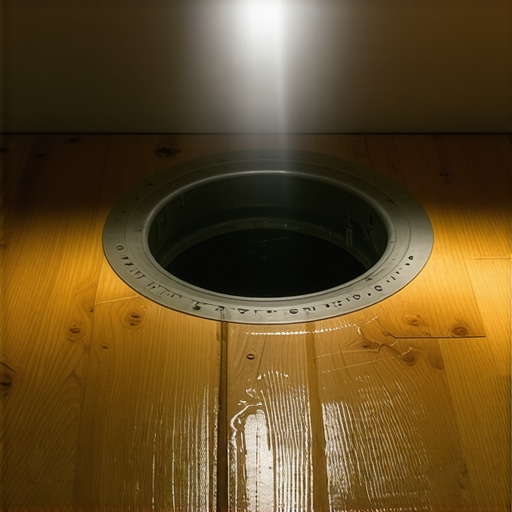
I still remember the cold, hard thud of my knees hitting the linoleum during my very first move-out inspection. I was twenty-two, confident, and I had spent six hours scrubbing walls until my knuckles were raw. My landlord, a stern man with a clipboard that looked like a weapon of financial destruction, didn’t even look at the walls. He walked straight to the bathroom, crouched down, and opened the cabinet doors under the sink. He didn’t look at the shelves; he reached his hand way back, behind the P-trap, into that dark, dusty junction where the pipes meet the drywall. When he pulled his hand out, it was covered in a grey, sticky film of old hairspray and mildew. That three-second check cost me fifty dollars of my security deposit. I learned the hard way that while we’re busy polishing mirrors, landlords are looking for the places where moisture and neglect have a secret party. [IMAGE_PLACEHOLDER]
The Hidden Money Trap Hiding Behind Your Pipes
It is easy to ignore the dark abyss under the sink because it is usually jammed with half-empty bottles of shampoo and cleaning supplies we never use. However, this is exactly where the ‘Move-Out Boss’ wins. This area is a magnet for moisture, which leads to grime that eventually hardens into a permanent crust. If you want to succeed in getting your deposit refund back, you have to treat this cabinet like a high-traffic zone. I used to make the classic rookie mistake of just spraying everything with a generic multi-surface cleaner and wiping the front. What I didn’t realize is that the chemicals in those sprays often leave a residue that actually attracts more dust. Now, I advocate for more targeted sanitizing secrets that break down the oils from soap and hair products without leaving a sticky trap behind for the next inspection.
Do landlords really check these dark corners on purpose?
You might think I am being paranoid, but it is a calculated move. According to the National Apartment Association, ‘excessive filth’ and neglected maintenance are top reasons for deposit deductions, and dark, damp areas are prime spots for mold growth that landlords are legally required to address. By ignoring the grime behind your plumbing, you are essentially handing them an excuse to hire a ‘professional’ cleaner on your dime. It is a similar logic to why they always look at those 7 spots behind the toilet that everyone forgets. Have you ever been blindsided by a landlord checking a spot you didn’t even know existed? I promise, once you know what they are looking for, you can follow a proper move-out list and keep your money where it belongs: in your pocket. Setting the stage for a deep clean here isn’t just about appearances; it’s about proving you cared for the property better than anyone else would.
Strip the Cabinet to the Bare Wood
Emptying the cabinet is the only way to see the real damage. I remember a basement apartment I left in Murray where I thought a quick wipe-around was enough. It wasn’t until I pulled out a rusted can of old shaving cream that I realized a slow drip had created a swamp in the back corner. That ‘quick wipe’ turned into a three-hour battle with a scrub brush. To avoid this, take everything out. Use this as your chance to implement a 10-minute routine for a permanently tidy kitchen sink area. Once it is empty, look for water rings or peeling laminate.
Dissolve the Gunk with a Targeted Attack
The sticky film under a sink is usually a mix of leaked soap, dust, and humidity. Using water alone just creates a muddy mess; you need a degreaser that acts like a magnet for oil. I prefer a mixture of warm water and a drop of concentrated dish soap to break the surface tension. If you are dealing with kitchen cabinets, you need the only way to clean sticky grease off kitchen cabinets without peeling paint. Apply your solution to a microfiber cloth, not the wood itself, to prevent warping. Scrub from the back corners toward the front, pulling the dirt out with you rather than pushing it into the crevices.
Reach Behind the Pipes
This is where the ‘white glove’ test always happens. Landlords love to reach where your eyes can’t see. Wrap a damp cloth around a long-handled spatula or a dedicated cleaning brush to reach the drywall where the pipes enter. This area often collects hair and lint that acts as a wick for moisture. If you find dark spots, you need to apply effective sanitizing methods for a germ-free home to ensure no mold is left behind. 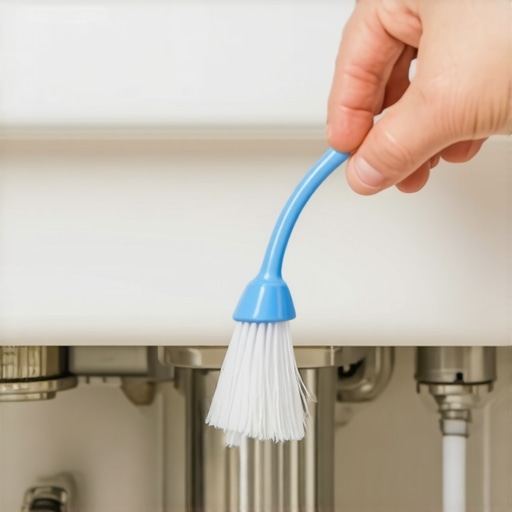
How to Polish the Hardware Until It Glows
Most people stop at the floor of the cabinet, but the shut-off valves and the P-trap itself often have crusty mineral deposits. These scream ‘neglect’ to an inspector. Use a soft toothbrush and a bit of vinegar to break down the white scales. It is part of the move-out secret for making old taps look brand-new. When those metal pipes shine, it signals to the landlord that you’ve maintained the plumbing, not just the surfaces. This small detail is one of the 7 hidden dust traps renters forget during move-out inspections, and fixing it can be the difference between a full refund and a ‘cleaning fee’ deduction. Use move-out cleaning strategies to secure your deposit that focus on these high-scrutiny mechanical areas.Building on that hardware shine, let’s talk about the science most renters—and even some ‘pros’—get dead wrong. Everyone says that hot water is the ultimate cleaner, but in my years of deep-cleaning rentals, I’ve found that why you should stop mopping with hot water and use this instead is actually the secret to protecting your surfaces. Hot water can warp laminate and actually weaken the chemical bonds in some surfactants, making them less effective at lifting grime.
Stop Mopping With Boiling Water Right Now
When you use excessive heat on delicate surfaces, you risk permanent damage that a landlord will spot instantly. Instead, rely on effective house cleaning secrets from cleaning experts that prioritize the right chemical balance over raw temperature. For example, if you’re tackling the living room, you need to be careful with the couch. I’ve seen so many people ruin their security deposit because they didn’t know how to treat s-coded upholstery fabric without ruining it. They spray water-based cleaners on ‘solvent only’ fabric, creating permanent water rings that are impossible to remove. 
The Dwell Time Trap That Ruins Your Sanitizing Efforts
The ‘Oops’ factor I see most often is what I call the ‘Spray and Sprint.’ You spray a disinfectant and immediately wipe it away. This does almost nothing. According to the Environmental Protection Agency (EPA), disinfectants have a required ‘dwell time’—the amount of time the surface must stay visibly wet to actually kill germs. Often, this is between five and ten minutes. If you wipe it off in five seconds, you’ve just moved the bacteria around. This is why effective sanitizing methods for a germ-free home require patience.
Is steam cleaning enough to kill bacteria on high-touch surfaces?
It is a sophisticated question because while steam is powerful, it has to reach a specific temperature (usually 212°F) at the point of contact to be truly effective. Many consumer-grade steamers lose heat too quickly. You have to wonder: is steam cleaning enough to kill bacteria on high-touch surfaces if the tool isn’t professional grade? Probably not. This lack of nuance is also why your upholstery cleaning company might be overcharging you; they are charging for the ‘idea’ of steam without the industrial-strength heat required for true sanitization.
Avoid the Residue Nightmare
Another advanced mistake is over-using soap. If the floor feels sticky after you clean it, you’ve used too much product. That residue is a magnet for new dirt, which will make the place look ‘lived in’ and dingy again within forty-eight hours—just in time for the walk-through. Always follow house cleaning strategies for a sparkling home today that emphasize rinsing or using low-residue formulas. Have you ever fallen into this trap of over-cleaning only to make things stickier? Let me know in the comments. I want to hear your move-out horror stories so we can avoid them together. If you’re still feeling overwhelmed, check out my move-out clean checklist to simplify your transition and stay organized.The real secret to never losing a deposit again isn’t a one-time scrub; it’s the gear you keep in your utility closet. I spent years buying cheap vacuums from big-box stores until I realized why your vacuum filter is actually spreading dust around your home rather than removing it. If you aren’t using a sealed HEPA system, you’re just mining dust from the carpet and venting it into the air for your landlord to find on the baseboards later. I now swear by a high-grade canister vacuum with a motorized power head because it agitates the fibers enough to pull up the grit that actually cuts carpet backing.
The Professional Gear That Pays for Itself
Most people think professional-grade tools are for pros only, but a simple investment in a high-GSM microfiber kit changed my life. Cheap cloths just smear oil; high-quality ones actually lift it. This is essential for upholstery cleaning tips for a fresh home revival because it prevents the need for heavy saturating chemicals. When I am working on a sofa, I follow the IICRC S300 Standard for Professional Upholstery Cleaning, which emphasizes ‘soil suspension’—using just enough moisture to loosen dirt without soaking the frame. This prevents that ‘wet dog’ smell and keeps the fabric from shrinking.
How do I maintain that ‘Move-Out’ level of clean every day?
It comes down to a daily house cleaning routine to maintain perfection that focuses on ‘micro-zones.’ Instead of a four-hour Saturday marathon, I spend five minutes on high-touch hardware. I also stopped using specialized plastic tools for every job; for instance, I learned how to clean vertical blinds without a specialized dusting tool just by using a damp microfiber glove. It is faster and more effective. 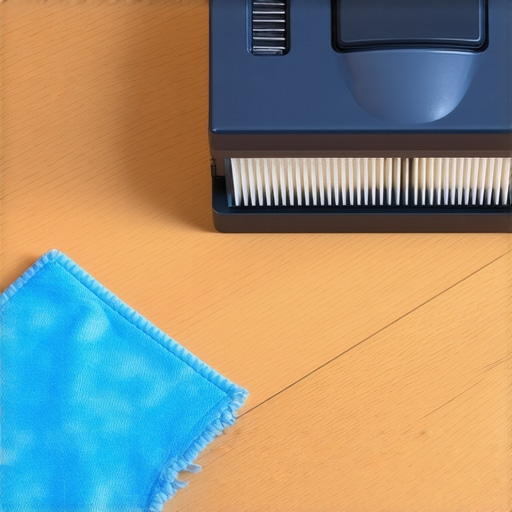
Where Cleaning Technology is Heading
I predict that within five years, we won’t be guessing about ‘dwell times’ or germ counts. We are already seeing the rise of consumer-grade UV-C sanitizing wands and AI-integrated vacuums that map ‘bioload’ in real-time. Until then, you need to rely on an ultimate upholstery care guide for lasting freshness to stay ahead of the curve. My challenge to you this week: swap out your old, gray cleaning rags for three high-quality, color-coded microfiber cloths and see if your surfaces don’t stay dust-free for twice as long.
Lessons from the Rental Front Lines
After years of navigating various landlords, I have realized that a successful move-out clean is less about the hours you spend scrubbing and more about where you direct your focus. First, cleaning for an inspection is a psychological game. When you polish the small mechanical details, like the shut-off valves under the sink or the drywall junctions behind the pipes, you signal to the landlord that you are a meticulous tenant. This often stops them from digging deeper into other areas. Second, I learned that sanitizing secrets for a safer house in 2025 are not just for health; they prevent the sticky residue that actually attracts more dust right before the walk-through. Finally, never underestimate the power of a dry run. I always do a ‘flashlight test’ the night before, shining a light at an angle across surfaces to catch any missed streaks or hair.
The Gear That Actually Makes a Difference
You do not need a closet full of chemicals, but you do need the right tools to avoid doing the same job twice. I swear by three specific items. I always use a vacuum with a sealed HEPA system because I discovered why your vacuum filter is actually spreading dust around your home, and avoiding that airborne dust is the only way to keep your baseboards clean for more than an hour. I also recommend a high-GSM microfiber kit over old cotton rags; they lift grease instead of smearing it. For any soft surfaces, I stick to the upholstery cleaning tips for a fresh home revival to ensure I don’t leave water rings on S-coded fabrics. These tools, combined with move-out cleaning strategies to secure your deposit, turn a daunting task into a manageable system.
Your Path to a Stress-Free Move
Moving is inherently stressful, but your cleaning routine should not be the thing that breaks you. By focusing on high-scrutiny areas and using professional-grade techniques, you are taking control of your financial return. You have worked hard for your money, and there is no reason to leave it behind because of a few dusty corners or a sticky cabinet floor. Apply these effective house cleaning secrets from cleaning experts and walk into your final inspection with the confidence of someone who knows they have done the job right. Have you ever been surprised by a landlord checking a weird, hidden spot like the top of the door frames or the back of the pipes? Let me know your stories in the comments below!