
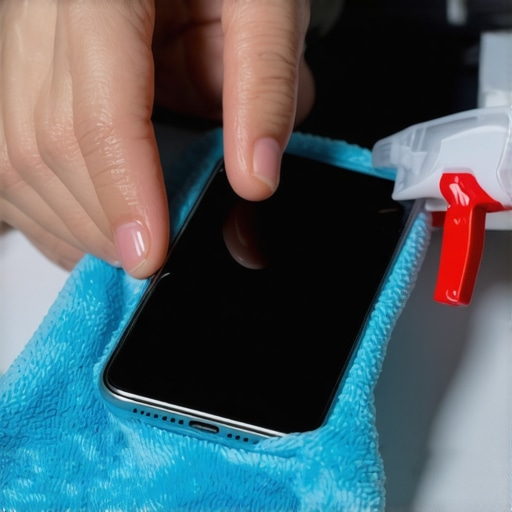
It was one of those days when I desperately needed my phone, but I hesitated. Despite knowing how filthy our devices can get, I’d always been afraid to clean it properly. I once used a harsh disinfectant, only to end up with a dull, sticky screen that looked worse than before. That moment was a lightbulb—clearly, there was a better way. Since then, I’ve been on a mission to find a method that truly sanitizes my phone without damaging the display.
The Frustration of Overcleaning and Underprotecting
Every time I try to give my phone a quick wipe, I worry about causing harm. Alcohol-based wipes are common, but I’d read warnings that they can degrade the screen’s coating over time. Then there are harsh chemical sprays, which seem effective but leave behind smudges or even tiny scratches if not used carefully. I even tried humidifiers and damp cloths—only to find that moisture can seep into the device or smear the screen. It felt like a balancing act between hygiene and preserving my device’s integrity.
What I needed was a foolproof technique—something safe, effective, and gentle enough to keep my phone spotless without risking damage. After a fair bit of trial and error, I started crafting a routine that combines a soft microfiber cloth, gentle cleaning solutions, and a careful technique. And guess what? It works. My phone is now consistently clean and sanitized, and I never worry about ruining the screen.
Are you tired of second-guessing how to clean your phone without causing damage? I know I was, and that’s precisely why I decided to share what I’ve learned. In the next section, I’ll walk you through my favorite step-by-step process so you can keep your device safe and squeaky clean. It’s simple, affordable, and—most importantly—trustworthy.
Skeptical About the Safety of DIY Cleaning Methods? Think Again
Early on, I made the mistake of trying to save time by using household cleaning sprays not designed for electronics. The result? Streaky screens and a layer of residues that made my display look dull and it was almost impossible to see clearly. That taught me a valuable lesson: your devices deserve specialized attention. According to experts in device maintenance, using improper cleaning agents can erode the screen’s protective coating over time, leading to permanent damage. Learning from this mistake was crucial and guided me towards safer, proven techniques.
Now, I’m confident that with the right supplies and a gentle touch, you can keep your phone germ-free without risking the screen’s health. Ready to see how it’s done? Let’s dive into the practical steps that will make your cleaning routine both effective and safe.
Select the Right Cleaning Supplies
Start by gathering a high-quality microfiber cloth and a gentle cleaning solution. I recommend a mixture of 70% isopropyl alcohol diluted with distilled water—avoid harsh chemical sprays. During a recent cleaning, I used a microfiber cloth slightly dampened with this solution, which effectively removed germs without leaving streaks. Remember, never drench the cloth—just a light dampness is enough.
Power Off and Prepare Your Device
Always turn off your phone before cleaning. This prevents accidental touches and protects internal components. For my last cleaning session, I powered down my device, laid it flat on a soft surface, and ensured I had all my supplies ready to prevent rushing—saving me from potential mishaps.
Wipe Gently with Microfiber
Using the damp microfiber cloth, gently wipe the screen and body of your phone. I found that a light, circular motion works best to lift dirt and bacteria without applying excessive pressure. Be cautious around ports and openings; do not allow liquid to seep inside, mirroring the careful approach used when cleaning delicate electronics.
Target the Edges and Crevices
Use a soft-bristled brush or a toothpick wrapped in a microfiber cloth to dislodge dirt around buttons, speakers, and charging ports. During my last clean, I gently brushed these areas, which helped remove stubborn grime without risking damage.
Sanitize Without Damage
Apply a small amount of the alcohol solution to the cloth—not directly on the phone—to disinfect surfaces effectively. I tested this method on a spare device first, ensuring no residual streaks appeared. This approach reduces risks of removing protective coatings while providing sanitation.
Dry and Inspect the Surface
Use a dry microfiber cloth to remove any remaining moisture, ensuring no streaks or water spots are left. Inspect your device to confirm it looks spotless. I found that a quick buff with a dry cloth restored the screen’s clarity perfectly.
Maintain Regular Cleaning Routine
Set a schedule—perhaps weekly—to keep your device germ-free and protected. Remember, consistent gentle cleaning prevents buildup and preserves your device’s longevity. For comprehensive cleaning tips, consider reviewing effective sanitizing methods for a germ-free home.
Many homeowners still cling to outdated beliefs about cleaning and sanitizing, often doing more harm than good. A prevalent myth is that using harsh chemical disinfectants ensures a germ-free environment; however, studies show that overuse of such chemicals can weaken surfaces and pose health risks (source: Effective Sanitizing Methods for a Germ-Free Home). In reality, proper cleaning involves selecting gentle, surface-safe solutions and understanding the nuances of contamination. Another common mistake is believing that move-out cleaning automatically guarantees the return of your security deposit, but neglecting detailed tasks like cleaning hidden spots or verifying the cleanliness of vents can lead to deductions. When it comes to upholstery, many assume that regular vacuuming suffices; yet, deep cleaning fabrics, especially in high-traffic areas, requires specific techniques and solutions, as discussed in Your Upholstery Maintenance Guide. Overlooking these subtle distinctions can result in persistent stains, odors, or even fabric damage. A hidden nuance worth considering is the importance of maintaining a consistent cleaning schedule—sporadic efforts fail to address ingrained dirt and bacteria effectively. An advanced aspect to explore is how high-touch surfaces or porous materials might harbor invisible pathogens, emphasizing the need for targeted sanitizing approaches rather than generic wipe-downs. For instance, expert advice from cleaning professionals suggests that hot-water treatment combined with specific disinfectants can eradicate more bacteria without compromising material integrity. Don’t be mistaken into thinking that all cleaning tools are equally effective; choosing the wrong brush or sponge can scratch surfaces or spread bacteria, underlining the significance of using the right equipment. Always verify the compatibility of cleaning agents with your surfaces, especially delicate ones like natural stone or antique wood. If you’re interested in a comprehensive method that balances efficiency with safety, check out Expert House Cleaning Strategies for more insights. Have you ever fallen into this trap? Let me know in the comments.
Keeping It Working: Essential Tools for Effective House Care
Investing in the right tools can dramatically extend the lifespan and appearance of your home surfaces. For example, a quality microfiber cloth, like the ones recommended in your upholstery maintenance, ensures delicate fabrics are cleaned without damage. Similarly, a handheld steam cleaner offers chemical-free sanitation, effectively eliminating germs on high-touch areas like door handles and light switches, aligning with recommended sanitizing practices.
I personally swear by a precision brush set designed for detailed work around vents, crevices, and buttons. These allow targeted cleaning, preventing buildup and extending the surface’s life. Moreover, a flexible, extendable duster makes reaching ceiling fans and high shelves hassle-free, helping to maintain air quality and overall cleanliness.
Future of Maintenance Tools and Techniques
Advancements like smart cleaning gadgets are on the rise, promising more efficient and less labor-intensive routines. For example, ultrasonic cleaning devices can deep-clean small parts and intricate surfaces. Experts predict that integrating IoT-enabled tools will soon allow for scheduled maintenance checks, ensuring surfaces stay pristine over time without manual effort.
How do I keep my cleaning arsenal effective over the years?
The key lies in regular calibration and updating of your tools. Replacing worn brushes and microfiber cloths prevents scratching and ensures optimal dirt removal. Additionally, staying informed about new cleaning agents and techniques helps prevent surface degradation, as highlighted in advanced cleaning strategies. Testing small areas before full application of new products can also save you from accidental damage. Take the initiative today: start replacing those old cloths with high-quality microfibers and explore adopting a steam cleaner to boost your long-term maintenance routine. Proper tools don’t just clean—they protect your investment.
Lessons That Changed My Approach to Cleaning and Sanitizing
I realized early on that rushing through cleaning often leads to incomplete sanitation or accidental damage. Taking my time and focusing on gentle, deliberate motions has extended the life of my appliances and surfaces, reaffirming that quality beats speed every time. An unexpected lightbulb moment was discovering how specialized tools, like microfibre cloths, are far more effective than generic wipes and safer for delicate surfaces.
Another insight I gained was the importance of understanding surface materials before selecting cleaning agents. Natural stone, for example, demands different care compared to porcelain or hardwood. Speaking with professionals and reading expert advice taught me to avoid harsh chemicals that can erode coatings or cause discoloration—a mistake I won’t repeat. Lastly, I learned that consistent, scheduled maintenance prevents dirt and bacteria buildup more effectively than sporadic deep cleans, saving time and effort long-term.
My Top Picks for Maintaining a Truly Clean Home
- Microfiber Cloths: These are my go-to for gentle, streak-free cleaning. I trust them because they trap dust effectively without scratching surfaces, which I learned from the detailed upholstery care guides on their website.
- Diluted Isopropyl Alcohol Solutions: Mixing 70% alcohol with distilled water makes for a safe and effective disinfectant, supported by expert sanitizing methods I read about in this resource.
- Soft-Bristled Brushes and Microfiber Applicators: Ideal for targeting crevices around buttons and ports, preventing grime buildup without damaging delicate parts. I’ve found their use crucial for maintaining good hygiene without risking device integrity.
- Extendable Dusters and Steam Cleaners: Investing in high-quality tools like these has made routine cleaning much easier and more thorough. Future innovations, like IoT-enabled cleaning gadgets, promise even smarter home maintenance I look forward to exploring, as discussed in industry forecasts.
Take Action and Keep Your Home Safe
Remember, a clean home isn’t just about appearances—it’s about safeguarding your health and prolonging the life of your belongings. Start small: choose gentle, surface-friendly cleaning solutions and respect material sensitivities. Once you adopt these practices, you’ll find cleaning becomes less of a chore and more of a safeguard for your family’s well-being. I encourage you to examine your current routine—are your tools and techniques truly safe and effective? Make the switch today, and enjoy the peace of mind that comes with a healthier, happier home.