
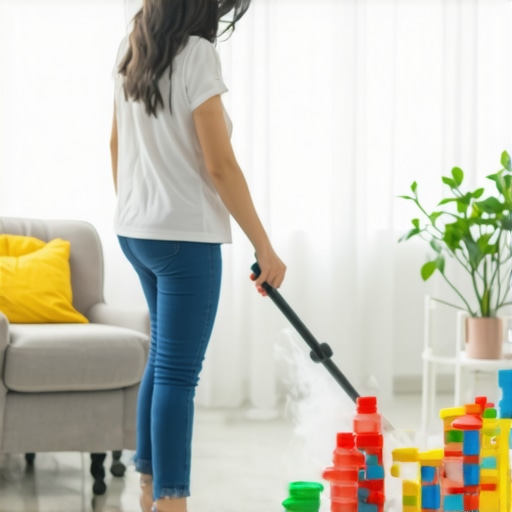
Ever caught yourself scrambling to clean a nursery, worrying if the disinfectant you’re about to use might do more harm than good? I remember the lightbulb moment when I realized that my usual go-to disinfectant — bleach — was not only harsh on surfaces but possibly unsafe for my little one’s fragile environment. One evening, after a messy diaper blowout and an overwhelmed feeling, I looked up safer options and was surprised to learn that many traditional disinfectants can be more toxic than we think, especially in spaces where tiny humans spend most of their time.
Why Choosing a Safe Disinfection Method Matters More Than Ever
The health risks posed by harsh chemicals in conventional disinfectants aren’t just a personal concern; they’re backed by science. Studies have shown that exposure to strong chemicals can irritate delicate skin, weaken immune systems, and even contribute to respiratory issues in babies. As a parent or caregiver, you want the nursery to be a sanctuary, not a chemical battleground. But at the same time, germs don’t take a break, especially in nurseries where colds, flu, and other contagious illnesses spread easily. Achieving a balance between effective cleaning and safety is crucial, and that’s where natural, non-toxic disinfecting solutions come into play.
If you’ve ever dreaded the idea of slathering bleach all over your baby’s crib or changing table, you’re not alone. I’ve been there, too. Early mistakes included super-scrubbing everything with whatever cleaner was at hand, thinking more was better. But I quickly learned that overzealous cleaning with chemical-laden products could jeopardize the very environment I wanted to protect. Today, I want to share what I’ve discovered so you can do the same — clean thoroughly without risking your little one’s health.
Is Disinfecting Without Bleach Really Effective?
It’s understandable to be skeptical. Many folks believe only bleach or chemical disinfectants can truly eliminate germs. I thought so, too, until I stumbled upon evidence suggesting otherwise. According to research from the CDC, safer alternatives like steam cleaning and natural solutions can be just as effective when used correctly. However, making sure you use the right methods is key. Early on, I didn’t realize that not all natural products are created equal — some simply mask germs without actually killing them. That’s why it’s essential to choose proven techniques and formulations.
If you’ve faced doubts about how to keep your nursery germ-free without exposing your baby to harmful chemicals, keep reading. I’m going to walk you through some tried-and-true, safe methods that work — and are gentle enough for your tiny human’s home.
Start with a Clear Cleaning Plan
Before diving into disinfecting, organize your cleaning tasks. Break down the nursery into zones: changing area, sleeping space, toys, and surfaces. Gather all necessary supplies—natural disinfectants, microfiber cloths, steam cleaner, and gloves—and ensure they’re within reach. This preparation prevents cross-contamination and keeps your process efficient. I once started cleaning without a plan, which led to missed spots and redundant work. After creating my checklist, my cleaning became quicker and more thorough, ensuring a germ-free environment.
Use Steam Cleaning for Deep Disinfection
Replace chemical disinfectants with a steam cleaner for surfaces, soft furnishings, and upholstery. Steam penetrates fabric and hard surfaces, killing germs without harsh chemicals. For example, I used a steamer on my fabric crib bumper, effectively removing bacteria and dust mites. When steam rises to about 212°F (100°C), it’s lethal to most germs without damaging delicate fabrics. Remember to move the steamer slowly over surfaces to ensure maximum contact time. Steam cleaning is like using a microscopic furnace—powerful yet gentle.
Apply Natural Disinfectants with Precision
Opt for vinegar, baking soda, and tea tree oil as natural disinfectants. Dilute vinegar with water in a 1:1 ratio for surfaces; add a few drops of tea tree oil for extra antimicrobial power. For soft toys, soak in a solution of water and vinegar for 10 minutes, then air dry. I learned to mix my own solutions after reading effective sanitizing methods. Always test on a small area first to prevent damage. Think of natural disinfectants as the herbal remedies of the cleaning world—safe but potent when used correctly.
Sanitize Upholstery Without Water Damage
Use a dry microfiber cloth to remove dust and loose dirt, then lightly spray upholstery with a natural fabric sanitizer. For stubborn stains or bacteria, apply a mixture of water, rubbing alcohol, and a few drops of essential oil, then wipe with a clean cloth. I once erased a stained baby blanket by spraying this solution and letting it air dry—no water marks, no chemicals. Regular upholstery cleaning boosts air quality and reduces germs lurking deep within fibers. Think of your sofa as the lung of your nursery—keep it breathing clean.
Maintain a Germ-Free Environment Daily
Implement quick daily rituals: wipe down changing tables, door handles, and toys with reusable cloths dampened in disinfectant solutions. Incorporate a routine, like a 5-minute wipe-down each morning, to prevent buildup. For example, I keep a spray bottle near the diaper station and a microfiber cloth ready; a quick spray and wipe keep germs at bay. This habit transforms cleaning from a daunting chore into a simple part of your day—ensuring continuous safety.
Final Tips for a Safer Nursery
Limit the use of chemical sprays and opt for open windows whenever possible to ventilate. Regularly check and replace air filters to reduce airborne germs. Be vigilant about sanitizing high-touch objects, including toys, doorknobs, and your baby’s pacifier clips. Remember, consistency is key; a little daily effort goes a long way in creating a healthy space for your little one. For more detailed strategies, consult move-out cleaning strategies and other expert tips to fine-tune your approach.Many consider move-out cleaning a straightforward task, but there’s a common misconception that can cost you your deposit or leave your home less than spotless. A widespread myth is that scrubbing vigorously with harsh chemicals guarantees a thorough clean. In reality, this approach can be ineffective and even damaging, especially when cleaning delicate surfaces or upholstery. Instead, understanding the nuanced differences between surface cleaning, sanitizing, and deeper disinfection helps you do a job that’s both efficient and safe. For example, relying solely on chemical-based sprays without proper ventilation or knowledge of their interactions can create health risks, as detailed in studies from the Environmental Protection Agency. Moreover, many overlook how certain stains or odors require tailored solutions—like odor-neutralizing sprays or gentle fabric washes—rather than generic cleaners. An advanced mistake is assuming that high-temperature steam cleaning alone can handle everything. While steam effectively eliminates bacteria and loosens grime, it may not remove set-in stains or deep-seated dirt from upholstery if not combined with appropriate cleaning agents. Always target specific issues with specialized techniques, and remember to test solutions on hidden areas first.
Why does overuse of harsh chemicals undermine your cleaning efforts?
Experts suggest that excessive chemical use can lead to residue buildup, which attracts more dirt and can cause fabric deterioration over time. Additionally, improper use of disinfectants may leave behind inactive compounds that give a false sense of cleanliness. Be sure to choose certified-effective products and apply them correctly—precise application improves efficacy and reduces unnecessary exposure. Structural damage to surfaces or fabrics often results from unbalanced cleaning protocols; for instance, using vinegar on natural stone can etch the surface, as experts warn. For comprehensive guidance, visit our detailed move-out cleaning hacks or strategies to secure your deposit. Remember, effective cleaning balances thoroughness with safety. A common pitfall is neglecting upholstery, which harbors bacteria and allergens. Regularly cleaning fabric furniture using appropriate methods like gentle steam or fabric-safe disinfectants can extend its lifespan and improve air quality—learn more in our upholstery cleaning tips. Finally, avoid the trap of rushing through cleaning tasks without inspecting problem areas last, as it often leads to missed spots and additional costs. Consistent, knowledge-driven efforts will make your move-out process smoother and more effective, leaving your space truly pristine.Maintaining a spotless home over time requires more than just occasional efforts; it demands reliable tools and a strategic approach. One of my favorite investments is a quality HEPA-filter vacuum cleaner like the Dyson V11, which effectively traps dust, allergens, and pet hair, reducing airborne particles and improving indoor air quality. I personally rely on microfiber cloths from Norwex because their tightly woven fibers capture dirt without spreading it around, making daily dusting both quick and effective. When it comes to deep cleaning upholstery or carpets, I swear by a steam cleaner such as the Bissell SteamBoost. It kills germs, loosens grime, and deodorizes without any chemical residues, aligning with my goal of a toxin-free environment. To streamline my scheduling and ensure regular upkeep, I use the Tody app, which reminds me to tackle specific tasks and tracks my cleaning progress, making maintenance feel more manageable rather than overwhelming. Looking ahead, I predict that smart cleaning devices—like robot vacuums integrated with home automation systems—will become increasingly sophisticated, allowing for seamless, scheduled cleaning routines that maintain cleanliness effortlessly.
How do I maintain my cleaning arsenal over time?
Regularly inspecting and replacing filters, brushes, and pads ensures optimal performance of your equipment. For example, I change the filters in my HEPA vacuum every six months and clean the brush rollers to prevent clogs. Investing in multi-surface cleaners with sustainable ingredients not only protects my family but also reduces environmental impact. Keeping an organized storage system for your tools prevents clutter and makes it easier to access what you need quickly. Lastly, staying informed about the latest advancements, like the EPA’s guidelines on indoor air quality, can help you choose the best products and practices for long-term results. To ensure your home remains spotless week after week, try integrating a high-quality steam cleaner into your routine—it’s a game-changer for upholstery and hard surfaces alike. For additional expert tips, visit our effective sanitizing methods page.
What I Wish I Knew Before Turning to Chemical Cleaners
One of my biggest lightbulb moments was realizing that my trust in traditional disinfectants often came from surface-level assumptions. I used harsh chemicals without considering their long-term effects on my family’s health or the environment. Discovering safer alternatives taught me that effective cleaning doesn’t have to compromise safety or quality, a lesson I wish I had embraced sooner.
How Overconfidence in Steam and Natural Solutions Can Be a Double-Edged Sword
I once believed steam cleaning could handle everything—and in many cases, it can. But my mistake was assuming it was a one-size-fits-all solution. Certain stains and bacteria require tailored approaches, like specific fabric-safe disinfectants or targeted stain removal techniques. Real expertise comes with knowing when to combine methods for optimal results, which transformed my cleaning routine.
The Unexpected Power of a Consistent Routine and Proper Tools
Investing in quality tools like HEPA vacuums and microfiber cloths revolutionized my home maintenance. I learned that consistency, supported by reliable equipment, yields longer-lasting cleanliness and healthier air. Adopting a strategic schedule, like quick daily sanitizing rituals, prevented buildup and made deep cleans more manageable. Small, intentional efforts built on trusted tools made all the difference in my journey towards a safer home.
Curated Tools and Resources That Changed My Approach
- Dyson V11 Vacuum: Its powerful filtration system captures allergens and dust, ensuring cleaner indoor air—a must-have for foam and carpeted nursery areas. Check out my favorite cleaning gadgets.
- Norwex Microfiber Cloths: Their tightly woven fibers trap dirt and microbes without chemicals, perfect for quick wipe-downs. I trust them for their durability and effectiveness.
- Bissell SteamBoost: Deep cleans upholstery and surfaces without residue. It’s my go-to for maintaining a toxin-free environment.
- Effective Sanitizing Hacks Record: An online resource I follow for up-to-date safety practices and innovative solutions to keep my home germ-free. Staying informed helps me adapt to new challenges confidently.
Take Action and Make Your Home Sanctuary Shine
Creating a safe, sanitized nursery isn’t a one-and-done task—it’s a journey of ongoing learning and adaptation. Embrace natural solutions, invest in quality tools, and develop routines that fit your lifestyle. Trust me, the peace of mind that comes from knowing your space is both clean and safe is truly priceless. Now, it’s your turn—what natural disinfectant routine has worked best for your family? Share your experience below and join the conversation!
,